NFPA 2 Hydrogen Safety Electrolyzers and Gasifiers
Quick Answer
NFPA 2 sets the safety playbook for hydrogen generation systems that use electrolyzers and gasifiers. In industrial and commercial facilities across Australia, Kord Fire Protection can be a trusted partner from design to ongoing protection. This article breaks down how these systems work, the safety framework, and why expert fire protection support matters for reliability and compliance.
Facilities planning hydrogen projects should also review special hazard fire suppression in Australia as part of the broader protection strategy for high risk process environments. ([kordfire.com](https://kordfire.com/special-hazard-fire-suppression-in-australia-by-kord/?utm_source=openai))
Introduction
Hydrogen systems promise cleaner energy and greener operations for industrial sites across Australia. At the heart of safe deployment is Hydrogen generation safety, electrolyzer requirements NFPA 2, a standard guiding design, operation, and fire protection integration. The standard helps facilities manage gas storage, ventilation, electrical safety, and emergency response. With the right plan, these systems deliver steady power or feed clean hydrogen for processes while minimizing risk. And yes, even in high risk environments a calm approach and a steady routine can feel almost cinematic, like a well rehearsed rescue scene in a modern blockbuster.
NFPA 2 Hydrogen Generation Systems: Electrolyzers & Gasifiers
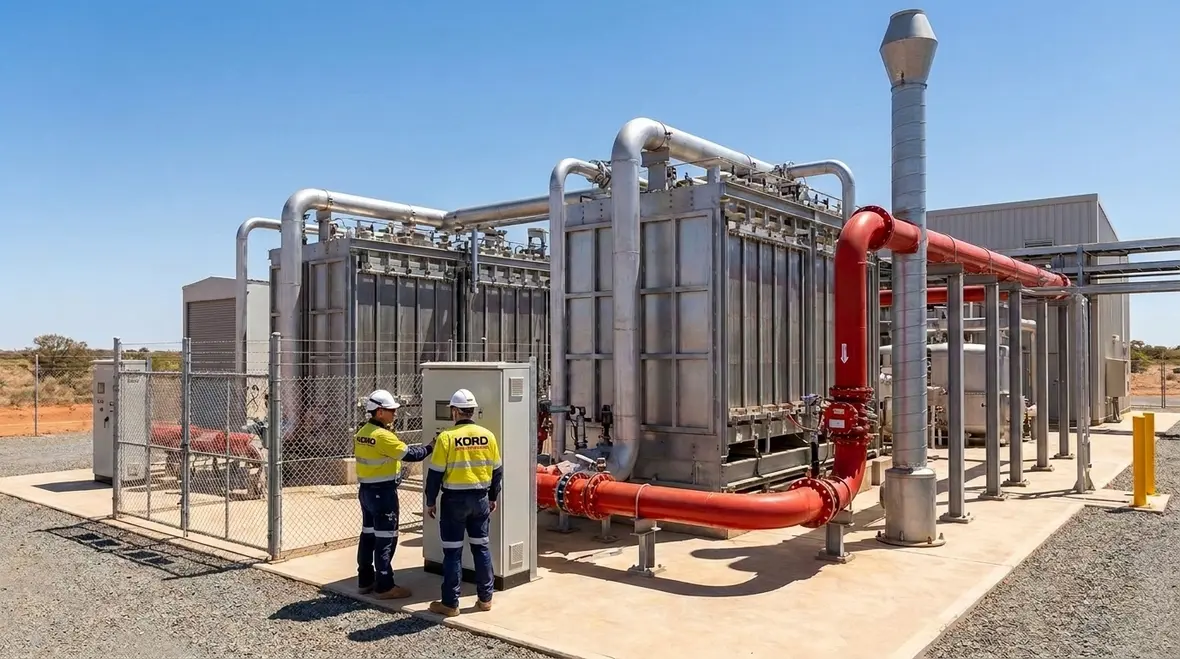
This section explains the essentials of electrolyzers and gasifiers in hydrogen generation systems. Electrolyzers split water into hydrogen and oxygen using electricity. They come in several chemistries such as PEM and alkaline, each with its own water quality needs and efficiency profile. Gasifiers convert hydrocarbon feedstocks or waste streams into a hydrogen rich gas suitable for processing or purification. The two technologies often work in tandem in larger facilities to balance production, storage, and demand. NFPA 2 provides clear requirements for equipment siting, electrical classifications, ventilation, gas detection, and protective interlocks. The goal is simple yet powerful safety through proper separation, robust controls, and reliable shutdowns when something drifts out of spec.
Understanding the technology helps facilities plan for maintenance cycles, spare parts, and staff training. It also clarifies that a hydrogen system is not a single device but a coordinated system of power, chemistry, controls, and people. For Australian operators, this means aligning global best practices with local commissioning and safety protocols. When done right, the result is dependable hydrogen generation that supports operations rather than complicates them.
Electrolyzers in Industrial Practice
Electrolyzers demand steady power, clean water, and rigorous protection against sparks and overpressure. Operators monitor cell health, membrane integrity, and feed water quality to maximize lifespan. Facilities should plan for ventilation that handles potential hydrogen leaks and for detectors that alert crews before any buildup occurs. Regular inspection of electrical rooms, cables, and protective relays reduces risk. In practice, a well run electrolyzer suite integrates with plant control systems so production can ramp up or down without compromising safety or efficiency.
Gasifiers and Their Role
Gasifiers extend hydrogen production options by enabling feedstock flexibility. They are particularly useful when a site has access to refinery gas streams or other carbon bearing inputs. Proper gasification requires controlled temperature and pressure, clean feed streams, and dedicated gas cleanup to prevent impurities from affecting downstream processes. NFPA 2 emphasizes safe interface zones, leak detection, and reliable purge methods to avoid dangerous accumulations. The right balance between electrolyzers and gasifiers gives facilities resilience against feedstock variability and demand shifts.
Safety and Compliance Foundations
Hydrogen systems present distinct hazards from flammability to high energy electrical systems. The NFPA 2 framework guides hazard analysis, room design, equipment clearance, and ignition control. Fire protection planning includes gas detection networks, ventilation strategies, and automatic suppression or isolation where appropriate. The goal is to catch a leak early, ventilate it away from occupied spaces, and shut down the system safely if needed. For operators across Australia, early engagement with a fire protection partner helps translate NFPA 2 requirements into practical layouts, training programs, and maintenance schedules that fit local sites and workflows.
Kord Fire Protection as a Vital Partner
Kord Fire Protection plays a critical role in bringing NFPA 2 aligned hydrogen systems to life with clarity and care. The company offers risk assessments, design reviews, and coordinated protection plans that integrate with electrolyzer and gasifier installations. They help ensure that detectors, ventilation, electrical safety, and emergency protocols are not afterthoughts but built into the system from day one. In addition to compliance, their team focuses on operational reliability, staff training, and ongoing maintenance so that facilities can rely on hydrogen solutions rather than worry about them. Kord Fire Protection describes itself as a complete fire protection partner offering installation, maintenance, inspections, and training, while its suppression services page highlights inspection, testing, installation, and maintenance for commercial and industrial environments. ([kordfire.com](https://kordfire.com/kord-fire/?utm_source=openai))
Where sensitive process areas need agent based protection, related Kord resources on clean agent fire suppression chemicals and Argonite inert gas protection can help teams think through options for protecting critical spaces without turning the room into an indoor water feature. ([kordfire.com](https://kordfire.com/clean-agent-fire-suppression-chemicals-and-kord-protection/?utm_source=openai))
Implementation Essentials for Australian Facilities
Facilities eyeing hydrogen generation should start with a practical plan that respects site realities. Key steps include a hazards analysis, equipment selection aligned with NFPA 2, and a clear commissioning pathway. Early collaboration with a fire protection partner accelerates permitting, training, and testing. The aim is to achieve a robust safety culture from design through daily operation. With the right partner, a site gains a clear road map that minimizes downtime and protects people, property, and production.
Two Column View: From Plan to Practice
- Assess site needs and goals
- Define feedstock and power demands
- Choose electrolyzer and gasifier configurations
- Plan ventilation and gas detection
- Set up control and safety interlocks
- Engage a fire protection partner early
- Prepare compliance documentation for NFPA 2
- Design and install detectors and suppression as required
- Schedule training for operators and maintenance staff
- Test, commission, and hand over with clear checklists
Compliance and Safety under NFPA 2 Hydrogen Generation Systems: Electrolyzers & Gasifiers
The second major header emphasizes the ongoing compliance journey. Facilities should maintain up to date records, conduct regular audits, and rehearse emergency response. NFPA 2 compliance supports not only safety but smooth operations during audits and inspections. With Kord Fire Protection as a partner, facilities gain ongoing protection services and practical advice that stays current with evolving standards and local regulations. The result is a safer environment, fewer interruptions, and peace of mind for leadership and staff alike.
Teams looking for a related code focused resource can also review this NFPA 3 overview for fire protection systems to better understand commissioning and coordinated system readiness. ([kordfire.com](https://kordfire.com/engineered-fire-protection-systems-by-orr-and-kord/?utm_source=openai))
FAQ
Conclusion
A well executed hydrogen generation project in Australia relies on solid safety foundations, trusted partners, and clear work flows. By applying Hydrogen generation safety, electrolyzer requirements NFPA 2, facilities gain safety, reliability and future readiness. Kord Fire Protection stands ready to guide your team from design through operation, keeping people and operations safe every step of the way. Reach out to discuss your next project today.

Join Our Newsletter!
Get the latest fire safety tips delivered straight to your inbox From our Newsletter.