NFPA 1900 Section 9.2 Engine and Engine System Design
Quick Answer: NFPA 1900 Section 9.2 sets the rules for engine and engine system design in fire apparatus so crews get reliable power, safe operation, and long service life. For industrial, retail, and commercial sites across Australia, following these requirements helps reduce downtime, improve response readiness, and support safer fleet performance.
NFPA 1900 Section 9.2 focuses on how fire apparatus engines and engine systems must be designed, installed, and managed so the vehicle can perform under pressure. In simple terms, it helps make sure the heart of the apparatus does not fail when the job turns ugly. For facilities across Australia, this matters because a fire truck that cannot start, move, or pump with confidence is about as useful as a smoke alarm with stage fright. These fire apparatus engine design requirements support dependable response, safer maintenance, and better long term performance. For facilities that also need broader inspection, testing, and preventive support across their life safety assets, full fire protection services fit naturally into that bigger readiness picture. And when a trusted partner like Kord Fire Protection steps in, the whole system gets a calmer, smarter layer of support.
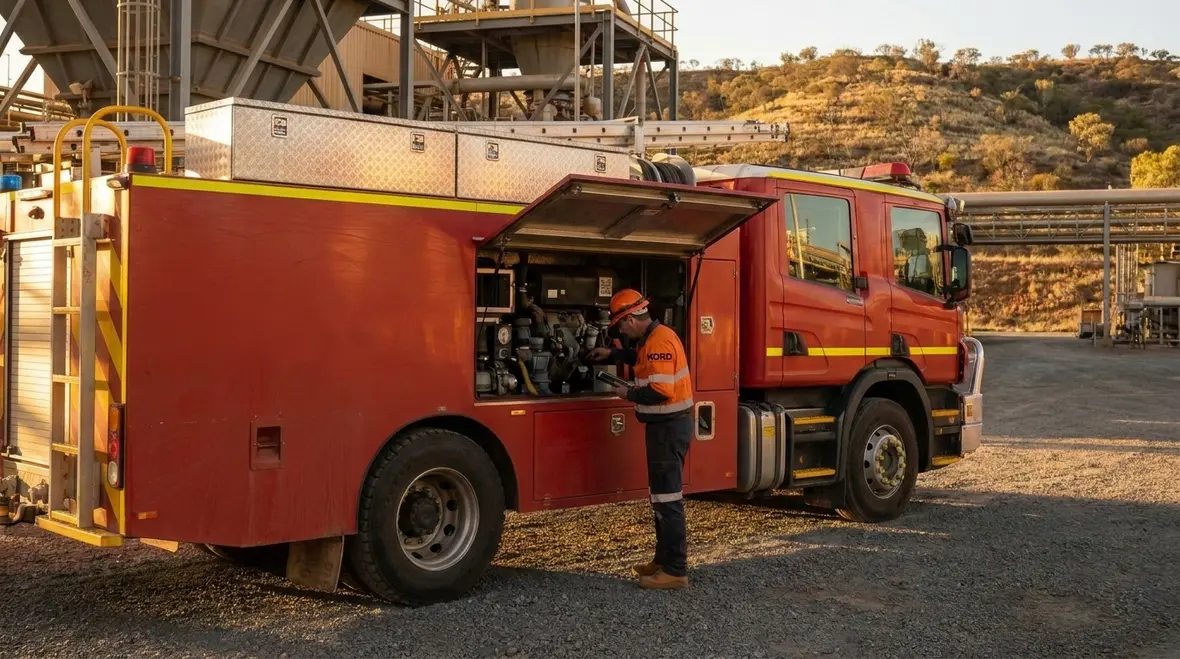
What NFPA 1900 Section 9.2 Means for Fire Apparatus Engine Design
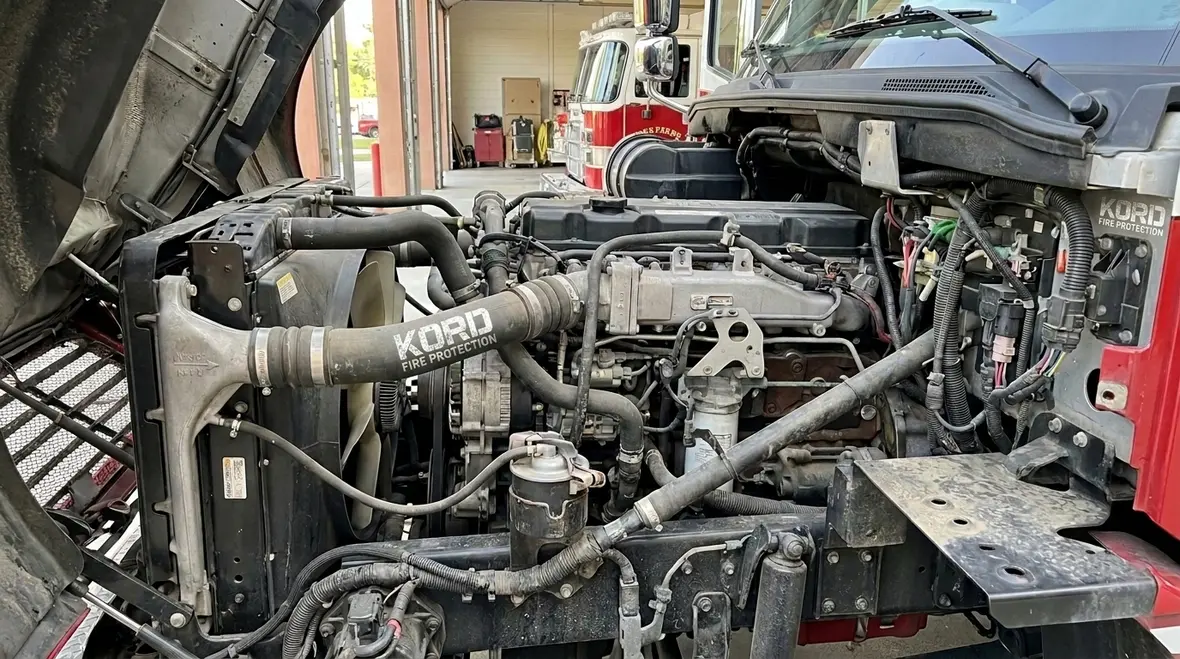
Section 9.2 deals with the engine as more than just a power source. It treats the engine system as part of the full emergency response package. That includes design, access, protection, airflow, serviceability, and the way the engine works with the rest of the apparatus. In practice, the goal is simple. The vehicle should perform well, stay safe, and remain easy to maintain over time.
For industrial and commercial operations, this is not just a technical box to tick. It affects response time, reliability, and fleet readiness. A poorly planned engine layout can create heat issues, hard maintenance access, or stress on connected systems. So, the design must support real world use, not just look good on paper. Paper can smile. Engines, however, prefer results.
Why the engine system has to work as a complete package
When people hear engine design, they often picture horsepower charts and a few mechanical parts tucked behind metal panels. Section 9.2 asks for a broader view. The engine has to live inside an apparatus that carries people, powers pumps, handles electrical loads, and survives hard duty cycles. That means the design cannot be isolated from cooling, exhaust routing, vibration control, and technician access. If one part is cramped, overheated, or awkward to service, the trouble tends to spread. Fire apparatus are team players by force, not by motivational poster.
Fire Apparatus Engine Design Requirements That Matter Most
The fire apparatus engine design requirements under Section 9.2 focus on practical performance. The engine must fit the vehicle’s mission, support the needed output, and work safely with the rest of the system. It also must allow enough access for checks, repairs, and regular service.
Core design points teams should pay attention to
- Proper engine mounting and secure installation
- Safe routing of fuel, cooling, exhaust, and electrical systems
- Adequate ventilation and heat control
- Service access for inspections and repairs
- Compatibility with the apparatus’s pumping and driving demands
- Protection against damage from vibration, heat, and heavy use
These points may sound straightforward, yet they carry real weight. If an engine runs too hot, vibrates too much, or becomes difficult to reach, the whole apparatus pays the price later. And later usually arrives with a wrench in one hand and a repair bill in the other.
A good design also respects the reality of maintenance. Filters need room. Belts and hoses need visibility. Fasteners and test points need to be accessible without turning every service visit into a treasure hunt with sharper edges. If technicians can inspect and repair the system without fighting the layout, upkeep becomes faster, safer, and more consistent. That kind of predictability matters because response fleets do not get much sympathy from fire when a truck is unavailable.
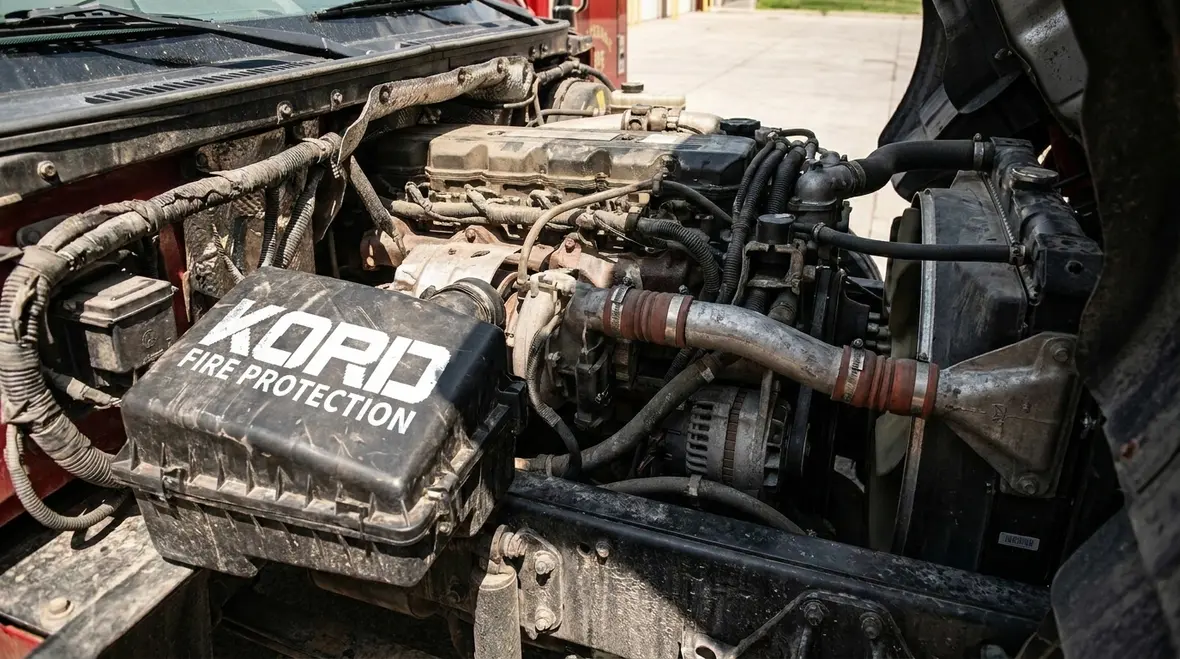
How the Standard Supports Reliable Performance in the Field
NFPA 1900 Section 9.2 aims to reduce failure risk during active service. That matters because fire apparatus often work in harsh conditions, with long idle periods, sudden load changes, and demanding pump operations. Therefore, the engine system must stay stable even when the job pushes it hard.
This is where thoughtful fire apparatus engine design requirements make a real difference. A well designed system helps maintain output during pumping, supports smooth driving, and reduces avoidable wear. It also makes it easier for technicians to spot issues early, which can prevent a small fault from becoming a full fleet headache. In business terms, that means fewer delays, less downtime, and better protection of valuable assets.
Field reliability is really about stress management
Engines in fire apparatus do not enjoy a gentle life. They can spend time waiting, then suddenly work at full intensity with little warning. That rhythm punishes weak cooling layouts, poor airflow planning, and marginal component protection. Section 9.2 supports reliability by encouraging a design that expects those stress swings instead of pretending they will not happen. In other words, the standard is not trying to make the engine fancy. It is trying to make it dependable when everyone’s heart rate is already high enough.
This emphasis on readiness also connects nicely with broader Kord reading on the NFPA 1900 standard, which helps place engine system requirements inside the wider framework of apparatus safety, performance, and compliance minded planning.
Why Commercial and Industrial Sites Need Strong Engine System Planning
For Australian industrial, retail, and commercial facilities, fire apparatus readiness can affect more than emergency response. It can shape insurance risk, continuity planning, and site safety. As a result, engine system design becomes part of a larger protection strategy, not just a vehicle issue.
These facilities often rely on response units that must travel farther, work harder, or support complex site risks. That creates pressure on the apparatus engine and its supporting systems. If the vehicle is not designed well from the start, the problems show up later as overheating, weak performance, or maintenance downtime. Nobody wants a fire truck acting like a dramatic extra in a disaster movie.
Good engine design helps
- Improve uptime
- Support safer servicing
- Reduce heat and stress
- Extend apparatus life
Poor engine design can lead to
- Frequent faults
- Slow repairs
- Higher operating costs
- Lower response confidence
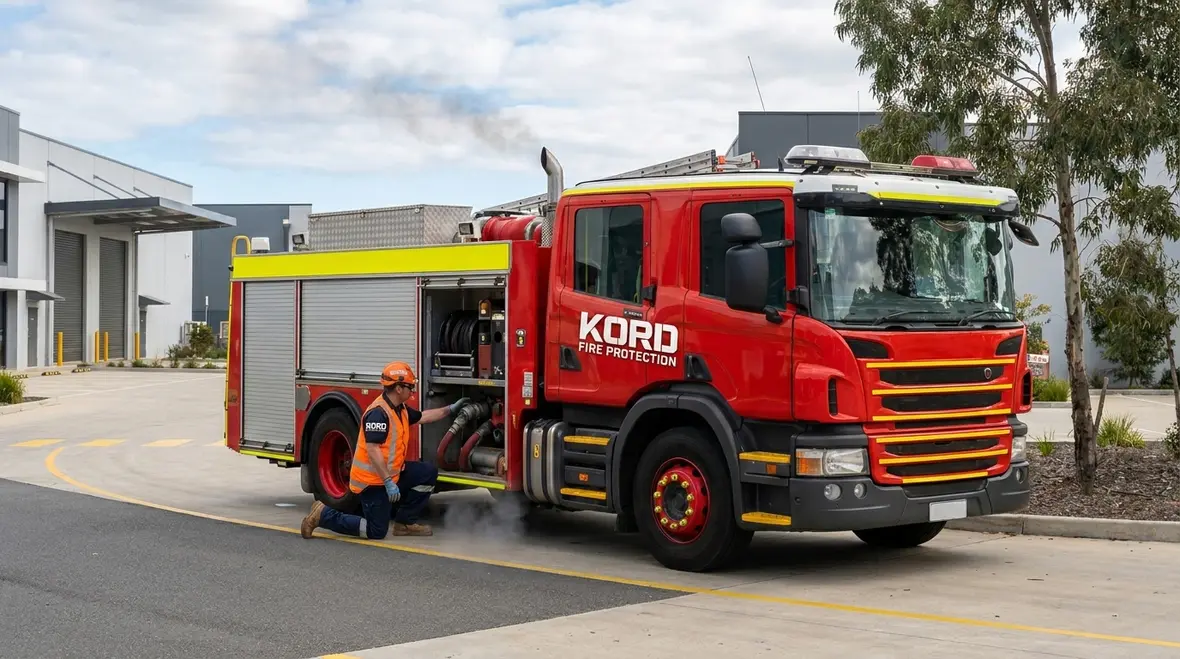
How Kord Fire Protection Adds Value to This Service
This is where Kord Fire Protection can become a vital partner. When a service provider understands fire apparatus engine design requirements, they can help ensure the vehicle meets the standard and stays ready for work. That includes practical support with inspection, maintenance planning, system checks, and advice on long term reliability.
For facilities and fleet operators, that partnership matters because it brings technical skill and real world judgment together. Kord Fire Protection can help identify weak points before they become failures, support maintenance schedules, and assist with decisions that improve safety and uptime. In other words, they help keep the engine doing its job without all the drama. And in fire protection, drama is best left to the movies.
They can also support teams that need clear guidance on compliance minded upkeep, so equipment stays aligned with operational expectations. That gives managers more confidence, technicians more direction, and emergency crews a better chance of getting a dependable response when it counts. The same mindset appears across related Kord resources, including articles on the full lifecycle of fire protection servicing and predictive maintenance for automated fire suppression systems, both of which reinforce the value of structured upkeep instead of crossed fingers.
What Facilities Should Ask Before Buying or Upgrading Apparatus
Before choosing or upgrading fire apparatus, decision makers should ask practical questions about the engine system. These questions help align the vehicle with both the standard and the site’s real needs.
- Does the engine match the vehicle’s expected workload?
- Is there enough access for inspections and repairs?
- Will the cooling and exhaust layout support heavy use?
- Can the apparatus handle local operating conditions in Australia?
- Does the service partner understand the standard and the mission?
These questions guide better decisions and reduce surprises later. After all, the best time to find a design flaw is before the truck earns a parking spot in the workshop.
A smart upgrade decision balances today and later
Buyers sometimes focus only on current output and visible features. A smarter approach also looks at long term serviceability, expected duty cycle, environmental conditions, and how the engine system integrates with the vehicle’s operational role. A truck that seems fine during selection can become expensive if access is poor, heat is difficult to control, or routine service takes too long. Strong planning is not glamorous, but neither is paying for avoidable downtime while a crew waits on repairs.
FAQ
Final Takeaway for Safer Fleet Readiness
NFPA 1900 Section 9.2 gives fire apparatus a stronger engine design foundation, and that supports safer, more reliable response. For Australian commercial and industrial sites, this is not a side issue. It is part of keeping people, property, and operations protected.
Kord Fire Protection can help turn those requirements into real world performance. If a fleet needs stronger support, this is the right time to make that connection.

Join Our Newsletter!
Get the latest fire safety tips delivered straight to your inbox From our Newsletter.