NFPA 1900 Section 29.9 Vehicle Stability for Ambulances
Quick Answer: NFPA 1900 Section 29.9 sets the bar for vehicle stability in automotive ambulances, helping reduce roll risk, improve safe handling, and support dependable patient transport. In practice, this means better testing, smarter design, and stronger control in real world use. For operators looking at broader readiness planning, Kord Fire Protection’s full fire protection services show how safety planning, inspection support, and practical compliance thinking can work together. For Australian industrial, commercial, and facility operators, Kord Fire Protection can help turn that standard into a practical safety plan.
In emergency transport, stability is not a nice extra. It is the quiet force that keeps crews, patients, and equipment steady when the road turns rough, the load shifts, or time gets tight. That is where ambulance stability testing NFPA 1917 matters, because it helps shape how these vehicles perform under pressure. Then NFPA 1900 Section 29.9 steps in with a clear focus on vehicle stability for automotive ambulances, reinforcing the need for safe motion, balanced design, and reliable control. For industrial, retail, commercial, and facility operations across Australia, that kind of discipline is not just smart. It is business survival with better lighting.
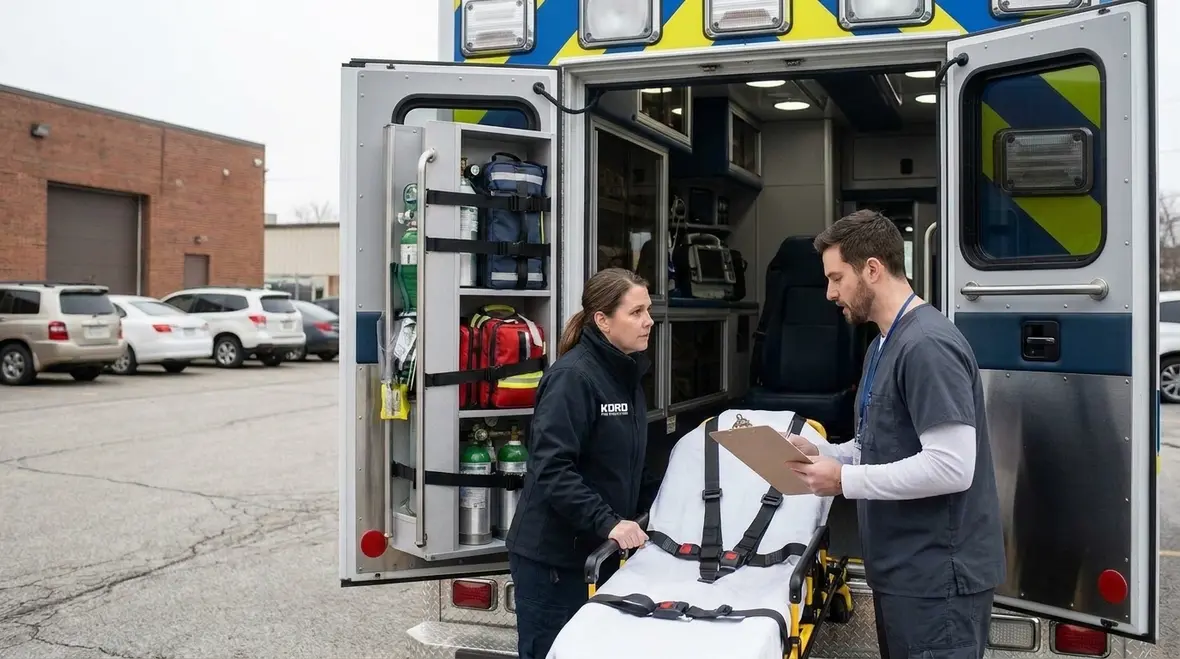
What NFPA 1900 Section 29.9 means for automotive ambulances
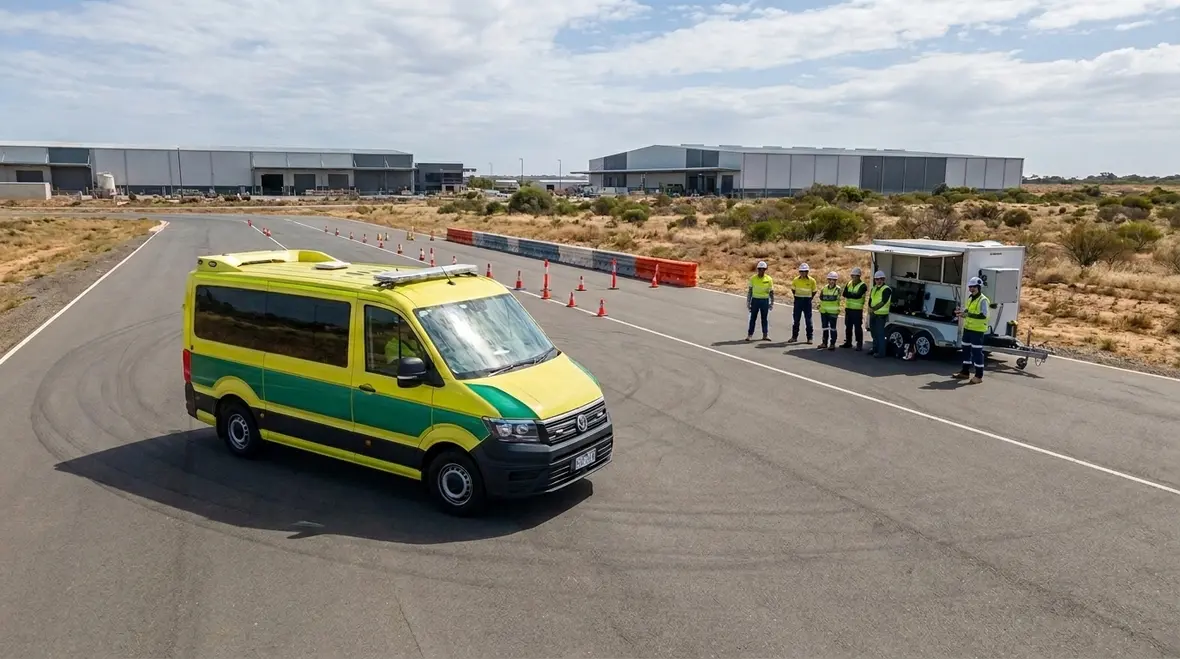
Section 29.9 addresses how an automotive ambulance must stay stable during operation. In simple terms, it asks whether the vehicle can move safely, corner safely, and remain composed when conditions become less than kind. That matters because ambulances carry more than tools and gear. They carry people, often in urgent moments, where a small loss of control can cause a big problem.
The section supports the broader safety goals behind ambulance stability testing NFPA 1917, which focuses on verifying that the vehicle can withstand real world handling risks. Together, these standards encourage safer vehicle setup, better balance, and more confidence behind the wheel. Nobody wants a vehicle that leans like it is auditioning for a suspense film.
Why the section matters beyond the spec sheet
The value of this section is not locked inside manufacturer paperwork. It affects what happens when an ambulance changes lanes quickly, turns through a crowded site entrance, brakes around an obstacle, or carries equipment that adds weight up high. A stable build gives the driver a fighting chance to stay smooth and controlled instead of improvising with crossed fingers and professional optimism.
Why vehicle stability matters in real operations
Vehicle stability affects braking, steering, cornering, and overall control. Moreover, it affects how equipment stays secured and how staff can work inside the vehicle while it moves. If a vehicle shifts too much, the driver must fight the wheel, the patient may feel unsafe, and interior items may move when they should not.
For organisations that rely on emergency response support, stability also ties into duty of care. A well balanced ambulance helps reduce risk during transport between sites, across large facilities, or in high traffic areas. In other words, stable vehicles help teams stay focused on care, not on wrestling the machine like it is a scene from Fast and Furious: Hospital Edition.
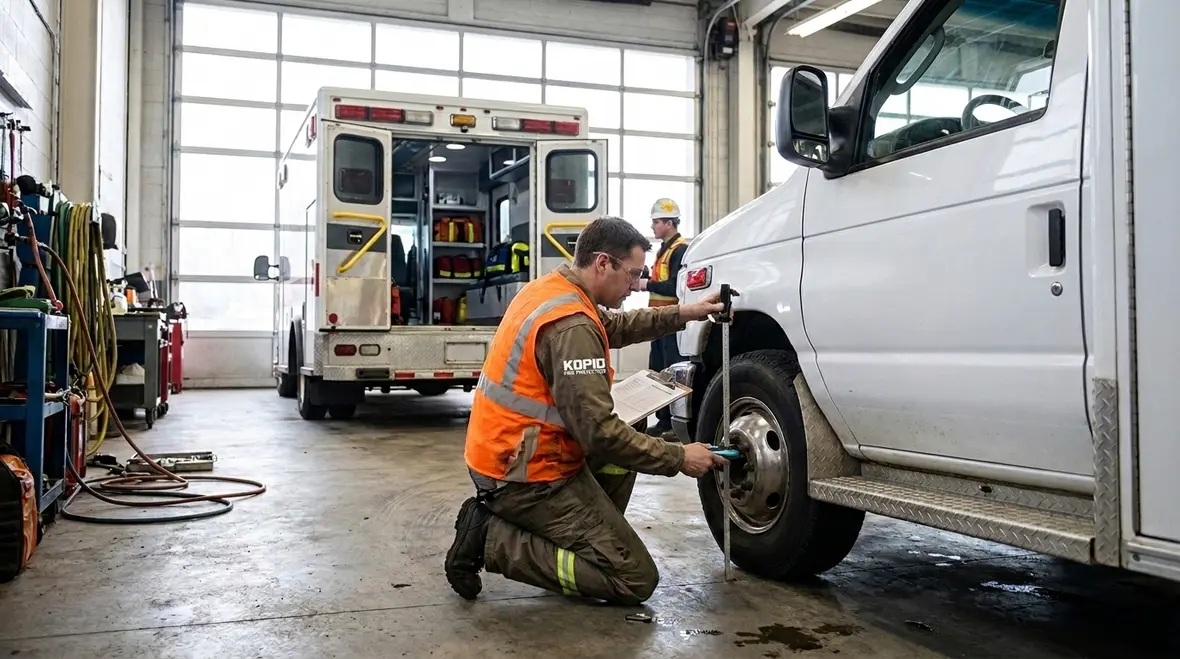
What instability looks like in practice
Instability does not always announce itself with dramatic flair. Sometimes it shows up as body roll that feels excessive, braking that gets messy under load, steering corrections that come too often, or interior storage that behaves like it has personal freedom goals. Those warning signs matter because they usually appear before a serious incident, not after a pleasant day of flawless transport.
How ambulance stability testing NFPA 1917 supports compliance
Ambulance stability testing NFPA 1917 gives manufacturers and operators a method to check performance under defined conditions. It helps confirm that the vehicle behaves in a way that supports safe service. As a result, organisations can make better buying decisions and reduce the chance of hidden handling issues later on.
This testing is useful because it adds proof, not guesswork. It shows whether the ambulance can hold its line, handle weight properly, and keep stable under stress. Furthermore, it gives fleet managers and safety teams something solid to review when comparing vehicles or planning upgrades.
It also encourages better conversations between procurement teams, operators, and service partners. When everyone can point to a clear testing intent, the discussion becomes less about vague promises and more about whether the vehicle actually fits the job. That is a much healthier place to spend budget and trust.
From testing intent to daily readiness
Testing only helps if the finished vehicle still reflects the assumptions behind the test. Once gear is added, storage is changed, or load patterns drift over time, stability can shift too. That is why planning, fit out discipline, and ongoing review matter just as much as the initial pass result. Compliance should be a living habit, not a framed certificate collecting dust beside the printer.
Dual focus table for stability and safety planning
| Planning area | Key priorities |
| Vehicle stability focus | Reduce roll risk, improve cornering control, support braking balance |
| Operational safety focus | Protect crews, limit load shift, improve patient transport confidence |
| Compliance focus | Support NFPA 1900 Section 29.9 and ambulance stability testing NFPA 1917 |
| Business focus | Lower downtime risk, improve fleet reliability, strengthen service trust |
Where Kord Fire Protection becomes a vital partner
Kord Fire Protection can become a vital partner because compliance is rarely just about one test or one vehicle. It is about the whole system. That includes procurement support, safety planning, equipment fit out, and ongoing guidance that helps teams choose the right ambulance setup for their use case.
For facilities and commercial operations, Kord Fire Protection can help align vehicle needs with safety goals. Moreover, the team can support organisations that want practical advice, not endless jargon. That means easier selection, better planning, and a smoother path from standard to service. In a world full of paperwork, having a partner who speaks human is a gift.
That broader support mindset also fits naturally with Kord Fire Protection’s related guidance on vehicle fire suppression system planning, where vehicle readiness is treated as part of a larger operational safety picture rather than a lonely box to tick and forget.
What facilities should check before deployment
Before an automotive ambulance enters service, the operator should review vehicle weight, load placement, suspension setup, braking response, and secure storage. In addition, the team should confirm that the vehicle suits the conditions it will face. A vehicle used in a large industrial estate may face different demands than one used for retail site response or multi facility support.
They should also confirm that the build and equipment match the testing intent behind ambulance stability testing NFPA 1917. If the vehicle looks fine on paper but wobbles like a shopping trolley with one bad wheel, the job is not done. Stability must work in the real world, not just in a neat brochure.
A simple pre-deployment review list
- Confirm the loaded vehicle weight reflects actual field use, not fantasy use.
- Check where heavy equipment is mounted and whether it raises the centre of gravity.
- Review suspension behaviour and braking feel under realistic load conditions.
- Make sure storage systems secure equipment without movement during turns or stops.
- Verify the vehicle configuration still aligns with the purpose behind its stability testing.
How better stability improves fleet value
Stable vehicles do more than reduce risk. They also protect investment. When an ambulance handles well, it often sees less wear from sudden correction, harsh braking, and load stress. Therefore, maintenance can become more predictable, and service life may improve.
For businesses and facility operators, that matters because fleet downtime costs time, money, and trust. A vehicle that performs well under NFPA 1900 Section 29.9 expectations can support smoother operations and better confidence from the teams who depend on it every day.
There is also a quieter advantage: consistency. Drivers gain familiarity faster, crews work with fewer surprises, and managers spend less time reacting to avoidable problems. That may not sound flashy, but in operations, boring reliability is often the real luxury item.
FAQ
Conclusion
NFPA 1900 Section 29.9 gives automotive ambulances a stronger safety foundation, while ambulance stability testing NFPA 1917 helps prove the vehicle can perform as needed. The result is a more dependable approach to handling, reduced roll risk, and better support for crews and patients when transport conditions turn difficult.
For organisations that value safe, reliable emergency support, Kord Fire Protection can help make that standard practical, usable, and ready for service. If you want related standard context, Kord Fire Protection also covers the NFPA 1900 standard. When the road gets rough, the right partner keeps the mission steady.

Join Our Newsletter!
Get the latest fire safety tips delivered straight to your inbox From our Newsletter.