NFPA 1900 Section 30.22 Ambulance Cot Retention
Quick Answer: NFPA 1900 Section 30.22 sets the bar for patient cot retention systems in ambulances, helping keep the cot locked, stable, and safe during transport. For Australian industrial, retail, and commercial fleets, strong compliance, regular checks, and expert support from Kord Fire Protection can reduce risk, improve readiness, and protect patients when every second matters.
For operators that also need broader fire protection services across inspections, testing, and readiness, this topic fits naturally into the bigger picture of keeping life safety systems dependable from one service interval to the next.
What ambulance cot retention standards mean in real use
Ambulance cot retention is not just a box to tick. It is the part of the vehicle system that keeps the patient cot secured during braking, cornering, and sudden stops. In practice, ambulance cot retention NFPA 1917 standards and NFPA 1900 Section 30.22 work together to guide safe setup, testing, and performance. That matters because a loose cot can turn a controlled transport into a very bad day, and nobody wants that scene playing out like a low budget action film.
For industrial sites, retail centres, and commercial facilities across Australia, the issue is simple. If an emergency response vehicle is on site, its equipment must work as intended. The retention system must hold the cot firmly, allow proper loading and unloading, and support fast patient handling without adding risk.
Why NFPA 1900 Section 30.22 matters for ambulance teams
Secure transport is not optional
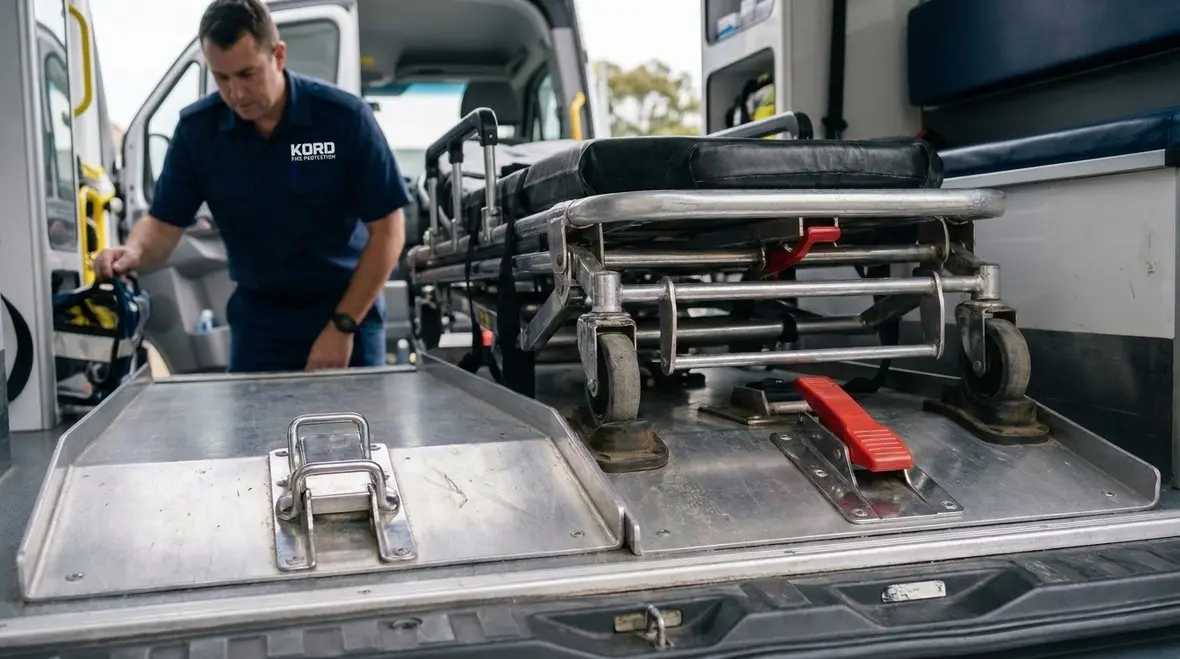
Section 30.22 focuses on patient cot retention systems in ambulances. It sets expectations for how the cot mounts, locks, and stays secure during transport. As a result, the ambulance crew can move with confidence while the patient stays stable.
This standard matters because transport conditions can change fast. Roads vibrate, turns shift weight, and emergency braking can test every latch and bracket. Therefore, the retention system must do more than look strong. It must perform under pressure, every time, without drama worthy of a superhero sequel.
For fleet operators and facility managers, this standard helps reduce exposure to equipment failure, service delays, and compliance gaps. It also supports better duty of care. In other words, a solid retention system protects people first, and paperwork second.
If you want the broader vehicle and apparatus context, Kord Fire Protection also covers the NFPA 1900 standard, which helps connect cot retention requirements to the larger conversation around emergency response vehicle safety and readiness.
How ambulance cot retention works from loading to transport
From click to confidence
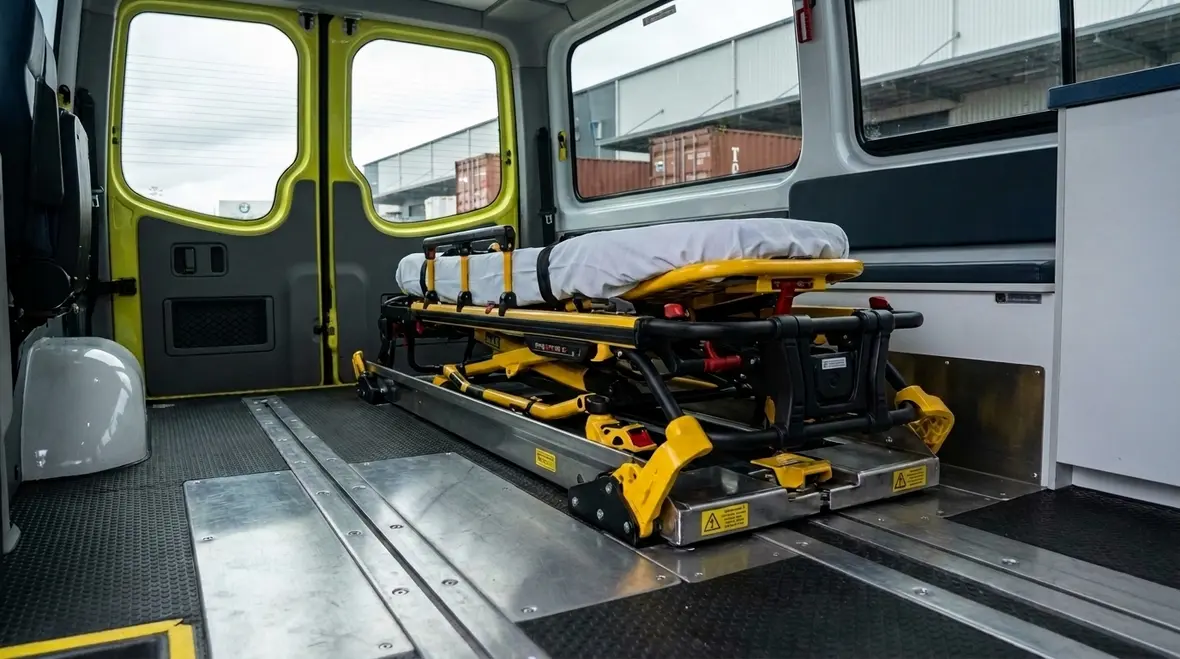
A patient cot retention system usually includes the cot, the locking mount, the floor base, and any release controls. When the crew loads the cot, the system should guide the frame into place and lock it with clear feedback. Then, once secured, it should keep the cot from shifting under normal and emergency driving conditions.
During transport, the retention system must resist movement in several directions. It must also allow crews to release the cot quickly when they reach the destination. That balance is the whole game. Strong hold, quick release, no circus tricks.
For ambulance services tied to industrial or commercial sites, this means one thing. The system must stay reliable across heavy use, repeated loading, and changing road conditions. Regular checks help confirm that locks, pivots, mounts, and fasteners remain in working order.
What to check in a compliant cot retention system
Routine checks that catch problems early
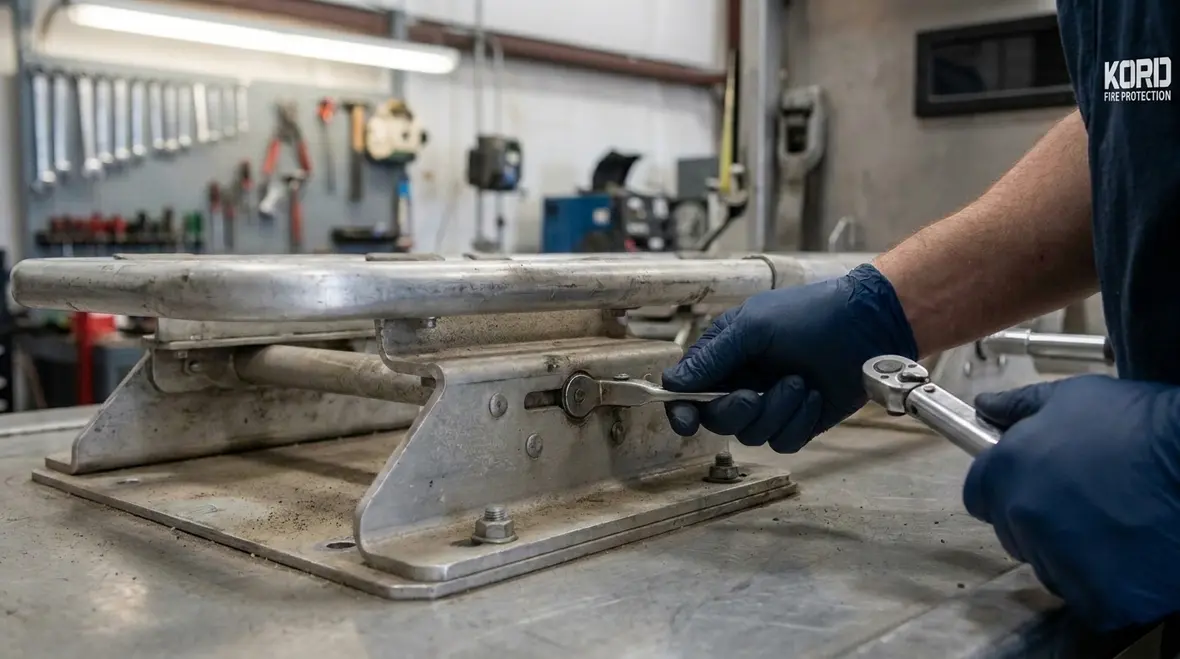
To support ambulance cot retention NFPA 1917 standards, teams should inspect the full system on a routine basis. The goal is to catch wear before it becomes a fault. A simple visual check is not enough if the equipment sees daily use.
Lock engagement: The cot should seat and lock cleanly every time.
Mount condition: The base and anchors should show no cracking, looseness, or corrosion.
Release action: The release should work smoothly without sticking or delay.
Fasteners and hardware: Bolts, brackets, and supports should stay tight and intact.
Wear marks: Scuffing, bending, or uneven contact can signal alignment issues.
| Inspection area | What good looks like |
| Locking system | Positive engagement with no slipping |
| Base mount | Firm, stable, and free of damage |
| Release handle | Easy to use and fully responsive |
| Hardware | Tight, clean, and not worn down |
Those checks may sound simple, but they are exactly where reliability lives. A retention system rarely fails with a dramatic warning speech. More often, it starts with subtle looseness, inconsistent locking, or a release action that suddenly feels a little too creative for comfort.
How Kord Fire Protection supports ambulance readiness
A partner, not just a provider
Kord Fire Protection can become a vital partner because safety systems need more than installation. They need ongoing care, testing support, and a team that understands compliance from the ground up. For facilities and fleets across Australia, that kind of support can save time and lower risk.
Kord Fire Protection can help teams maintain readiness by supporting inspection schedules, identifying wear early, and keeping critical emergency equipment in line with required standards. In addition, they can work with operators who manage multi site environments where response equipment must remain dependable across different locations. That makes them more than a vendor. It makes them part of the safety chain.
When ambulance cot retention systems fail, the impact spreads fast. It affects patient safety, crew confidence, and service uptime. Therefore, a partner like Kord Fire Protection adds value by helping teams stay ahead of faults instead of chasing them after the fact.
Why Australian industrial and commercial sites should care
Better response starts before the emergency
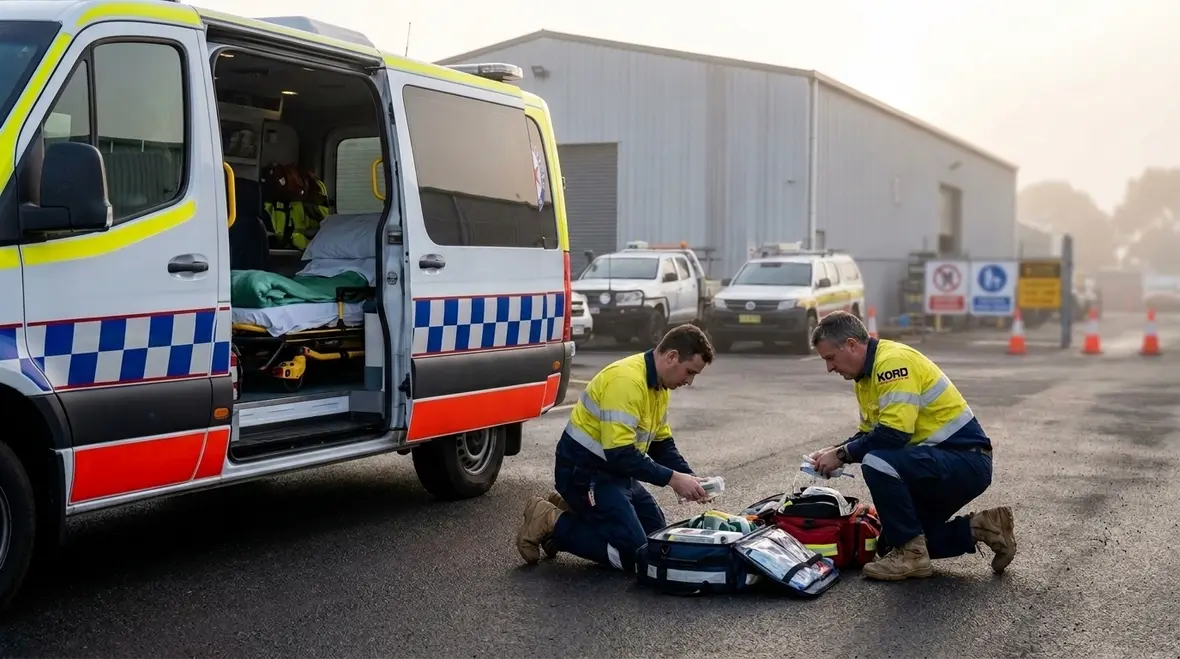
Industrial plants, retail centres, warehouses, and commercial properties often rely on first response vehicles and medical support plans. As a result, the ambulance equipment tied to those plans must meet a high standard. Even if the cot retention system sits inside the vehicle, the whole site benefits from better compliance and better emergency performance.
That matters for insurance, internal safety policy, and overall risk control. It also supports faster response during real incidents. And let us be honest, when an emergency starts, nobody wants the equipment acting like it has forgotten its job.
By using ambulance cot retention NFPA 1917 standards as a guide, facility teams can ask smarter questions, check service records, and make stronger maintenance decisions. That is how good safety programs move from theory to action.
FAQ
Keep your response systems ready
Strong cot retention protects patients, supports crews, and keeps emergency response on track. For Australian industrial, retail, and commercial sites, the smartest move is to pair good standards with expert support. Kord Fire Protection can help keep that system ready, checked, and fit for service. When safety matters, steady support is worth its weight in gold.
The practical takeaway is straightforward. Do not treat cot retention like hidden hardware that only matters when something goes wrong. Build it into inspections, service records, readiness reviews, and fleet conversations. That way, when the pressure is on, the system does its job quietly, properly, and without auditioning for a disaster reel.

Join Our Newsletter!
Get the latest fire safety tips delivered straight to your inbox From our Newsletter.