
NFPA 15 Section 4.1 Water Spray Systems Objectives Australia
Quick Answer
NFPA 15 Section 4.1 sets the purpose of water spray systems: protect people, equipment, and vital operations with a spray pattern that cools, controls fire spread, and limits damage. For industrial, retail, and commercial sites across Australia, Kord Fire Protection can help design, install, and maintain systems that meet this aim with confidence and practical know how.
If your site also needs broader support across sprinklers, alarms, extinguishers, and suppression, Kord Fire Protection’s full fire protection services can help coordinate everything under one roof without turning the project into a game of compliance ping pong.
Why NFPA 15 Section 4.1 matters for busy sites
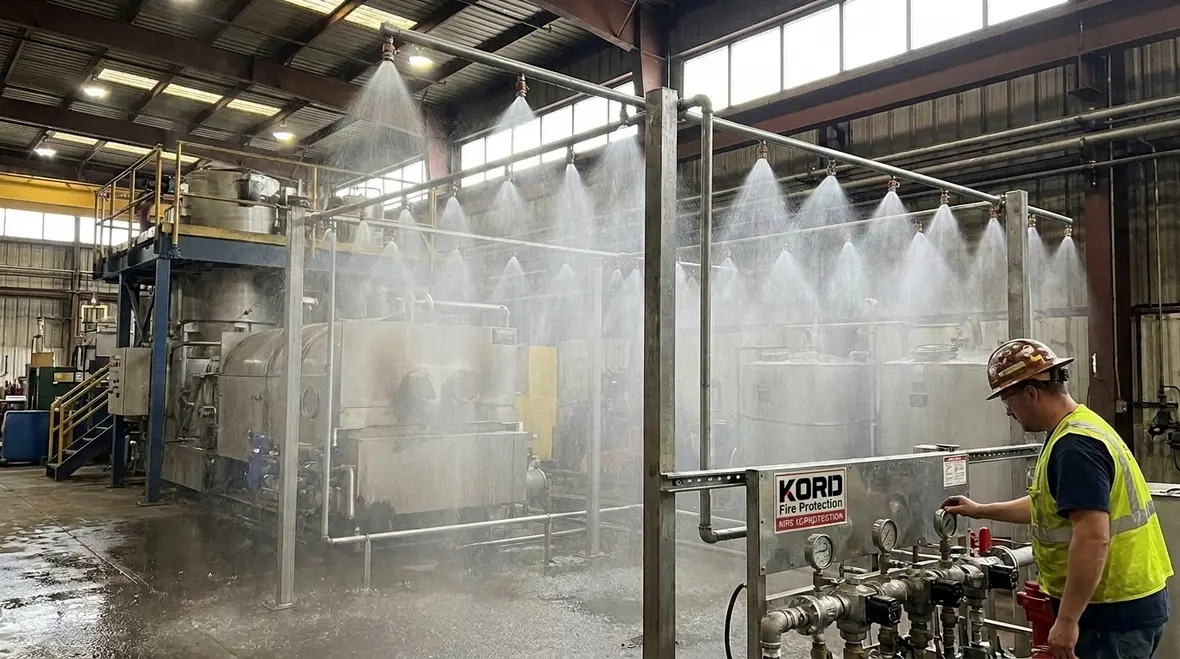
NFPA 15 Section 4.1 explains the design objectives for water spray systems, and that matters because these systems do far more than wet down hot surfaces. They help control fire, cool exposed equipment, and protect assets that support daily operations. In industrial plants, retail centres, and commercial facilities, that kind of protection can mean the difference between a short interruption and a very long problem.
Moreover, this section gives the design team a clear target. The goal is not to simply discharge water and hope for the best. Instead, the system must deliver the right spray to the right area at the right time. That may sound obvious, yet like many things in life, the obvious part is often where people trip over their own shoelaces.
For Australian sites, this also means the design must fit the real world. Heat, asset layout, process risk, and access conditions all shape the final result. Therefore, a sound interpretation of NFPA 15 design objectives water spray systems helps owners avoid weak coverage, wasted water, and poor performance during a fire event.

What the design objectives actually aim to do
The main purpose of a water spray system is to support fire safety in a controlled way. First, it cools exposed surfaces and equipment. Next, it helps prevent fire from spreading to nearby hazards. It can also protect critical equipment from heat damage long enough for people to act and for emergency teams to respond.
In practice, these objectives matter across many commercial settings. For example, a manufacturing site may need protection for fuel systems, pumps, or electrical gear. Likewise, a shopping centre may need targeted protection for plant rooms or service spaces where a fire could jump fast. So, the system must match the hazard, not just the building size.
Dual view of the design aim and its effect
- Design aim: Direct water to the hazard with enough density and reach
- Result: Better cooling, lower fire spread, and less equipment loss
- Business impact: Reduced downtime, lower repair cost, and improved continuity
That combination is why Section 4.1 is so useful. It keeps the discussion focused on outcomes instead of gadgets. Nozzle type, spacing, and flow rate are important, of course, but only because they serve a bigger purpose. A system is not impressive because it has hardware everywhere. It is impressive when that hardware actually protects what the site cannot afford to lose.

How the standard shapes system design in real life
NFPA 15 Section 4.1 does not exist as theory on a dusty shelf. It guides how engineers plan nozzle placement, water supply, discharge pattern, and coverage area. Because of that, design teams must understand what sits under protection, how heat may move, and where fire could reach next.
In addition, the standard pushes designers to think beyond the first flame. A good water spray system should address exposure protection, not only direct fire attack. That means the layout needs enough reach to protect nearby assets, even if the fire starts somewhere else. In other words, the system should think ahead, because fire certainly does.
As a result, the design process often includes hazard review, flow calculations, pump checks, and coordination with other fire systems. This is where detailed experience matters, because even a strong concept can fail if the water supply or spray pattern falls short.
For sites that want more context on fixed water spray applications, Kord Fire Protection also has a related resource on NFPA 15 and water spray fixed systems. It fits naturally into the planning conversation because design objectives are only useful when they become a layout that works in the field.
Where Kord Fire Protection can support the job
Kord Fire Protection can become a vital partner for organisations that need reliable water spray solutions. Their role can begin early, with risk review and design input, and continue through installation, testing, and ongoing maintenance. That matters because a system only works as intended when every stage receives proper care.
For industrial and commercial clients, Kord Fire Protection can help align the system with site needs, Australian operating conditions, and the objectives set out in NFPA 15. They can also help coordinate the practical side of the project, which often includes working around live operations, access limits, and tight shutdown windows. That is a lot easier when a team knows the terrain.
Just as important, they can help owners keep the system ready after handover. Regular inspection and maintenance support performance over time, which is crucial because fire systems do not get better with age on their own. Like a gym membership, they need actual use and upkeep.
What industries should ask before choosing a system
Before selecting a water spray solution, a site should ask a few direct questions. What hazard needs protection? What equipment must stay online? How fast could a fire grow? What water supply is available? These questions guide the design and help avoid a generic setup that looks fine on paper but struggles in the field.
Industrial, retail, and commercial properties across Australia often face different risk profiles, so one answer never fits all. A warehouse may need exposure protection for stored goods and process zones. Meanwhile, a retail complex may focus on plant rooms, service risers, or high value equipment. Therefore, the design should reflect the site’s real use, not a one size fits all guess.
Owners should also consider how the system fits with alarms, pumps, and emergency plans. If the spray system works alone but not with the rest of the fire strategy, the site may still face major loss. That is the kind of problem nobody wants after the smoke clears.
Questions that lead to a better design
- Which assets are mission critical and need heat exposure protection first?
- Will nearby equipment or structures become secondary hazards during a fire?
- Is the available water supply strong enough for the intended discharge pattern?
- Can maintenance teams safely access valves, nozzles, and test points later on?
Why maintenance keeps the design objectives alive
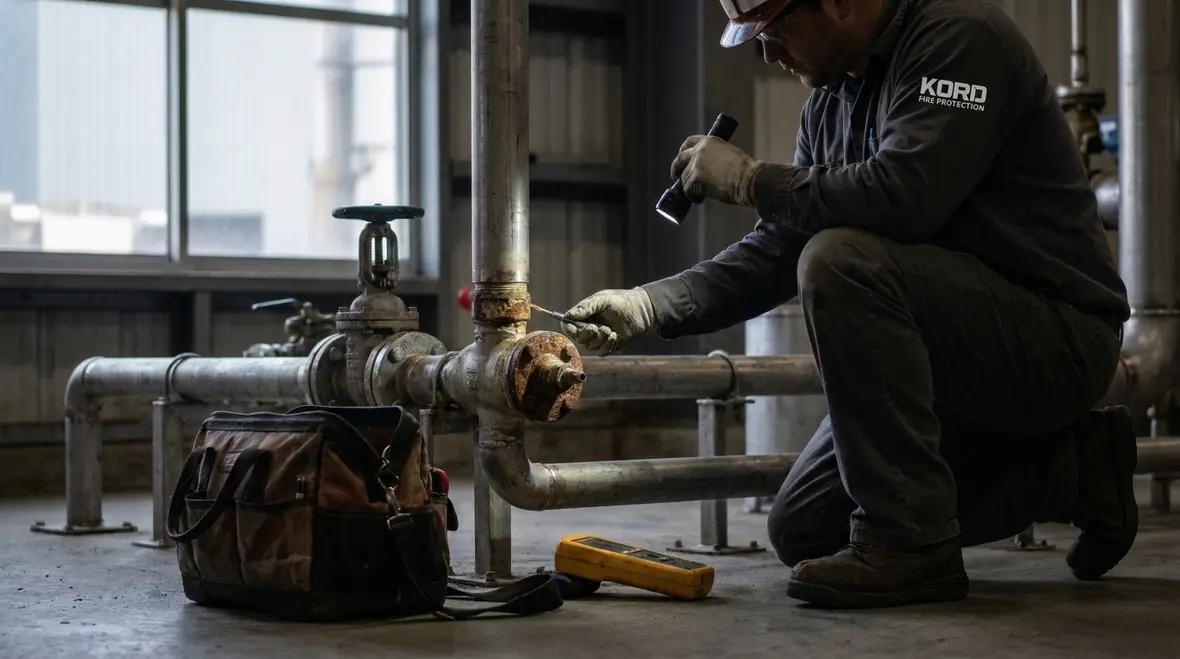
Even a strong design can weaken if maintenance slips. Nozzles can block, valves can fail, and corrosion can build up over time. Therefore, regular checks help preserve the original intent of NFPA 15 design objectives water spray systems, which is to protect people and assets when it matters most.
Maintenance also helps confirm that changes on site have not reduced performance. A new rack, machine, or wall can alter spray reach. Likewise, a process change can create a new hazard where none existed before. So, inspection is not just a box to tick. It is a way to keep the system honest.
This is also why long term servicing should be planned early, not treated like an afterthought once the install crew drives away. The best systems stay effective because someone keeps verifying valves, testing flow, checking obstruction risks, and making sure reality still matches the original design intent.
What good compliance looks like for Australian sites
Good compliance means the system matches the hazard, the water supply, and the site layout. It also means the design team documents the logic behind the protection strategy and tests the system to confirm it performs as intended. For Australian facilities, this kind of care supports safer operations and stronger business continuity.
In short, the best outcome comes from clear objectives, careful design, and reliable support. That is where a specialist partner can make the work smoother, faster, and far less risky.
FAQ
Conclusion
NFPA 15 Section 4.1 gives sites a clear path toward better fire control and asset protection. For Australian industrial, retail, and commercial facilities, Kord Fire Protection can help turn that standard into a practical, working solution.
If a site needs smarter protection, now is the right time to speak with a partner who understands both the code and the real world. That way, the system does more than exist on a drawing. It actually shows up when the heat is on.

Join Our Newsletter!
Get the latest fire safety tips delivered straight to your inbox From our Newsletter.



