
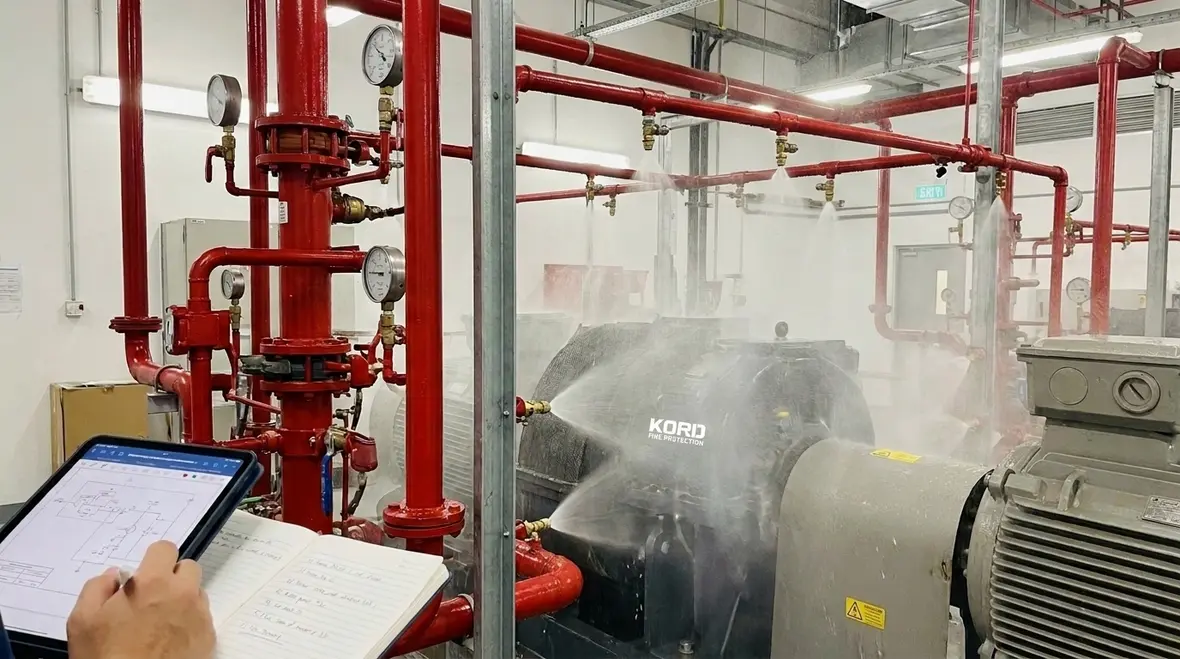
NFPA 15 Section 3.3 General Definitions for Water Spray Design
Quick Answer: NFPA 15 Section 3.3 sets the key terms that guide water spray system design, so teams can size, place, and apply water the right way. For industrial, retail, commercial, and facility sites, this section helps turn code language into safer, clearer, and more reliable fire protection decisions.
NFPA 15 general definitions fire protection gives projects a solid base before any pipe, nozzle, or pump enters the picture. In plain terms, Section 3.3 explains the words that shape water spray design, and that matters because every good system starts with the same language. When a facility team, engineer, or contractor reads the standard, these definitions keep everyone on the same page. Without that, even a small mix up can turn a serious fire protection plan into a very expensive guessing game. Nobody wants that kind of drama at 3 a.m.
Near the top of any real project conversation, it also helps to connect the definitions to actual system support. That is where fire sprinkler system service naturally fits into the bigger picture, because design language only becomes useful when the installed protection can be maintained, tested, and trusted in the field.

What NFPA 15 Section 3.3 Means in Practice
Section 3.3 does not install equipment, but it does something just as important. It defines the terms used throughout the water spray standard, so design, review, and installation all follow the same logic. As a result, the team can avoid confusion when the project involves exposed steel, process equipment, fuel hazards, or large commercial plant rooms.
That sounds simple until a project gets busy. Once drawings start moving, trades begin coordinating, and timelines tighten up, the value of shared terminology becomes obvious. One word in a standard can influence nozzle selection, equipment spacing, discharge expectations, and even how acceptance testing gets interpreted. Section 3.3 quietly keeps the whole conversation from wandering off into the weeds.
Why shared terminology prevents design drift
For high value buildings and industrial settings, the issue is not just technical correctness. It is consistency. If engineers, installers, owners, and inspectors all read the same term with the same meaning, the system has a much better chance of performing the way the design intended. If they do not, the project can drift off course long before anyone notices. And yes, that usually gets discovered at the least convenient moment possible.
For more context on the broader standard itself, it also makes sense to reference NFPA 15 water spray fixed systems guidance, especially when teams want to connect the definitions in Section 3.3 to how full water spray protection strategies are applied in practice.
Why General Definitions Matter in Water Spray Design
Water spray systems look simple from far away. However, once a project starts, the details get loud. Terms such as density, discharge, nozzle pattern, application area, and exposure protection all influence performance. If one person reads a term one way and another reads it differently, the design can drift off course faster than a movie sequel nobody asked for.
These definitions help answer a basic question: what is the system meant to do? Some systems cool surfaces. Others protect equipment from radiant heat. Some focus on preventing fire spread to nearby assets. Therefore, the design team must know the exact meaning of each term before finalising layout or hydraulic needs.
The definitions affect more than paperwork
The language in Section 3.3 is not decorative code filler. It affects how the hazard gets evaluated, how water is applied, and how performance gets reviewed later. In a well run project, these terms shape decisions early enough to prevent rework. In a poorly aligned project, everyone finds out too late that they were discussing the same system with four different mental pictures.
How the Standard Shapes Safer System Design
NFPA 15 general definitions fire protection supports a step by step process that keeps water spray systems practical and reliable. First, the team identifies the hazard. Next, it matches the right water spray approach. Then, it checks coverage, water demand, and equipment spacing. Finally, it confirms the system can perform under real conditions.
This process matters across many sites, especially where operations stay live while protection work continues. In those settings, a clear understanding of the standard helps reduce downtime, control risk, and support compliance goals. Moreover, it helps planners avoid over design, under design, and those awkward site meetings where everyone points at the same nozzle and blames the drawing.
From definition to field decision
The best thing about clear definitions is that they make field decisions less chaotic. When a team knows exactly what a term means, it becomes easier to judge whether a layout really protects the intended surface, whether spacing makes sense, and whether the water supply assumptions are grounded in reality. That saves time during review, installation, and later maintenance, which is a lot better than learning hard lessons during an emergency or a failed inspection.
Key Design Ideas
Hazard classification helps guide the right protection approach for the asset.
Application area helps the team cover the needed space, not just nearby metal.
Water density and discharge support the correct water supply and system performance.
Exposure protection helps limit heat spread to nearby equipment and structures.
System boundaries keep the design clear, buildable, and easier to verify.
Why They Help the Project
Taken together, these ideas give the team a practical framework for translating code language into layout decisions. They help keep water where it needs to be, support accurate hydraulic thinking, and reduce the chance of leaving critical exposures under protected or misunderstood.
They also make design review more efficient. Instead of debating vague assumptions, the project team can assess whether the system intent, hazard match, and operating criteria are aligned from the beginning.

Where Kord Fire Protection Adds Real Value
Kord Fire Protection can become a vital partner in this service because water spray design takes more than good intent. It takes practical experience, code knowledge, and a clear understanding of how systems behave on real sites. In other words, the standard gives the rules, but a capable partner turns those rules into a working solution.
For industrial, retail, commercial, and facility projects, Kord Fire Protection can help assess the hazard, review the definition set in NFPA 15, and guide the design toward a system that fits the site. Moreover, Kord Fire Protection can support project teams with planning, installation coordination, testing, and ongoing service. That kind of support matters when the site needs a system that is not just compliant on paper, but dependable when things get hot.
Because every site has its own layout, load, and risk profile, Kord Fire Protection can also help reduce wasted time and avoid design gaps. As a result, the client gains a smoother path from concept to commissioning, with fewer surprises and more confidence in the finished system. That is a much better outcome than discovering late in the project that the drawings were optimistic, the assumptions were fuzzy, and the water demand math had been crossing its fingers the whole time.
What Facilities Should Check Before Design Starts
Before any water spray project moves ahead, the site team should confirm a few key points. First, it should identify the exact hazard and the exposure it wants to control. Next, it should review the applicable standard language with care. Then, it should confirm water supply, access, maintenance needs, and any site limits that may affect the system.
In addition, the team should think about how the system will operate during normal business activity. That is especially important in manufacturing, logistics, mixed use commercial buildings, and plant environments where downtime costs real money. A smart design does not just meet the code. It supports the way the facility actually works.
A practical predesign checklist
Confirm the hazard type and likely fire exposure.
Review key NFPA 15 terminology before layout assumptions are locked in.
Verify water supply capacity, duration, and delivery constraints.
Identify maintenance access needs for valves, nozzles, and control equipment.
Coordinate system intent with operations so protection works with the facility, not against it.
FAQ for NFPA 15 Water Spray Definitions
Final Thoughts for Project Teams
NFPA 15 Section 3.3 gives water spray design its language, and that language shapes everything that follows. Therefore, teams that take the definitions seriously can build safer, clearer, and more reliable protection systems. It is not the flashy part of a fire protection project, but it is one of the parts that quietly keeps the rest from falling apart.
Kord Fire Protection can be a strong partner from planning through service. If the project needs practical guidance and steady support, it is time to bring in a team that knows the standard and knows the job. That way, when the pressure is on, the system is ready to do more than look convincing on a drawing.

Join Our Newsletter!
Get the latest fire safety tips delivered straight to your inbox From our Newsletter.



