
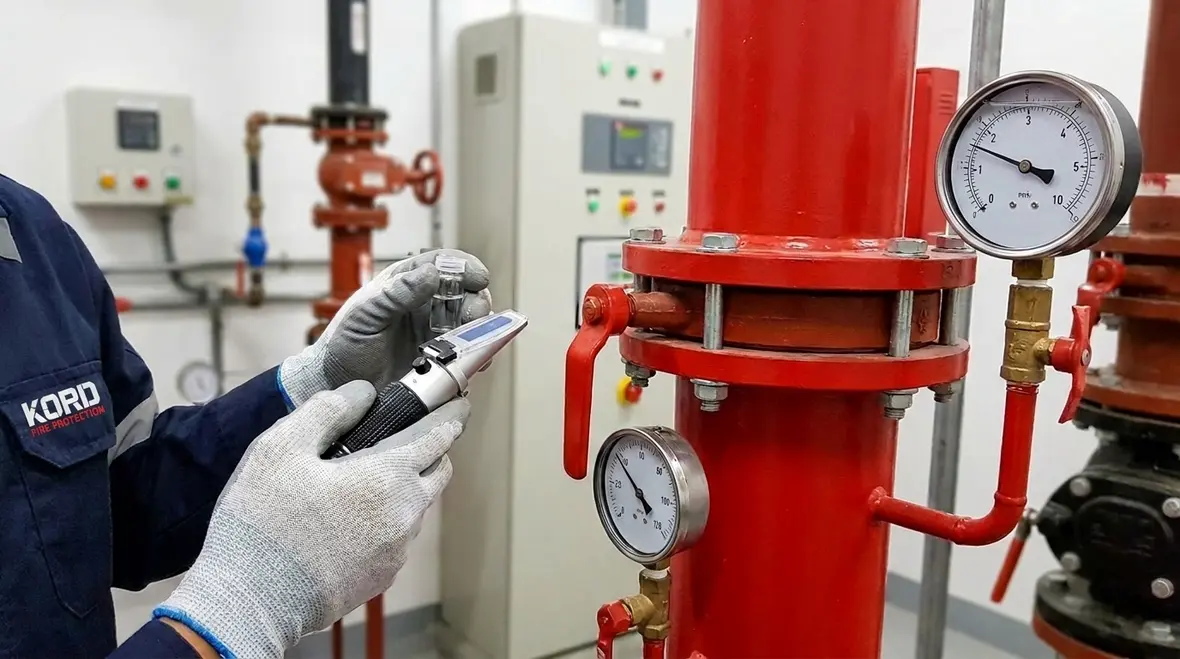
NFPA 18 Chapter 5 Wetting Agent Test Methods Tables Quick-Reference Guide
Quick Answer: This guide helps facilities locate and apply the wetting agent test method tables in NFPA 18, Chapter 5. It clarifies which tests are used, how results are interpreted, and how to document compliance for inspections, acceptance, and ongoing maintenance.
Why the NFPA 18 Chapter 5 tables matter in real inspections
Commercial, industrial, and retail fire protection programs often treat wetting agents as “set and forget” components. NFPA 18 Chapter 5 wetting agent testing requires the opposite. Inspectors and insurance stakeholders expect that the wetting agent system remains within specified performance tolerances and that the facility can demonstrate test method selection, test execution, and record traceability.
For teams searching for an NFPA 18 chapter 5 wetting agent test methods tables reference, the operational challenge usually is not finding the table itself. The challenge is matching the correct test method to the exact wetting agent condition, delivery arrangement, and water supply situation, then proving that the system will perform under fire flow conditions.
If your team is also tightening up broader suppression reliability, a practical related read is fire sprinkler testing in Australia, which fits naturally alongside wetting agent verification planning.
Where wetting agent testing fits in Chapter 5
NFPA 18 Chapter 5 focuses on wetting agents used in fire suppression systems and their verification requirements. In practice, the testing lifecycle typically includes acceptance testing after installation, periodic verification during scheduled inspections, and targeted testing after changes such as product replacement, concentrate age changes, piping modifications, contamination events, or maintenance that could impact dosing or mixing.
Facilities also need to consider that wetting agent performance can degrade through storage time, partial dilution, microbial growth, or residue build up in proportioning hardware. The Chapter 5 tables guide which test method applies to confirm that the agent meets the performance intent of the standard.
Quick-reference workflow: using the tables correctly
A reliable compliance workflow reduces rework, prevents “wrong test, wrong data,” and supports clean audit trails.
1) Confirm the installed wetting agent arrangement
- Verify product identity and concentration as installed.
- Confirm the dosing method, including suction feed, proportioning system controls, and any mixing configuration.
- Check whether the system uses automatic injection and whether there are any backflow prevention or dilution paths that alter concentration.
2) Identify the correct table row and test method
- Use the Chapter 5 tables to select the appropriate test method for the wetting agent form and condition being verified.
- Match test method requirements to your facility’s sampling approach. Incorrect sampling location is one of the most common failure points.
- Ensure your procedure aligns with the standard’s intent for repeatability under facility water quality.
3) Execute the procedure with traceable documentation
- Record ambient and water conditions that can influence wetting behavior.
- Calibrate any measurement devices used for the test method before sampling.
- Capture sample source, sample time, sample handling, and test start time to protect validity.
4) Interpret results and confirm corrective actions
When results fall outside expected tolerances, the most frequent causes include improper dosing, water chemistry mismatch, contamination, or dosing pump performance issues. Compliance success comes from linking results to corrective actions and then retesting at the same sampling and verification points.
Operational pitfalls that commonly derail Chapter 5 wetting agent tests
Even competent teams can encounter recurring problems that lead to nonconforming results or disputed test data. These issues usually show up during commercial maintenance cycles or after contractor transitions.
Sampling errors
- Sampling too close to a concentrate injection point rather than the representative mixed stream.
- Sampling before the dosing system reaches stable flow conditions.
- Failing to protect samples from temperature change or delayed testing.
Proportioning hardware drift
- Dosing pump wear that changes stroke volume and output.
- Clogging or scaling in injection lines that alters concentration delivery.
- Control valve or flow meter drift that disrupts established injection rates.
Water quality and compatibility issues
- Hard water, high alkalinity, or high total dissolved solids affecting performance.
- Unexpected contamination in the supply line changing the wetting agent behavior.
Documentation gaps during audits
- Missing calibration records for test measurement equipment.
- Incomplete traceability for product batch, delivery date, and storage conditions.
- No documented linkage between test outcomes, corrective actions, and retest results.
For practical wetting agent program support, Kord Fire Protection can help commercial facilities align maintenance practices with NFPA 18 expectations. For a broader technical orientation, use this internal resource: NFPA 18 overview wetting agents.
Commercial compliance planning: inspection cadence, downtime, and maintenance
Facilities typically face two competing requirements: maintaining fire protection readiness and meeting scheduled compliance without excessive downtime. A strong compliance plan uses the Chapter 5 tables to standardize what gets tested, how often it is verified, and what triggers additional testing.
Recommended planning controls
- Define responsibility for sampling points and ensure consistent technician assignment for repeatability.
- Set internal intervals that match your system usage profile and concentrate age management.
- Align retesting schedules with the corrective action timeline after pump servicing, line cleaning, or component replacement.
Typical commercial facility scheduling considerations
- Retail and office buildings require testing plans that coordinate with tenants, access windows, and operational constraints.
- Industrial sites require coordination with production cycles and isolation procedures where applicable.
- Documentation needs to support insurance reviews and internal safety governance, not just the day of the inspection.
Kord Fire Protection provides sprinkler services focused on maintaining dependable system performance over time. Reference service capabilities here: Australian fire sprinkler services.
Reference and verification support for wetting agent test programs
NFPA 18 wetting agent systems depend on both correct testing and correctly functioning water delivery and proportioning equipment. When facilities only test chemistry without verifying delivery stability, test results can appear inconsistent. When facilities only repair hardware without confirming agent performance, performance gaps can persist.
Operationally, fire pump performance and associated water supply reliability influence system behavior. For related technical context, teams often cross reference hydraulic and pumping considerations through industry resources such as NFPA 20 fire pump acceptance testing guide.
For ongoing compliance assurance, Kord Fire Protection supports facilities with integrated verification practices, documentation control, and maintenance sequencing that protects test validity and reduces repeat nonconformities. This approach supports a more defensible NFPA 18 chapter 5 wetting agent test methods tables reference in audit settings because the testing program remains tied to how the system actually operates.
Frequently Asked Questions
Next step: secure your Chapter 5 compliance package
Facilities can reduce audit risk and avoid rework by standardizing test method selection, sampling procedures, and documentation across every wetting agent verification cycle. Kord Fire Protection can support testing planning, sampling control, corrective action verification, and closeout documentation tailored to commercial schedules. Contact Kord Fire Protection to review your current wetting agent maintenance workflow and strengthen your NFPA 18 Chapter 5 compliance outcomes.

Join Our Newsletter!
Get the latest fire safety tips delivered straight to your inbox From our Newsletter.



