
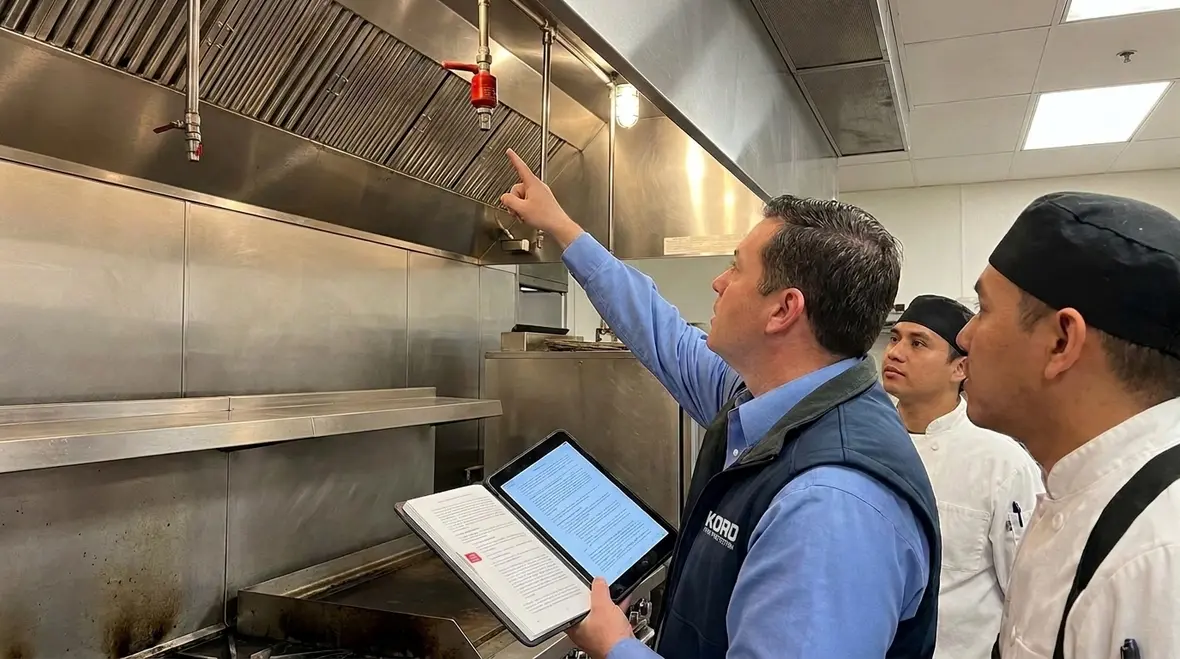
NFPA 17A 3.1 General Rules for Reading Code Definitions
Quick Answer: NFPA 17A 3.1 sets practical rules for interpreting defined terms so installers, inspectors, and authorities having jurisdiction apply requirements consistently. This article explains how to read definitions correctly, avoid scope errors, and connect code language to real wet chemical system operation, inspection, and maintenance.
For a practical system overview near the start, see Kord Fire Protection’s wet chemical fire suppression systems and Range Guard guide, which helps connect code terminology to real discharge behavior, detection, and protected cooking hazards. Also, for broader lifecycle planning, review enhancing fire safety with NFPA 17A wet chemical extinguishing systems. ([kordfire.com](https://kordfire.com/wet-chemical-fire-suppression-systems-and-range-guard/?utm_source=openai))
Why “definitions” matter in wet chemical fire protection
Commercial and industrial facilities often treat “definitions” as background text. In practice, NFPA 17A definitions general interpretation rules control how teams understand system components, operating sequences, and enforcement boundaries. Misreading a defined term can lead to incorrect design assumptions, incomplete installation documentation, or nonconforming inspection records. For wet chemical systems, where agent selection, discharge characteristics, and detection integration directly affect performance, definition interpretation becomes a compliance risk.
In day to day work, fire protection teams must translate code text into verifiable field conditions. That translation starts with the defined terms in NFPA 17A and continues through the inspection and maintenance steps that demonstrate the system is ready to operate.
NFPA 17A 3.1 in plain terms: how definitions get applied
NFPA 17A 3.1 provides general rules for reading and interpreting code definitions. These rules exist to standardize meaning across jurisdictions, contractors, and inspectors. The key compliance concept is simple: when NFPA 17A defines a term, the definition controls the reading of the requirement where that term appears. The facility team should not substitute a casual industry interpretation when the code uses a defined meaning.
1) Defined terms control over everyday language
When a term is defined in NFPA 17A, the code reader must apply the definition exactly as written. This is where many commercial projects lose time at plan review or at inspection. Teams sometimes attempt to “fit” field hardware into a familiar label rather than aligning the documentation and installation with the definition.
Operational example: wet chemical systems depend on correct understanding of system elements and operating intent, including how the system detects a fire condition, initiates discharge, and sustains agent delivery. If a defined term is misapplied, the resulting inspection expectations can drift from what the code requires.
2) Definitions do not expand unless the code says so
Another common enforcement problem is scope creep. Contractors may interpret a definition as covering similar equipment not specifically addressed by the code requirement. NFPA 17A definitions general interpretation rules constrain this behavior. Unless the code language clearly extends the definition to additional cases, the definition remains limited to what NFPA 17A describes.
This matters in commercial kitchens and industrial cooking or processing areas, where equipment configurations vary. A jurisdiction may expect system design, component selection, and arrangement to match the defined intent and application boundaries.
3) “Shall” versus “should” is not optional during definition interpretation
Even though NFPA 17A 3.1 focuses on reading definitions, interpretation still depends on the code’s stated level of obligation. Teams should treat “shall” items as enforceable performance and installation requirements. During inspection, the defined term that appears inside a “shall” requirement creates a direct checklist path. During maintenance, it supports the same standard of evidence: records and component conditions must reflect the code-defined meaning.
Common interpretation errors that cause inspection failures
Practical field experience shows that many compliance gaps come from reading definitions loosely. The errors below tend to repeat in retail, hospitality, and light industrial facilities.
Mislabeling components in inspection documentation
Facilities often maintain asset tags, schematics, and service logs that use informal terminology. When that terminology conflicts with NFPA 17A defined terms, inspectors may question whether the system equipment matches the original design intent. The remedy is straightforward: align naming conventions in maintenance paperwork with the code-defined language used in the system listing and the engineered design documents.
Assuming compatibility without reading the defined scope
Contractors may assume that a compatible part from another supplier, a substitute component, or a modified arrangement still fits the same defined term. NFPA 17A definitions general interpretation rules push teams to verify the defined scope before substitution. If the code defines performance intent or functional classification, changes must preserve that classification, not merely appear similar.
Inadequate understanding of system operation during acceptance and maintenance
Wet chemical systems operate through detection, release mechanisms, and agent discharge characteristics. If the team misreads a definition related to system behavior, it may conduct inspections or functional tests that do not validate the correct sequence. That can result in a system that mechanically “discharges” but does not satisfy the code-defined operating requirements.
How to apply definitions in the real world: design, installation, and service workflow
Facilities get the best compliance outcomes when teams treat NFPA 17A definitions general interpretation rules as a workflow step, not a one time reading. A practical approach helps commercial, industrial, and retail sites manage change, maintain records, and pass inspections.
Step 1: Map code-defined terms to the approved design package
- Confirm that the equipment list and labeling match the code-defined terms used in the design.
- Verify that the listing and documentation describe the same interpretation the authority expects.
- Record the defined term usage in commissioning checklists and as built documentation.
Step 2: Verify installation against the definition, not against assumptions
- Inspect mounting, arrangement, and integration points as they relate to the defined function.
- Check that any listed components are installed in the intended manner and configuration.
- Ensure that labels, system schematics, and component identities support the code-defined meaning.
Step 3: Maintain with evidence that reflects definition based requirements
- Use service templates that reference the defined terminology in NFPA 17A.
- Document inspections, tests, and corrective actions using consistent defined terms.
- Manage spare parts and replacements so substitutions remain within the defined scope.
For additional context on system concepts and ongoing enhancement considerations, facilities can review: enhancing fire safety with NFPA 17A wet chemical extinguishing systems.
For broader system overviews that support service planning and lifecycle thinking, see: fire suppression systems.
Inspection and maintenance implications tied to definition interpretation
When inspectors review a wet chemical system, they look for alignment between code intent, installed conditions, and documented evidence. NFPA 17A definitions general interpretation rules influence that alignment because they define the meaning of the items being inspected and maintained.
Operational readiness checks that frequently get missed
In commercial kitchens and similar hazards, service teams often focus on agent condition and discharge hardware visibility. Auditors and inspectors typically go beyond visibility. They expect correct system arrangement for the defined operating sequence, including how the system triggers and how it discharges. If the definitions were misapplied, the inspection may not validate the required sequence.
Common maintenance pitfalls
- Incorrect record naming: service reports that use generic terms instead of the code-defined terminology reduce traceability.
- Parts mismatch risk: substitutions that do not preserve the defined functional classification can undermine acceptance and future inspections.
- Test procedure drift: functional tests that do not reflect the defined sequence create uncertainty about readiness.
Where pump and water delivery systems interface with fire protection performance, engineering and inspection expectations must remain consistent. Facilities that evaluate supporting water system components can use expert references such as firepumps.org to support a broader understanding of performance and reliability concepts during risk assessments and service planning. ([firepumps.org](https://firepumps.org/blog/fire-pump-water-supply-instability-visalia-guide/?utm_source=openai))
Building stronger compliance outcomes with a technical service partner
Consistent code interpretation requires more than reading the document. It requires field discipline: matching the approved design to installed conditions, using definition accurate documentation, and maintaining evidence that holds up under repeat inspection. Kord Fire Protection supports commercial facilities by aligning installation records, service procedures, and maintenance documentation with the operational intent behind wet chemical systems.
That matters because real facilities change. Renovations, menu and equipment upgrades, ceiling modifications, and tenant specific layouts can all affect system configuration and service access. A proactive partner helps facilities prevent small interpretation errors from turning into larger compliance and downtime issues.
Frequently Asked Questions
Call to action
If your wet chemical system compliance depends on consistent interpretation of NFPA 17A code definitions, partner with a provider that treats terminology as a compliance control. Kord Fire Protection helps commercial facilities align installation records, inspection checklists, and maintenance documentation with the system’s defined operating intent. Contact Kord Fire Protection today to schedule a definition aligned inspection and maintenance review that supports smoother plan review and stronger ongoing compliance.

Join Our Newsletter!
Get the latest fire safety tips delivered straight to your inbox From our Newsletter.



