
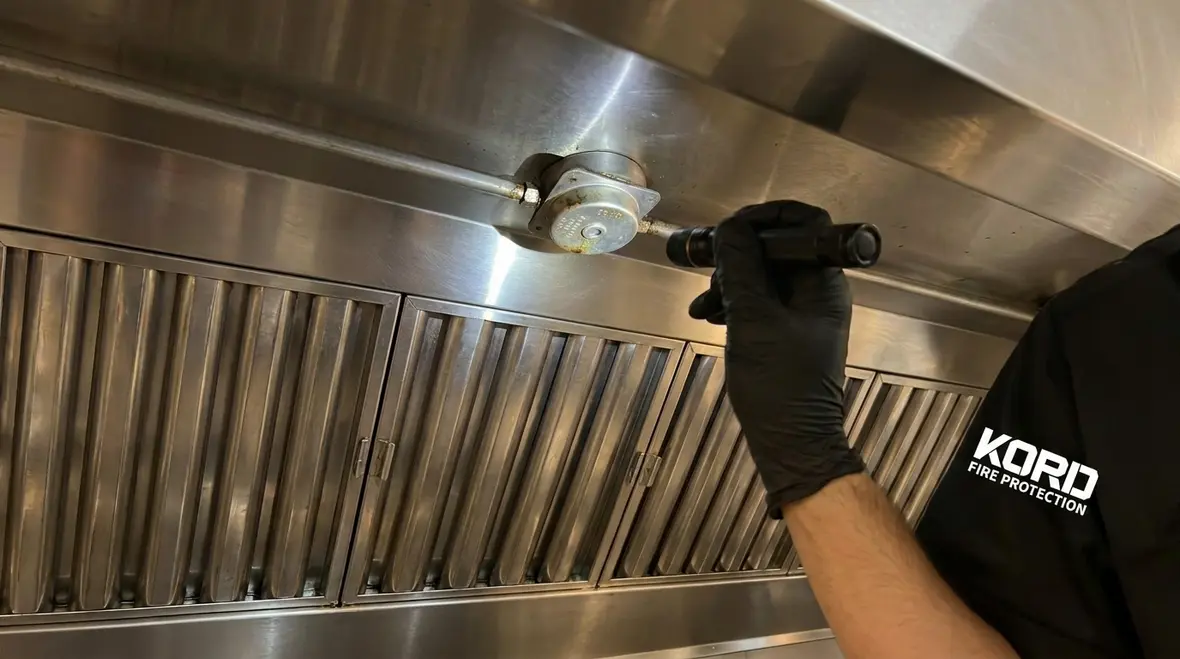
NFPA 17A 4.2 Heat Detectors and Fusible Link Ratings: What to Specify, Verify, and Maintain
Quick Answer: NFPA 17A 4.2 requires heat detection components in wet chemical systems to meet specified performance and rating requirements, including fusible link temperature ratings when fusible link detectors are used. Facilities must verify labeled ratings, compatibility with the system design, and maintain them through inspections and scheduled replacement.
For commercial kitchens, industrial cooking processes, and retail food service spaces, heat detector performance directly influences how quickly and reliably a wet chemical system responds. When NFPA 17A 4.2 is applied to system design and ongoing maintenance, the “fusible link temperature rating” becomes more than a label. It becomes a critical compliance checkpoint that impacts acceptance testing, inspection readiness, and real world activation reliability.
For broader wet chemical system design context, commercial teams often review NFPA 17A wet chemical extinguishing system guidance alongside detector-specific compliance items so the full protection strategy makes sense from the hood to the discharge sequence.
Why NFPA 17A Treats Heat Detector Ratings as a System Control Point
Under NFPA 17A, heat detection components participate in a fire suppression chain that must perform as designed. A wet chemical system does not operate in isolation. It relies on detection to initiate agent discharge promptly and prevent conditions from deteriorating before suppression begins.
That design intent drives the practical compliance approach to detector ratings: the system designer selects a detector type and a rating that matches the hazard characteristics, ambient conditions, and response time expectations. NFPA 17A 4.2 focuses on ensuring the heat detection method and its critical parameters, including fusible link temperature ratings where applicable, align with the installation requirements.
In practice, commercial facilities often struggle with three recurring points:
- Documentation gaps where detector labels, data sheets, and as built plans do not match.
- Installation environment drift caused by later renovations, HVAC changes, or new equipment heat loads.
- Maintenance delays where detectors are not visually inspected, cleaned, or replaced on time, reducing reliability.
These challenges become harder to resolve during compliance inspections. A proactive verification program makes acceptance testing smoother and reduces downtime risk.
What “Fusible Link Heat Detector Temperature Rating” Means in Real Installations
The NFPA 17A fusible link heat detector temperature rating identifies the activation threshold of the fusible element. When exposed to sufficient heat, the fusible link releases, enabling the detector to actuate and send the signal that initiates system discharge.
From a trade standpoint, this rating must be evaluated against the installed conditions. The rating interacts with factors such as:
- Ceiling and ambient temperature profiles including stratification above cooking equipment.
- Airflow patterns from exhaust hoods, make up air units, and seasonal changes.
- Obstructions like ductwork, soffits, or relocated light fixtures that alter heat transfer to the detector.
- Co located heat sources such as fryers, ovens, salamanders, and duct mounted grease filters.
Overly low fusible link ratings can create an increased risk of nuisance operation. Excessively high ratings can delay activation and reduce suppression effectiveness. NFPA 17A 4.2 requires that the system’s detection method and its rating are suitable for the application as designed.
NFPA 17A 4.2 Compliance: Where Inspectors Expect Proof
Inspectors typically validate compliance using a combination of labeled component evidence, system design documentation, and inspection results. The “proof package” should connect the dots between the detector specification and the actual installed configuration.
1) Verify detector identity and labeled temperature rating
Technicians should confirm each detector’s manufacturer identification and temperature rating markings. Photos taken during inspection are helpful for maintaining traceability, especially in facilities with multiple kitchen zones.
2) Confirm location and spacing match design intent
Detector placement drives how quickly heat reaches the fusible element. If detectors are moved, partially obstructed, or replaced with different models, the operational behavior changes. Even when the fusible link temperature rating matches, improper location can degrade response time.
3) Check compatibility with the wet chemical system initiation scheme
Fusible link detectors must fit the system’s initiating circuit and control scheme. Technicians should verify that replacing detectors uses listed compatible components and correct connection methods, not ad hoc substitutions.
4) Address maintenance and impairment risks
Dust, grease contamination, paint overspray, and physical damage can affect detector integrity and visibility for inspection. Where detectors require protective procedures, maintenance personnel should follow a cleaning and inspection routine aligned with manufacturer guidance and commercial facility access requirements.
Common Failure Points With Fusible Link Detectors (and How to Prevent Them)
Fusible link detectors are simple in concept, but system performance can still fail at the interfaces: component selection, installation conditions, and upkeep. Commercial operations typically encounter these issues:
Nuisance operation from high ambient heat or airflow changes
Restaurants and industrial kitchens sometimes alter exhaust operation, add replacement hoods, or run different cooking patterns. These changes can shift ceiling heat and cause earlier than expected activation. Prevention starts with re verification after operational changes and documented inspection findings.
Delayed activation from incorrect replacement or incorrect location
A frequent real world problem is a replacement detector that looks similar but uses a different activation temperature rating or different thermal response characteristics. Another is detectors installed in a modified ceiling cavity that blocks heat transfer. Prevent this by using the original model or a verified equivalent and maintaining as built drawings.
Grease and contamination affecting inspection and reliability
Grease accumulation can interfere with visual inspection and can contribute to corrosion or residue build up. Facilities should include detector areas in routine housekeeping schedules and follow a documented inspection checklist.
Missing records and inconsistent tag control
When facilities cannot produce detector identity records during inspections, compliance becomes harder and longer. Kord Fire Protection supports commercial facilities by aligning documentation, inspection notes, and equipment traceability with ongoing maintenance programs.
How to Build a Practical Maintenance and Testing Plan Around NFPA 17A 4.2
Compliance succeeds when it becomes repeatable. A robust maintenance plan for wet chemical systems ties heat detection verification to the broader performance expectations of the system, including agent distribution and water supply reliability.
Inspection readiness checklist for fusible link rated detectors
- Confirm the fusible link temperature rating against labels and system records.
- Verify detector model compatibility with the initiating circuit and wet chemical control scheme.
- Inspect physical condition, cleanliness, and any signs of tampering or impact damage.
- Check that surrounding conditions have not changed since installation, including ceiling modifications and HVAC alterations.
Coordinate detection verification with other system health items
Heat detection triggers must align with overall system performance, including suppression components and water supply readiness. For pump related reliability concepts and maintenance context, facilities often review guidance such as fire pump maintenance guidance for buildings when building their water supply maintenance strategy and documentation approach.
For system design and installation awareness around wet chemical operation, commercial teams benefit from understanding supporting design considerations such as those described in Kord Fire Protection resources, including enhancing fire safety with NFPA 17A wet chemical extinguishing systems and broader system overview at fire suppression systems.
Service partnership advantage: Kord Fire Protection helps facilities keep detector ratings, placement records, and maintenance outcomes aligned so compliance inspections remain predictable. This includes scheduling, documentation control, and practical verification procedures that reflect real commercial operating conditions.
Frequently Asked Questions
Conclusion and Call to Action
NFPA 17A 4.2 treats heat detection performance as a critical link in wet chemical system reliability. The NFPA 17A fusible link heat detector temperature rating must match the documented design intent, remain correct at installation, and stay verified through ongoing inspections and scheduled maintenance. Kord Fire Protection can help commercial facilities build a repeatable verification program, control documentation, and maintain system performance through compliance ready service. Contact Kord Fire Protection to review your detector records and maintenance plan.

Join Our Newsletter!
Get the latest fire safety tips delivered straight to your inbox From our Newsletter.



