
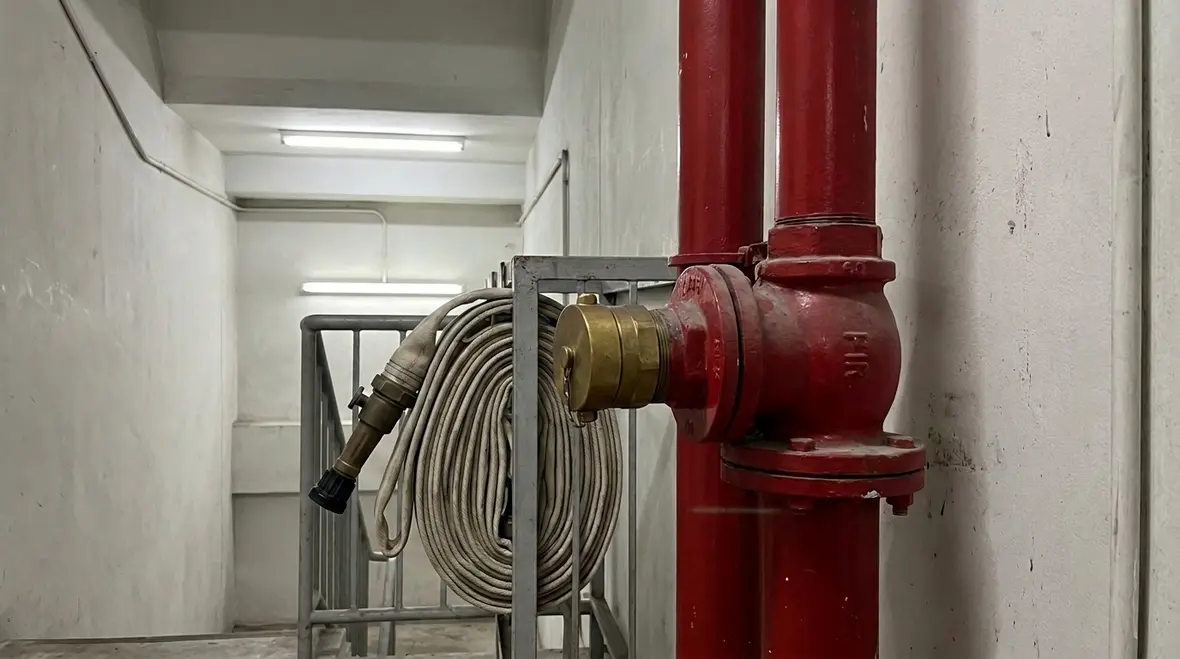
NFPA 14 Section 1.2: The Purpose Behind Standpipe and Hose System Installation Rules
Quick Answer
The purpose of NFPA 14 standpipe hose installation rules is to ensure water reaches the right location with the right pressure, flow, and reliability during an emergency. Section 1.2 frames the “why” behind design, placement, materials, and maintenance so systems perform when fire conditions demand it.
For facilities reviewing system condition or planning upgrades, Kord Fire Protection’s standpipe systems service is a practical next step for inspection, maintenance, and installation support.
Why NFPA 14 treats standpipes and hose systems as life safety equipment
NFPA 14 Section 1.2 establishes the intent behind the installation requirements for standpipe and hose systems in buildings and facilities. The rules are not “paper compliance.” They translate into operational performance for occupants and responding personnel when fire grows rapidly, visibility drops, and water supply dynamics change.
From a practical standpoint, the purpose of NFPA 14 standpipe hose installation is to create a dependable method of delivering water from the building’s piping system to the fire floor or hazard area with enough residual pressure to make hose streams effective.
What Section 1.2 is trying to prevent
Commercial facilities often assume that “having a standpipe connection” is sufficient. NFPA 14’s installation rules exist to prevent predictable failure modes that show up during inspections, drills, and actual incidents.
1) Ineffective discharge due to poor hydraulic performance
Standpipe systems must be able to deliver required flow and pressure at the most remote hose outlet during firefighting operations. Common issues include undersized piping, improper elevations, excessive friction losses from fittings, or routing changes that were never revalidated.
2) Nonfunctional connections when time matters most
Even when piping is present, hose deployment can fail if outlets are obstructed, hose cabinets are damaged, or devices are installed in a way that discourages quick use. Section 1.2 intent supports the placement and configuration choices that reduce response friction.
3) Deteriorated components that no longer meet design conditions
Standpipe readiness degrades over time. Threads corrode. Gaskets harden. Valves may seize from lack of operation. Hose can lose flexibility or suffer coating damage. Without maintenance, the installed configuration no longer matches the engineered performance.
4) Inconsistent system behavior due to uncontrolled modifications
Commercial tenant improvements, ceiling changes, and remodels frequently affect standpipe runs and hose access. Without a change control process, a “small” relocation can create a significant hydraulic or operational mismatch.
How the installation rules translate into real fireground operation
To understand the purpose behind the rules, the safest approach is to map each requirement to the mechanics of water delivery and use. NFPA 14 Section 1.2 supports installation choices that make the system behave reliably under stress.
Standpipe performance: the water delivery problem
A standpipe system supports firefighters by providing a pressurized water supply that can be tapped via hose connections. The installation must account for:
- Distance and elevation to the likely discharge points
- Friction losses created by pipe material, internal roughness, and fittings
- Flow and pressure requirements compatible with hose and nozzle operation
- Valve placement and reliability so that the system can be opened and controlled promptly
Hose system readiness: the human factors problem
A hose system also has to be usable by people under conditions that reduce dexterity and situational awareness. Installation rules and access requirements support fast recognition and reduced handling time, including cabinet or outlet accessibility, proper hose storage, and alignment of connection standards.
Maintenance: the long term performance problem
Even a correct installation can fail in years if inspection and maintenance stop short. The rules are grounded in the expectation of ongoing readiness through testing, operational checks, and replacement cycles. This includes verifying that valves operate freely, connections seal correctly, and hoses remain in serviceable condition.
Common compliance challenges in commercial facilities
Facilities across retail, industrial, and commercial office environments encounter similar operational pressures: high throughput, remodel frequency, and varying tenant coordination. These conditions create installation and maintenance gaps that directly conflict with the intent of Section 1.2.
Obstructed access and “almost accessible” outlets
Standpipe and hose outlets can be difficult to reach due to stored materials, temporary partitions, ductwork, or later-added finishes. Even if signage exists, physical access delays can defeat the designed purpose of the system.
Uncontrolled modifications during renovations
Changes to ceilings, wall openings, pipe routing, and equipment placement can shift discharge locations and change hydraulics. The system may still look intact while no longer performing to the original design assumptions.
Maintenance drift and deferred testing
When maintenance becomes reactive rather than scheduled, small failures grow: stuck valves, damaged hoses, and missing components. Over time, the likelihood of “discovering” a failure during an incident increases dramatically.
Documentation gaps
Commercial property teams often need proof of installed configuration, inspection history, test results, and corrective actions. Without clear records aligned to NFPA 14 expectations, it becomes harder to verify readiness and defend compliance during audits.
How Kord Fire Protection supports the intent of Section 1.2
NFPA 14’s installation rules depend on both correct design and consistent readiness over the life of the building. Kord Fire Protection helps commercial owners and facilities maintain that performance by aligning workmanship, documentation, and maintenance activities with the operational purpose behind the standard.
For a deeper overview of how standpipe and hose systems reduce fire hazards and support firefighting operations, reference this resource: NFPA 14 safeguarding against fire hazards with standpipe and hose systems.
Practical service focus for compliance and readiness
- Review and verification of installed configurations against required functional outcomes
- Inspection and maintenance workflows that address common deterioration points
- Corrective action planning to restore valves, hoses, connections, and accessibility
- Change management support for remodels and tenant improvements that affect piping or access
Frequently Asked Questions
Conclusion and call to action
NFPA 14 Section 1.2 turns standpipe and hose installation from a checklist into a performance requirement: reliable water delivery, rapid usability, and maintained readiness. If your facility includes standpipes, hose outlets, or planning for renovations, schedule a compliance focused review and maintenance verification with Kord Fire Protection. Acting proactively reduces downtime, improves inspection outcomes, and strengthens real incident performance.

Join Our Newsletter!
Get the latest fire safety tips delivered straight to your inbox From our Newsletter.



