NFPA 1 Section 2.3 ASTM and ICC Fire Code References
Quick Answer
NFPA 1 Section 2.3 tells fire code users when non NFPA publications can support compliance. In practice, this means ASTM fire code standards and ICC fire code references can help fill gaps, guide materials, and support inspections. For industrial, retail, and commercial sites across Australia, Kord Fire Protection can help turn those references into clear, workable fire safety action. If your team needs broader support beyond document review, Australia fire protection for compliance and readiness fits naturally into that bigger picture.
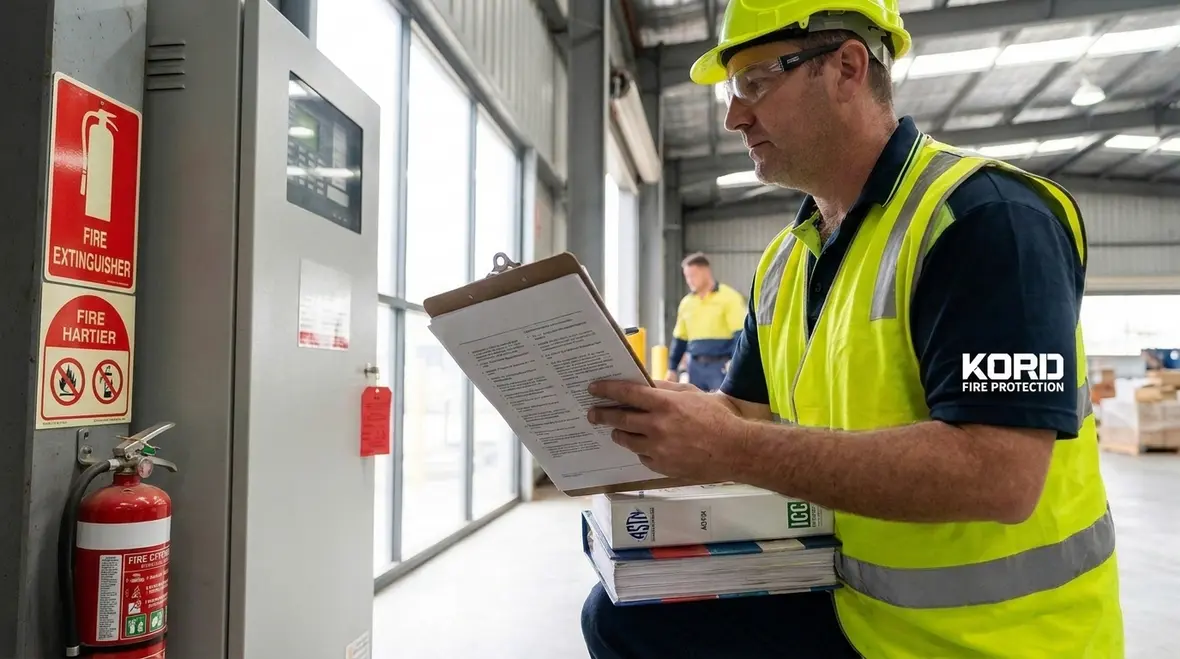
NFPA 1 Section 2.3 in plain English
NFPA 1 Section 2.3 deals with non NFPA publications in fire code use. In simple terms, it points users to outside documents that may support the fire code when the main code does not spell out every detail. That matters because real sites are messy. A warehouse, a retail complex, and a plant floor do not look like neat textbook examples. They have mixed systems, older assets, changing layouts, and the occasional “temporary” storage pile that seems to have moved in forever.
Because of that, fire safety teams often rely on ASTM fire code standards, ICC fire code references, and other accepted documents to support design, testing, and site decisions. These references do not replace good judgment. Instead, they help make decisions more consistent, more defensible, and easier to explain during audits, reviews, and inspections.
Why this section matters more than it first appears
A lot of people read a code section like this and think, “Fine, more references, more paperwork, more binders no one opens until audit week.” Fair reaction. Yet Section 2.3 matters because it quietly explains how code users bridge the gap between broad requirements and the messy details of actual materials, assemblies, and site conditions. It is less about adding noise and more about giving teams a legitimate way to support decisions when the main code cannot possibly list every test method, performance benchmark, or construction scenario on earth.
Why non NFPA references matter on site
Fire code rules work best when they connect to real conditions. That is where non NFPA documents earn their keep. They can guide product testing, material performance, installation methods, and inspection steps. As a result, facility teams gain a stronger basis for choosing equipment and documenting compliance.
For industrial and commercial facilities across Australia, this is especially useful when projects involve imported products, mixed standards, or cross border supply chains. A business may have one part of the building designed to one standard and another part managed under different local rules. Therefore, teams need a clear map. Non NFPA references help provide that map, or at least the bits that stop everyone from wandering into the fire safety version of a spaghetti western.
Also, these references can reduce guesswork. When a standard explains how a product should perform, the site team can compare it against actual use. That means fewer surprises, fewer delays, and fewer “we assumed it would be fine” moments, which tend to age badly.
What they help teams do in practical terms
Support product and material decisions with recognized methods
Make inspection findings easier to explain and defend
Reduce confusion when multiple systems or suppliers are involved
Create clearer records for audits, insurers, and management review
Where ASTM fire code standards fit in daily compliance
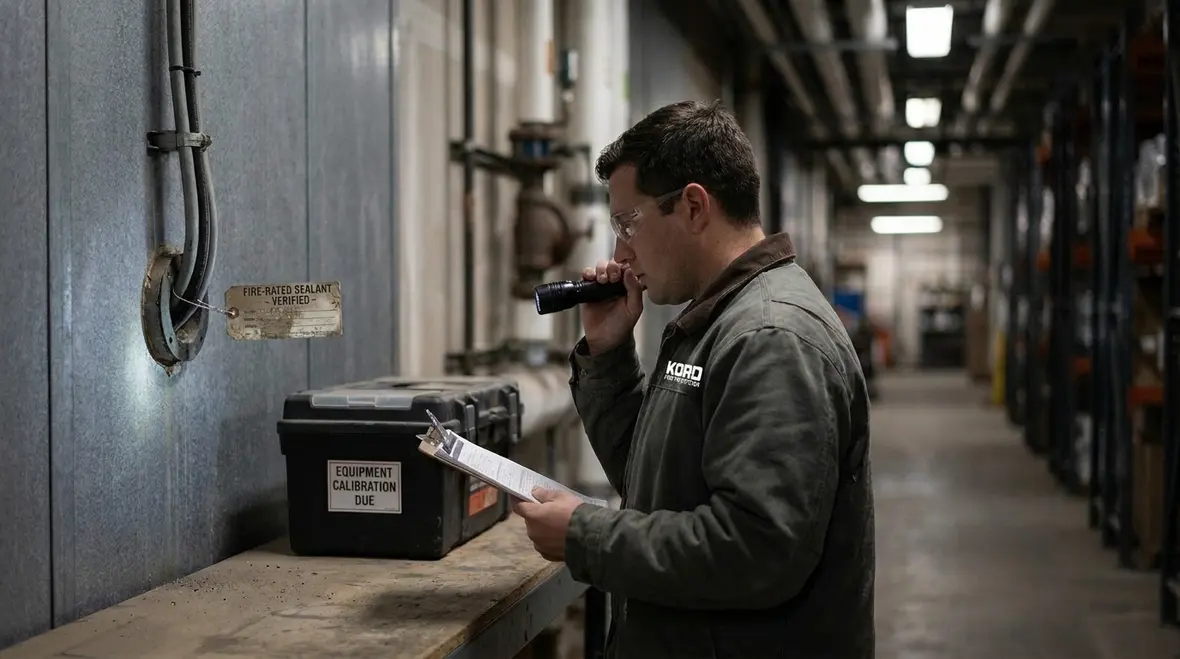
ASTM fire code standards often support material testing, fire resistance checks, and product performance reviews. They matter when a facility needs evidence that a finish, barrier, seal, or component can stand up to heat, flame, or smoke conditions. In other words, ASTM documents help move the conversation from opinion to proof.
For example, a warehouse operator may need to assess wall lining, cable penetration systems, or protective coatings. An ASTM based method can help verify how that product behaves in a fire related test. Then the site team can compare that result with the building’s risk profile and compliance needs.
Common ways ASTM references support fire code work include:
Checking fire resistance of materials and assemblies
Supporting product selection for critical zones
Backing up maintenance and replacement decisions
Helping teams document evidence for audits
Why ASTM references are useful even for non engineers
You do not need to be a laboratory specialist to get value from ASTM references. Facility managers, operations leaders, and compliance teams use them because they create a shared basis for asking simple but important questions. Was this product tested in a relevant way. Does this assembly match the conditions on site. Are we replacing like for like, or are we creating a new risk while trying to solve an old one. Those questions become easier to answer when the conversation is tied to recognized methods instead of gut feel and crossed fingers.
How ICC fire code references support commercial facilities
ICC fire code references often help with construction, building use, and occupancy related decisions. They are useful when a site needs guidance on layout, access, protection, or separation rules. Since commercial sites change over time, these references can help keep the fire strategy aligned with the building’s current use.
That matters in retail and industrial settings where stock levels shift, tenancy changes, or machinery gets added. If a change affects exits, fire loads, or system access, the team needs a reference point. ICC based documents can support that review, especially when paired with local Australian requirements and site specific risk checks.
Furthermore, these references help teams talk the same language. Engineers, facility managers, contractors, and auditors may all look at the same issue from different angles. However, when they use shared reference material, the discussion stays focused. That saves time and lowers the chance of everyone arguing over the same door, duct, or detector like it is the final scene of a courtroom drama.
Typical commercial triggers for a reference check
Tenancy changes that alter occupancy or fire load
Storage changes that affect access, separation, or egress
Equipment additions that change heat, ignition, or smoke risk
Refits that unintentionally interfere with detection or suppression coverage
How Kord Fire Protection becomes a vital partner
Kord Fire Protection can become a vital partner because references alone do not solve problems. They need practical action. Kord can help translate code references into site work, inspection plans, maintenance tasks, and upgrade paths that fit industrial, retail, and commercial sites across Australia.
More importantly, Kord can support teams that need clear advice when a fire code issue involves more than one standard. A facility may need non NFPA fire code references, ASTM testing support, and ICC related guidance all at once. In that case, Kord can help sort the pieces, identify what applies, and build a plan that matches the site’s actual risk. For readers wanting a broader code context, NFPA 1: A Comprehensive Guide to Fire Prevention and Safety is a useful companion read.
Two column view for practical value
Compliance need
Reference review
System checks
Upgrade planning
Audit support
How Kord helps
Confirms which documents matter for the site
Inspects protection equipment and related assets
Recommends practical steps that fit operations
Helps keep records clear and ready for review
As a result, businesses get more than a checklist. They get a partner who can help keep safety work realistic, ordered, and easier to manage.
What a strong compliance process looks like
A strong process starts with a site review. Then the team identifies which fire code references apply, checks the condition of current systems, and compares the building’s use against the code guidance. After that, they close gaps through maintenance, replacement, or design changes.
Next, the team should document everything. Good records help during audits, insurer reviews, and internal checks. They also help new managers understand what was done and why. Therefore, compliance becomes easier to maintain over time instead of turning into a last minute scramble before someone important walks through the door.
Key steps usually include:
Reviewing the site’s current fire risk
Confirming relevant non NFPA publications
Checking system condition and access
Updating maintenance and inspection records
Acting on gaps before they grow
Why documentation keeps paying off
Documentation is not glamorous, but it is often the difference between a manageable review and a long, awkward meeting full of shrugging. Clear records show what reference was used, what condition was found, what action was taken, and when follow up is due. They protect continuity when staff change, they give auditors a cleaner trail to follow, and they make it much harder for important tasks to vanish into the mystical void marked “someone was meant to handle that.”
FAQ
Conclusion and next step
NFPA 1 Section 2.3 shows that good fire safety often depends on more than one source. For Australian industrial, retail, and commercial sites, the right mix of references and practical support matters. Kord Fire Protection can help turn that mix into clear action, stronger compliance, and safer operations.
When the rules get complex, a steady partner makes all the difference. Contact Kord Fire Protection to move from code confusion to a clear plan. The goal is not to collect more standards for the shelf. The goal is to make the site safer, the process clearer, and the next inspection a lot less dramatic.

Join Our Newsletter!
Get the latest fire safety tips delivered straight to your inbox From our Newsletter.