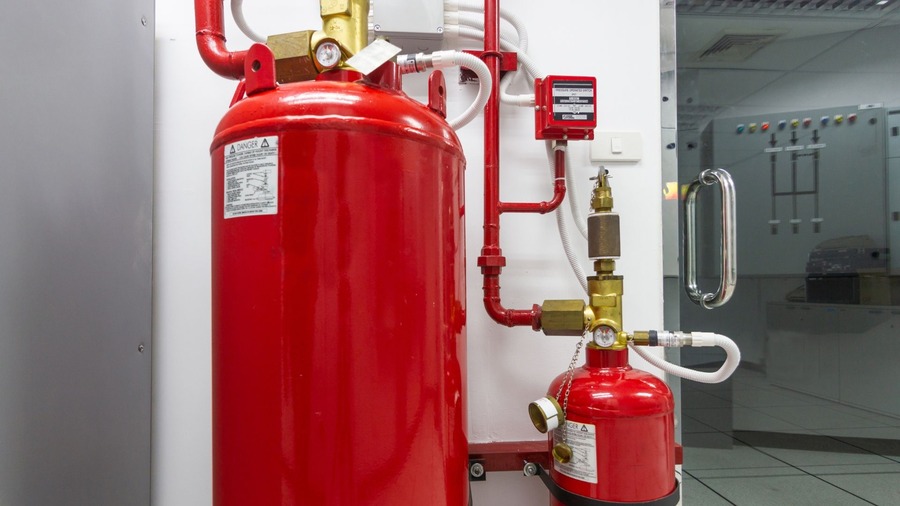
NFPA 16 Section 9.1 Foam Water Sprinkler ITM Maintenance
Quick Answer: NFPA 16 Section 9.1 sets the baseline for inspecting, testing, and maintaining foam water sprinkler systems so they work when heat, fuel, and pressure all show up at the worst possible time. For industrial, retail, and commercial sites, disciplined NFPA 16 inspection testing maintenance helps reduce risk, support compliance, and keep fire suppression system maintenance on track. Kord Fire Protection can be a vital partner in that process.
For facilities that store, process, or move flammable products, NFPA 16 inspection testing maintenance, foam water sprinkler ITM, and fire suppression system maintenance are not box ticking chores. They are the quiet habits that keep a site ready when conditions turn ugly. NFPA 16 Section 9.1 focuses on inspection, testing, and maintenance so foam water sprinkler systems stay reliable, functional, and ready for use. In practice, that means more than a quick glance and a hopeful nod. It means a structured routine that keeps the system honest. And yes, the system does not care how busy the site gets on a Monday.
Near the top of the conversation, it also makes sense to connect this standard focused discussion with practical support on the ground. Kord Fire Protection’s foam fire suppression systems service is a natural fit for facilities that need inspection, testing, maintenance, and corrective work handled by a team that works with these hazards every day. That service level context matters because standards tell you what needs attention, while experienced field support helps make sure the attention actually happens. ([kordfire.com](https://kordfire.com/foam-fire-suppression-system-maintenance-and-testing/?utm_source=openai))
What NFPA 16 Section 9.1 Means for Site Teams
NFPA 16 Section 9.1 requires regular inspection, testing, and maintenance of foam water sprinkler systems to make sure every part performs as intended. This includes valves, nozzles, piping, foam concentrate supply, alarms, and the control equipment that brings the whole setup to life. As a result, site teams can spot faults early instead of discovering them during a fire event, which is a terrible time to meet surprises.
The practical meaning is simple enough, even if the work behind it is not. A foam system is only impressive when it actually discharges correctly, proportions correctly, and reaches the hazard area without some hidden issue quietly sabotaging the plan. That is why regular ITM is less about ceremony and more about proof. You are proving the system can still do its job, not merely trusting last year’s paperwork to carry the emotional burden. For facilities trying to align day to day readiness with a recognized standard, Kord Fire Protection also provides a useful internal resource on the NFPA 16 standard, which helps frame why these maintenance expectations matter in the first place. ([kordfire.com](https://kordfire.com/foam-fire-suppression-system-maintenance-and-testing/?utm_source=openai))
How Foam Water Sprinkler ITM Works in Practice
Inspection, testing, and maintenance each do a different job
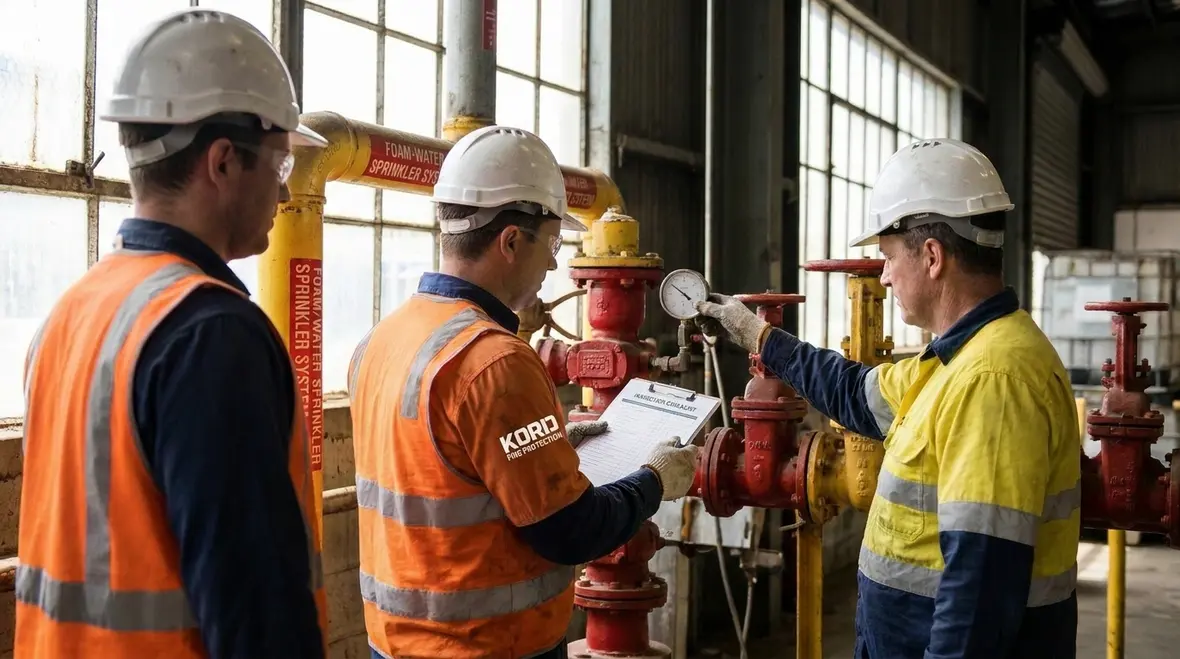
Foam water sprinkler ITM follows a simple idea with serious consequences. First, inspection checks for obvious defects, corrosion, blocked parts, missing labels, or physical damage. Then, testing confirms that the system can operate as designed. Finally, maintenance restores or replaces worn parts before failure arrives like a villain in a late season finale.
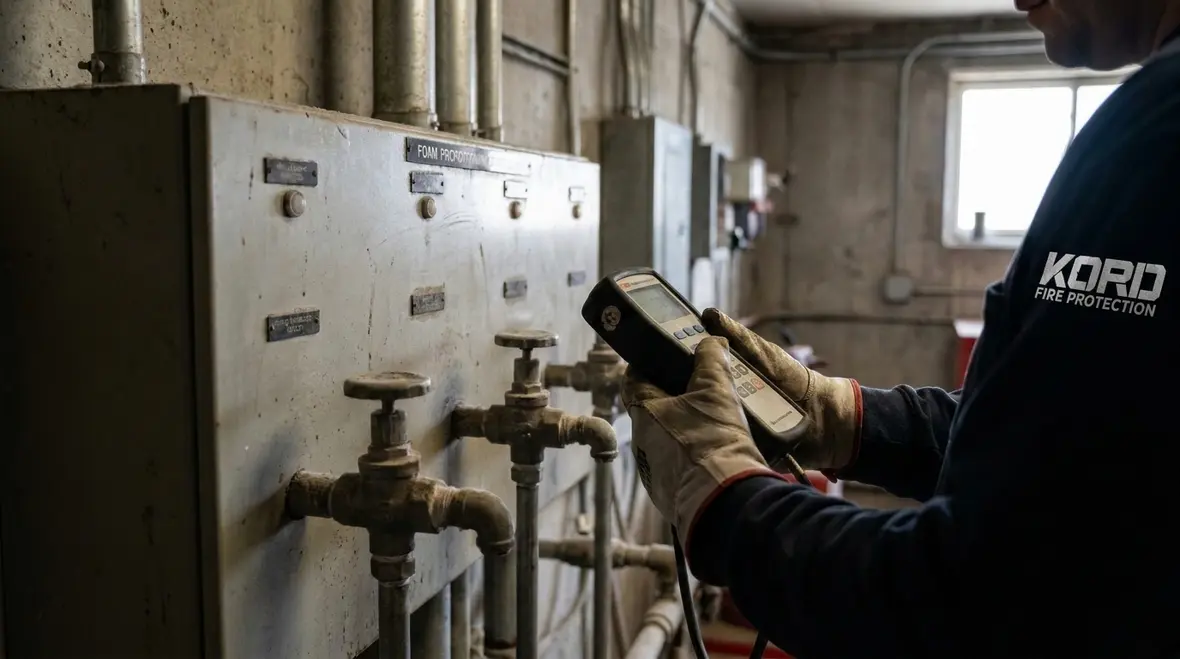
Technicians usually examine control valves, pressure settings, discharge devices, foam proportioning equipment, and the condition of the foam concentrate itself. In addition, they confirm that alarms and supervisory signals still function. If the foam solution has degraded or the concentrate has been stored badly, the system may still look fine while quietly losing performance. That is why a careful routine matters. Kord Fire Protection’s own foam maintenance content emphasizes inspection, testing, documentation, and the condition of the concentrate as essential parts of real system readiness rather than decorative duty. ([kordfire.com](https://kordfire.com/foam-fire-suppression-system-maintenance-and-testing/?utm_source=openai))
In real facilities, this work rarely happens in a perfect vacuum. Access may be tight. Production may be active. Shutdown windows may be short and painfully negotiated. A solid ITM routine accounts for those realities without lowering the standard. Good technicians know how to work methodically, document clearly, and flag anything that threatens performance before that issue graduates from “minor concern” to “why is everyone suddenly in the parking lot.”
What Facilities Should Check First
Each site should focus on the parts most likely to affect performance. In particular, teams should watch for:
- Closed or partially closed control valves
- Corrosion or leaks in piping and fittings
- Blocked or damaged sprinkler heads and nozzles
- Low or expired foam concentrate
- Faults in pumps, alarms, and detection interfaces
- Poor access around critical equipment
Moreover, facilities should confirm that records stay current. Good records help prove the system has been looked after, and they also help technicians spot patterns over time. For example, if a valve keeps showing signs of wear, that is not random bad luck. It is the system waving a tiny red flag and asking for help.
Another smart first step is to review whether the system’s support environment still matches its original purpose. Has the hazard changed. Has the storage arrangement shifted. Has access been blocked by equipment, stock, or the mysterious accumulation of “temporary” items that somehow become permanent. Those questions matter because even a technically functional system can be undermined by site changes that nobody formally captured. Kord Fire Protection’s broader service pages consistently tie inspections, repairs, maintenance, and corrective support together for that reason. ([kordfire.com](https://kordfire.com/local-fire-protection/?utm_source=openai))
Where Kord Fire Protection Adds Real Value
Kord Fire Protection can become a vital partner because NFPA 16 inspection testing maintenance works best when handled by people who know the system, the standard, and the site realities. Industrial and commercial facilities often juggle production, safety, compliance, and downtime pressure at the same time. That is where a skilled partner makes the process smoother and far less stressful.
With the right support, Kord Fire Protection can help plan inspection cycles, carry out testing with less disruption, identify faults early, and keep maintenance aligned with compliance needs. In addition, a trusted partner can help translate technical findings into plain language so managers know what matters now, what can wait, and what should never wait. That kind of clarity saves time and often saves money too.
That value is especially clear when a site does not just need a checklist completed, but needs the work coordinated with operations, documented properly, and followed by practical next steps. Kord Fire Protection’s foam suppression and fire suppression service pages both position the company around inspection, testing, repair, maintenance, and NFPA aligned support for commercial and industrial properties. In other words, the conversation does not end at “we found a problem.” It should continue through correction, verification, and documented readiness. ([kordfire.com](https://kordfire.com/foam-fire-suppression-system-maintenance-and-testing/?utm_source=openai))
Dual View: Compliance Needs and Operational Needs
Compliance side
NFPA 16 Section 9.1 supports documentation, traceability, and dependable performance. It helps prove the system has been checked by a proper routine and not by wishful thinking dressed as paperwork.
Operational side
The same routine helps protect production areas, warehouses, plant rooms, loading zones, and high risk spaces. Therefore, fire suppression system maintenance supports both safety goals and business continuity.
Together, those two views show why foam system care is more than regulation. It is part of good site management. And in busy environments, good management is the difference between control and chaos.
This is also why maintenance discussions should never be trapped in a compliance silo. Operations teams care about uptime. Safety teams care about risk reduction. Leadership cares about continuity, accountability, and avoiding ugly surprises. A disciplined ITM routine gives all three groups something useful, which is rare enough to be appreciated.
Why Facilities Need a Tight Maintenance Routine
Environment, use, and time all work against reliability
Industrial, retail, and commercial facilities face varied fire risks, different asset ages, and demanding operating conditions. Heat, dust, corrosion, and heavy use can all affect foam water sprinkler systems over time. As a result, a regular ITM schedule becomes essential rather than optional.
Furthermore, many sites run around the clock or operate in phases, which makes access and coordination important. A strong maintenance plan reduces the chance of missed checks and poor timing. It also helps teams prepare for audits, insurance reviews, and internal safety reports without the usual last minute scramble. Nobody enjoys that kind of theatre.
Kord Fire Protection’s maintenance focused foam content reinforces the same point from another angle: systems that handle flammable liquid hazards depend on the right mix, the right pressure, the right discharge pattern, and the right records. If any of those drift too far, the site may keep a false sense of security long after the system itself has started sending quiet warnings. ([kordfire.com](https://kordfire.com/foam-fire-suppression-system-maintenance-and-testing/?utm_source=openai))
What Good Service Looks Like
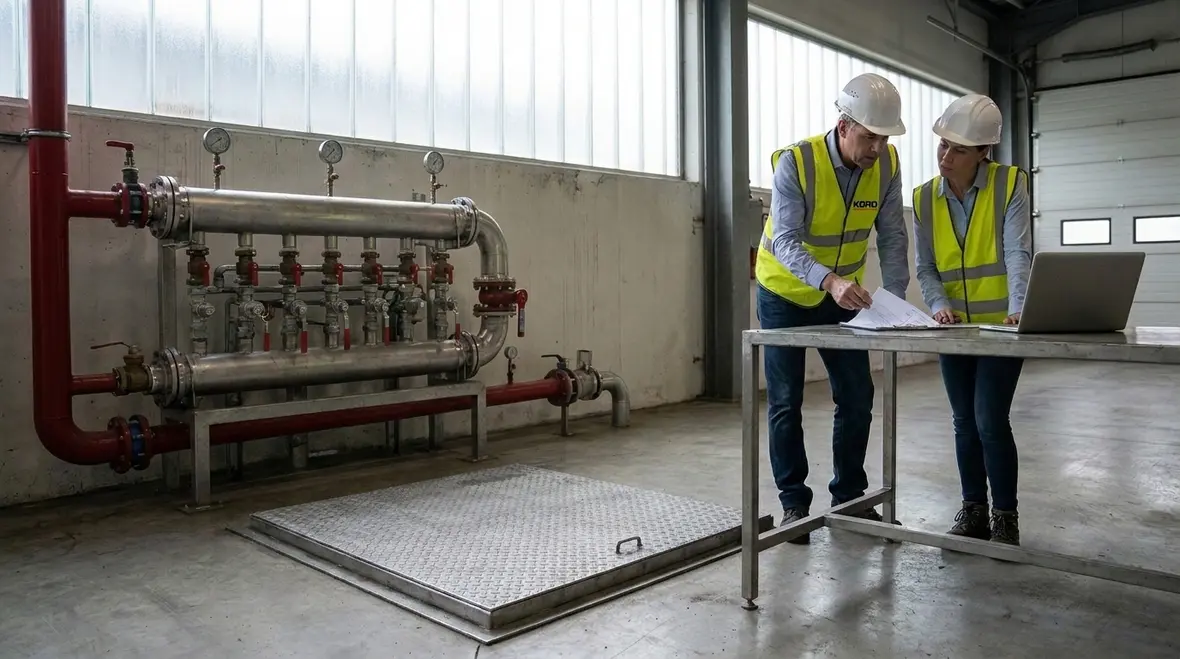
A strong service program should do more than inspect and leave. It should identify issues, explain findings clearly, and recommend practical next steps. It should also respect site conditions, lockout needs, and operational schedules. Most of all, it should make the system more dependable after every visit, not just more documented.
When a provider understands foam water sprinkler ITM in depth, the result is a safer site and a more confident team. That confidence matters, because fire protection is one of those things people only notice when it fails. And that is not a club anyone wants to join.
Good service also leaves a site with clarity. What passed. What needs monitoring. What needs repair now. What can be bundled into a later shutdown window without increasing risk. The best maintenance relationships are built on that kind of plain speaking. They reduce uncertainty, keep teams aligned, and prevent technical findings from getting lost in translation between technicians, managers, and decision makers.
FAQ
Keep the System Ready Before It Is Tested for Real
NFPA 16 inspection testing maintenance gives facilities a clear path to safer, more reliable fire protection. The goal is not dramatic. It is dependable. Keep the valves accessible, the concentrate fit for purpose, the devices unobstructed, the records current, and the testing routine disciplined. That is how sites stay ready before conditions get loud, hot, and expensive.
For businesses that need a capable partner, Kord Fire Protection can help keep foam water sprinkler systems in shape, reduce downtime, and support compliance with less stress. When the job needs done right, the smart move is simple: keep the system ready before the fire makes the call.

Join Our Newsletter!
Get the latest fire safety tips delivered straight to your inbox From our Newsletter.