NFPA 1 Section 3.1 Definitions for Fire Code Compliance
Quick Answer: NFPA 1 Section 3.1 sets the plain meaning behind fire code terms so teams can apply the rules the same way every time. For industrial, retail, and commercial sites, that shared language helps reduce risk, support inspections, and keep fire protection work clear, fast, and compliant.
If your team is already working with full fire protection services, understanding the language inside the code makes every inspection, repair note, and compliance decision a lot easier to manage. NFPA 1 Section 3.1 may sound like the dull cousin at the family reunion, yet it does the heavy lifting. It defines the fire code glossary terms, fire protection terminology, and the basic language that shapes how people read, inspect, and apply the code. In busy facilities, that matters more than a Monday morning coffee. When teams share the same meaning for words like alarm, approved, authority having jurisdiction, and hazard, they make fewer mistakes and move faster. That is where clear code knowledge and practical fire protection support start to work together.
This is also why broader code references matter. A related resource like NFPA 1: A Comprehensive Guide to Fire Prevention and Safety helps place Section 3.1 in context, but the definitions themselves are where consistency begins. Once the terms are understood, everything else in the code stops feeling like a puzzle written by someone who enjoys confusing people for sport.
What NFPA 1 Section 3.1 Means in Fire Code Work
Section 3.1 gives the general definitions used across NFPA 1. These are not fancy extras. Instead, they are the base layer for the whole fire code. Because of that, they help everyone read the same rule set without guessing what each word means. In commercial and industrial sites, that is a big deal. One misunderstood term can slow down maintenance, delay an audit, or create a gap in safety planning. Nobody wants a fire safety plan built on “close enough.” That is how trouble sneaks in wearing a fake mustache.
The practical value shows up fast. Definitions guide how reports are written, how deficiencies are described, and how site leaders decide what needs urgent action versus what can be scheduled. Without that structure, two competent people can read the same requirement and walk away with totally different interpretations. That is not a recipe for smooth compliance. That is a recipe for emails, meetings, and a surprise headache at 4:47 p.m.
Why shared definitions prevent avoidable mistakes
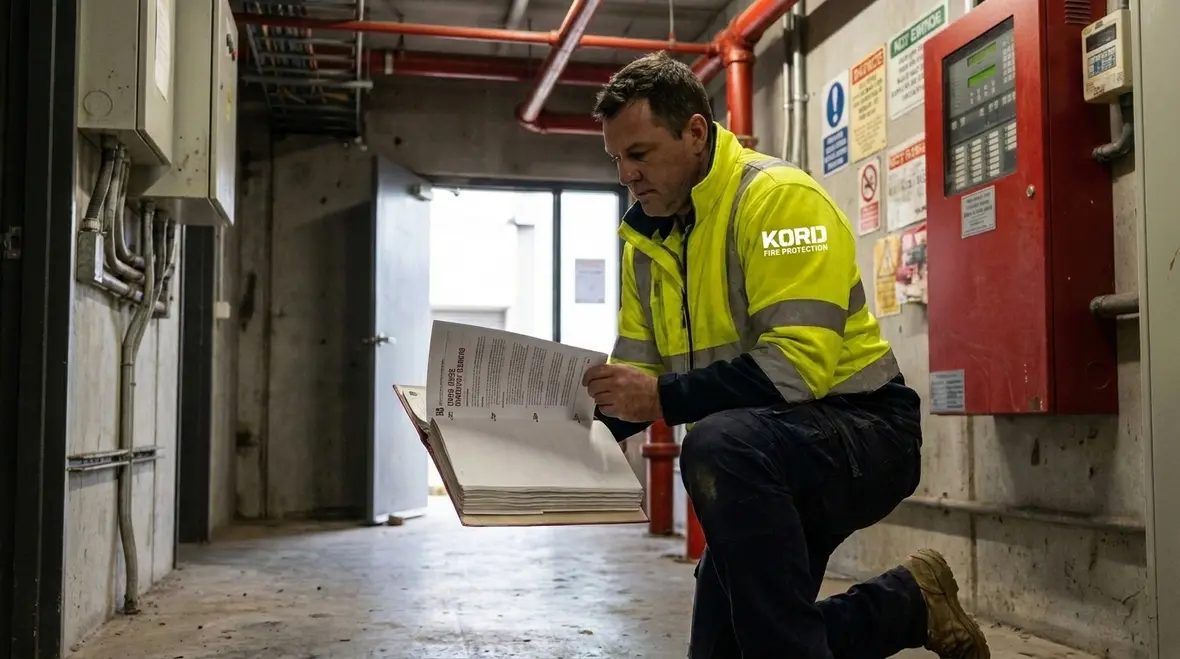
When a technician, manager, contractor, and inspector all use the same definitions, the job moves cleaner from start to finish. Service notes become easier to follow. Quotes become easier to justify. Corrective actions become easier to prioritize. A simple term can carry operational consequences, and Section 3.1 helps keep that meaning stable across teams and tasks.
Why Fire Code Glossary Terms Matter on Site
Glossary terms may look simple, yet they shape how people act. For example, the difference between tested, listed, and approved can decide whether a piece of equipment stays in service or gets replaced. Likewise, terms tied to occupancy, access, protection systems, and emergency planning affect how a facility prepares for real risk.
Here is where many operations stumble. Teams often assume a word means the same thing across every document. However, code language is exact for a reason. It keeps inspectors, fire technicians, and duty holders on the same page. Therefore, a clear grasp of NFPA 1 definitions helps support safer choices in warehouses, logistics hubs, shopping centers, manufacturing plants, and large service facilities.
On a real site, this affects more than paperwork. It can change whether a maintenance item is treated as a routine adjustment or a code-related issue. It can affect whether access is considered acceptable. It can shape how emergency equipment is documented and how follow-up work is scheduled. Tiny words, big consequences. Fire code vocabulary really knows how to make itself important.
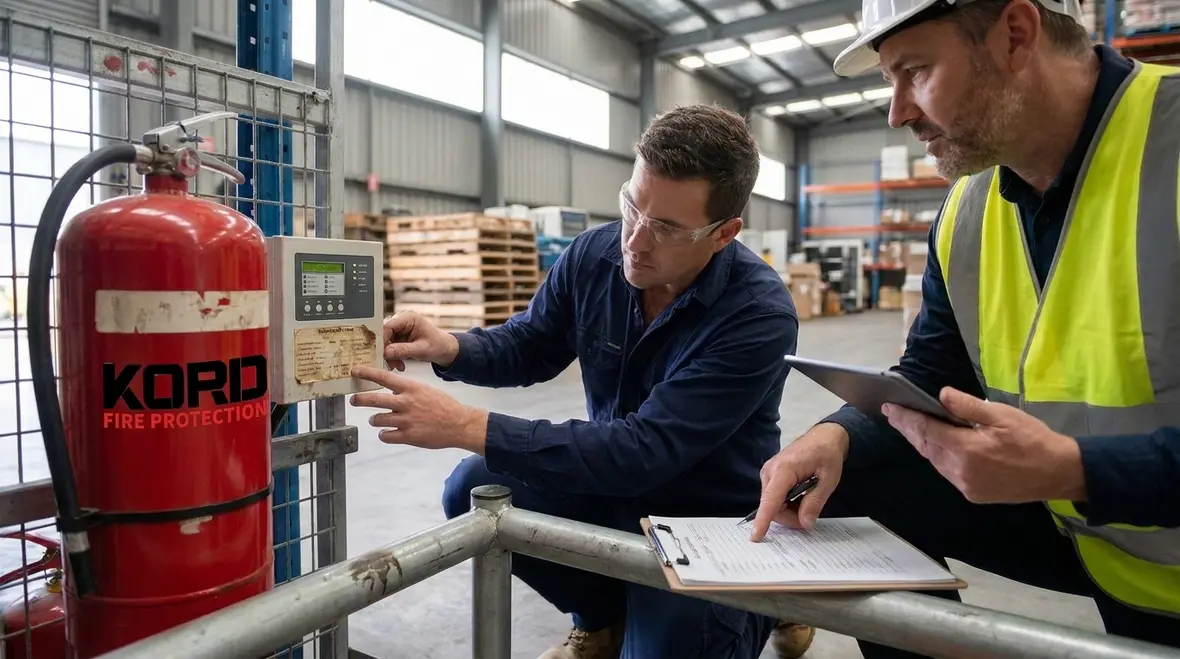
Terms that frequently influence site decisions
- Approved equipment and methods
- Listed devices and assemblies
- Occupancy related definitions
- Hazard classifications
- Access and egress language
- Status descriptions used in inspection and maintenance reports
Once teams understand these categories properly, site coordination improves. People spend less time debating terminology and more time fixing what needs fixing. That is usually a better use of everyone’s day.
How Definitions Shape Fire Protection Terminology
Fire protection terminology is more than paperwork language. It drives inspection reports, asset registers, maintenance schedules, and compliance notes. When a definition is clear, the entire process gets cleaner. For instance, if a system component has a defined status, technicians can note defects with less confusion and owners can act sooner.
Also, clear terminology helps teams separate routine maintenance from code related corrective action. That distinction saves time and money. It also improves trust between site teams and fire service partners. In a world where every minute counts, clarity beats chaos. Even Batman would approve, and he is famously strict about equipment readiness.
Good terminology also improves long-term recordkeeping. Over months and years, service history becomes easier to trace when the same words are used the same way each time. That helps with audits, budgeting, recurring defect analysis, and training for new personnel who need to understand a facility’s fire protection program without decoding a mystery novel first.
How Kord Fire Protection Can Support NFPA 1 Compliance
Kord Fire Protection can become a vital partner by turning code language into practical action. Rather than leaving teams to decode technical terms alone, the right partner can help interpret requirements, guide inspections, and support fire protection plans that match site needs. That matters across industrial yards, retail centers, warehouses, and commercial buildings where risk can shift from one area to the next.
- Fire code reviews and term interpretation
- Inspection support for active systems and safety equipment
- Maintenance planning based on defined code language
- Defect reporting that uses clear fire protection terminology
- Coordination with site managers and contractors
Because of that, the service becomes more than a checklist. It becomes a working partnership that helps keep people, assets, and operations protected. Kord Fire Protection’s broader approach to inspections, testing, maintenance, and code-focused support makes this kind of interpretation useful in the field, not just nice sounding in a meeting.
That practical support matters most when facilities are juggling multiple priorities at once. A site may be balancing production schedules, contractor access, tenant expectations, and internal safety reviews all at the same time. Having a fire protection partner that can translate code language into a clear action plan helps reduce friction and keeps decisions grounded in something better than guesswork.
Dual Columns: Definitions on One Side, Site Impact on the Other
Column 1: NFPA 1 definition focus
General definitions set the meaning of core terms used throughout the fire code. They reduce guesswork and create a stable base for compliance decisions. They also make it easier to compare findings across inspections, service calls, and internal reviews.
Column 2: What it means for facilities
Teams gain clearer inspections, better reporting, faster decisions, and fewer delays when action is needed. That helps protect operations and avoid expensive surprises while improving communication between managers, technicians, and contractors.
This simple split shows the real value. Definitions are not just words on a page. They are the bridge between code and action. Without that bridge, even a strong safety program can wobble like a shopping trolley with one bad wheel.
How Industrial and Commercial Sites Use These Definitions
Industrial and commercial facilities use NFPA 1 definitions to support everyday fire safety tasks. For example, maintenance teams rely on exact terms when logging system faults. Safety managers use them when reviewing emergency access, storage limits, or fire protection coverage. Meanwhile, contractors use them to understand what work the site requires and what standard applies.
Retail and multi site operators also benefit because consistent definitions make it easier to compare sites, standardize reporting, and train staff. As a result, the business gains a steadier compliance process across multiple locations. That is especially useful when the same group manages diverse sites with different layouts, loads, and risk levels.
Definitions also support smoother onboarding. New technicians, facility coordinators, and safety staff can understand expectations faster when the core language is consistent. That reduces handover problems and lowers the risk of someone making a poor call simply because the terminology was vague.
Why Clear Terms Improve Inspections and Audits
Inspections move better when everyone speaks the same code language. Clear terms help technicians identify issues, record findings, and recommend fixes in a way that site leaders can act on quickly. They also help auditors follow the logic of the fire protection program without long explanations or avoidable back and forth.
Moreover, strong definitions reduce the chance of mix ups during busy periods. In facilities with shifting shifts, high foot traffic, or complex plant equipment, that can prevent small issues from becoming larger ones. A clean report is nice. A clean report that leads to action is even better. That is the real prize.
Better terminology also creates better conversations after the inspection is done. Instead of arguing over what a finding means, teams can focus on responsibility, timing, and resolution. That shortens decision cycles and makes the compliance program feel more like a system and less like a weekly improvisation exercise.
FAQ
Conclusion
NFPA 1 Section 3.1 gives fire safety work its common language, and that language matters in every industrial, retail, and commercial setting. Definitions keep decisions grounded, reports cleaner, and compliance efforts more consistent from one task to the next.
With Kord Fire Protection as a partner, facilities can turn those definitions into clear action, stronger compliance, and safer operations. For sites that want less confusion and more control, the next step is simple: bring in a team that speaks the code and knows how to use it.

Join Our Newsletter!
Get the latest fire safety tips delivered straight to your inbox From our Newsletter.