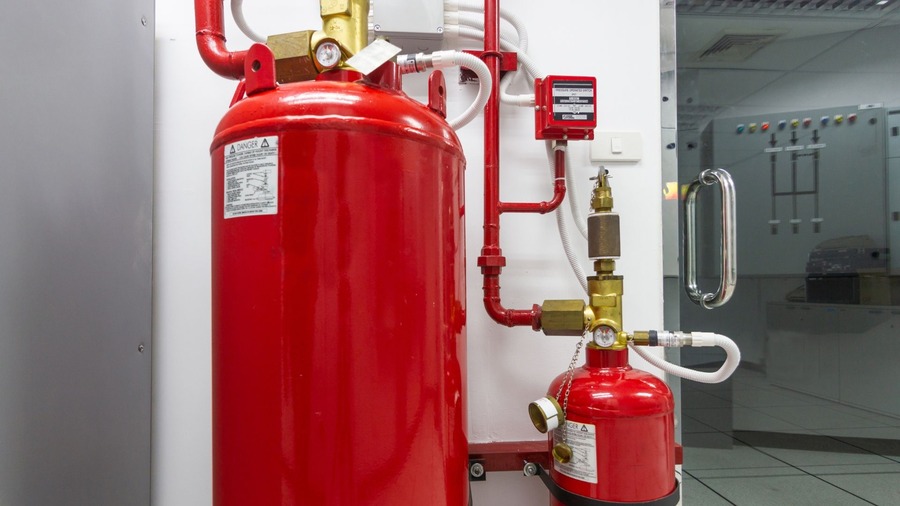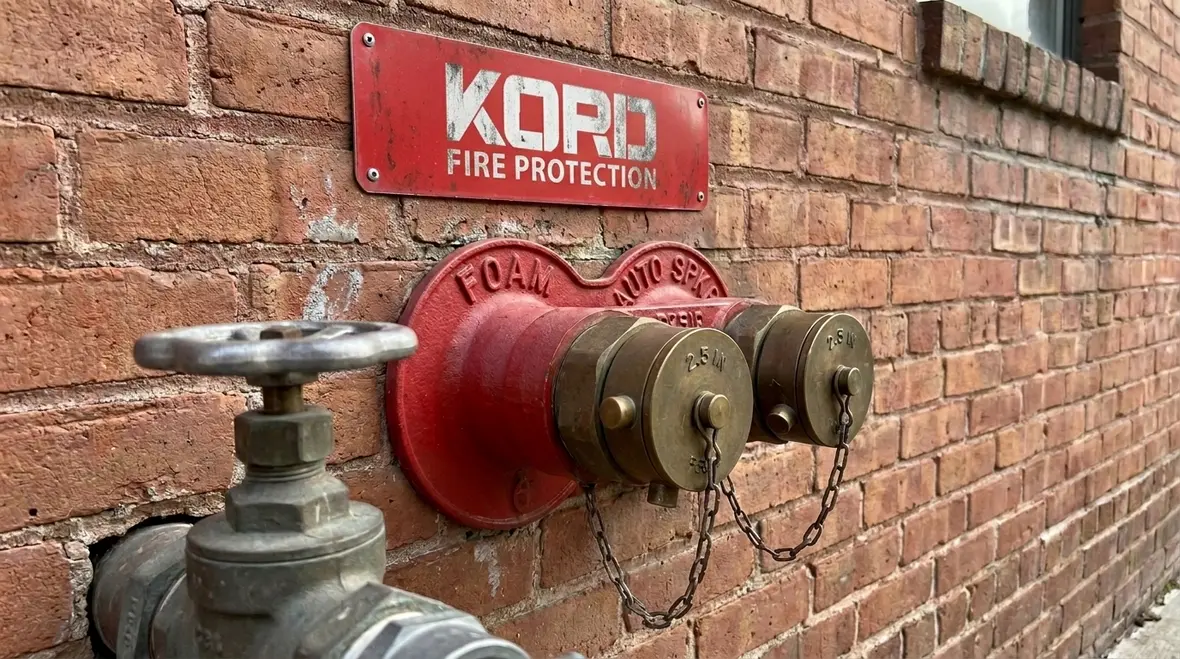
NFPA 16 Section 6.9 Foam Water System FDC Connections
Quick Answer: NFPA 16 Section 6.9 sets the rules for fire department connections on foam water sprinkler systems so firefighters can support the system fast and safely. For industrial, retail, and commercial sites across Australia, this matters because the right foam water system FDC and fire suppression standpipe connections can help protect people, assets, and business continuity. Kord Fire Protection can support design, installation, testing, and ongoing compliance through its fire suppression system services.
When a fire turns serious, every second counts. That is why NFPA 16 fire department connections, foam water system FDC, and fire suppression standpipe connections matter so much in commercial and industrial protection. NFPA 16 Section 6.9 focuses on how these connections must work with foam water sprinkler systems so the fire brigade can connect quickly and deliver the right support. For facilities across Australia, this is not just a rulebook detail. It is a practical part of safe, reliable fire protection, and it can make a real difference when the pressure rises. Pun fully intended.
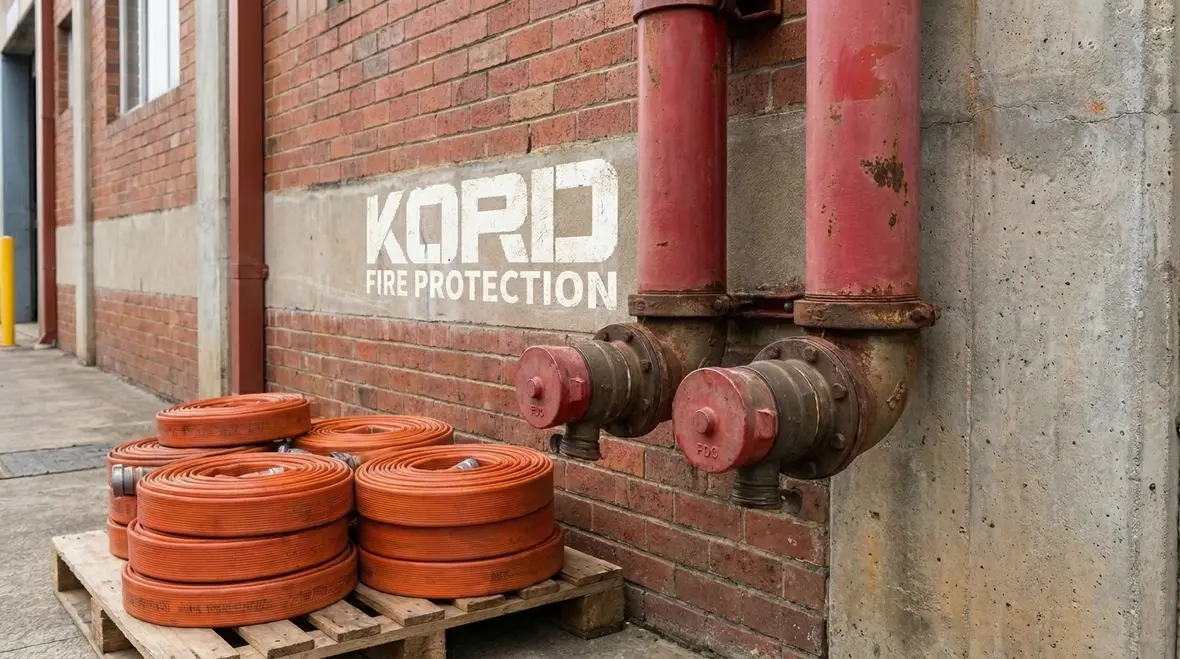
What NFPA 16 Section 6.9 Means in Plain English
NFPA 16 Section 6.9 deals with the fire department connection on foam water sprinkler systems. In simple terms, it tells a site how to give firefighters access to the system so they can pump water, foam solution, or both when needed. The goal is straightforward. The connection must help the system perform as designed, and it must do so without confusion, delay, or mismatch in pressure and flow.
For a commercial site, this is not a box ticking exercise. It supports fast action during an emergency. It also helps ensure the system can work with the fire brigade’s equipment. If the connection is poorly placed, badly labeled, or not maintained, the whole setup can become a bit like a superhero with the wrong shoes. Looks ready. Works badly.
Why practical wording matters on real sites
Standards can sound technical, but the field reality is very simple. Fire crews arrive, identify the connection, hook in, and support the system without wasting precious time. If that chain breaks because the point is hidden, mismatched, damaged, or unclear, the facility loses one of the advantages it paid to build in the first place. That is why plain English matters here. The standard is really asking one basic question: can responders use the system quickly and correctly when conditions are loud, smoky, and unforgiving?
Why the Foam Water System FDC Matters for High Risk Sites
Foam water systems protect areas where fire can spread fast and burn hot. That includes fuel storage, processing zones, loading areas, workshops, warehouses, and some heavy industrial spaces. In these settings, a foam water system FDC gives firefighters a direct way to help the fixed system perform during an event.
This matters because foam does more than cool flames. It also helps block oxygen and reduce vapour release in certain hazards. Therefore, the fire department connection must support both the system design and the brigade’s response method. When it works well, the connection becomes part of the site’s larger defense plan. When it does not, response time can stretch out, and risk can grow fast.
That is one reason many facilities also review broader system support, not just the connection itself. Kord Fire Protection’s full fire protection services approach fits naturally here because high risk environments rarely depend on one device, one valve, or one inspection day. They depend on a coordinated protection strategy that stays ready long after handover.

Typical environments where these connections earn their keep
The sites that rely on foam water protection usually have little patience for system weaknesses. Flammable liquids, large open process areas, storage operations, transport interfaces, and production zones all create conditions where an incident can escalate quickly. In those environments, the FDC is not an accessory. It is a practical response tool that can help firefighters reinforce an installed suppression design while the situation is still containable. That can mean less spread, less interruption, and fewer ugly surprises after the event.
How NFPA 16 Fire Department Connections Should Be Planned
Good planning starts before installation. The connection needs a clear location, proper access, and strong identification. It also needs to match the system type and the site’s fire risk. In practice, that means the design team must think about vehicle access, hose reach, obstruction risks, and the way firefighters will actually use the point under pressure.
Just as important, the connection should sit where emergency crews can find it without a treasure map. That sounds obvious, yet many sites still hide critical safety features behind landscaping, storage, or poor layout choices. A clean, visible, well marked connection saves time. And in fire protection, time is the one luxury nobody gets.
Key planning points for foam water system FDCs
- Place the connection in an easy access location for emergency crews
- Match the connection to the system design and hazard level
- Provide clear signs and labels for fast identification
- Keep the area free from blocked access and storage clutter
- Coordinate with fire brigade needs and site response plans
Planning also works better when teams think beyond the install day. Access routes can change, storage can creep into clear zones, and labels can fade into the background over time. A good design therefore leaves enough room for the real world, including maintenance access, emergency vehicle approach, and visual clarity from a distance. If responders need to squint, guess, or move pallets first, the plan was never as good as it looked on paper.
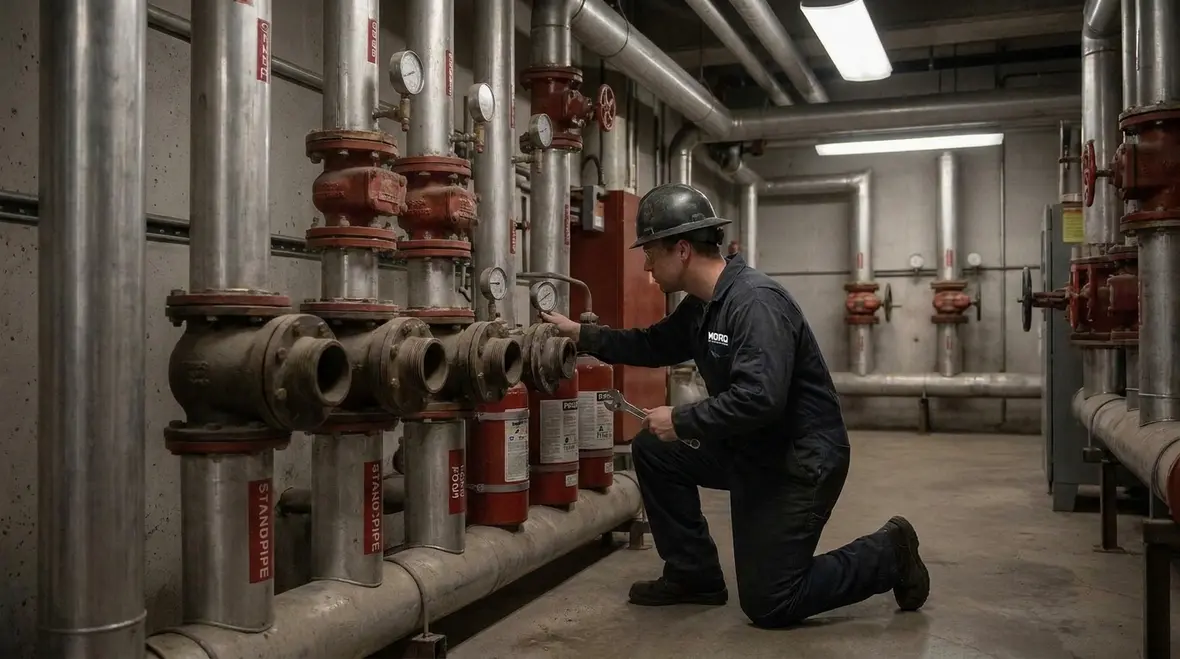
What Facilities Across Australia Should Check During Compliance Reviews
Across Australia, industrial, retail, and commercial facilities should review more than just the presence of the connection. They should also check condition, access, labeling, and compatibility with the wider fire system. A connection can exist and still fail the moment it is needed. That is not a comforting thought, but it is a common one.
Facilities should also confirm that the system aligns with local requirements, site risk, and inspection schedules. In many cases, the foam water connection must work as part of a broader network that includes pumps, valves, controls, and fire suppression standpipe connections. Therefore, the review should look at the whole path, not just one shiny fitting on the wall.
Common review questions worth asking
- Is the connection visible from the likely brigade approach point?
- Are caps, threads, inlets, and signage in good condition?
- Has storage, fencing, or site traffic created new access issues?
- Do inspections, testing records, and maintenance actions reflect current site risk?
- Does the connection still fit the wider suppression and response strategy?
That wider view matters because compliance reviews are not meant to be beauty contests for hardware. They are meant to answer whether the system still performs in the messy reality of an emergency. The more complex the facility, the more important that joined-up review becomes. Pumps, valves, alarms, signage, access, and water or foam supply all have to pull in the same direction. Otherwise, the FDC can be technically present and functionally disappointing, which is a polite way of saying useless at the worst possible moment.
Where Fire Suppression Standpipe Connections Fit In
Fire suppression standpipe connections often serve as another link in the response chain. While foam water systems focus on specific hazards, standpipe connections help deliver water where firefighters need it during an incident. Together, these connections improve flexibility and support a faster response.
In large buildings and complex sites, this matters a great deal. For example, one point may support the foam system while another supports manual firefighting or hose operations. As a result, the site gains more than one path to control fire. That is smart design. It is also the kind of practical thinking that keeps operations moving after the smoke clears.
| Connection Type | Main Role |
| NFPA 16 fire department connections | Support foam water sprinkler system response |
| Foam water system FDC | Allows brigade support for foam based suppression |
| Fire suppression standpipe connections | Supports hose lines and manual firefighting access |
Why multiple connection points improve resilience
A site with clear separation of roles is easier to operate under stress. Foam system support connections help reinforce the suppression strategy for specific hazards, while standpipe connections support hose operations and manual attack routes. When both are designed with purpose, responders gain options instead of obstacles. That does not just improve firefighting flexibility. It also improves the chances that a single issue in one part of the system does not compromise the entire response.
How Kord Fire Protection Can Become a Vital Partner
Kord Fire Protection can play a vital role in this service and job because these systems demand careful design, skilled installation, and regular attention. A strong partner does more than fit equipment. It helps sites understand the rule set, match the system to the hazard, and keep everything ready for real world use.
For industrial, retail, and commercial clients, Kord Fire Protection can support assessment, upgrades, compliance checks, testing, and maintenance. That support matters because fire protection is never a one time job. It is an ongoing duty. With the right team in place, the site can reduce downtime risk, improve safety, and keep the system in fighting shape. Think of it as having the Gandalf of fire protection on your side. Calm voice. Big results.
If your team is reviewing foam hazards specifically, the foam fire suppression system guide is another helpful internal resource to explore alongside NFPA 16 standard guidance. Together, those resources help connect code language, field practice, and the service work required to keep protection systems dependable.
FAQ: NFPA 16 Section 6.9 and Foam Water Connections
Keep the System Ready Before the Alarm Sounds
NFPA 16 Section 6.9 is not just about compliance. It is about making sure the fire brigade can connect quickly and help the system do its job when the stakes are highest. For sites across Australia, that means smart planning, regular checks, and the right partner. Kord Fire Protection can help keep foam water sprinkler systems, fire department connections, and standpipe connections ready for action.
When the alarm sounds, readiness is everything. And readiness never gets old. The sites that perform best are usually the ones that treat these connections as active parts of emergency response, not background hardware. That mindset turns compliance into capability, which is exactly the point when conditions get serious and the pressure rises for real this time.

Join Our Newsletter!
Get the latest fire safety tips delivered straight to your inbox From our Newsletter.