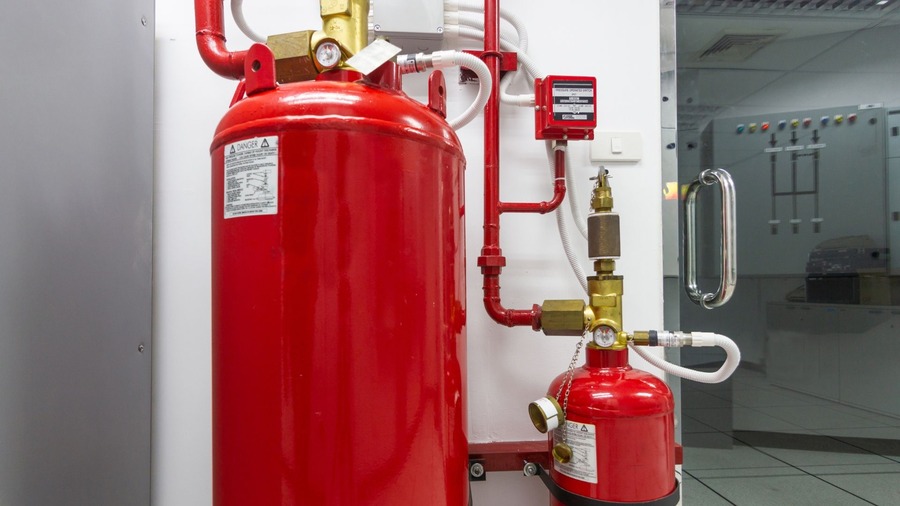
NFPA 16 Section 6.10 Automatic System Detection Foam Water
Quick Answer: NFPA 16 Section 6.10 requires automatic system detection to work fast, reliably, and in step with foam water sprinkler systems. In simple terms, it helps trigger fire suppression at the right moment, before a small event turns into a costly industrial problem. For Australian sites, Kord Fire Protection can help design, test, and maintain these systems with confidence.
In industrial, retail, and commercial facilities, NFPA 16 automatic detection is not just a technical box to tick. It supports fast action where fires can spread through fuel, vapour, or stored materials with very little warning. That is why foam water system detection and fire suppression detection devices matter so much in any serious fire safety plan. They give the system its eyes and ears, and without them, even a good suppression setup can arrive late to the party.
For facilities planning broader upgrades, full fire protection services can fit naturally alongside detection design, inspections, and long term support. That connection matters because automatic detection does not live in a vacuum. It works best when alarms, suppression hardware, service records, and site readiness all move in the same direction.
What NFPA 16 Section 6.10 means for foam water systems
NFPA 16 Section 6.10 focuses on how automatic detection must support foam water sprinkler systems. The goal is clear. The detection must identify fire conditions early and trigger the system in a way that matches the hazard. In practice, this means the detection setup must work as part of one complete protection plan, not as a separate add on.
For sites with flammable liquids, chemical storage, plant areas, loading zones, or high risk production spaces, this section carries real weight. A foam water system is built to slow fire spread and suppress heat, but it needs a reliable trigger. That is where correct detection design becomes vital. If the detector reacts too late, the system loses valuable time. If it reacts too early, operations can face needless disruption. Either way, the site loses money, and nobody enjoys a surprise shutdown before morning tea.
Detection is part of the suppression strategy, not a side note
This is where many facilities benefit from thinking beyond devices on a drawing. Detection affects release timing, alarm coordination, staff response, and the broader reliability of the foam water arrangement. Kord Fire Protection also discusses similar coordination themes in its article on centralizing automatic fire protection controls, which fits naturally with the idea that one dependable system beats a collection of disconnected parts every time.
Why automatic detection matters in high risk facilities
Automatic detection helps a foam water system respond before flames grow out of control. That matters because many industrial and commercial fire events escalate fast. Heat can rise, vapour can spread, and equipment can fail in seconds. Therefore, the detection system must be suited to the hazard, the layout, and the response time needed.
Common detection choices may include heat detection, flame detection, or other approved devices that fit the risk. The right option depends on the site design and fire load. For example, a warehouse with liquid storage may need a different approach from a processing area with open equipment. In both cases, the detection must support fast release and dependable system action.
When detection works well, it does more than trigger suppression. It also helps protect staff, reduce downtime, and limit asset loss. That is a lot of work for a device that usually sits there quietly, waiting for the worst day of the week.
How foam water system detection works in real sites
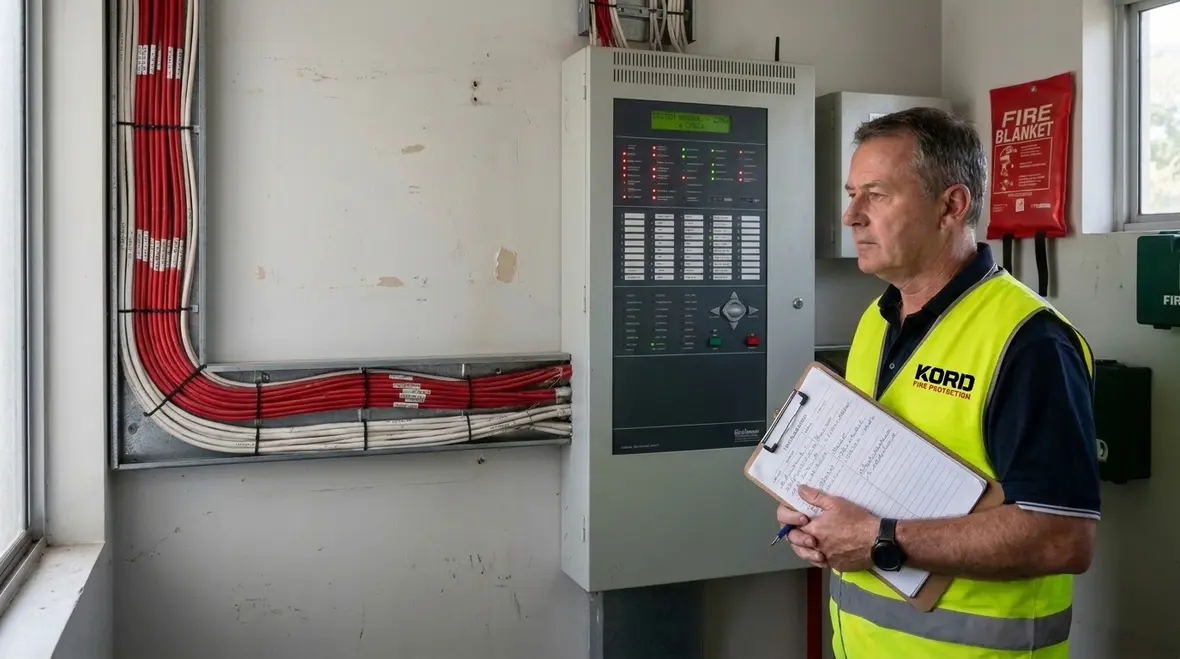
Foam water system detection connects the fire event to the suppression response. First, the detector senses heat, flame, or another sign of fire. Then, the control system processes that signal. After that, the foam water sprinkler system activates as designed. The timing must stay tight, because every second counts in a high risk environment.
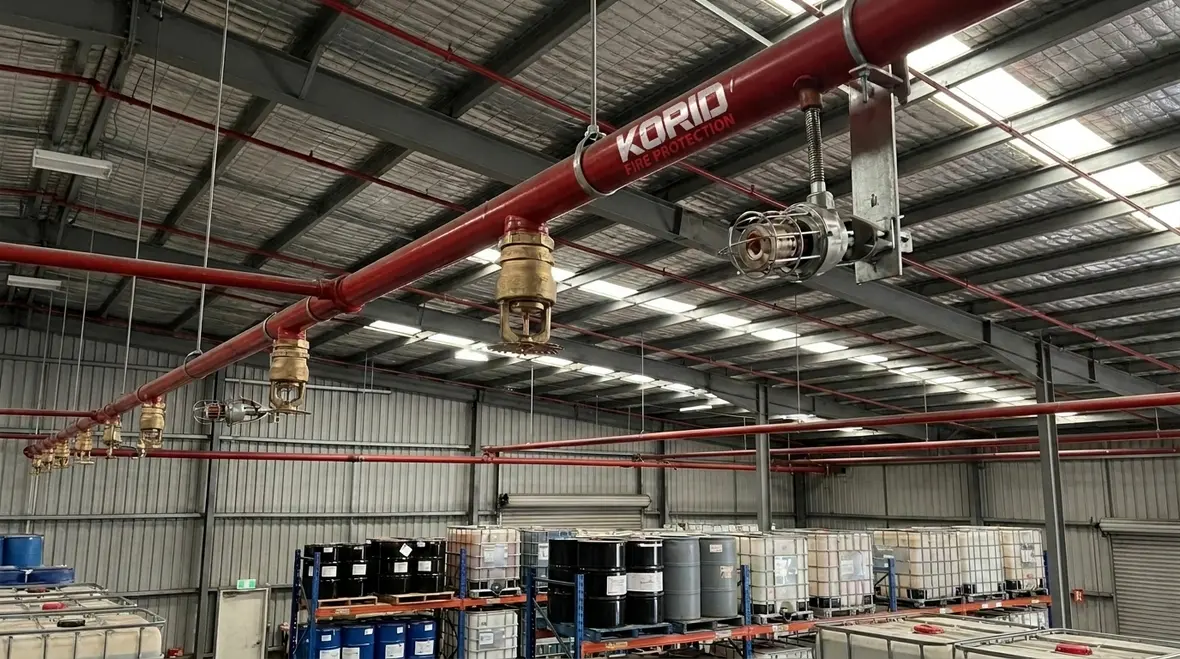
On Australian industrial and commercial sites, this often means the detection layout must match the stored or processed materials, the ceiling height and room shape, the speed at which fire can grow, the sprinkler and foam discharge pattern, and the need for manual backup and alarm coordination.
- The stored or processed materials
- The ceiling height and room shape
- The speed at which fire can grow
- The sprinkler and foam discharge pattern
- The need for manual backup and alarm coordination
As a result, good design is not guesswork. It requires a clear understanding of the hazard and the fire protection goal. A system that protects a fuel bay will not always suit a paint storage area. Fire does not care about convenience, and sadly, it never reads the site plan before showing up.
Where related system thinking adds value
Facilities comparing solutions may also find useful context in Kord Fire Protection’s article on foam fire suppression vs water sprinklers. It reinforces a practical point that applies here too: system choices should be based on fuel type, layout, and operational reality, not vibes and wishful thinking.
What Section 6.10 asks for during design and installation
Section 6.10 expects automatic detection to support the foam water system in a reliable and practical way. The system should activate when needed, stay aligned with the fire hazard, and work as part of the wider suppression arrangement. Therefore, installers and designers must think about placement, sensitivity, compatibility, and ongoing service from the start.
Two key views matter most:
| Design focus | Site impact |
|---|---|
| Correct detector type and location | Faster response and fewer false alarms |
| Compatibility with foam water equipment | Reliable discharge when fire starts |
| Clear control and alarm logic | Safer evacuation and better coordination |
| Proper testing and maintenance | Long term confidence in system performance |
Because of this, the design stage should never feel rushed. A good result depends on good planning, especially in facilities where downtime carries a sharp price tag.
Why testing and maintenance keep the system ready
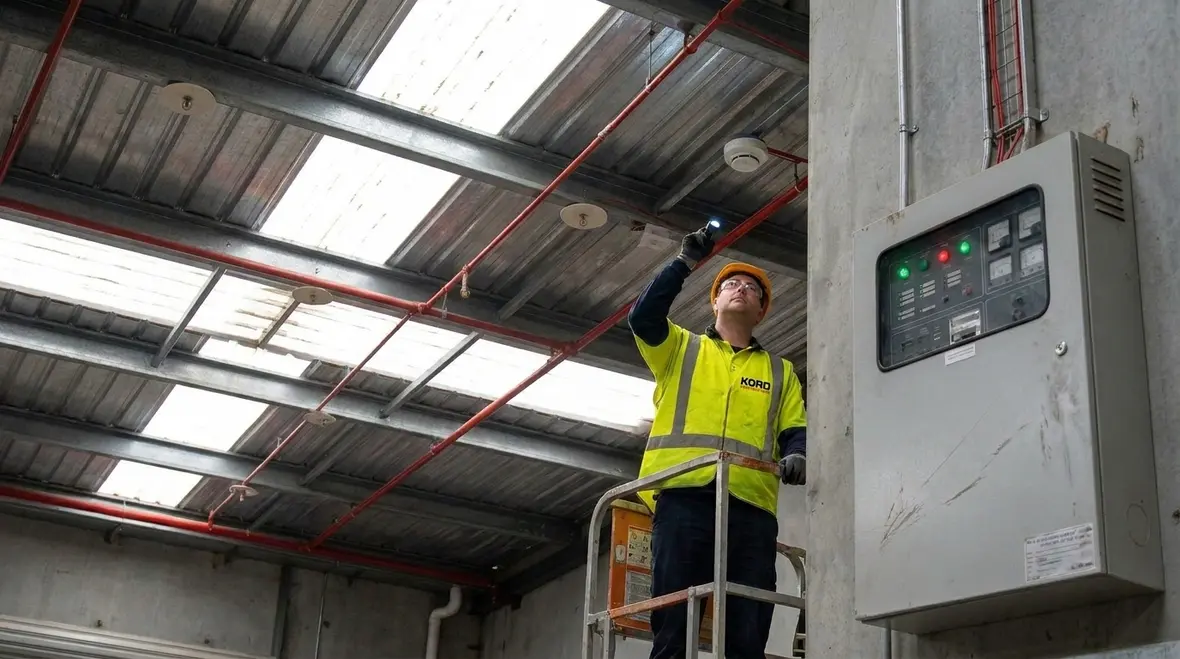
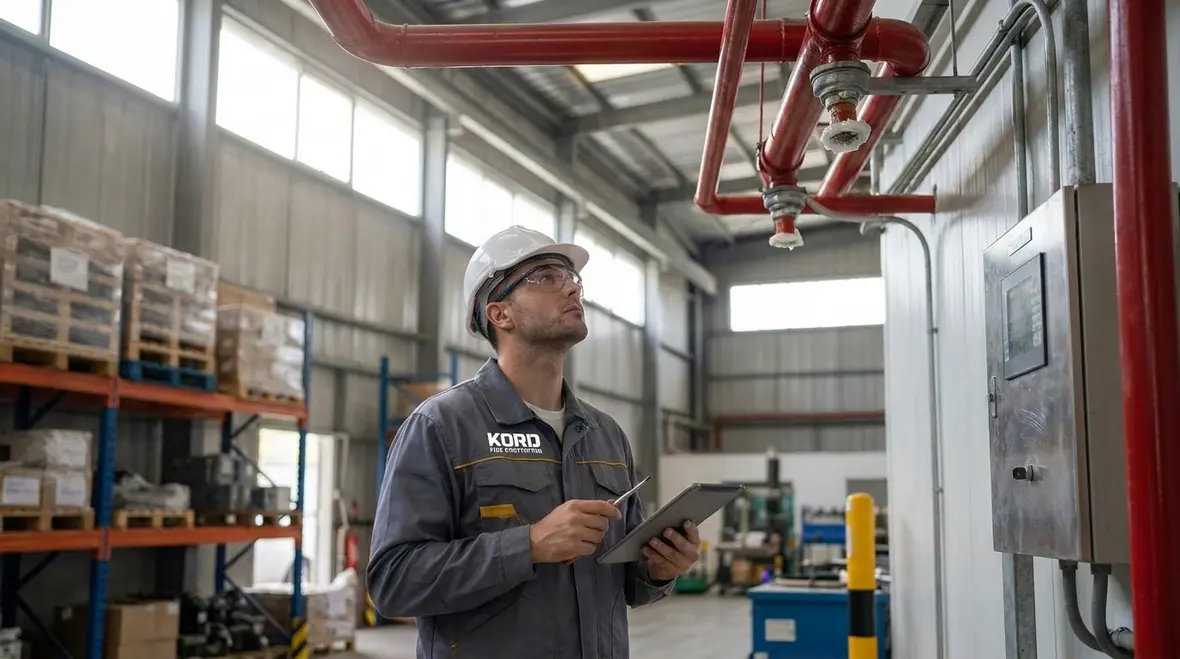
Even the best detection system needs regular testing and maintenance. Dust, vibration, heat, corrosion, and general wear can affect performance. Over time, small issues can grow into a real risk. Therefore, routine checks help make sure the detection devices still respond as intended.
Testing should confirm that detectors, panels, release devices, alarms, and related controls all work together. It should also verify that the system still matches the site risk. If the facility changes its layout, storage, or process, the protection plan may need review. That is especially true in warehouses, plants, and mixed use commercial sites where operations evolve faster than anyone would like.
Regular service also supports compliance goals and helps reduce surprise failures. In fire protection, “it looked fine last year” is not a strategy. It is a very expensive hope. Teams looking at broader lifecycle management may also find useful overlap with Kord Fire Protection’s piece on Australia fire protection for compliance and readiness, especially where documentation and scheduling need to stay aligned with changing site conditions.
How Kord Fire Protection becomes a vital partner
Kord Fire Protection can become a vital partner by helping industrial, retail, and commercial clients handle the full life of the system. That includes design support, installation coordination, inspection, testing, and ongoing maintenance. More importantly, Kord Fire Protection can help align NFPA 16 automatic detection with the specific hazards found across Australian facilities.
That support matters because no two sites face the same risk. A fuel storage area, a logistics depot, and a manufacturing floor each demand a different response. Kord Fire Protection can help translate the standard into a workable solution that fits the site, the budget, and the operating schedule. As a result, clients gain a system that does its job without drama, and in fire protection, drama is best left to television.
When a facility needs dependable fire suppression detection devices or help with foam water system detection, Kord Fire Protection brings practical expertise and steady support. That makes life easier for facilities teams, project managers, and business owners who need clear answers, not smoke and mirrors. For readers wanting deeper context on hazard-specific coverage, Kord Fire Protection’s article on special hazard fire suppression in Australia is another relevant stop.
FAQ
Conclusion
NFPA 16 Section 6.10 makes automatic detection a core part of foam water sprinkler system performance. For Australian industrial and commercial facilities, the right design, testing, and service can protect people, property, and uptime.
Kord Fire Protection can help deliver that confidence with practical support from start to finish. For sites that cannot afford delays, that partnership is worth its weight in steel, foam, and peace of mind.

Join Our Newsletter!
Get the latest fire safety tips delivered straight to your inbox From our Newsletter.