NFPA 16 Section 1.4 Foam Water System Retroactivity
Quick Answer
NFPA 16 Section 1.4 explains when older foam water sprinkler systems must comply with newer rules and when they do not. For industrial, retail, and commercial sites across Australia, that matters because retroactive fire code requirements can shape upgrades, inspections, and risk control. Kord Fire Protection can help assess gaps, plan work, and keep systems ready without turning the site into a science project.
When sites start reviewing older protection, it also helps to line up support from a specialist in foam fire suppression systems early in the process so design, testing, and upgrade decisions follow the actual hazard instead of assumptions.
NFPA 16 Section 1.4 and Why Retroactivity Matters
NFPA 16 retroactivity sits at the center of many foam water sprinkler decisions because it tells owners and facility teams how far the code reaches into existing systems. In plain terms, foam water system retroactivity asks a simple but serious question: does a new rule apply to a system already in service, or only to new work? That answer can affect design changes, maintenance schedules, and compliance plans.
For industrial plants, retail centers, warehouses, and other commercial sites in Australia, the stakes stay high. Foam systems often protect areas where flammable liquid hazards, fuel storage, or special processing take place. Therefore, a small code change can become a large operational issue if the site ignores retroactive fire code requirements. Nobody wants a surprise from the fire code at the same level as a plot twist in a thriller.
Why this section matters in the real world
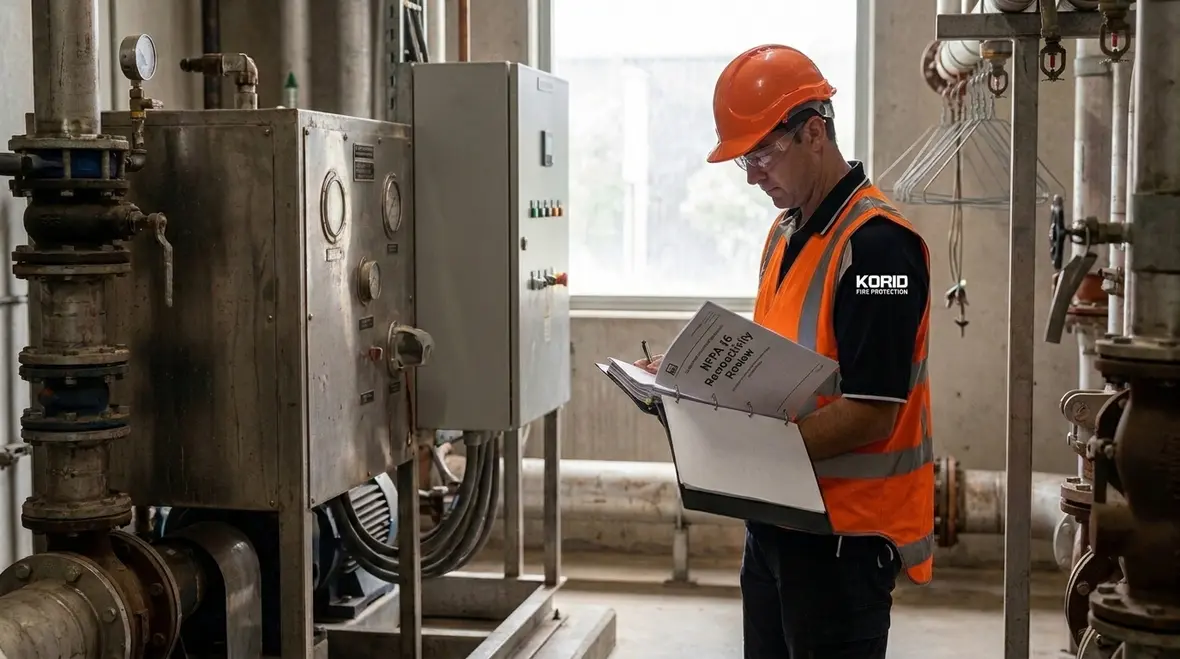
The tricky part is that retroactivity is not just a legal style footnote buried in a code book hoping no one notices. It shapes budgeting, shutdown planning, insurance conversations, and sometimes even whether a tenant improvement can move ahead on time. A system that was perfectly acceptable when installed may still be acceptable now, but only if the occupancy, hazard, and condition have not drifted into a different universe. Facilities that understand this early usually make better choices and spend less time scrambling later.
This is also where interlinking the bigger code picture helps. Teams comparing broader requirements can review NFPA 16 standard requirements alongside Section 1.4 so they understand not just whether retroactivity applies, but how the rest of the system expectations connect to design and maintenance decisions.
How Section 1.4 Sets the Rule
Section 1.4 does not make every older installation rebuild itself overnight. Instead, it guides how NFPA 16 applies to systems already in place. Generally, the code looks for the specific scope of the update, the authority having jurisdiction, and the condition of the system. As a result, an older foam water sprinkler installation may stay acceptable if it was built to the rules that applied at the time and still performs as needed.
However, if a site expands the system, replaces major parts, changes the hazard, or faces a local enforcement requirement, retroactivity can enter the picture fast. In those moments, the site must know whether the change triggers current standards. That is where careful review matters more than guesswork, and guesswork is a terrible compliance tool, right up there with using duct tape as a long term strategy.
In practice, Section 1.4 acts more like a filter than a sledgehammer. It helps determine whether an existing system can continue under the original basis, whether only the altered portion must meet current requirements, or whether the nature of the change is large enough that the whole protection strategy should be revisited. That distinction matters because no owner wants to fund a full overhaul when a targeted correction would do, and no one wants to approve a tiny patch when the hazard has clearly outgrown the old setup.
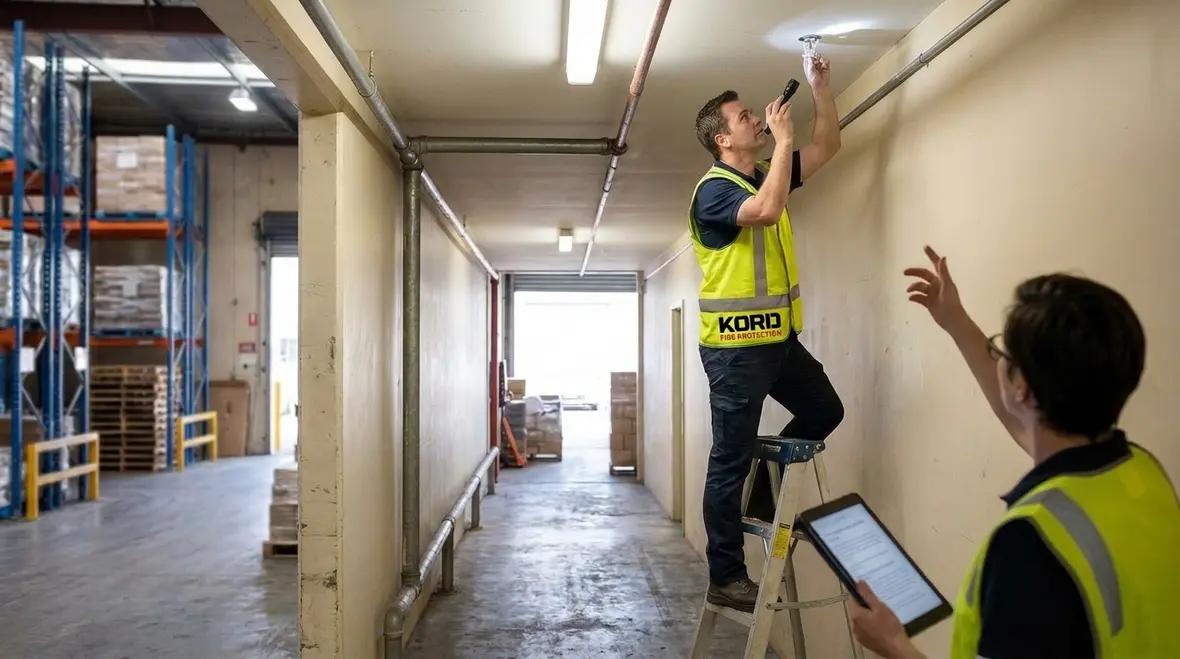
Triggers that deserve a closer look
- Major changes to the protected hazard
- Replacement of proportioning equipment, tanks, pumps, or control components
- Building expansions or reconfigured storage layouts
- Insurer or authority review after incidents or inspections
- Repeated deficiencies that suggest the system no longer performs as intended
None of those items automatically means a full redesign every time, but each one is a strong reason to stop, review, and verify the code path before work begins. It is much easier to answer hard questions on paper than during a shutdown window when everyone is staring at the schedule like it personally betrayed them.
When a Foam Water System Must Be Updated
Retroactive fire code requirements usually appear when a system no longer matches the hazard it protects or when a major alteration occurs. For example, a warehouse may convert from general storage to liquid handling. Likewise, a retail back of house area may add a protected process zone that changes the risk profile. In those cases, the existing foam water system may need redesign, added heads, revised foam concentrate arrangements, or updated control equipment.
In many projects, the need does not come from one rule alone. Instead, several forces work together: building changes, insurer expectations, authority review, and local fire safety rules. Therefore, the safest path is a full compliance check before work starts. That check can prevent delays, avoid costly rework, and reduce the chance of a system that looks fine on paper but fails when needed.
Another common trigger is age combined with patchwork modifications. A site may have added a valve here, a nozzle there, and a control tweak somewhere else over many years. Each small change can seem harmless by itself, but the combined effect may leave the system operating on assumptions that no longer match the actual hazard. When that happens, retroactivity becomes less of a technical debate and more of a practical warning sign that the protection strategy needs a proper reset.
Common update triggers
- Hazard classification changes
- Expansion into new protected zones
- Major component replacement
- Process or fuel changes
- Local authority direction
Possible upgrade outcomes
- Revised discharge criteria
- Updated foam concentrate storage
- Control and alarm interface changes
- Hydraulic review and recalculation
- Targeted or full system redesign

What Owners Should Review First
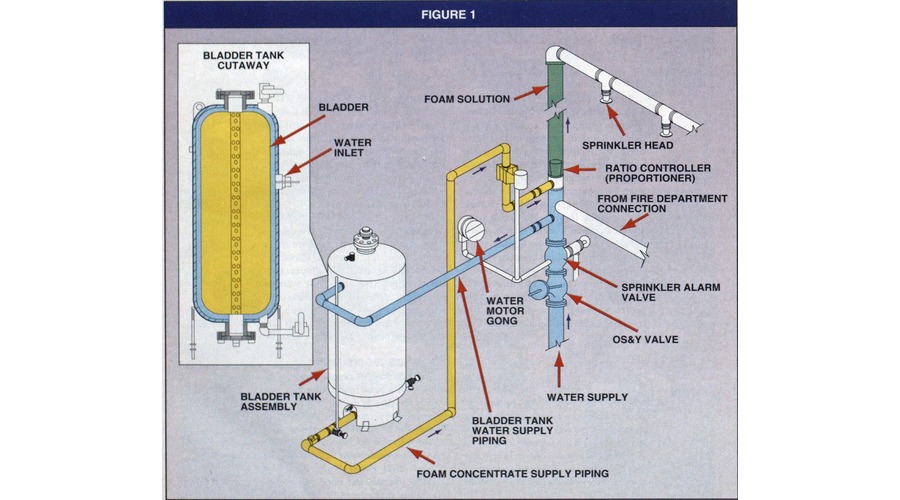
A site team should start with the system records, the original design basis, and any past modifications. Then it should compare those details to the current hazard and the code path now in use. Because foam systems depend on both water delivery and concentrate performance, the review should also cover pumps, valves, nozzles, tanks, and control interfaces.
Below is a useful dual view of the review process:
System Records
- Original plans
- Past upgrades
- Maintenance logs
- Inspection reports
Compliance Checks
- Current hazard use
- Code edition in force
- Local authority direction
- Required upgrade scope
This kind of review helps teams see both the physical system and the compliance picture at the same time. Moreover, it supports better decisions before a shutdown, a tenant change, or a major expansion turns a routine job into a rush order with too much coffee and not enough sleep.
Owners should also ask a basic but powerful question: what was this system actually designed to protect? That design basis may have been clear on day one, but over time, floor layouts shift, stock changes, operators come and go, and memories get softer around the edges. Pulling records, comparing them to current operations, and walking the protected area often reveals disconnects faster than another conference room debate ever will.
Why Kord Fire Protection Can Become a Vital Partner
Kord Fire Protection can serve as a vital partner because foam systems need more than basic service. They need a team that understands how code language, site conditions, and real world operations fit together. That matters especially when NFPA 16 retroactivity affects older installations or planned upgrades.
With the right support, a facility can get help with code review, system assessment, corrective work, testing, and documentation. In addition, Kord Fire Protection can help translate technical findings into practical steps for site managers, engineers, and operations staff. That kind of support saves time and lowers stress, which is welcome in any industry. After all, no one dreams of spending a Tuesday afternoon arguing with a valve schedule.
That value grows when the site has multiple pressures at once: active production, contractor access, insurer deadlines, and authority review. A strong partner helps turn that pile of moving parts into a sequence that makes sense. Instead of bouncing between fragmented opinions, the facility gets a cleaner path from assessment to action, with documentation that supports the work and decisions that hold up after the meeting ends.
How the Service Supports Industrial and Commercial Sites
Across Australia, industrial and commercial facilities often run tight schedules. Production, trading hours, tenant access, and safety rules all compete for attention. Because of that, foam water system retroactivity must fit the site, not the other way around. Kord Fire Protection can help plan work around shutdown windows, staging areas, and access limits so the system stays compliant without wrecking operations.
Just as important, the team can help reduce risk during changeovers. If a site adds new storage, changes a process, or upgrades a protected area, the fire protection plan should move with it. Therefore, a strong partner can help keep the system aligned with the hazard, which is the whole point of having protection in the first place.
The practical advantage is not only technical accuracy. It is also sequencing. If upgrade work can be staged around production cycles, tenant use, or access restrictions, the site avoids treating compliance like an emergency that somehow was not an emergency last week. Good planning keeps the project realistic, keeps people informed, and keeps the foam water system ready while changes happen around it.
Common Questions About Retroactive Requirements
Conclusion
NFPA 16 Section 1.4 gives facility teams a clear path through foam water system retroactivity, but only if they study the system, the hazard, and the local requirements together. Older systems are not automatically obsolete, yet they also do not get a free pass when hazards shift, components change, or authorities require a closer look.
Kord Fire Protection can help industrial, retail, and commercial sites stay on track with practical support, smart planning, and solid compliance work. When the code shifts, the right partner keeps the system ready and the operation calm.

Join Our Newsletter!
Get the latest fire safety tips delivered straight to your inbox From our Newsletter.