
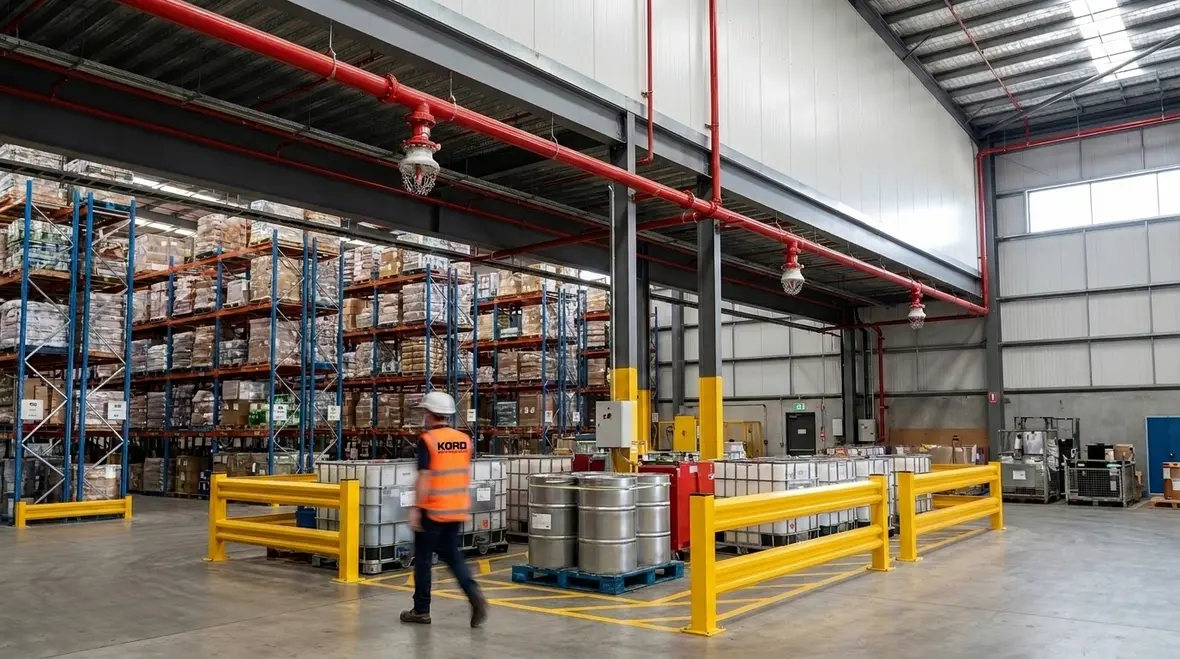
NFPA 16 Section 1.3 Foam Water Sprinkler Application
Quick Answer: NFPA 16 Section 1.3 sets the stage for when foam water sprinkler systems should be used and how they fit real fire risks in industrial, commercial, and retail sites. It helps owners choose the right protection for flammable liquids and high risk areas. Kord Fire Protection can guide, design, install, and maintain these systems with calm, skilled support.
In the world of NFPA 16 application, the rule book does more than sit on a shelf and collect dust like an old office printer. It shapes the foam water system application for places where ordinary sprinklers may not do enough, especially in fuel handling, storage, processing, and other high risk operations. A sound fire suppression code application helps protect people, property, and business flow without guesswork.
For facilities comparing options near the start of the process, Kord Fire Protection’s foam fire suppression systems service is a useful next step for understanding where foam protection belongs and how a system should be matched to the actual hazard. That matters because the right answer is not always more equipment. Sometimes it is simply better judgement applied before money gets spent in the wrong direction.
Section 1.3 of NFPA 16 helps define where foam water sprinkler systems belong and where they do not. That may sound simple, but in practice it decides whether a site gets the right level of defence or ends up hoping for the best. And hope, as most facility managers know, is not a fire strategy.
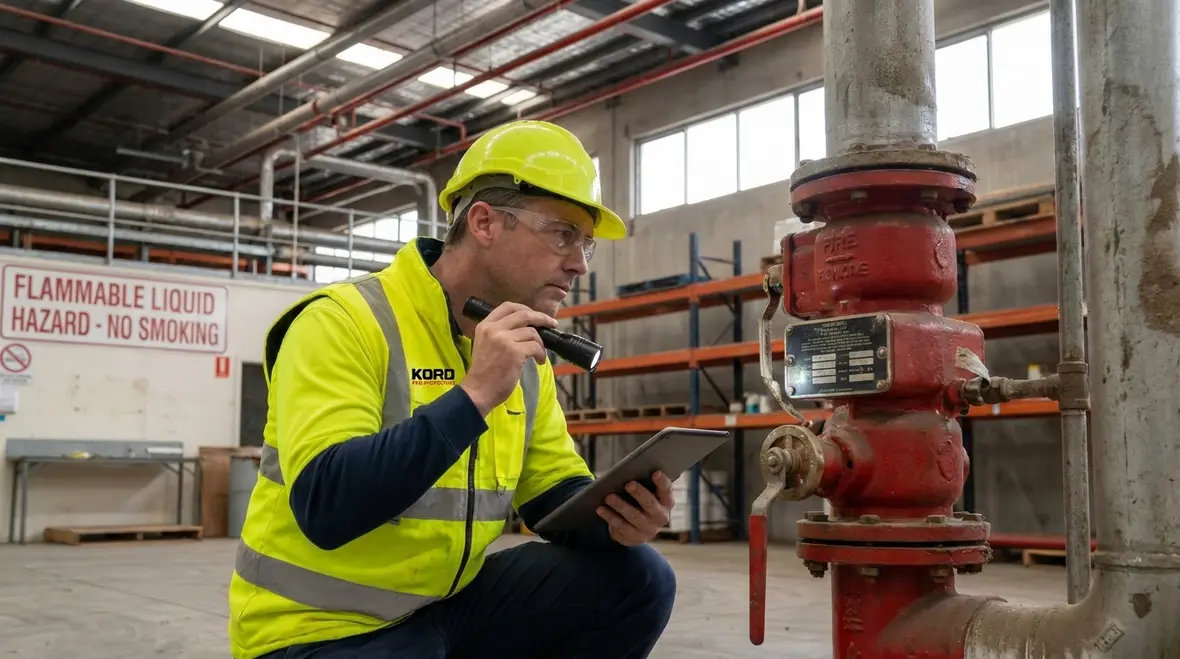
How NFPA 16 Section 1.3 guides system use
Section 1.3 gives the basic scope for the standard. It tells users that foam water sprinkler systems are meant for specific hazards where foam can help suppress flammable liquid fires better than water alone. Therefore, the code does not treat every building the same. It looks at the hazard, the fuel, the layout, and the expected fire load.
That sounds technical, but the practical takeaway is refreshingly plain. If the fire risk involves liquids that can spread, pool, flash, or re ignite, then a standard sprinkler approach may not be enough on its own. Foam water systems add a layer of control by helping cover the burning surface and reducing vapour release. In plain language, they are built for the kind of fire that refuses to behave politely.
Why scope matters before design begins
For industrial and commercial sites, this means the system must match the risk. A warehouse with combustible liquids needs a different answer than a retail stockroom. Likewise, a transport depot, paint area, or fuel related storage space may need foam support because water alone can spread the fire. This is where a careful NFPA 16 application becomes a practical business decision, not just a compliance task.
It also helps owners avoid the common trap of thinking every hazard can be solved by adding more heads, more pipe, or more pressure. More is not always smarter. Better matched is smarter. Section 1.3 points the conversation in that direction from the start, which is exactly what a useful standard should do.
Where foam water sprinkler systems make sense
Foam water sprinkler systems work best in places where flammable liquids can pool, spill, or ignite fast. They suit facilities that need a system capable of cooling, surface control, and vapour suppression at the same time rather than relying on water alone to sort out a more complicated fire event.
- Fuel storage and handling areas
- Aircraft hangars and maintenance zones
- Paint spray areas
- Warehouses with liquid based hazards
- Industrial process spaces with spill risk
- Loading areas tied to chemical or fuel movement
These sites need a fire suppression plan that can attack the fire surface and cut off vapours. That is the strength of a good foam water system application. It does not just cool the fire. It also helps form a blanket that blocks oxygen and reduces re ignition risk. In other words, it behaves like the calm friend who walks into the room and gets everyone to sit down before the argument gets louder.
Kord Fire Protection also covers the same real world difference in its article on foam fire suppression vs water sprinklers, which is useful for teams that are still deciding whether the hazard truly calls for foam. That kind of comparison can save a lot of second guessing later, which is always cheaper than learning by incident report.
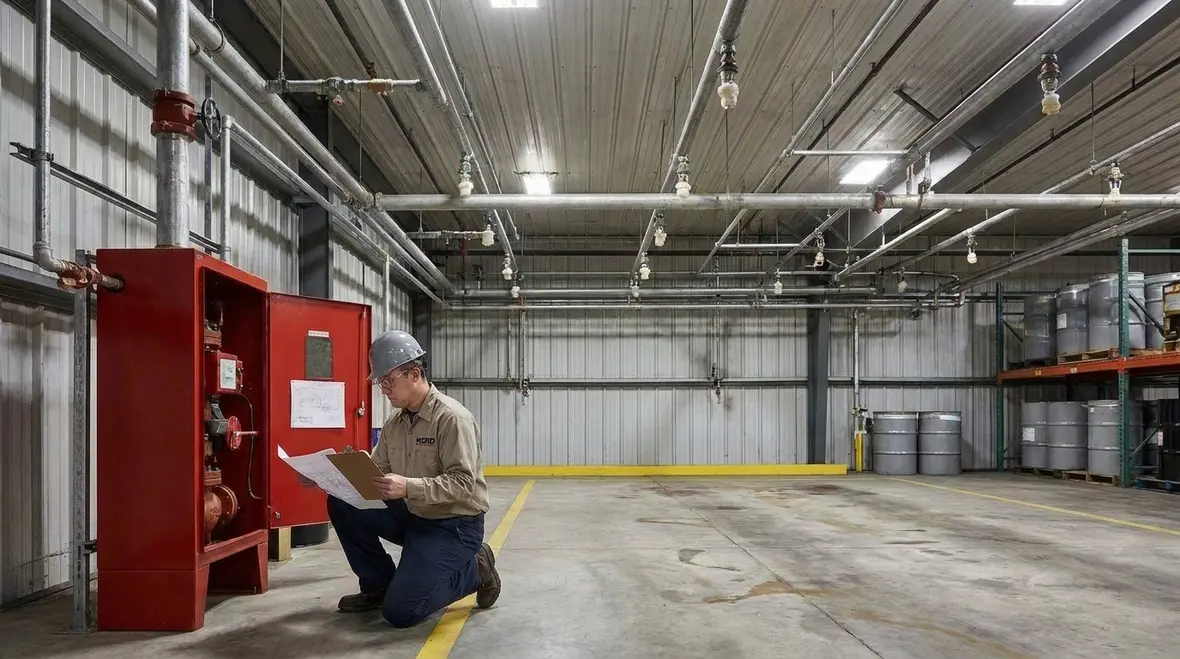
Common site patterns that point toward foam
The strongest clues are usually operational, not decorative. Drums, transfer points, pump rooms, decanting areas, mixing lines, vehicle refuelling spaces, and liquid storage zones all deserve a closer look. If the process can release fuel onto a surface, then the fire can travel across that surface in ways ordinary sprinklers do not always manage well. That is why foam belongs in the conversation early.
What a proper fire suppression code application must consider
A strong fire suppression code application starts with the hazard, but it does not end there. The design team must review water supply, foam concentrate type, discharge density, system coverage, and the type of sprinkler or nozzle used. In addition, the team must consider whether the area needs local application or total area protection.
That review matters because foam systems must do more than look impressive on paper. They must work under stress, in real time, with the right mix and pressure. Therefore, a code driven design should also factor in maintenance access, control valves, alarm flow, corrosion risk, and the actual use of the space. A flashy system that cannot be serviced is about as useful as a movie hero who forgets their lines at the climax.
Design details that change performance
Small design choices can have outsized consequences. Coverage gaps, the wrong concentrate, poor proportioning, inaccessible valves, and weak testing routines all create trouble later. A proper review asks not only whether the system meets the code on day one, but whether it can still be inspected, tested, and trusted after years of actual site use. That is the difference between a protection strategy and a very expensive ceiling decoration.
| NFPA 16 focus | Site impact |
|---|---|
| Defines where foam water sprinkler systems apply | Helps owners match protection to real hazards |
| Supports foam based fire control for flammable liquids | Improves fire response in high risk zones |
| Pushes system design toward the right layout and coverage | Reduces weak spots and improves safety performance |
| Requires correct installation and maintenance planning | Supports uptime, compliance, and lower long term risk |
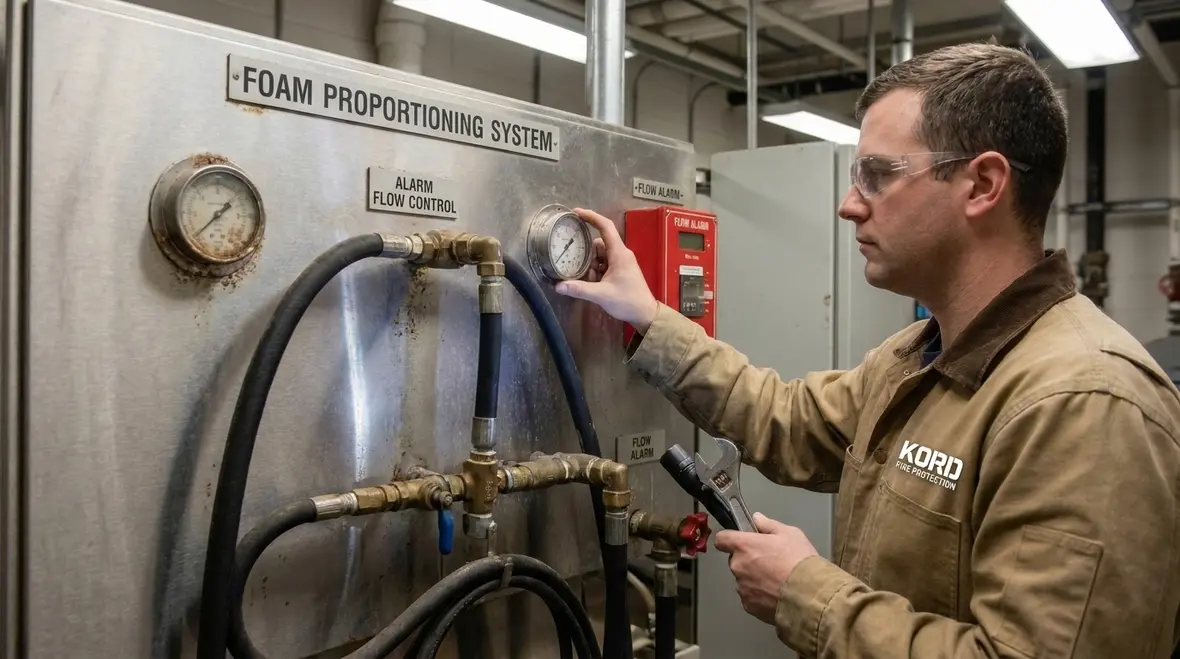
How Kord Fire Protection becomes a vital partner
Kord Fire Protection can become a vital partner because this work needs more than parts and piping. It needs clear judgement, code knowledge, and hands on delivery. A foam system is only as strong as the team behind it, and Kord Fire Protection can help facilities move from uncertainty to a clear plan.
First, Kord Fire Protection can assess the site and identify where the foam water system application truly fits. Then, the team can guide system selection, design, install, testing, and ongoing service. As a result, owners get a solution that suits the building, the hazard, and the operation instead of a generic answer dressed up as expertise.
For readers who want broader context around ongoing service, Kord also outlines support across its fire suppression systems and services page. That fits naturally with NFPA 16 discussions because design and installation only solve half the problem. The other half is keeping the system ready when the day turns expensive and everybody suddenly remembers why inspections matter.
From uncertainty to a workable plan
Just as important, Kord Fire Protection can help coordinate compliance with practical service planning. That includes regular inspections, system checks, and maintenance that keep the protection ready when it counts. Fire systems do not enjoy surprise visits from bad timing. They need routine care so they are ready on the worst day, not the easiest one.
Teams that want additional reading can also review Kord’s NFPA 16 standard page for more context around how the standard fits system planning and compliance conversations. It is a sensible companion piece for anyone building the bigger picture rather than chasing isolated details.
Why maintenance is part of the real solution
Foam water sprinkler systems need ongoing care because the foam concentrate, valves, pumps, and discharge points must all perform together. Over time, dirt, corrosion, wear, and poor changes to the building can weaken the system. Therefore, service should not be treated as a side note. It should be built into the protection plan from day one.
Routine checks also help confirm that the system still matches the site’s use. A store room can become a production area. A warehouse can take on new product lines. A process space can change its layout. When that happens, the original NFPA 16 application may need review so the system still fits the actual risk.
What good maintenance protects against
Maintenance protects against more than mechanical failure. It catches operational drift. It reveals whether stored materials have changed, whether barriers now affect discharge patterns, whether valves remain accessible, and whether documentation still reflects reality. That is why regular testing is not bureaucracy with a clipboard. It is the process that turns design intent into actual readiness.
FAQ
Conclusion
NFPA 16 Section 1.3 gives facilities a clear path toward smarter fire protection where foam systems fit the hazard. It helps shift the conversation away from guesswork and toward a more accurate fire suppression code application based on fuel type, site layout, and operational risk. That makes it useful not just for compliance teams, but for owners trying to protect uptime, people, and property without turning every decision into a small drama.
For owners who want the right protection without the chaos, Kord Fire Protection can provide the guidance, service, and support needed to get it right. When the risk is real, the partner should be too. Contact Kord Fire Protection to review the site, assess whether foam belongs in the plan, and build a stronger fire safety strategy with less guesswork and a lot more confidence.

Join Our Newsletter!
Get the latest fire safety tips delivered straight to your inbox From our Newsletter.



