NFPA 15 Section 7.6 Combined Systems Water Spray Design
Quick Answer
NFPA 15 Section 7.6 covers combined systems where water spray protection works alongside other fire protection methods. For industrial, retail, commercial, and facility sites, this matters because it helps protect complex assets without slowing operations. Kord Fire Protection can support design, compliance, installation, and upkeep with a calm, proven hand. Near the top of the process, many teams also benefit from coordinated fire suppression system services that fit naturally into broader site protection planning. ([kordfire.com](https://kordfire.com/fire-suppression/?utm_source=openai))
NFPA 15 combined systems water spray design plays a key role in sites where one fire protection method is not enough. In plain terms, these systems link water spray with other suppression or control measures so a building can respond fast, limit spread, and protect critical equipment. For industrial, retail, and commercial facilities, that can mean less damage, less downtime, and fewer headaches. And, as any site manager knows, headaches already have enough competition.
When teams plan NFPA 15 combined systems water spray design, they are not just filling pipes and hoping for the best. They are building a layered answer for risk. That is where Kord Fire Protection becomes a vital partner. The right partner helps align the system with NFPA 15 Section 7.6, site goals, and day to day operations, so the result works in the real world, not just on paper.
What NFPA 15 Section 7.6 Means for Combined Systems
Section 7.6 deals with systems that share water spray protection with another fire safety approach. This can include detection, automatic shutdown, deluge action, or other suppression methods. The point is simple. The system must work as a whole, not as separate parts doing their own thing like a band that never rehearsed together.
In practice, this section helps designers and facility owners think about timing, water supply, controls, and the way one system supports another. As a result, the design must consider how the spray begins, what it protects, and how it interacts with other equipment on site. Kord Fire Protection’s broader fire system design and code-compliant installation focus supports that kind of joined-up planning, especially where integration matters from day one. ([kordfire.com](https://kordfire.com/?utm_source=openai))
Why the systems have to act like one system
A combined arrangement only earns its keep when each component responds in the right order and for the right reason. If detection trips too early, operations may shut down without a hazard being controlled properly. If water spray activates too late, exposed equipment can soak up heat before protection has a chance to do its job. That is why sequence, communication, and dependable controls matter so much in the design phase.
How a Combined Water Spray System Works
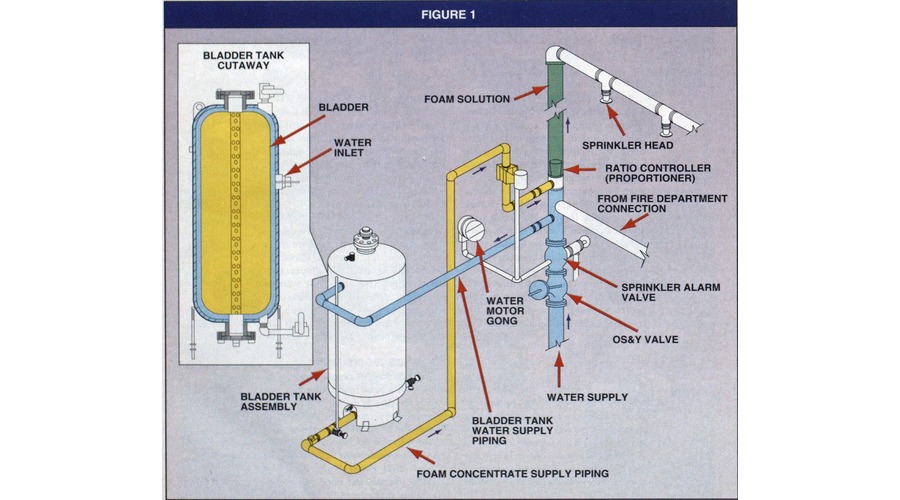
A combined system uses water spray to cool surfaces, control heat, and limit fire spread while another layer handles detection, isolation, or shutdown. For example, a plant may use fire detection to trigger equipment shutdown and then rely on water spray to protect exposed process areas or key assets.
This approach works well for facilities with high value equipment, busy storage zones, or critical processes. Moreover, it helps reduce the chance that one failure takes down an entire operation. That matters in warehouses, manufacturing plants, shopping centres, data linked facilities, and large commercial buildings.
What each layer is trying to achieve
Water spray is often the cooling and exposure protection layer. Detection provides the eyes and ears. Shutdown or isolation removes fuel, power, or process movement that could worsen the event. In some facilities, another suppression method may address the enclosure itself while water spray protects adjacent assets. Put together properly, the setup becomes less about one heroic device and more about a team effort. Even fire protection prefers good backup.
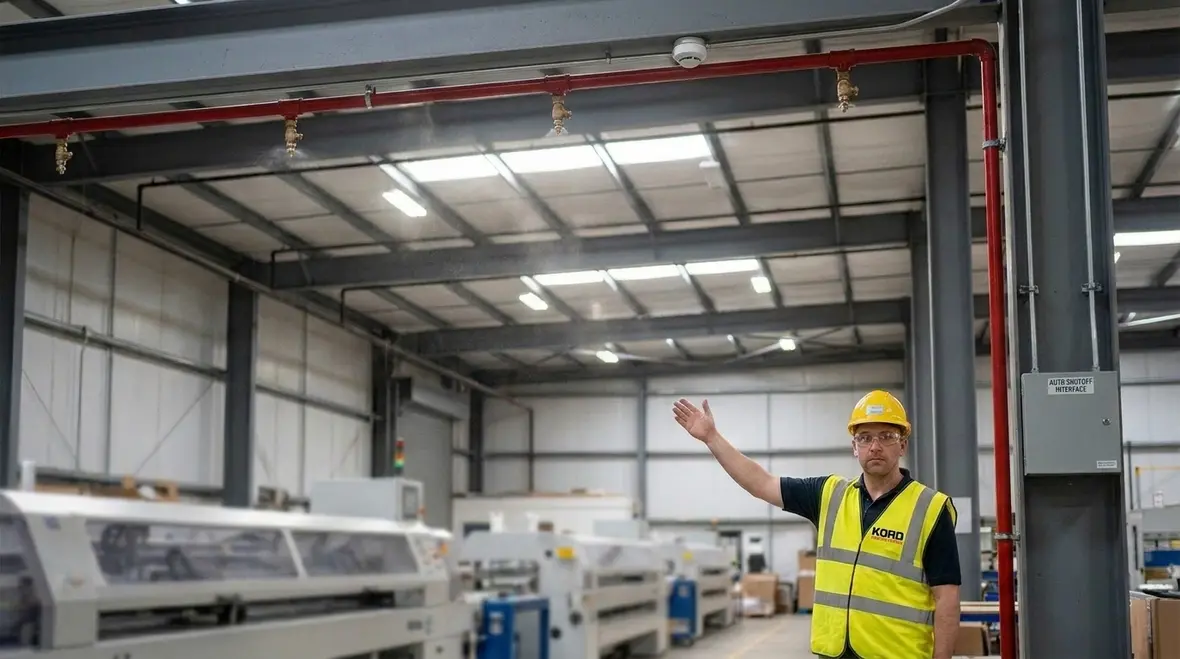
Where NFPA 15 Combined Systems Water Spray Design Fits Best
It suits sites where fire risk has more than one face. The system often supports:
- Process areas with heat sensitive equipment
- Transformers, pumps, and machinery zones
- Storage areas with exposed structural risk
- Commercial plant rooms and service spaces
- Retail back of house areas with mixed hazards
In these settings, the design must match the hazard, not just the floor plan. That is why a solid NFPA 15 combined systems water spray design requires close review of water demand, spray pattern, control logic, and access for maintenance. Kord Fire’s fire sprinkler services emphasize design, installation, servicing, maintenance, and repair for systems that need to perform reliably when it matters most. ([kordfire.com](https://kordfire.com/fire-sprinkler-service/?utm_source=openai))
Settings where layered protection earns its keep
The best fit is usually a site where the hazard is not neatly contained by a single approach. Process plants may need quick shutdown plus cooling. Service spaces may require detection plus surface protection for exposed equipment. Storage and utility zones often benefit when a local event can be controlled before it becomes a broader operational mess. In other words, the more ways a fire can misbehave, the more valuable a combined design becomes.
Design Factors That Matter Most
A good system needs more than pipes and nozzles. It needs a proper plan. First, the water supply must support the required spray density and duration. Next, nozzle placement must cover the right surfaces without wasting water. Then the control system must trigger fast and in the correct sequence.
Also, the installer must think about corrosion, obstruction, pressure loss, and future access. Transitioning from design to installation without checking those details can create weak points. And weak points have a funny way of becoming very expensive at the worst possible time.
The practical checks that save trouble later
Teams should confirm how real site conditions affect the design. That includes physical obstructions, equipment heat loads, valve access, pump performance, drain paths, and how maintenance crews will reach key points safely. Documentation matters too. Clear records help operators, technicians, and compliance teams understand what the system is supposed to do before anyone is standing in front of it during a stressful event.
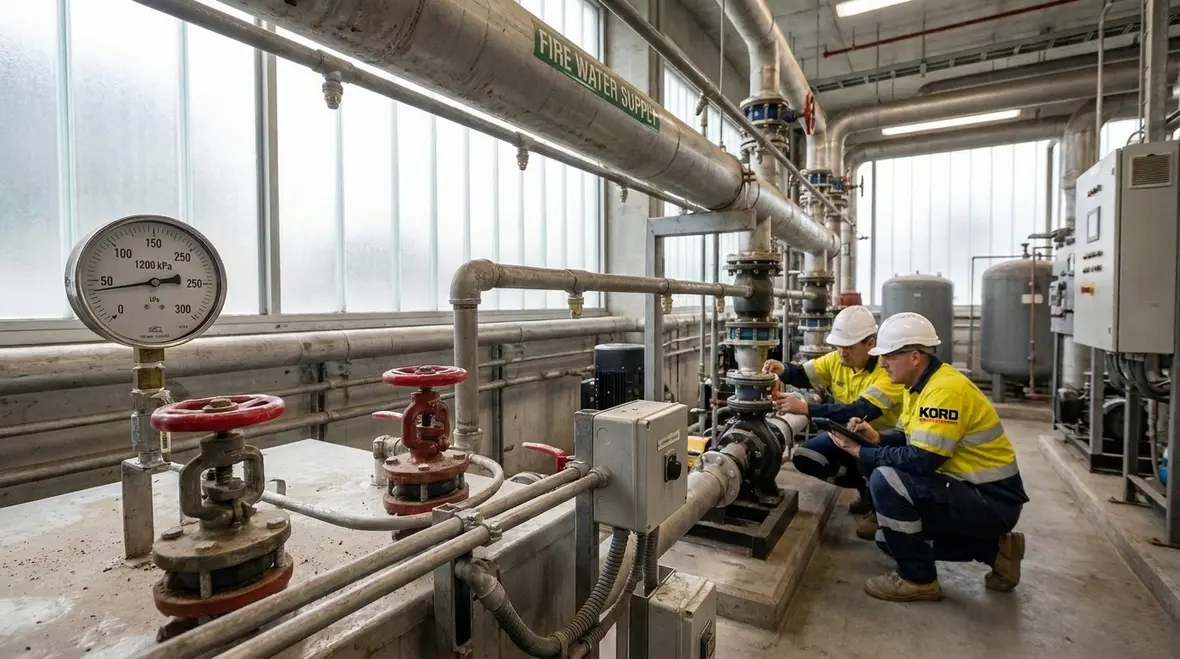
Why Facilities Need a Practical Partner
Facilities face varied site conditions, from hot inland zones to humid coastal areas, and from older infrastructure to highly serviced modern buildings. Because of that, the system design must suit the local environment and the actual use of the building. A one size approach rarely works. It is like bringing a superhero cape to a forklift job. Good in theory, awkward in practice.
Kord Fire Protection can help by reviewing site conditions, coordinating with builders and facility teams, and shaping the combined system so it fits both safety goals and daily operations. In addition, the team can assist with compliance focused planning, upgrades, testing, and long term service. Kord also positions its support around full lifecycle servicing, connecting design, installation, inspection, maintenance, and eventual upgrades under one roof. ([kordfire.com](https://kordfire.com/full-lifecycle-of-fire-protection-servicing/?utm_source=openai))
Why Kord Fire Protection Adds Value
Kord Fire Protection can become a vital partner because combined systems need more than a standard install. They need careful design, clean integration, and reliable service over time. When a site relies on both water spray protection and other fire measures, the stakes rise quickly.
That kind of support helps reduce delays, avoid rework, and keep the site ready. In short, Kord Fire Protection brings the know how that turns a code driven concept into a system people can trust. Their broader service model also covers inspections, testing, maintenance programs, and code-compliant installations across multiple system types, which is useful when a facility would rather not juggle separate vendors and separate headaches. ([kordfire.com](https://kordfire.com/?utm_source=openai))
Design Need
- Water supply sizing
- Control sequencing
- Nozzle layout
- Maintenance access
Why It Matters
- It ensures the system can perform for the full required time
- It helps the spray and related systems activate in the right order
- It improves coverage and reduces blind spots
- It keeps inspections and repairs simple and safe
How Compliance and Testing Keep the System Ready
Once the system is installed, testing and inspection must stay consistent. That includes checking valves, alarms, pumps, spray patterns, and control interfaces. Further, teams should confirm the system still suits the site after changes to layout, equipment, or process.
Compliance is not a one time event. It is part of the system’s life. When Kord Fire Protection handles ongoing service, it helps facilities stay ready, reduce surprises, and keep performance steady. That is the kind of quiet reliability that rarely gets applause, but always gets noticed when it matters. Kord’s maintenance, testing, and inspection focus appears throughout its service pages and lifecycle content, reinforcing the idea that readiness is built over time, not wished into existence on commissioning day. ([kordfire.com](https://kordfire.com/?utm_source=openai))
Related Reading for Water Spray Protection Planning
If your team is reviewing combined protection strategies, it also helps to look at related guidance on fixed water spray applications. A useful next step is NFPA 15: Enhancing Fire Safety with Water Spray Fixed Systems, which adds context around how water spray systems support broader fire safety outcomes on demanding sites.
FAQ
Conclusion
NFPA 15 Section 7.6 gives facilities a smarter way to manage fire risk through combined water spray protection. The real value is not just that multiple protective measures exist, but that they are designed to work together with clear purpose. When the hazard is complex, the response has to be coordinated.
For industrial, retail, and commercial sites, the right design supports safety, uptime, and peace of mind. Kord Fire Protection can help bring that system to life with practical expertise and dependable service. For sites that cannot afford guesswork, that partnership is worth a serious look.

Join Our Newsletter!
Get the latest fire safety tips delivered straight to your inbox From our Newsletter.