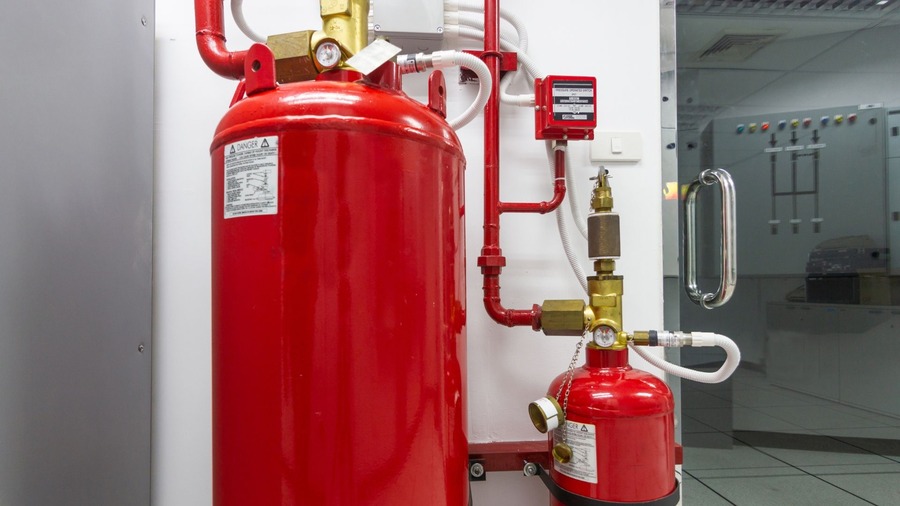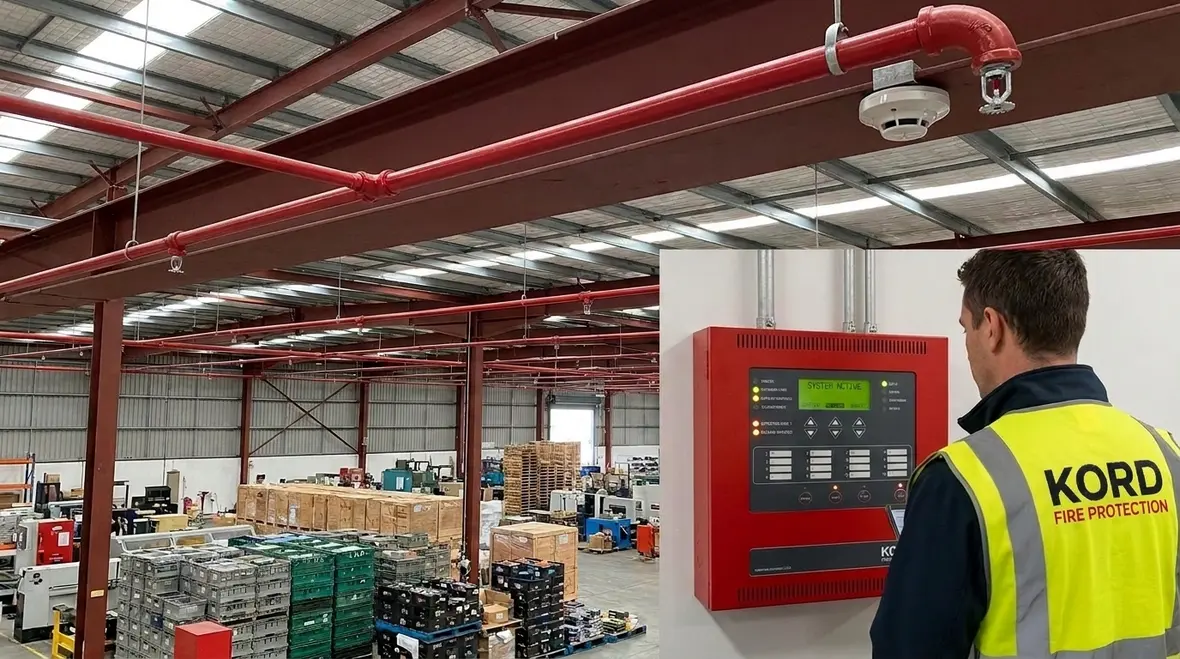
NFPA 15 Section 7.7 Automatic Detection Water Spray Activation
Quick Answer
NFPA 15 Section 7.7 sets the rules for automatic detection equipment used to start water spray systems at the right time. In practice, this means faster response, better asset protection, and fewer false alarms. For industrial, retail, and commercial sites across Australia, Kord Fire Protection can help design, install, test, and maintain these systems with confidence.
When a fire starts, seconds matter. NFPA 15 automatic detection water spray activation gives a site a clear path to trigger water spray systems before heat, flame, or smoke turns a small event into a major loss. In the world of industrial plants, retail centres, warehouses, and commercial facilities, this kind of control is not just helpful. It is often the difference between a contained incident and a day no one wants to explain at the board meeting. And yes, the fire system should not behave like that one colleague who only shows up after the damage is done.
For facilities looking at broader system coordination, full fire protection services can fit naturally into the conversation once detection, suppression, testing, and maintenance all need to work together instead of living in separate folders and hoping for the best.
What NFPA 15 Section 7.7 Covers
NFPA 15 Section 7.7 focuses on automatic detection equipment that starts water spray systems. The goal is simple. Detection must identify a fire condition fast enough to activate the system when it can still do useful work. That means the equipment must suit the hazard, the environment, and the response needed.
For facilities, this section matters because it links detection performance to system action. A sprinkler may control a fire in one area, but water spray systems often protect special hazards, exposed equipment, tanks, conveyors, cable trays, or process areas. Therefore, the detector must not only sense danger. It must do so in a way that supports the full protection strategy.
Why this section matters in real facilities
In real buildings, detectors do not live in a textbook. They live in hot pump rooms, windy loading zones, dusty process areas, equipment enclosures, and commercial spaces with competing demands from operations. Section 7.7 matters because it pushes teams to think beyond simply installing a detector and calling it a heroic success. The activation method has to support real fire growth, real layout conditions, and real operational pressure.
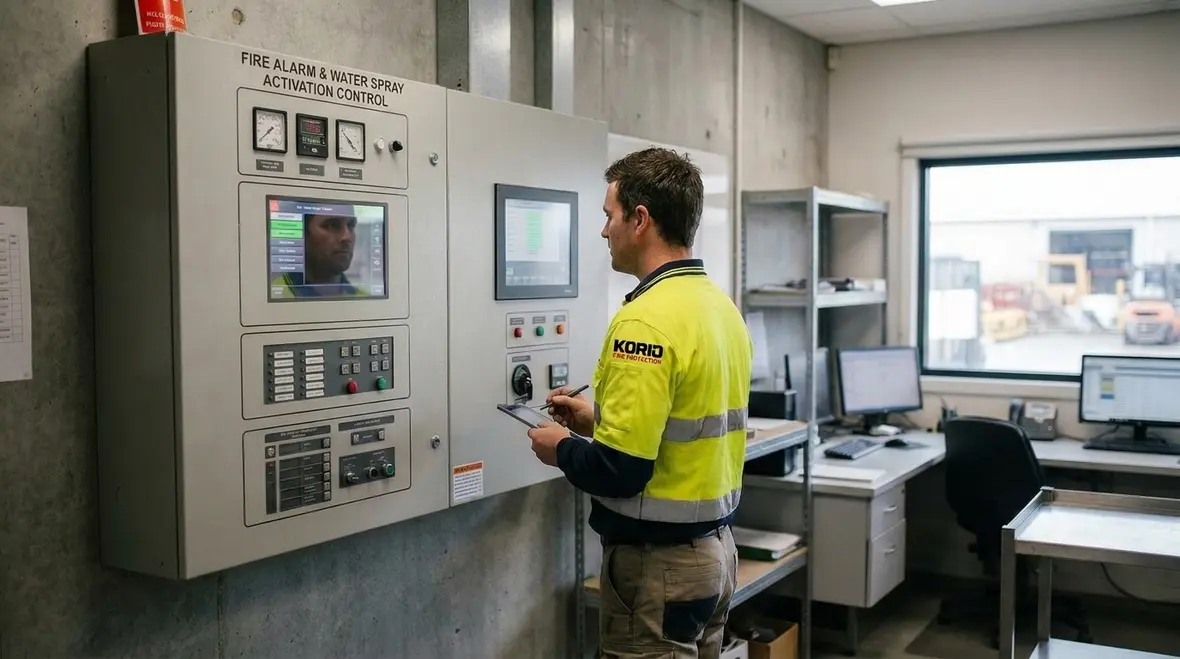
How Automatic Detection Starts Water Spray Systems
In a well designed system, detectors send a signal to release the water spray when fire conditions reach a set point. Common detection types may include heat, flame, smoke, or a combination, depending on the risk and layout. However, the best choice depends on the site, not on guesswork and a lucky hat.
Because water spray systems often protect higher risk assets, detection must be reliable under tough conditions. Dust, steam, vibration, weather, and airflow can all affect performance. As a result, the system design must balance speed and false alarm control. If detection trips too late, the fire grows. If it trips too early, the site wastes water, downtime, and patience.
Common release logic considerations
Release logic is where the design either feels smart or feels like it was assembled during a Friday afternoon panic. Some hazards need rapid single detector response. Others benefit from cross zoning, combined detection, or verification logic before the valve opens. The right approach depends on how quickly the fire may develop, how expensive a false release could be, and how the surrounding equipment responds to water discharge.
| Detection Type | Best Use |
| Heat detectors | Areas where heat rise gives a clear fire signal |
| Flame detectors | Open areas or high hazard equipment with fast flame growth |
| Smoke detectors | Cleaner areas where early warning is needed |
| Combined systems | Sites that need stronger proof before release |
Each option brings strengths and tradeoffs. Heat detection can be durable and practical in certain harsh spaces. Flame detection can respond quickly in open process areas. Smoke detection can provide earlier notice in clean environments. Combined systems can help reduce nuisance activation where one signal alone is not enough. The key is to match the tool to the hazard instead of falling in love with a device because it sounded impressive in a meeting.
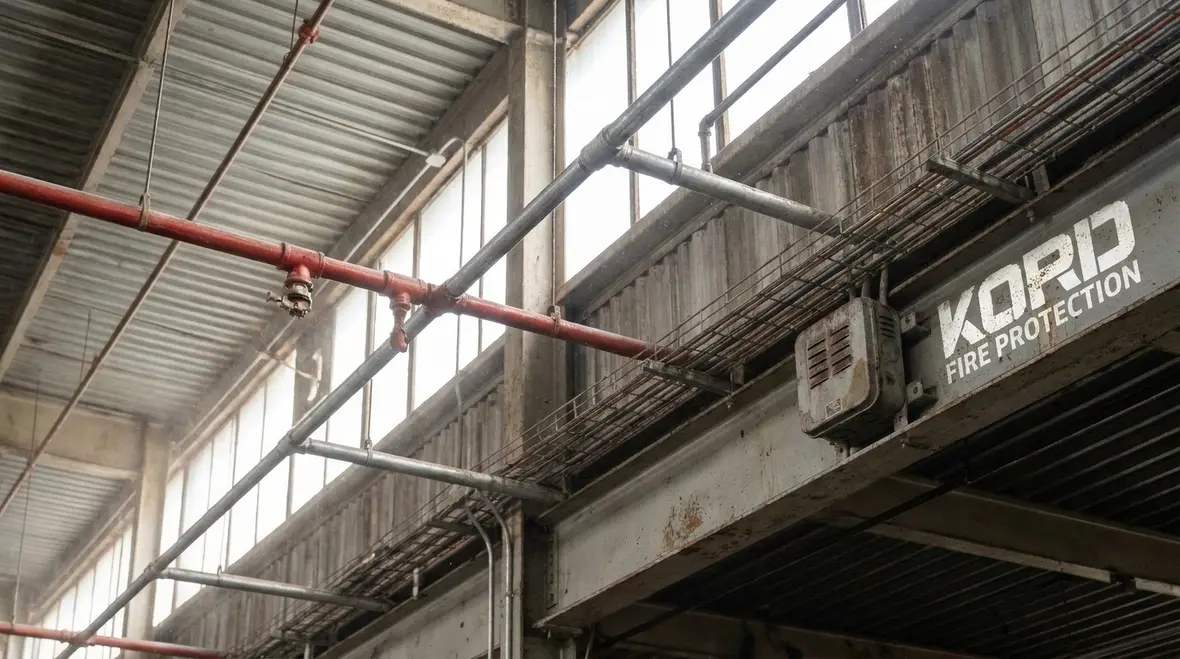
Why Detection Design Matters for Australian Facilities
Across Australia, industrial and commercial sites face a wide range of fire risks. A logistics hub in Sydney, a manufacturing plant in Melbourne, or a retail distribution centre in Brisbane will not share the same hazards. Even so, each site needs a detection strategy that fits the local environment, the process, and the building design.
That is where NFPA 15 automatic detection water spray activation becomes more than a code reference. It becomes part of a site’s wider risk control plan. The design must consider wind, ventilation, equipment spacing, electrical interfaces, and maintenance access. It must also work with other life safety and fire protection systems already on site. In short, the system has to play well with others, which is rare in life and even rarer in fire protection.
Environmental issues that can affect performance
A detector that works beautifully in a quiet clean room can struggle badly near dust producing machinery, moving air, radiant heat, outdoor exposure, or vibration. That is why spacing, orientation, detector technology, and even maintenance access matter so much. If technicians cannot safely inspect and test the equipment, reliability eventually turns into optimism with wires attached.
Facilities also benefit from related guidance on water spray applications. For readers wanting broader context, NFPA 15 enhancing fire safety with water spray fixed systems adds useful perspective on where these systems fit within a larger protection strategy.
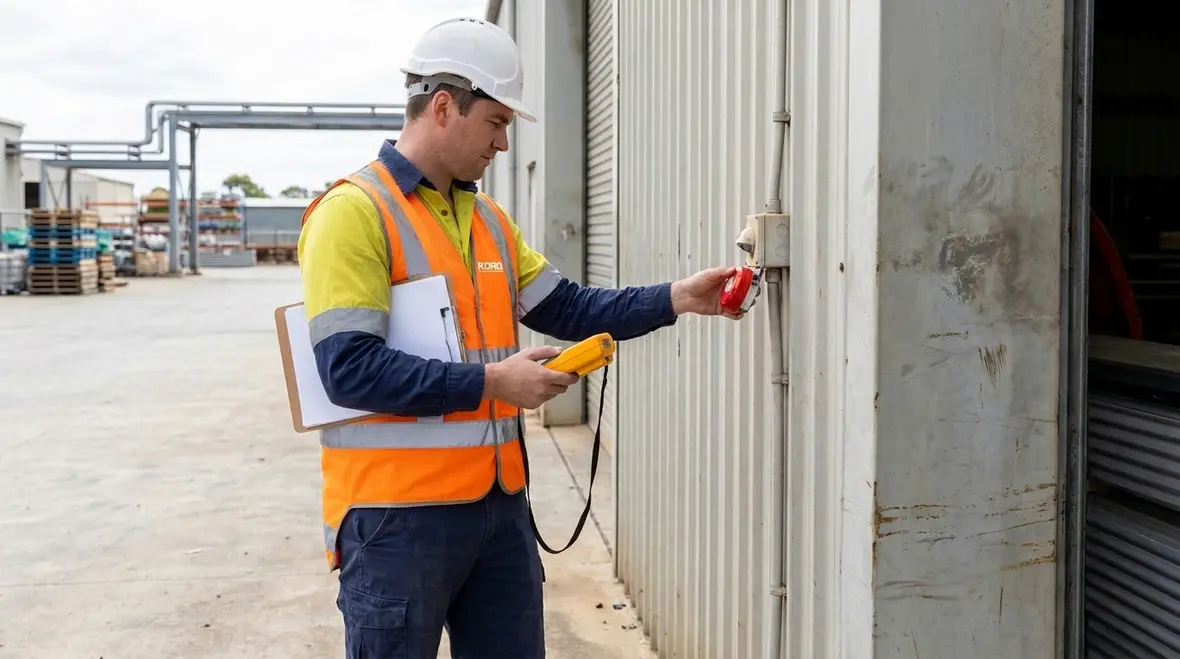
How Kord Fire Protection Supports the Job
Kord Fire Protection can become a vital partner for this service because the job needs more than hardware. It needs planning, technical skill, compliance knowledge, and disciplined follow through. Their role can include site review, design input, system installation, commissioning, testing, and ongoing maintenance.
For facilities teams, that support matters. Kord Fire Protection can help match the detector type to the hazard, confirm the release logic, and make sure the installation suits the site layout. They can also help reduce downtime by building maintenance plans that keep the detection system ready without creating unnecessary interruptions. That kind of support is valuable when the site cannot afford trial and error. The fire does not care about your calendar, and sadly, neither does compliance.
What support should include
A strong provider helps from concept through lifecycle service. That includes reviewing the hazard, coordinating with other systems, validating device locations, testing the activation path, documenting results, and planning future service intervals. In other words, it is not just about making the system work once. It is about making sure it still works after staffing changes, layout changes, production changes, and the thousand tiny changes a busy facility makes without writing a novel about each one.
What a Good Compliance Process Looks Like
A solid compliance process starts with hazard review. Then the team selects detection equipment that fits the risk. After that, installers position the devices for proper coverage, safe access, and dependable activation. Finally, testers verify function, timing, alarms, and release actions.
For industrial, retail, and commercial facilities, this process should also include records. Clear documents help the owner prove the system was designed and tested correctly. They also make future service faster and less painful. Nobody enjoys opening an old binder and finding notes that read like a treasure map drawn by a sleepy raccoon.
Documentation that actually helps later
Good documentation should identify detector types, locations, wiring or control logic, testing methods, impairments, corrective actions, and the dates of service. That way, future inspections do not begin with archaeological fieldwork. Clean records also help owners, insurers, contractors, and facility managers stay aligned when upgrades or investigations become necessary.
When to Review or Upgrade the System
A site should review its detection and water spray activation system when the hazard changes, the building layout changes, or the fire risk changes. New machinery, storage changes, tenancy changes, and ventilation changes can all affect detector performance.
In addition, regular inspections should confirm that devices remain clean, aligned, powered, and free from damage. Even a strong system can lose reliability if dust builds up or the environment changes. Therefore, review should not wait for an alarm event. It should happen before the system needs to prove itself under pressure.
Practical triggers for reassessment
If racking height increases, new conveyors arrive, ventilation patterns shift, partitions go up, or fuel loads change, the detection strategy deserves another look. Even a small change can affect line of sight, smoke movement, heat build up, or access for testing. A system that once fit perfectly can slowly drift out of alignment while everyone stays busy congratulating themselves for being efficient.
FAQ
Conclusion
NFPA 15 Section 7.7 gives facilities a clear path for automatic detection equipment that triggers water spray at the right moment. For Australian industrial, retail, and commercial sites, the right partner makes all the difference. Kord Fire Protection can help build a system that works, lasts, and protects what matters.
For a site review or service plan, they are worth the call. When detection, release logic, maintenance, and documentation all line up, a facility gains more than compliance. It gains confidence that the system will respond when it is supposed to, not after the story has already gone from manageable to memorable for all the wrong reasons.

Join Our Newsletter!
Get the latest fire safety tips delivered straight to your inbox From our Newsletter.