
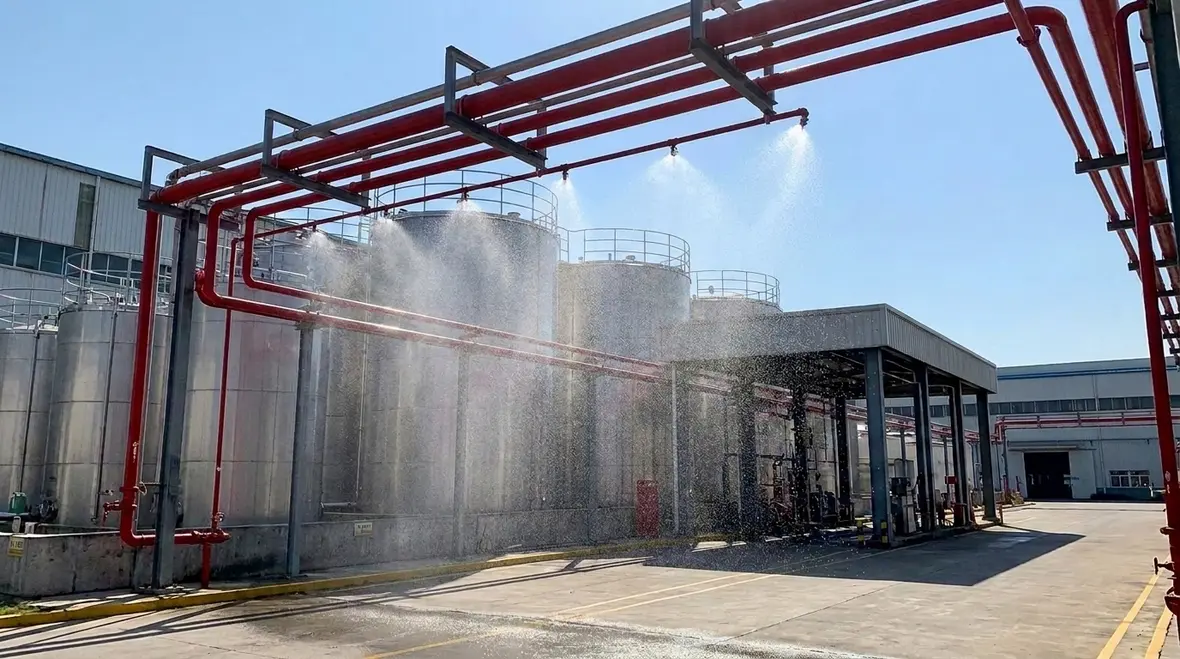
NFPA 15 Flammable Vapor Mitigation Water Spray in Australia
Quick Answer
NFPA 15 flammable vapor mitigation water spray helps control vapors before they spread, ignite, or drift into unsafe zones. It uses a designed water spray pattern to knock down vapor clouds and reduce risk in industrial and commercial sites. For Australian facilities, Kord Fire Protection can help design, install, and maintain these systems with practical, site ready support.
NFPA 15 Section 7.5 deals with a serious job: limiting flammable vapor movement using water spray. In plain terms, it gives facilities a way to use water as a shield, not just a hose and a hope. The goal is simple. Stop vapors from building, drifting, and turning a bad day into a headline. For industrial, retail, and commercial sites across Australia, NFPA 15 flammable vapor mitigation water spray can play a major role in risk control, especially where fuel, chemicals, or process liquids are present. And yes, this is one of those jobs where a calm expert matters more than a loud one.
For facilities planning broader protection upgrades, Kord Fire Protection’s fire protection support for compliance and readiness in Australia fits naturally into the bigger picture, especially when vapor control needs to work alongside inspection, maintenance, and operational planning. If your site includes specialized hazards beyond vapor release zones, Kord Fire Protection also shares useful insight on special hazard fire suppression in Australia. And for readers wanting added technical context, Kord Fire Protection’s article on NFPA 15 water spray fixed systems is worth keeping open in the next tab.
What NFPA 15 Section 7.5 Is Trying to Do
Section 7.5 focuses on using water spray to reduce the impact of flammable vapors. It does not treat water as a magic fix. Instead, it uses properly placed spray nozzles to help dilute, knock down, and control vapor clouds. That matters because vapors do not sit still like a polite guest. They move, spread, and find trouble fast.
In practice, the system supports safer conditions around tanks, transfer areas, loading bays, process equipment, and other high risk zones. The design must match the hazard, because a weak layout can leave gaps, while an overdone one can waste water and still miss the target. Nobody wants a system that works like a storm cloud with no rain.
This part of the standard is really about control. Not panic. Not improvisation. Not three people pointing in different directions while someone asks where the shutoff is. It gives teams a structured way to interfere with vapor behavior before that behavior becomes dangerous. When the spray pattern is designed around the actual release risk, the system can help keep the incident smaller, slower, and far easier to manage.
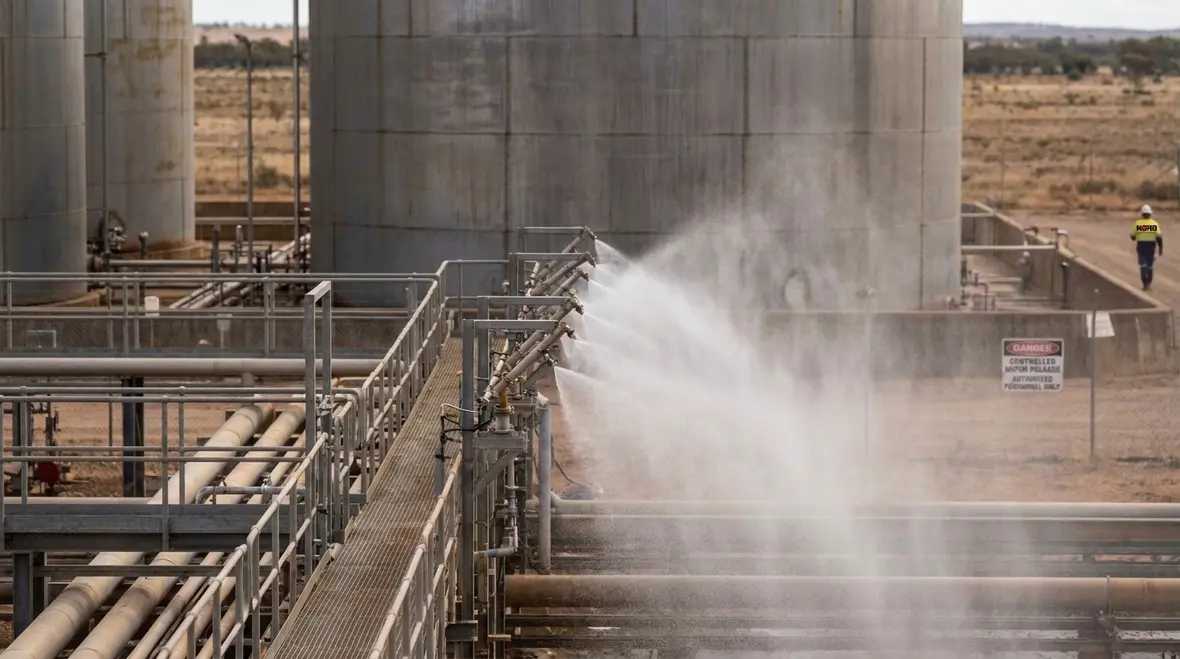
Where Flammable Vapor Mitigation Matters Most
These systems matter in places where flammable liquids or vapor producing products are stored, handled, or moved. That includes fuel terminals, chemical facilities, manufacturing sites, warehouses, service yards, and many retail support areas with bulk storage or transfer points.
- Tank farms and bunded areas
- Loading and unloading bays
- Flammable liquid storage rooms
- Process areas with vapor release risk
- Plant rooms and mechanical spaces
Because vapor clouds can travel, the spray pattern must reach the right area at the right time. In other words, the system has to arrive before the drama does.
Australian sites add another layer of complexity because layouts vary so much. One facility may have open transfer space with strong wind exposure, while another may have partially enclosed plant areas where vapor movement behaves very differently. The same product can present a very different hazard depending on storage method, temperature, equipment arrangement, and ignition sources nearby.
Common site conditions that raise the stakes
- Frequent loading activity that increases release opportunities
- Warm climates that can worsen vapor generation
- Congested equipment layouts that trap or redirect vapor movement
- Mixed use areas where operations and storage overlap
- Remote sections of site where fast manual response is less reliable
That is why water spray for vapor mitigation earns attention in real world planning. It helps create a layer of active protection in areas where waiting and hoping are both terrible strategies.
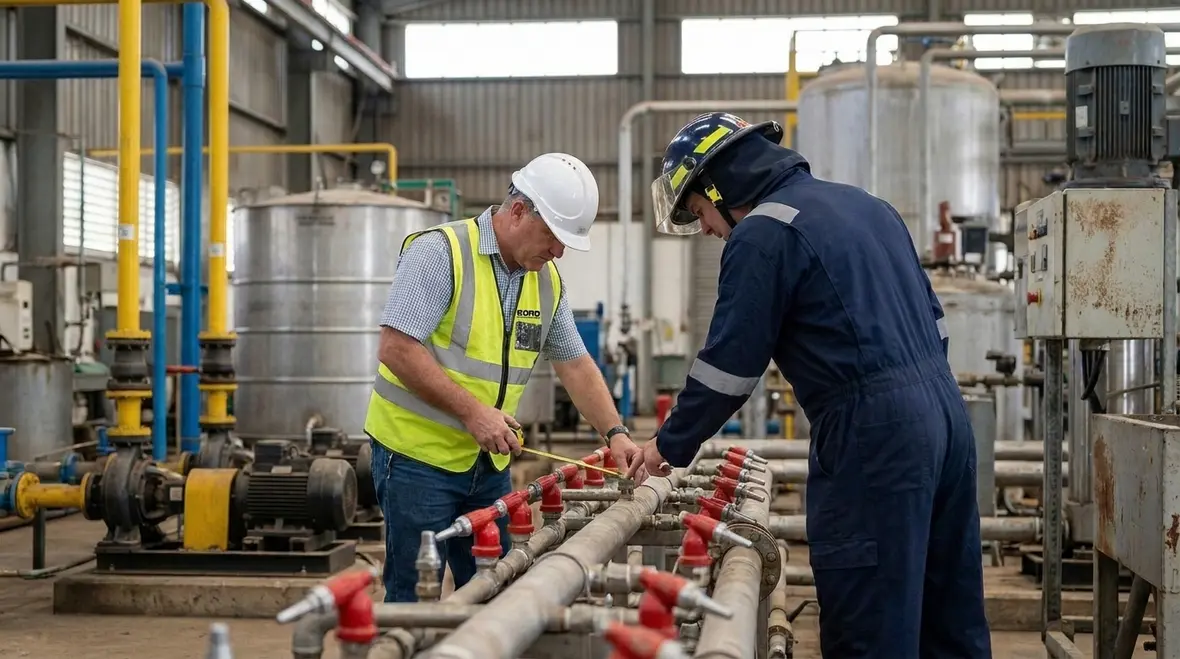
How NFPA 15 Flammable Vapor Mitigation Water Spray Works
The system releases a designed spray pattern that helps manage vapor movement. It can reduce concentration near the release point, cool the area, and help lower the chance of ignition. However, the real strength lies in the design. Nozzle spacing, height, density, pressure, and coverage all need proper planning.
Here is a simple view of the process in dual columns:
Water Spray Action
Controls vapors near the source and nearby air space.
Design Goal
Reduce vapor spread and improve safety around exposed equipment.
Key Result
Lower risk of ignition, better site protection, and faster response conditions.
Why It Matters
It gives operators time and space to respond before a vapor issue becomes something far more expensive.
This is not a one size fits all setup. A fuel yard does not need the same answer as a chemical transfer point, much like a screwdriver does not replace a whole toolbox, no matter how heroic it feels.
A well designed system also considers how the spray interacts with the environment. Too little reach can leave blind spots. Too much force in the wrong place can reduce effectiveness. The objective is not just to turn water on. It is to create a controlled response that shapes where vapors go, how far they move, and how much danger they present while emergency actions are underway.
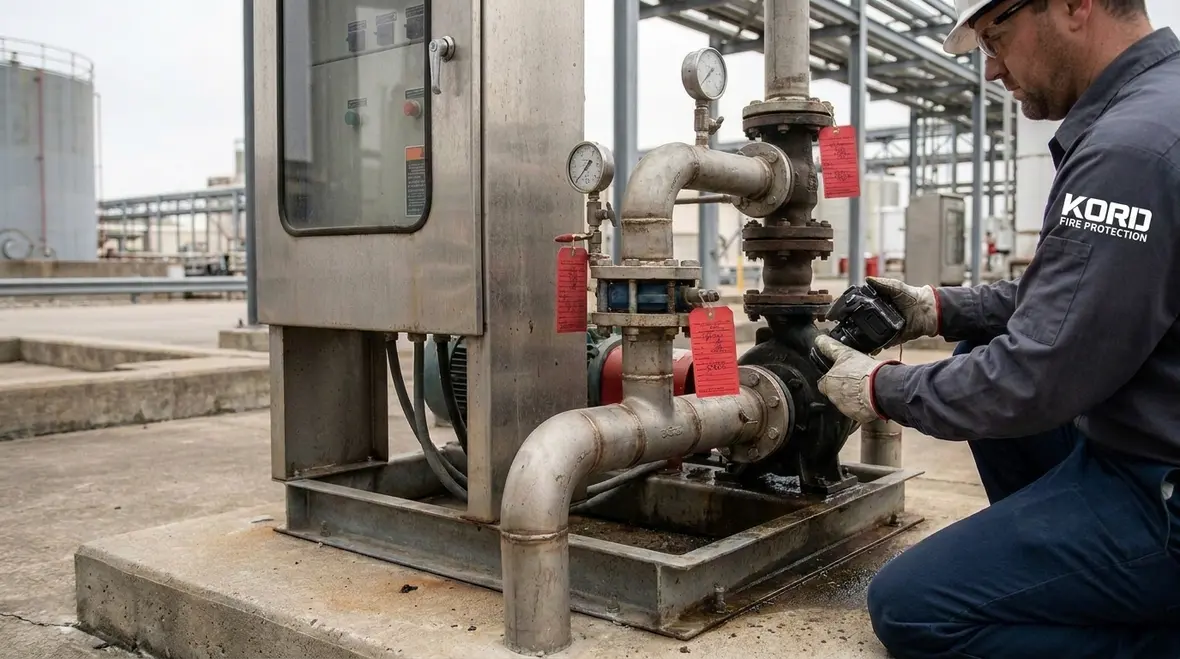
Design Factors That Shape the System
A proper NFPA 15 flammable vapor mitigation water spray setup depends on site details. Engineers and fire protection teams look at liquid type, release volume, vapor behavior, wind exposure, building layout, and nearby ignition sources. They also review local conditions, because Australia brings heat, wind, and varied site layouts into the mix.
- Hazard type and vapor flash point
- Spray coverage and discharge density
- Water supply capacity and pump performance
- Equipment placement and access
- Maintenance needs and inspection access
Good design also keeps operations in mind. A system should protect people and assets without getting in the way of daily work. That balance matters. Safety should feel steady, not theatrical.
Why details matter more than generic layouts
The challenge with vapor mitigation is that small assumptions can create large gaps. If the release point is likely to shift, nozzle placement has to reflect that. If crosswinds are common, the spray strategy has to account for that. If operators need clear access during an emergency, the layout cannot work against the people expected to use the area safely. Good engineering solves for the real site, not the imaginary perfect one.
Design teams also need to think about the system as part of a larger protection network. Detection, alarms, water supply, pumps, controls, isolation procedures, and maintenance access all matter. A strong system is rarely strong because of one dramatic component. It is strong because everything cooperates without complaint.
Why Kord Fire Protection Can Be a Vital Partner
Kord Fire Protection can become a vital partner because these systems demand more than parts and pipework. They need practical experience, careful planning, and a clear grasp of site risk. Kord Fire Protection can help assess the hazard, guide system selection, and support installation that fits the real world, not just the drawings.
For industrial, retail, and commercial clients across Australia, that kind of support helps reduce delays and avoid costly mistakes. It also helps keep compliance goals in sight while improving day to day safety. In short, Kord Fire Protection can help turn a code requirement into a working protection layer.
That matters because vapor mitigation projects often touch multiple priorities at once: hazard control, operational continuity, testing access, equipment coordination, and long term serviceability. Kord Fire Protection’s practical approach helps teams keep those priorities aligned instead of letting them compete with one another like rivals in a meeting no one wanted to attend.
Whether a facility is improving one high risk zone or planning broader upgrades, having a partner who can connect design intent with installation reality is valuable. The drawing has to work. The hardware has to work. The maintenance plan has to work. And ideally, everyone involved would prefer not to learn hard lessons during an actual incident.
What Maintenance and Testing Should Cover
Even the best system needs regular care. Nozzles can clog, valves can fail, pumps can drift, and controls can age. Therefore, inspection and testing should stay on a set schedule. That keeps the system ready when vapor risk shows up uninvited.
- Nozzle condition and spray pattern
- Valve operation and response time
- Water supply pressure and flow
- Corrosion, blockages, and leaks
- Alarm and control function
Reliable testing also supports insurance, compliance, and site confidence. After all, nobody wants to discover a fault during the main event.
A steady maintenance mindset beats a heroic one
Maintenance should confirm more than whether water comes out. Teams should verify coverage remains correct, controls respond as intended, and supply conditions still match the design basis. Changes to surrounding equipment, structures, or operations can quietly undermine performance over time. In other words, a system may still be present while being less effective than everyone assumes.
That is why routine review matters. It catches wear, drift, obstruction, corrosion, and small faults before they turn into large surprises. Fire protection performs best when it is boring in the best possible way: checked, documented, ready, and not dependent on luck.
FAQ
Conclusion
NFPA 15 flammable vapor mitigation water spray gives facilities a smart way to control vapor risk before it grows teeth. For Australian industrial, retail, and commercial sites, the right design and support matter. Kord Fire Protection can help deliver a system that fits the hazard, the site, and the people who work there every day.
For a safer, stronger setup, Kord Fire Protection should be part of the conversation early. When vapor control is planned properly, tested properly, and maintained properly, it becomes a dependable layer of protection rather than an expensive guess with pipework attached.

Join Our Newsletter!
Get the latest fire safety tips delivered straight to your inbox From our Newsletter.



