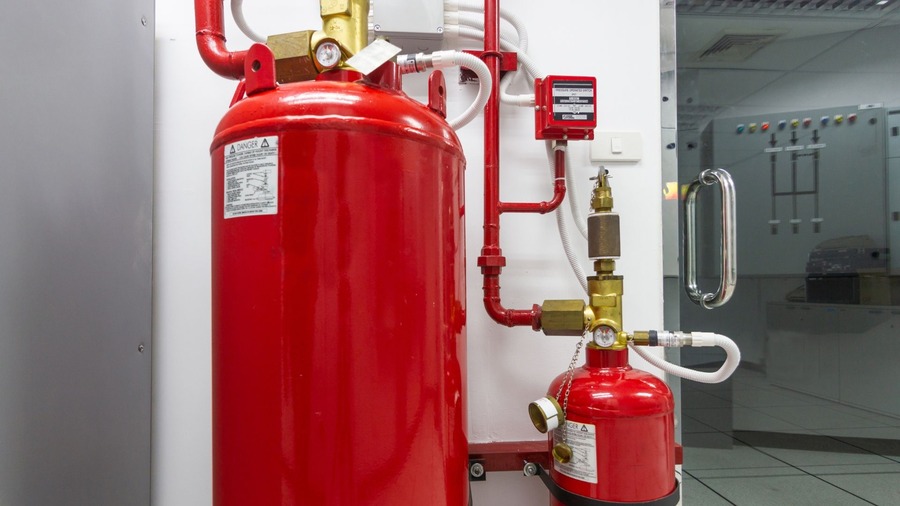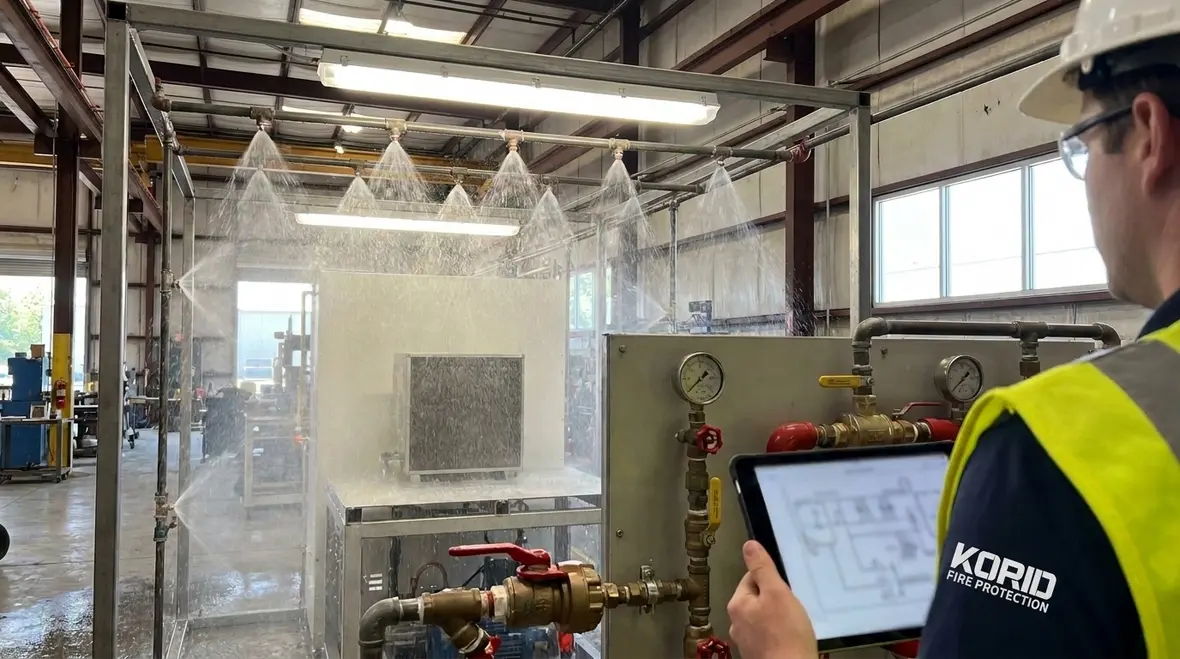
NFPA 15 Section 7.2 Extinguishment Design Water Spray
Quick Answer
NFPA 15 Section 7.2 sets the path for extinguishment design in water spray systems by tying fire hazard, discharge demand, and equipment layout into one clear plan. For industrial, commercial, and facility sites across Australia, that means safer protection, better compliance, and fewer costly surprises. Kord Fire Protection can help make that process practical, accurate, and ready for real world use.
Sites that need broader support can also explore Kord Fire Protection’s fire sprinkler system services for design, servicing, and repair support that fits naturally alongside water spray planning. If you want wider context on the standard itself, it also helps to review NFPA 15: Enhancing Fire Safety with Water Spray Fixed Systems before diving deeper into Section 7.2.
For sites that face heat, flammable liquids, or exposed critical equipment, NFPA 15 extinguishment design water spray guidance is not just paperwork. It shapes how a system performs when fire shows up uninvited, which, like a bad sequel, nobody asked for. In Section 7.2, the standard pushes designers to match water spray performance to the actual hazard. That matters for industrial plants, retail back of house areas, warehouses, processing spaces, and commercial facilities that need fast, focused fire control.

What NFPA 15 Section 7.2 means in simple terms
Section 7.2 focuses on extinguishment design, which means the system must deliver enough water, in the right pattern, for the hazard it protects. It does not rely on guesswork. Instead, it asks the designer to account for the fire load, the shape of the protected area, the spray coverage, and the needed application density. As a result, the system can cool surfaces, control flames, and support fire suppression where heat can spread fast.
This is where water spray systems stand apart from simple water distribution. They do not just wet an area and hope for the best. They aim water at the hazard with purpose. Therefore, a good design considers nozzle placement, spacing, pressure, and flow rate as linked parts of one job. If one part slips, performance can suffer. Fire does not grade on a curve.
Why targeted spray matters more than general wetting
The goal is not simply to make everything damp and call it a victory. The goal is to put water where it can actually interrupt heat transfer, cool exposed surfaces, and reduce flame spread around the hazard zone. In practice, that means the spray pattern has to reach the right points consistently, not just the easiest points. Equipment shape, obstructions, and surface exposure all change how useful the water really is once it leaves the nozzle.
That is also why extinguishment design should be read as a performance issue, not just a drafting issue. A neat layout on paper can still fail if the pattern misses the hazard edges, if pressure falls away where it matters most, or if the supply cannot sustain the required discharge. The standard pushes designers to think beyond linework and into real behavior, which is exactly where good fire protection earns its keep.
How does the extinguishment design process work?
The design process usually starts with the hazard itself. A designer reviews what needs protection, how fire could grow, and what type of response the site requires. Then the team sets the discharge pattern and calculates water demand. After that, the layout gets checked against the actual equipment, structure, and access limits. Finally, the system gets matched with the water supply and pump capacity so it can do its job under pressure, not just on paper.
| Design element | Why it matters |
|---|---|
| Hazard review | Defines the fire threat and target protection level |
| Nozzle layout | Controls coverage and spray direction |
| Water supply | Ensures the system can deliver the needed flow |
| Pressure and flow | Affects spray pattern and extinguishment performance |
The step everyone regrets skipping
Field verification tends to be the part that saves projects from expensive surprises later. Drawings may say one thing, but installed equipment, clearance restrictions, access platforms, cable trays, and future service zones often say something else entirely. If those realities are ignored, the final system can end up with blocked spray paths, awkward maintenance access, or hydraulic demands that looked harmless until the site conditions joined the meeting.
A careful review also helps teams coordinate pumps, valves, and alarms as one system instead of several unrelated decisions wearing the same safety vest. That coordination matters because extinguishment performance depends on timing, delivery, and reliability. When the pieces are aligned early, the project is more likely to avoid rework, delays, and the classic budget conversation nobody enjoys.
Where NFPA 15 matters most for Australian facilities
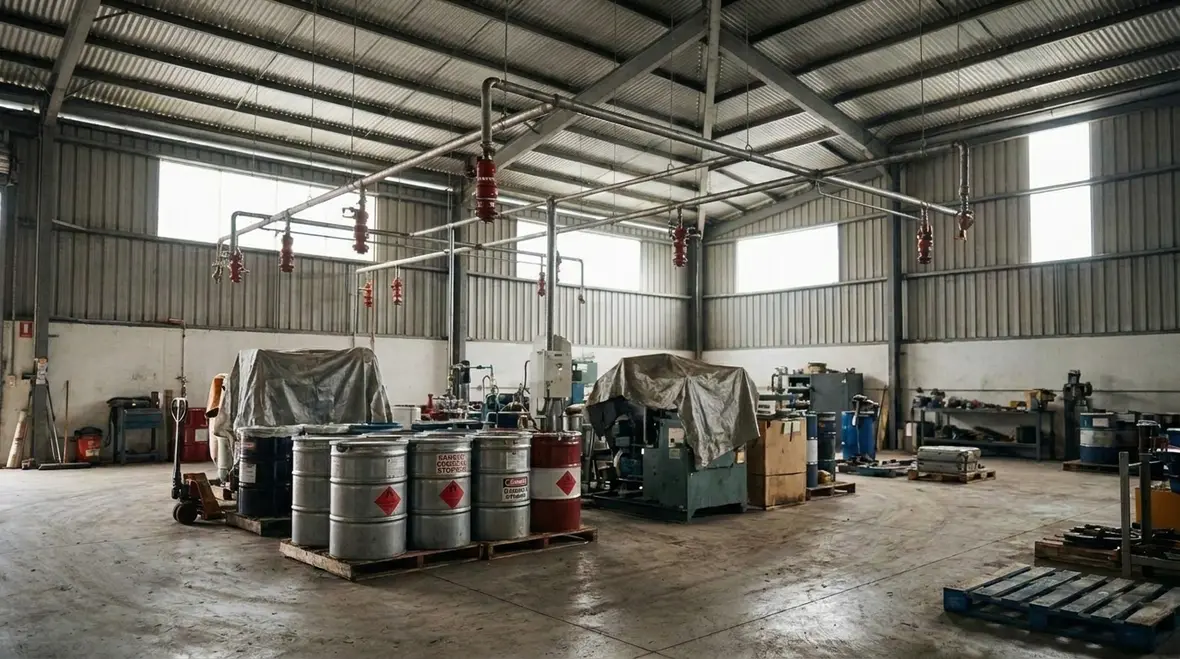
Across Australia, many sites deal with large floor areas, valuable plant assets, and mixed fire risks. Industrial facilities may protect transformers, fuel systems, conveyors, or process lines. Commercial buildings may need protection for back of house mechanical spaces or critical service rooms. Retail sites can also face high fuel load zones in storage and loading areas. In all of these settings, NFPA 15 extinguishment design water spray principles help the system respond with discipline instead of drama.
Moreover, Australian operations often need solutions that fit local standards, site rules, and practical maintenance realities. That is why the right design partner matters. A system that looks fine in drawings but fails in the field is about as useful as a chocolate teapot. The standard helps reduce that risk by forcing clear design logic from the start.
Common facility areas where design decisions carry extra weight
High consequence areas tend to share one trait: once fire takes hold, the cost grows quickly. That can mean downtime, damaged stock, equipment replacement, business interruption, and a long list of follow up problems nobody wanted on the calendar. Water spray design becomes especially important around exposed process equipment, storage interfaces, utility infrastructure, and service rooms where fire can spread fast or disable key operations.
The same logic applies to facilities with mixed occupancy needs. A warehouse may connect to office functions, loading areas, plant spaces, and electrical services that all carry different hazards and operational priorities. Good extinguishment design helps each area get protection that suits its role instead of forcing a one size fits all solution that only looks efficient until reality gets involved.
Why water spray design is not just about flow rate
Many people think more water automatically means better protection. However, that idea can miss the mark. Proper extinguishment design needs the right droplet size, spray angle, and coverage pattern. Too much water in the wrong place can waste supply and leave the hazard exposed. Too little pressure can weaken the spray and reduce reach. Therefore, the design must balance fire control with system efficiency.
Just as important, the piping, valves, pumps, and alarms must all work together. If the system lacks coordination, the response can lag when seconds matter. That is why experienced fire protection teams study the whole system, not only the nozzle count. The fire may arrive with confidence; the design should answer with better planning.
Performance depends on the whole chain
An extinguishment system is only as strong as its weakest practical decision. A smart nozzle arrangement can still be undermined by poor valve selection, weak supply confidence, awkward zoning, or maintenance access that encourages corners to be cut later. The design has to survive the full lifecycle, not just the approval phase. That includes inspection, testing, repairs, and the annoying but very real ways facilities evolve over time.
This is where experienced coordination pays off. Teams that understand hazard protection, serviceability, and system behavior can build layouts that remain effective after installation day. They can also avoid overdesign that inflates cost without improving actual outcomes, which is always a nice bonus when budgets are acting dramatic.
How Kord Fire Protection can become a vital partner
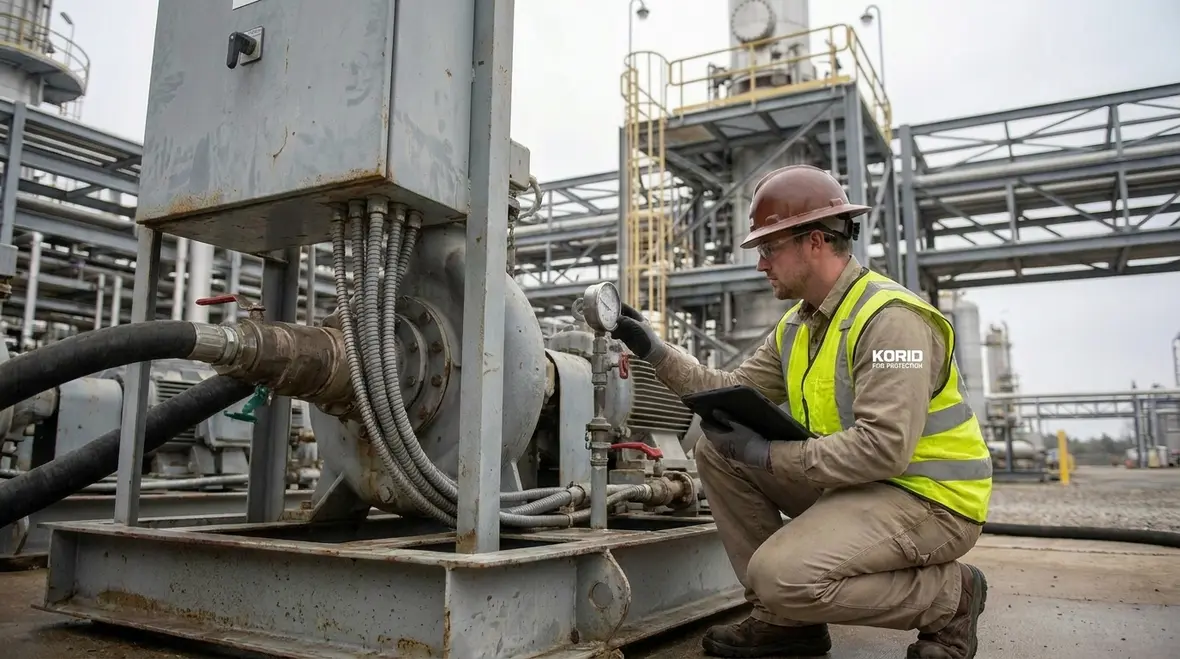
Kord Fire Protection can support businesses by turning NFPA 15 requirements into a working solution. The team can help assess hazards, plan the water spray layout, and make sure the design aligns with the site’s protection goals. In addition, Kord Fire Protection can assist with system integration, compliance checks, and practical installation support so the final result works in the real world, not just in a tidy report.
For industrial, retail, and commercial clients, that support matters. Projects move faster when the design team understands both the code and the site. Maintenance also becomes easier when the system is built with service access in mind. As a result, Kord Fire Protection can help reduce delays, cut redesign risk, and keep protection aligned with business operations.
Why partner with an expert instead of going it alone?
Because water spray design is a technical job with real consequences. A strong partner can help avoid oversizing, poor nozzle placement, weak pressure performance, and costly rework. Moreover, an expert can help translate NFPA language into a system that suits local buildings and operating needs. That combination can save time, money, and a few headaches along the way.
It also helps to work with a team that sees protection as an ongoing responsibility rather than a one time milestone. Hazards shift, facilities change, access routes move, and service demands rarely stay polite for long. Having practical support through review, installation, and maintenance helps keep the original design intent alive instead of letting it fade into a binder on a shelf.
FAQ
Conclusion
NFPA 15 Section 7.2 gives facilities a clear path to better fire protection through proper extinguishment design. For Australian businesses, that means smarter planning, stronger safety, and fewer costly mistakes. It helps teams connect hazard review, water demand, coverage, and equipment layout into one practical strategy that can actually perform when conditions turn ugly.
Kord Fire Protection can help bring that standard to life with practical support, technical skill, and site focused service. For operations that need protection done right, the next step starts with a conversation, preferably before fire gets any bright ideas.

Join Our Newsletter!
Get the latest fire safety tips delivered straight to your inbox From our Newsletter.