
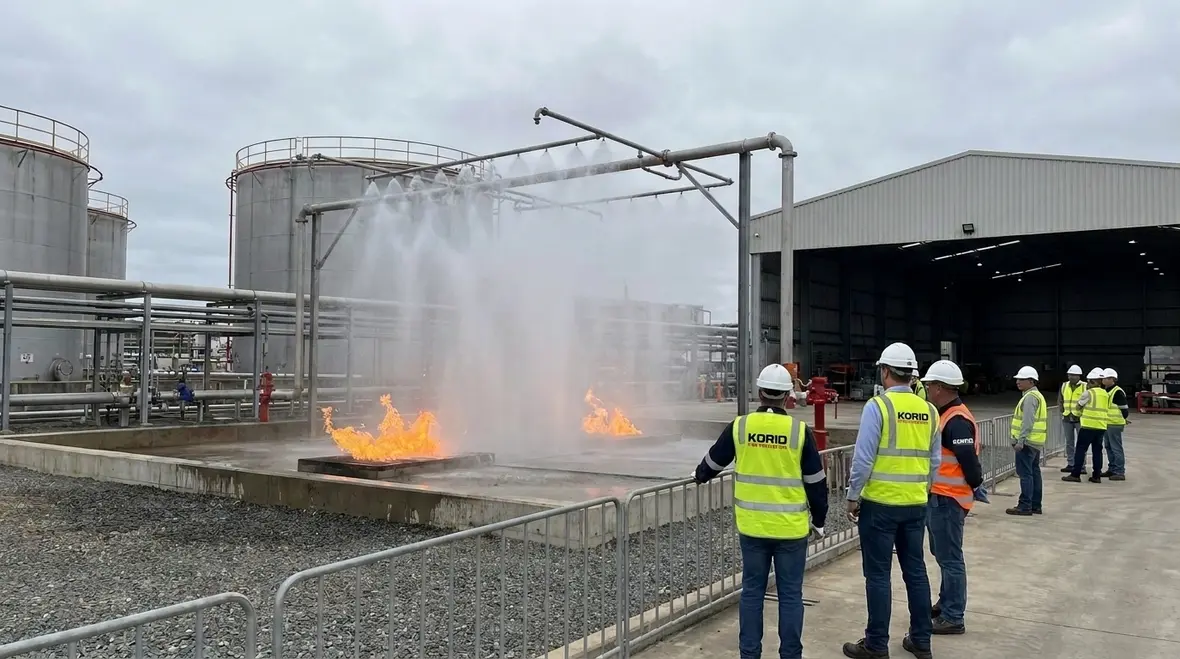
NFPA 15 Section 7.3 Water Spray Design for Fire Control
Quick Answer: NFPA 15 Section 7.3 sets the rules for controlling burning with water spray systems, mainly in industrial and commercial fire risk areas. It helps teams use the right spray pattern, flow, and coverage to stop fire spread fast. Kord Fire Protection can support design, installation, and compliance so sites stay ready, safe, and audit friendly.
In a serious fire event, a well planned NFPA 15 fire control water spray design can do more than wet down a hazard. It can slow flame spread, protect exposed equipment, and buy precious time for people and emergency crews. That matters across Australian industrial plants, retail assets, commercial sites, and large facilities where fire does not politely wait its turn. Near the start of that process, many teams also benefit from reviewing fire suppression system services to understand how design, installation, inspection, and maintenance fit together on a real site. Kord Fire Protection can play a vital role here, helping teams build systems that match the risk, the site, and the standard. And yes, fire safety can be technical without sounding like a sleep aid.
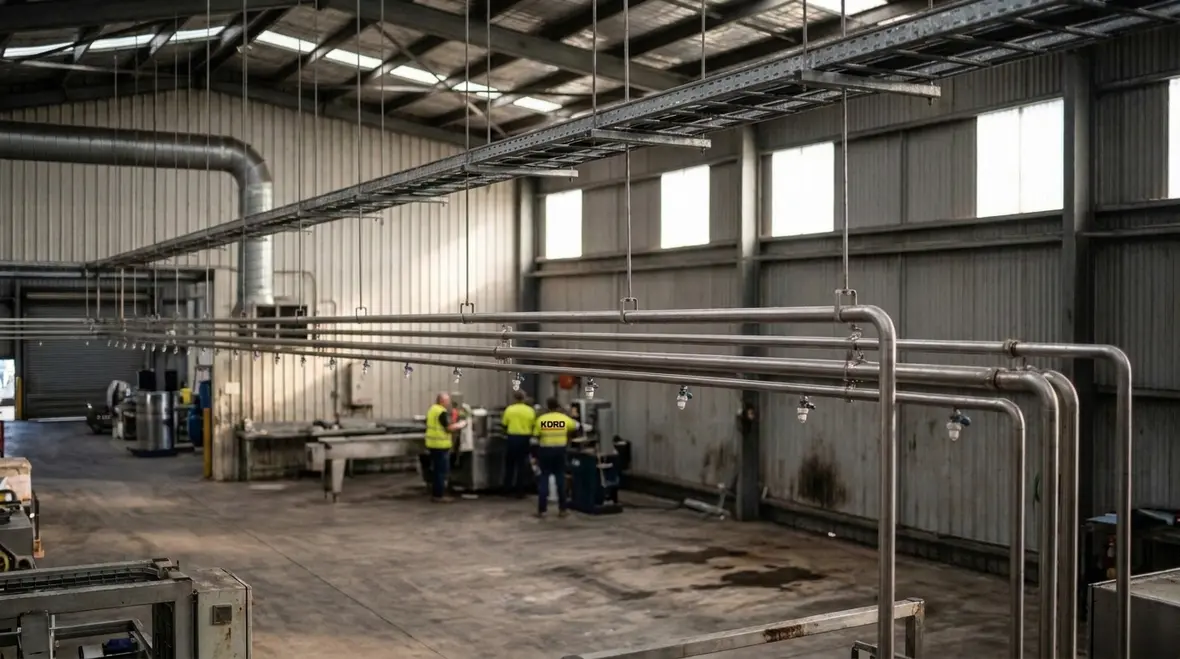
What NFPA 15 Section 7.3 Means for Fire Control
Section 7.3 focuses on control of burning with water spray systems. In plain terms, it explains how a spray system should manage heat, flame, and fire growth once a fire starts. The goal is not only to dump water on the problem like a movie scene with a heroic sprinkler moment. Instead, the system must create the right spray pattern and water delivery to control the fire area and protect nearby assets.
This section matters because burning control depends on the hazard, the layout, and the materials involved. For example, a fuel based process area needs a different approach from a cable tray zone or an equipment yard. Therefore, the design must match the actual risk, not a guess made during a coffee break and a whiteboard session.
Why control of burning is different from simple wetting
A proper fire control strategy is deliberate. It aims to cool surfaces, reduce radiant heat, interrupt fire spread, and keep adjacent assets from joining the drama. That means the nozzles, discharge angle, flow rate, and protected area all need to work as one system instead of acting like strangers meeting in a car park. When Section 7.3 is applied well, the result is a system that supports safer evacuation, more manageable firefighting conditions, and better continuity for the facility after the event.
How Water Spray Systems Control Burning
Water spray systems work by cooling hot surfaces, limiting heat transfer, and reducing the chance that nearby items will ignite. They also help knock down flame intensity and protect exposed structures or equipment. As a result, the system can keep a fire from growing into a larger incident.
In many facilities, that early control makes the difference between a contained event and a major shutdown. In addition, spray systems can support firefighting efforts by lowering radiant heat and improving access. That means better protection for workers, less damage to plant, and fewer chances for the site to become the next headline nobody wanted.
Key design variables that affect real performance
Performance depends on more than just putting water in the general direction of the problem. Designers need to consider nozzle type, discharge pattern, spacing, obstruction risks, supply pressure, duration, activation method, and the geometry of the area being protected. A spray that misses shielded surfaces or fails to reach the hottest exposure is not being dramatic. It is being useless. That is why careful layout and hazard analysis sit at the heart of an effective Section 7.3 strategy.
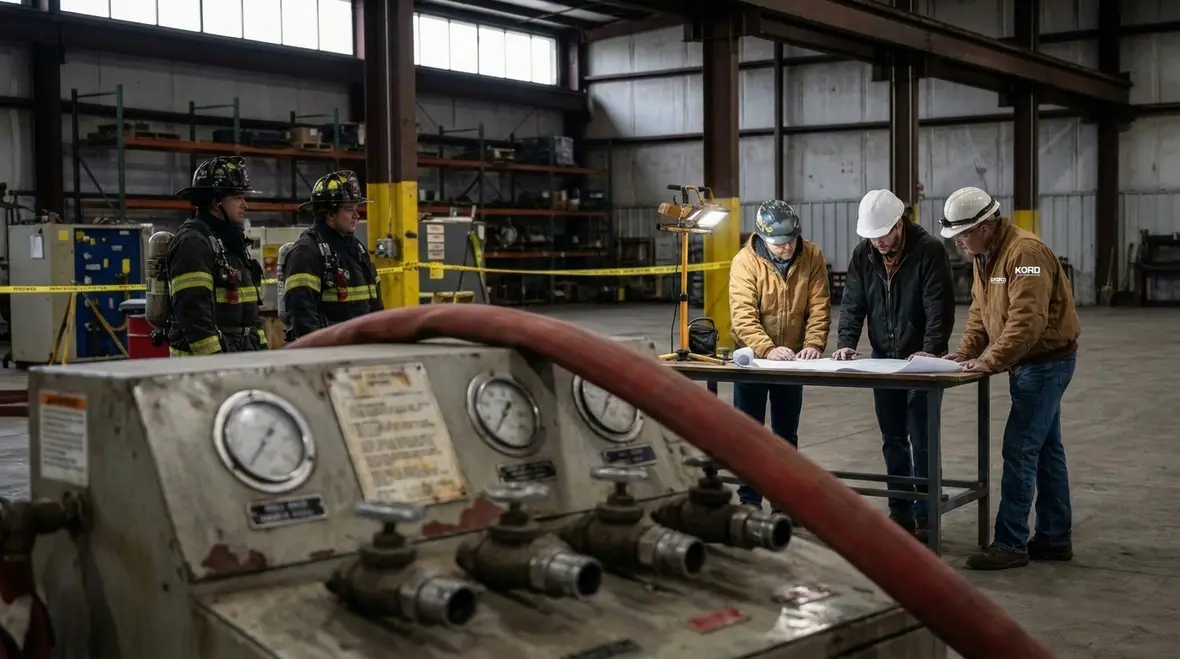
Where This Standard Matters Across Australian Sites
NFPA 15 Section 7.3 becomes especially useful in places with high fire load or valuable exposed assets. These often include:
- Industrial processing plants
- Warehouses and distribution centres
- Retail back of house plant areas
- Commercial buildings with critical electrical or mechanical rooms
- Fuel related storage and transfer areas
Each of these settings brings different hazards. Therefore, the system design must account for water supply, nozzle placement, spray density, and the likely fire scenario. A one size fits all approach here is about as useful as a paper umbrella in a storm.
Examples of site specific design thinking
An industrial process line may need exposure protection around pumps, valves, and cable runs. A warehouse may need attention on roof heights, rack arrangements, and service equipment that could block discharge. A commercial plant room may look tidy, but the equipment concentration can create high consequence fire conditions if control measures are weak. In each case, Section 7.3 pushes the design back toward reality. That is a useful quality in any standard and in any meeting where someone says, “She’ll be right,” a little too confidently.
For readers comparing related guidance, Kord Fire Protection also covers broader water spray concepts in NFPA 15 enhancing fire safety with water spray fixed systems, which pairs naturally with the Section 7.3 focus on burning control.
What a Strong NFPA 15 Fire Control Water Spray Design Should Include
A reliable NFPA 15 fire control water spray design starts with a proper hazard review. The designer must look at what can burn, how fast fire can spread, and what needs protection first. Then the system can be shaped around the site’s real needs.
Design Focus
Hazard identification, nozzle layout, water density, spray direction, system actuation, drainage considerations, and exposure protection priorities must all work together. The design should reflect the actual arrangement of equipment, access paths, and combustible or flammable materials, not an idealised version of the site that exists only in tidy drawings and optimistic assumptions.
Why It Matters
Good design improves fire control, reduces damage, supports firefighting access, and helps the site meet safety and compliance goals. It also gives owners and managers clearer confidence that the system will perform under pressure, which is exactly when vague promises and half finished planning stop being charming.
In addition, the system must connect with the site’s water supply and control equipment. If the pump, valves, or alarms do not support the spray system, the whole setup can lose value fast. Like an action hero without a stunt team, it may look ready until the pressure is on.
Strong design also considers what happens after activation. Water needs to reach the right surfaces, but the site also needs manageable runoff paths, visibility for responders, and maintenance access for the equipment that keeps everything dependable over time. In other words, the design should not win the drawing review only to start arguments during testing, servicing, or an emergency.

How Kord Fire Protection Supports Compliance and Delivery
Kord Fire Protection can become a vital partner by guiding the project from design to handover. Their role can include system planning, installation support, testing, commissioning, and ongoing service. More importantly, they can help translate NFPA 15 requirements into a system that suits the actual site conditions in Australia.
This support matters because water spray systems need careful detail. If a nozzle is poorly placed or the flow is off, the system may not control burning as intended. Therefore, Kord Fire Protection helps reduce risk before the fire ever starts. That is the kind of work that makes the difference while everyone else is still discovering where the nearest extinguisher lives.
Teams that need broader coordination across suppression, alarms, sprinklers, inspections, and long term service can also look at full fire protection services as part of a wider compliance and readiness plan.
Why Testing and Maintenance Cannot Be an Afterthought
Even the best system needs regular checks. Over time, nozzles can clog, valves can drift, and pumps can lose performance. Therefore, inspection and maintenance keep the water spray system ready for real use.
Routine testing also helps confirm that the spray pattern still matches the original design intent. In addition, it gives site managers confidence that the system can perform when needed. For industrial and commercial sites, this is not just good practice. It is risk control with receipts.
What ongoing readiness really looks like
Readiness means more than checking a box once a year and hoping the paperwork looks persuasive. It includes inspection of nozzle condition, verification of valve positions, review of alarm and actuation interfaces, assessment of water supply reliability, and practical attention to site changes that may have altered the hazard since the system was first installed. Facilities evolve. Storage creeps into odd places. New equipment appears. Temporary layouts become suspiciously permanent. Maintenance keeps the protection strategy honest.
FAQ
Bringing It Together for Safer Sites
NFPA 15 Section 7.3 gives facilities a clear path for controlling burning with water spray systems, but the real value comes from solid design and reliable service. Kord Fire Protection can help Australian sites turn that standard into a practical safety solution that works under pressure. When layouts, hazards, and operational demands are all different, a carefully planned system becomes the difference between controlled response and costly escalation.
For teams that want a system built to protect people, plant, and uptime, now is the right time to act. The right water spray design is not about throwing hardware at a problem and calling it strategy. It is about matching the protection method to the real fire risk, then keeping that protection ready long after the drawings are filed away and the coffee has gone cold.

Join Our Newsletter!
Get the latest fire safety tips delivered straight to your inbox From our Newsletter.



