
NFPA 15 Section 6.3 Water Spray Piping Installation Requirements
Quick Answer: NFPA 15 Section 6.3 sets the ground rules for piping installation in water spray systems, and that matters because bad piping can turn a serious fire protection system into a very expensive science project. It guides how pipes support, connect, align, and protect spray equipment so the system works when it is needed most. For commercial and industrial properties that need dependable fire system support, fire sprinkler system service from Kord Fire Protection fits naturally into planning, installation, and ongoing readiness.
NFPA 15 piping installation water spray code requirements shape how water spray systems come together from the first pipe hang to the final test. The piping must carry water fast, stay stable under pressure, and match the spray pattern the system was designed to deliver. Section 6.3 focuses on installation quality, because a clean design still fails if the pipework looks like it was installed during a storm with a blindfold on.
That is exactly why this part of the standard gets so much attention from designers, installers, inspectors, and facility teams. The piping is not background scenery. It is the path that makes the whole system useful. If the layout, support, or connections fall short, the nozzles can miss their target, pressure can drop where it should not, and confidence disappears in a hurry.
What NFPA 15 Section 6.3 means for piping installation
Section 6.3 covers the practical side of water spray piping. It tells installers how to place, support, join, and protect pipes so the system keeps its shape and function. As a result, the spray reaches the right area, at the right angle, with the right flow. This matters in places like warehouses, fuel areas, processing plants, loading docks, and plant rooms, where heat and ignition risks can move quickly.
The code does more than ask for neat pipework. It expects a system that can handle pressure, vibration, corrosion risk, and physical damage. Therefore, the installation must match the design drawings and the site conditions. If a pipe sags, shifts, or clashes with equipment, the spray pattern can fail before the first alarm even finishes its dramatic entrance.
Why the installation details matter more than people think
On paper, pipe is just pipe. On a real job site, it becomes part of a coordinated system with structural supports, valves, drains, detection interfaces, protected hazards, maintenance access, and often a dozen other trades trying to occupy the same space. Section 6.3 matters because it forces installers to think beyond getting pipe from point A to point B. The route, support, position, and finish all affect whether the system performs as designed when conditions turn ugly.

How pipe support and alignment affect system performance
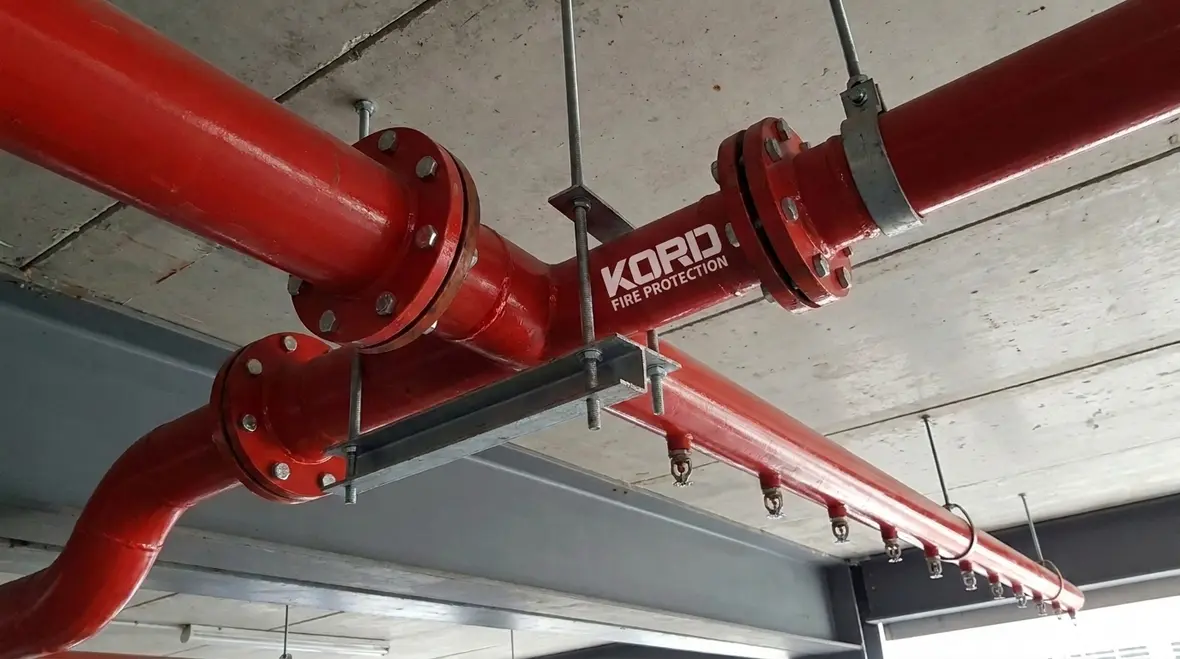
Pipe support sits at the center of NFPA 15 piping installation water spray code compliance. Proper hangers, brackets, and anchors keep the pipe in place under load and during water discharge. Without solid support, vibration and pressure changes can cause movement, leaks, and poor spray coverage.
Alignment also matters. Water spray nozzles depend on exact placement. Therefore, even small errors can leave unprotected spots or waste water where it adds little value. In industrial sites, that can affect equipment, stored goods, and escape paths. In commercial buildings, it can also affect tenant spaces, services, and ongoing operations.
Support and alignment are where good intentions meet reality. An installer can have the right material, the right drawings, and the right nozzles, then still lose performance through sloppy hanger spacing or a line that drifts off its intended position. The system may look close enough to the casual observer, but water spray systems are not built on the engineering principle of close enough.
Field checks that keep alignment from becoming a future problem
- Pipe spacing and hanger placement
- Clearance from walls, beams, and equipment
- Support near valves, bends, and nozzles
- Protection from impact and vibration
- Consistent nozzle orientation across the protected hazard
- Access for future inspection and maintenance
These checks sound simple, but they prevent the kind of issues that come back later with invoices attached. A line that sits too close to equipment may be impossible to service. A missing support near a change in direction can allow movement over time. A nozzle branch that twists out of position can quietly undermine the whole protection objective. Nothing says confidence quite like discovering your critical spray pattern is now aimed at the wrong thing.
Why materials and joining methods matter
Material choice shapes long term performance. Water spray piping must suit the site environment, the water quality, and the fire risk. In coastal or harsh industrial locations, corrosion can become a real headache. Rust does not care about project deadlines, and it rarely shows up with good intentions.
Joining methods also play a major role. Threads, welds, grooved fittings, and flanged joints must suit the design and the service conditions. Furthermore, each joint must stay secure and leak free. A small leak can become a bigger issue through pressure loss, water damage, and maintenance delays. That is why careful workmanship and inspection go hand in hand with NFPA 15 piping installation water spray code expectations.
Choosing methods that survive real site conditions
The right joining method is not just about what is fastest on installation day. It is about what stays dependable after vibration, temperature changes, maintenance activity, and years of service. Sites with harsh atmospheres, mechanical wear, or frequent operations need decisions that hold up long after the commissioning photos are taken. Good installation teams think ahead. Great ones think ahead and leave the system without mystery leaks.

Where Kord Fire Protection fits into this kind of project
Kord Fire Protection can become a vital partner because water spray systems need more than parts and labor. They need planning, compliance knowledge, site coordination, and a calm hand when the job gets tight. That is where experienced fire protection specialists add real value.
If teams want deeper context on the broader standard behind these installation requirements, Kord Fire Protection also covers the bigger picture in NFPA 15: Enhancing Fire Safety with Water Spray Fixed Systems. That article pairs well with Section 6.3 because it explains why correct piping installation is not just a detail on a drawing set. It is part of how the system actually protects assets and people.
- System design review and code focused planning
- Pipe installation that matches NFPA 15 Section 6.3
- Coordination with builders, engineers, and site managers
- Testing, commissioning, and compliance checks
- Maintenance support to keep the system ready
For busy sites, this matters because downtime costs money and poor installation costs more. Therefore, Kord Fire Protection helps reduce risk while keeping the project moving. Think of them as the steady voice in the room when everyone else is staring at drawings and pretending they know exactly where that pipe should go.
Can water spray piping reduce risk in high hazard areas?
Yes. Properly installed water spray piping can help control heat, cool exposed surfaces, and limit fire spread in high hazard zones. This is especially useful in areas with flammable liquids, transformers, conveyor systems, dust risks, or large mechanical equipment. However, the system only performs well when the piping supports the design intent.
That is why NFPA 15 piping installation water spray code compliance is not a paper exercise. It is a performance issue. If the pipe layout blocks spray, if the supports fail, or if the nozzle line shifts out of place, the system cannot do its job. As a result, the risk stays high even though the site has invested in protection.
This is especially important where hazards can escalate fast. High heat, moving equipment, exposed fuel loads, or tightly packed process areas leave little room for installation mistakes. A water spray system is there to respond decisively, not to shrug and hope for the best. That only happens when the piping network delivers exactly what the design intended.

Installation checks that help keep the system ready
Good installations do not rely on hope. They rely on inspection, testing, and clear records. Moreover, site teams should confirm that the final install matches the approved design and project needs. A proper check should include pipe routing, support integrity, valve placement, nozzle direction, and access for maintenance.
Installation item
- Pipe support
- Nozzle alignment
- Joint quality
- Clear access
- Routing accuracy
Why it matters
- Keeps the system stable under pressure and discharge
- Protects the correct area and avoids missed coverage
- Helps prevent leaks and pressure loss
- Makes testing and maintenance easier
- Confirms the installed system matches the intended hazard protection
In addition, teams should document any field changes. Even small changes can affect performance, so records keep everyone on the same page. Nobody enjoys a surprise hidden above a ceiling or inside a plant room. At least, nobody who has to fix it later.
Why documentation quietly saves the day
Documentation does not usually get applause, but it earns its keep. Accurate records help future inspections, maintenance planning, troubleshooting, renovations, and compliance reviews. When a valve location changes, a pipe route shifts around new services, or a nozzle arrangement gets adjusted in the field, that information needs to follow the system. Otherwise, the next team inherits a puzzle instead of a fire protection asset.
How to choose the right partner for NFPA 15 piping work
The best partner brings code knowledge, trade skill, and practical site experience. They understand that industrial and commercial facilities need fire protection work done safely, neatly, and with as little disruption as possible. Therefore, they should communicate clearly, coordinate well, and finish the job with the kind of precision that keeps auditors, engineers, and managers happy.
That partner should also know when to ask better questions. What is the protected hazard really doing? What vibration or environmental exposure affects the line? How will maintenance staff access valves and nozzles later? How will surrounding trades change the available space? These questions are not filler. They are what separate a durable installation from one that barely survives handover.
Kord Fire Protection stands out as a strong choice for facilities that need dependable water spray system work. From planning through installation and ongoing service, they help turn NFPA 15 Section 6.3 from a code requirement into a working safety asset.
Conclusion
NFPA 15 Section 6.3 may focus on piping installation, but the bigger point is performance. Pipes must be supported correctly, aligned accurately, joined properly, and protected from the kinds of site conditions that cause failures later. When those basics are done well, the water spray system has a real chance to perform the way it was designed.
That is why experienced installation and service matter so much. Kord Fire Protection helps facilities turn code language into practical results through planning, installation, testing, and maintenance support. In the world of fire protection, that is a much better outcome than discovering too late that the pipework had confidence issues.
FAQ

Join Our Newsletter!
Get the latest fire safety tips delivered straight to your inbox From our Newsletter.



