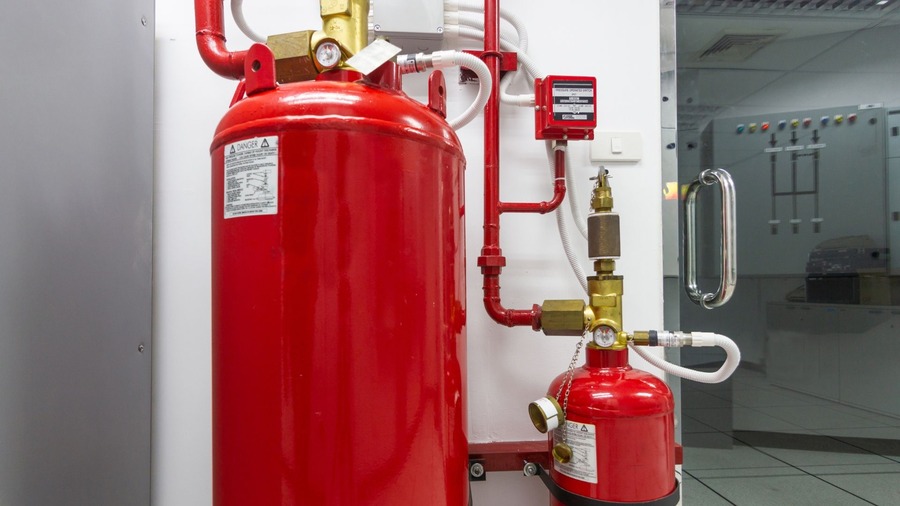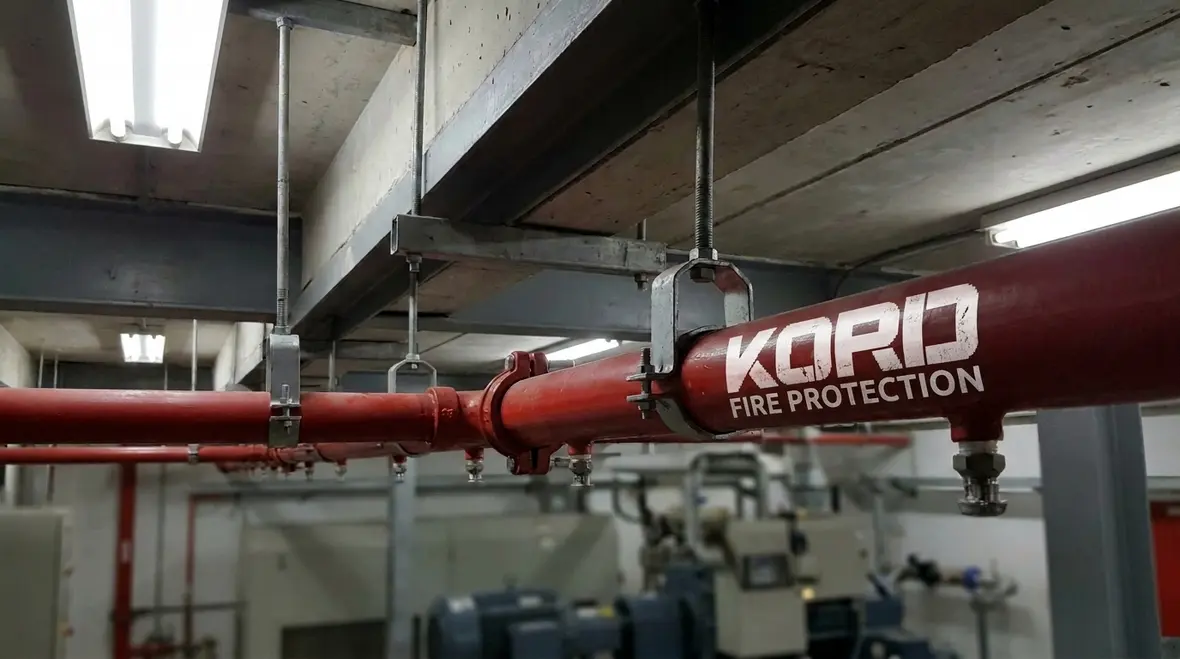
NFPA 15 Section 6.4 Water Spray System Attachments for Piping
Quick Answer
NFPA 15 Section 6.4 focuses on how water spray system attachments must be supported, fixed, and arranged so the system works as designed. In practice, that means secure piping, proper bracing, and clean installation matter just as much as the nozzle itself. Kord Fire Protection can help facilities keep these systems compliant, reliable, and ready when heat starts acting bold.
If your site needs broader system support, Kord Fire Protection also provides NFPA compliant fire sprinkler services across commercial properties, including design, installation, maintenance, and repair that help protection systems stay ready when they are called on to perform.
Why Section 6.4 Deserves More Respect Than It Usually Gets
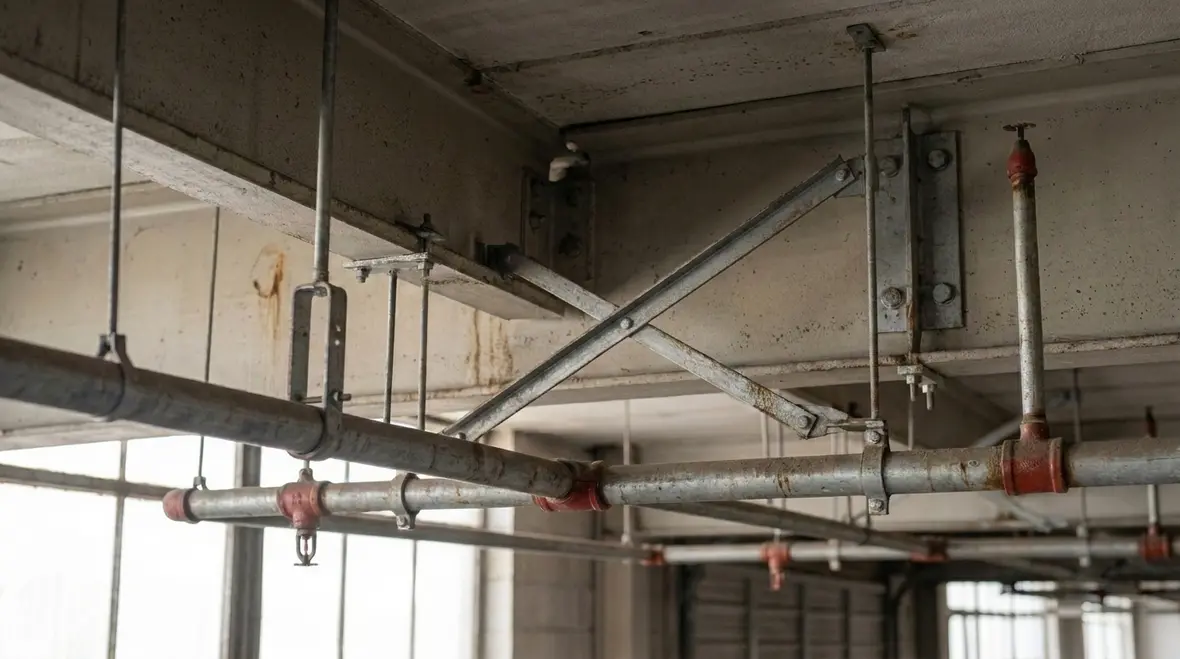
In industrial, retail, and commercial sites, NFPA 15 system attachments water spray piping plays a quiet but serious role in fire safety. These attachments hold the system in place, guide the spray where it should go, and help the whole setup survive vibration, movement, and harsh site conditions. Because of that, Section 6.4 is not a small detail. It is the part that helps the rest of the system stay honest when a real fire event puts pressure on every fitting, clamp, and support.
For facility teams, the goal is simple. The system must stay stable, deliver water where needed, and avoid failure from loose attachments or poor support. That is where the work becomes technical, and that is also where a partner like Kord Fire Protection becomes valuable. Their practical, compliance focused service model includes fire system design, code compliant installation, preventive maintenance, and repairs that help buildings stay inspection ready and protected over time. ([kordfire.com](https://kordfire.com/?utm_source=openai))
What the section is really asking
Section 6.4 deals with how attachments connect to and support the water spray piping. In plain language, it asks one big question: will the system stay in place when it matters most? If the answer is no, then the installation needs work. The section helps reduce the risk of pipe movement, nozzle misalignment, and stress on joints.
As a result, installers must think about support spacing, pipe weight, equipment vibration, exposure to impact, and how nearby services may interfere with proper fixing. In busy facilities, pipes do not live in a calm museum. They sit near forklifts, plant equipment, crowded ceiling space, and people who have other things on their minds. So yes, the pipe supports need to be tougher than a week old coffee.
Why Strong Attachments Matter in Real Water Spray Systems
Strong attachments help the system do three important jobs. First, they keep the piping aligned so the spray pattern lands where design expects it. Second, they reduce strain on fittings and valves. Third, they help prevent damage from routine movement, maintenance work, or vibration from machinery.
Also, a weak support point can create a chain reaction. A small shift can lead to joint stress, then leakage, then poor spray coverage. And in fire protection, almost right is just another way to say not enough.
Common forces attachments have to survive
- Routine vibration from fans, pumps, compressors, or plant equipment
- Building movement and normal service life changes
- Thermal expansion and contraction in changing temperatures
- Accidental contact during maintenance or access work
- Weight from piping, fittings, valves, and water filled sections
- Stress concentration around branches, drops, and nozzle locations
How Kord Fire Protection Supports Compliance and Performance
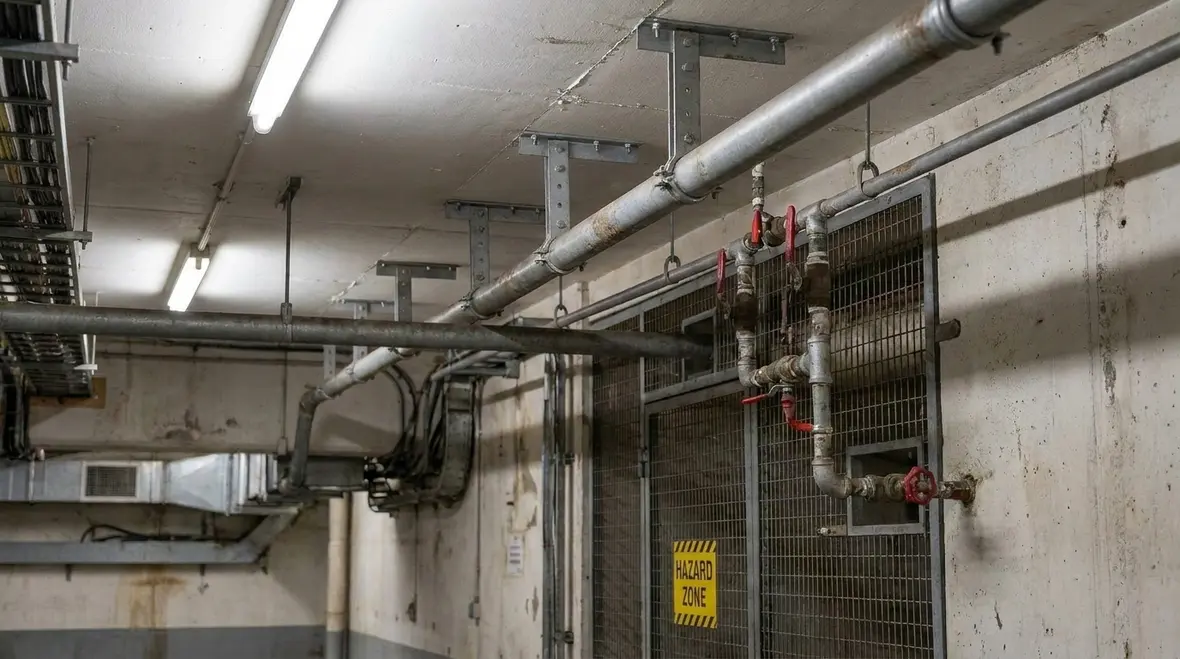
Kord Fire Protection can become a vital partner because water spray systems need both code knowledge and site knowledge. Their team provides full fire protection services across Southern California, including sprinkler systems, suppression systems, alarms, pumps, inspections, repairs, and ongoing maintenance programs. That breadth matters when a project includes multiple risk areas, existing services, and operational constraints that all need to work together instead of arguing in the ceiling space. ([kordfire.com](https://kordfire.com/full-fire-protection-services/?utm_source=openai))
They also help reduce the gap between engineering intent and field reality. For example, a drawing may look tidy, but the site may have tight clearances, structural limits, or older services that refuse to cooperate. Kord Fire Protection can help turn that challenge into a clean and compliant solution. In other words, they help make the system fit the building without making the building cry.
For readers who want the broader code context, Kord Fire Protection also covers NFPA 15 and the role of water spray fixed systems, which pairs naturally with the attachment and support details in Section 6.4.
What good support planning usually includes
- Reviewing pipe runs for realistic support locations
- Matching anchors and fasteners to the actual building structure
- Allowing for movement without sacrificing nozzle alignment
- Protecting vulnerable sections from impact or service interference
- Coordinating with other trades before the piping gets boxed in forever
Attachment Checks That Should Not Be Skipped
Before handover, the installation team should check several points. These are not glamorous checks, and no one is printing a poster about them, but they often decide whether the system performs well under stress.
- Attachment points are secure and matched to the pipe load
- Supports are placed at proper intervals
- Piping does not hang, sway, or twist under normal conditions
- Nozzles and branches remain aligned with the hazard area
- Fasteners and anchors suit the building structure
- Nearby equipment will not damage the system during operation or maintenance
Teams should treat these checks as part of the fire protection design, not as a box ticking exercise done five minutes before tea. Kord Fire Protection specifically emphasizes code compliant inspections, preventive maintenance, and repairs that restore systems with expert care, which aligns well with the disciplined follow through these attachment checks require. ([kordfire.com](https://kordfire.com/?utm_source=openai))
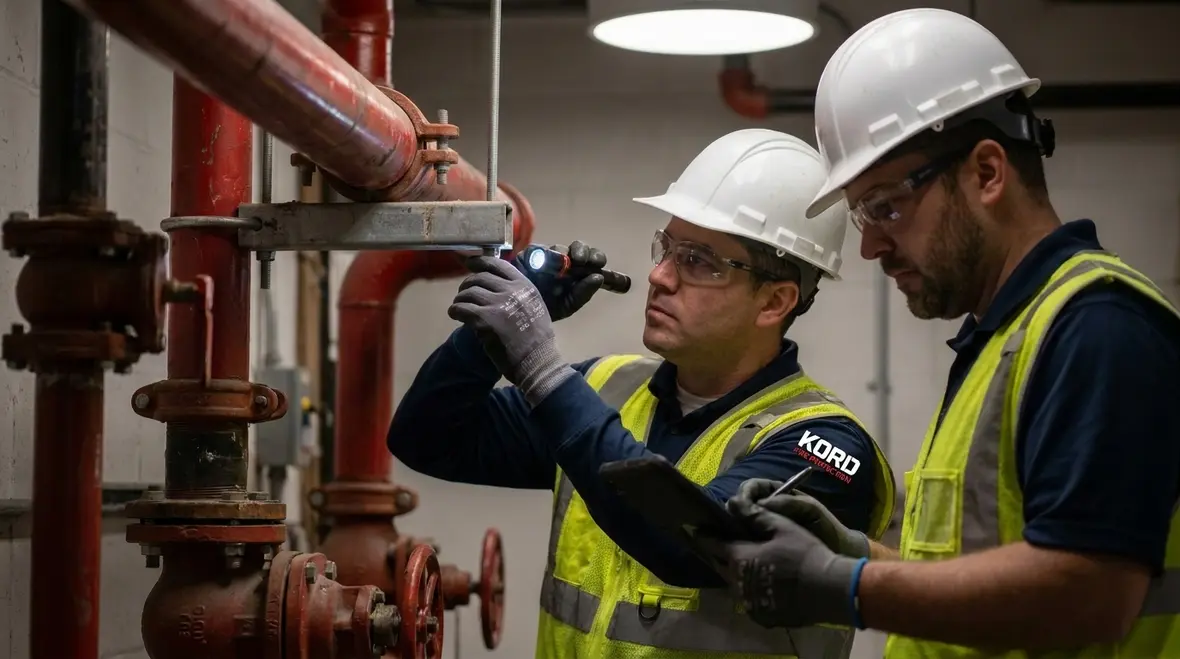
NFPA 15 System Attachments Water Spray Piping in Real Facilities
In retail centres, the system may protect back of house stock rooms, switch rooms, or loading docks. In industrial sites, it may protect transformers, process areas, or fuel related equipment. In commercial buildings, it may cover plant rooms, service corridors, and special risk zones. In each case, the attachment design must suit the environment.
That is where the section becomes practical. Vibration from fans, pumps, or machinery can loosen poor supports over time. Likewise, changes in temperature can affect expansion and movement. So the attachments must allow the system to stay stable while also respecting the building’s normal movement and service life.
Examples by occupancy type
Industrial sites
Higher vibration, heavier equipment, tighter tolerances, and more exposure to mechanical damage mean attachments need thoughtful placement and serious durability.
Retail facilities
Support layouts often have to work around crowded service zones, storage changes, and back of house activity without losing spray alignment.
Commercial buildings
Plant rooms and service corridors can create coordination issues with ducts, cable trays, and access requirements, so attachment planning needs to be deliberate.
Special hazard areas
Where suppression performance is highly location dependent, even small movement at a support point can have oversized consequences for coverage.
What a Good Installation Partner Brings to the Job
| Project Need | What Kord Fire Protection Brings |
|---|---|
| Code aligned installation | Practical understanding of NFPA focused fire protection work and site conditions |
| Support and attachment planning | Careful review of load points, spacing, and fixing methods |
| Site coordination | Experience working around existing services, access limits, and active operations |
| Ongoing reliability | Maintenance minded solutions that help systems stay ready over time |
This kind of support matters because fire systems do not fail in neat, scheduled ways. They fail when stress, wear, and poor installation meet at the worst possible moment. Kord Fire Protection helps reduce that risk with disciplined work and a calm, exact approach.
How to Keep the System Ready Over Time
Even a solid installation needs checks after handover. Facility managers should include attachment inspections in routine maintenance. They should look for loose brackets, corrosion, damage from repairs, and any movement that changes nozzle aim. In addition, any plant upgrade or building change should trigger a review of nearby water spray piping.
That habit saves money, time, and headaches. More importantly, it keeps the fire protection system doing its job instead of becoming an expensive ceiling ornament. Dramatic? Sure. But fire does not do subtle.
A practical maintenance rhythm
- Inspect visible attachments during regular fire protection maintenance visits
- Recheck nozzle orientation after nearby service work or equipment replacement
- Document corrosion, deflection, looseness, or impact damage immediately
- Review support conditions whenever hazard layouts or machinery change
- Use qualified fire protection professionals for corrective work instead of improvised fixes
FAQ
Conclusion
NFPA 15 Section 6.4 reminds every site that strong attachments are not extra. They are part of the system’s backbone. When supports are properly planned, fixed, and maintained, the piping stays where it should, the nozzles aim where they must, and the system stands a much better chance of performing under real fire conditions.
For the next project, a proper review now can save a very bad day later. Kord Fire Protection offers code compliant fire protection services, including sprinkler and suppression support, inspections, repairs, and maintenance programs that help buildings stay ready when it counts most. ([kordfire.com](https://kordfire.com/full-fire-protection-services/?utm_source=openai))

Join Our Newsletter!
Get the latest fire safety tips delivered straight to your inbox From our Newsletter.