
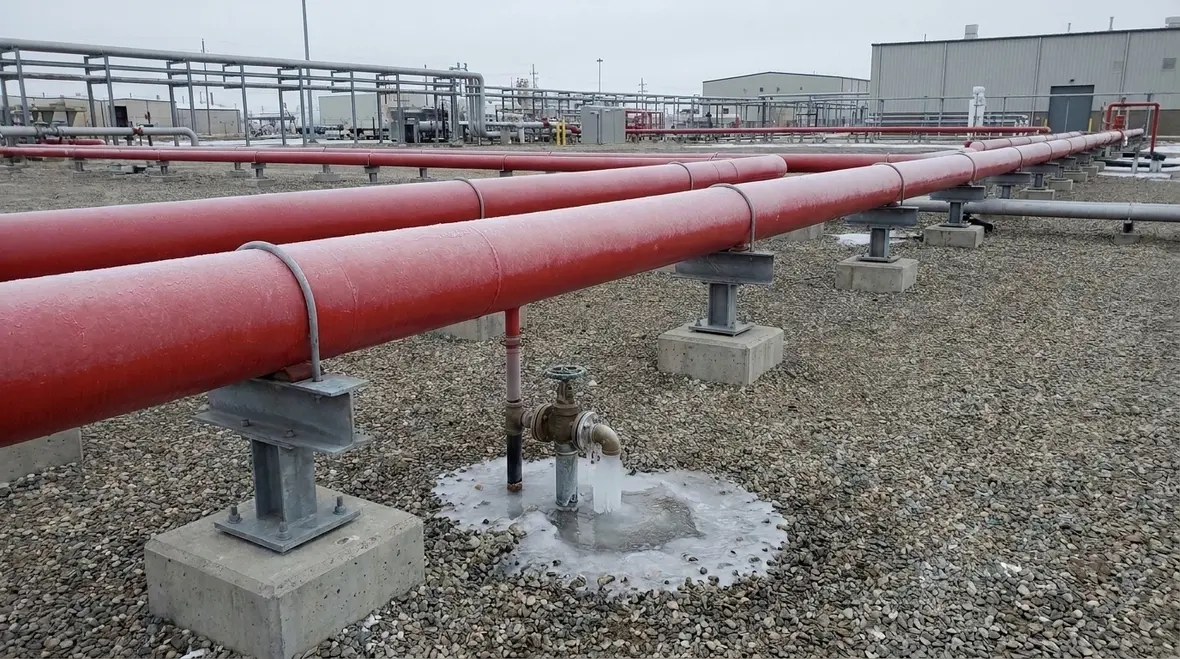
NFPA 15 Section 6.3 Pipe Stand Spacing, Drain Sizing, and Auxiliary Drain Requirements
Quick Answer
NFPA 15 Section 6.3 controls how far pipe stands may be spaced, how drains and auxiliary drains must be sized, and how weep holes support safe water removal. Correct spacing and drainage protect system integrity and help reduce freeze and corrosion risk, especially in exposed piping and outdoor sections.
NFPA 15 6.3 piping installation pipe stands drains weep holes freeze protection requirements directly affect whether the water spray piping can drain completely during shutdowns, inspections, and freezing conditions. In commercial facilities, compliance is not just design intent. It is a measurable installation outcome verified through inspection, functional testing, and maintenance records.
For facilities managing broader readiness and compliance needs, it helps to connect this topic with fire protection inspections, testing, and maintenance services so drainage performance stays aligned with real-world operating conditions.
Why NFPA 15 6.3 Matters for Real-World Pipe Stand Performance
Pipe stands and their associated drainage details are meant to manage water where it collects. Fixed water spray systems rely on proper slopes, low points, and drain paths so water does not remain trapped in the piping. Section 6.3 ties support geometry and drainage design together to prevent failures such as:
- Residual water pooling at low points
- Corrosion and sediment accumulation inside drain runs
- Ice formation that can block drain paths and damage fittings
- Freeze-related impairment of valves, strainers, and small-bore components
- Reduced system reliability after service disruptions and periodic testing
In many commercial and industrial spaces, piping layouts change from the original drawings due to structural steel, ductwork, and equipment constraints. That is where Section 6.3 becomes operationally critical. Even when the overall sprinkler or spray layout appears correct, the pipe stand spacing and the drainage configuration determine whether water safely exits the system.
Pipe Stand Spacing Under Section 6.3: What Drives “Right” in the Field
Pipe stands are not only load-bearing elements. They influence whether the piping forms the required drainage paths to low points and drain outlets. When pipe stands are installed too far apart, the piping can deform or sag slightly between supports. That sag can create unintended “secondary low points” where water collects and does not drain fully.
Common compliance challenges during installation
As-built deviations: Pipe routing changes can create pockets that do not align with designed drain lines.
Inadequate support stiffness: Stand bases and attachment methods can allow movement under thermal cycling.
Missing or relocated supports: Field coordination issues sometimes result in stands being shifted without rechecking drain slopes.
Drain low-point conflicts: Supports may be placed in a way that obstructs drainage discharge or alters the intended direction of flow.
Inspection mindset for commercial facilities
For ongoing compliance, the facility team should expect periodic verification that supports are installed per the approved layout and remain stable after testing. Kord Fire Protection supports commercial operations with practical inspection and maintenance planning so compliance does not degrade after commissioning.
For additional water spray system guidance and maintenance considerations, reference this resource: NFPA 15 Enhancing Fire Safety With Water Spray Fixed Systems.
Drain Sizing and Discharge Paths: Preventing Trapped Water and Freezing Risk
Drain sizing in NFPA 15 Section 6.3 supports complete system drainage, not just partial relief. In practice, drain capacity must align with the hydraulics of the piping section and with how water migrates during shutdown. Oversized drains can create installation complexities and water management problems, while undersized drains can fail to evacuate trapped water quickly enough.
Key operational failure points
Restricted drain lines: Debris, improper fittings, or misaligned drain angles can reduce flow.
Long discharge runs: Drains routed through unheated spaces may freeze, especially in facilities with frequent shutdowns.
Incorrect outlet termination: Drain outlets must discharge in a manner that prevents back pressure and does not redirect water into areas that can freeze.
Negative slope toward a “hidden” low point: Pipe stand spacing errors can create new low points that are not connected to designed drain paths.
Freeze protection alignment
Freeze protection in fixed water spray systems is not limited to heat tracing or insulation. Section 6.3 drainage behavior is part of freeze risk control. If water remains in the piping after operation or testing, freezing can occur in locations that were never intended to hold water, including near supports, in pockets behind obstructions, and within drain assemblies.
Facilities should coordinate the following as a complete freeze protection strategy:
Drain pathways sized to remove water effectively after system operation
Drain outlet location and discharge routing to avoid ice formation at the discharge point
Weep holes and auxiliary drains installed where required to relieve trapped sections
Documented inspection and functional testing schedules that confirm drainage performance
Weep Holes and Auxiliary Drains: Where Water Traps Form
Weep holes and auxiliary drains provide targeted relief for piping sections that cannot drain reliably through primary drain routes alone. In many installations, the system includes multiple directional changes, irregular ceiling spaces, and structural constraints. These conditions can create trapped volumes even when the main drain system appears correct.
Why auxiliary drains become necessary
Auxiliary drains support complete water removal in areas prone to retention. Examples include:
Short branch runs that create localized low points
Dead ends or capped sections where water can collect
Segments with elevated points that redirect drainage away from the primary low point
Complex manifolds and takeoffs with multiple tiers of piping
Installation practices that prevent “drain weep hole” failures
Keep outlets unobstructed: Do not terminate auxiliary drainage into areas where standing water is likely to freeze.
Verify discharge behavior during maintenance: Functional checks can confirm that water actually exits at the intended low points.
Protect weep hole openings: Painting, sealant overrun, or debris placement can block weep holes.
Coordinate with freeze protection details: Insulation, heat tracing, and drain routing must not defeat the drainage intent of the piping layout.
For teams planning seasonal freeze readiness, use experienced system service partners to verify actual drainage and to address recurring issues before they become downtime events.
How to Verify Compliance: Documentation, Testing, and Maintenance Cycles
NFPA 15 compliance is strongest when it includes installation verification and ongoing evidence. The most common commercial compliance weakness is a design that was correct at commissioning but becomes noncompliant after modifications, deferred repairs, or incomplete maintenance.
What verification should include
As-built support checks: Confirm pipe stand placement and stability match the approved layout.
Low-point mapping: Validate that each designed low point ties into drains, auxiliary drains, or weep holes as intended.
Drain outlet inspection: Ensure discharge terminations are clear, safe, and not redirected to create ice hazards.
Post-maintenance checks: After any piping work, confirm drainage components remain unobstructed and aligned.
Record retention: Maintain service records demonstrating that freeze protection and drainage elements remain functional.
Why third-party service support helps
Commercial, industrial, and retail facilities often rotate staff, contractors, and maintenance priorities. Kord Fire Protection helps owners and facility managers keep NFPA 15 requirements active in daily operations through inspection planning, testing support, and practical corrective actions. This approach reduces the chance that drainage failures are discovered only after a freeze event or a system downtime trigger.
For broader industry perspectives on fire protection systems and operational readiness, consider resources from firepumps.org.
Frequently Asked Questions
Need an NFPA 15 6.3 drainage and freeze protection review?
Ask Kord Fire Protection for a field-focused compliance review of pipe stand spacing, drain sizing, auxiliary drain placement, and weep hole functionality. A documented inspection plus a practical maintenance plan helps commercial facilities avoid freeze-related failures and reduces downtime risk. Schedule an assessment and ensure your as-built configuration supports complete drainage year-round.

Join Our Newsletter!
Get the latest fire safety tips delivered straight to your inbox From our Newsletter.



