
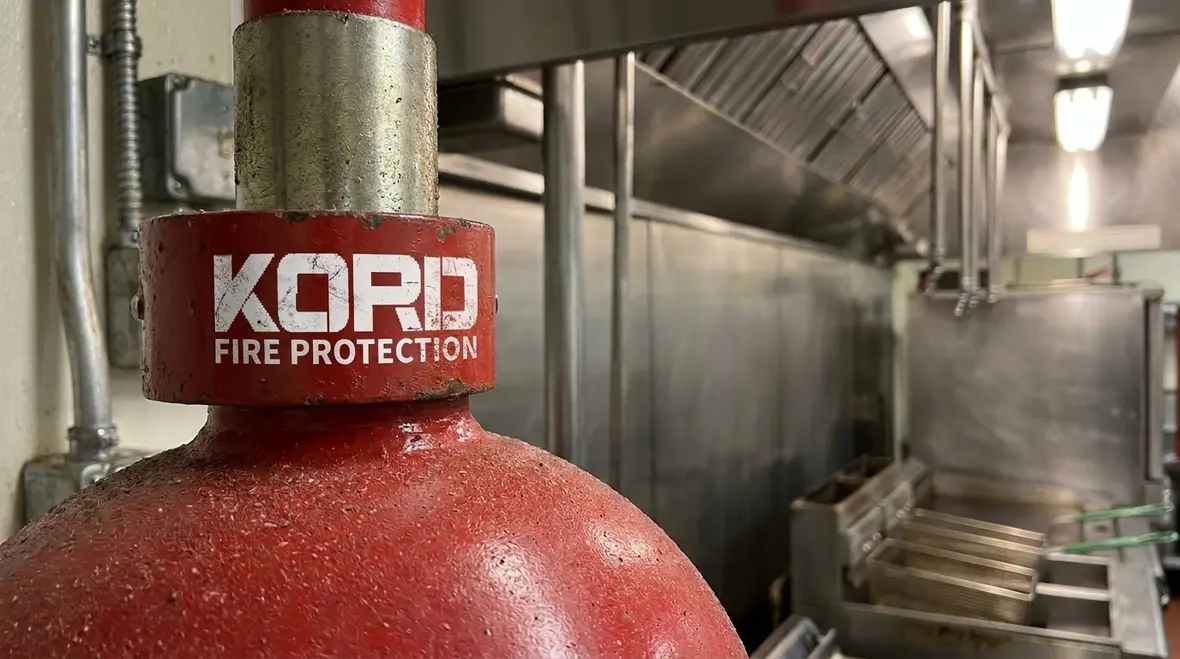
NFPA 17A 8.6 Service Collar Tag Requirements: What Must Be Recorded and Verified
Quick Answer
NFPA 17A 8.6 requires service collar tags to be installed and maintained on wet chemical extinguishing systems so authorized parties can verify commissioning and ongoing service history. Facilities must keep legible, location specific documentation that ties the tag to the system it represents.
For broader wet chemical system context, see wet chemical extinguishing system guidance.
Why the NFPA 17A service collar tag matters in real facilities
In commercial kitchens, industrial process areas, and many retail back of house spaces, a wet chemical system often becomes “invisible” until something changes: construction work, a tenant fit out, a nozzle or actuator replacement, or an inspection after an alarm event. NFPA 17A 8.6 addresses this by requiring a service collar tag that confirms the system has been serviced according to applicable requirements and by linking that verification to the specific equipment in the field.
To support a defensible compliance program, facilities typically maintain an NFPA 17A service collar tag inspection record that includes tag details, inspection and test results, and the technician or contractor information responsible for the work.
What NFPA 17A 8.6 covers: the service collar concept
NFPA 17A wet chemical systems include mechanical and pressure related components that must remain configured and protected for reliable discharge. The “service collar” concept provides a physical identification point on the system that remains accessible for service activities.
In practice, the service collar tag functions as a verification layer between multiple parties:
- System designer or installer at initial commissioning
- Service contractor during inspections, testing, and component replacements
- Facility owner or safety team that must demonstrate ongoing compliance
Because service collars can be obscured by ceilings, equipment enclosures, fireproofing, ductwork, or kitchen hood modifications, facilities that do not manage access typically discover documentation gaps during audits or insurance reviews.
What should be included in an NFPA 17A service collar tag inspection record
NFPA 17A focuses on the presence and use of the tag on the system. Commercial compliance programs succeed when the facility also records inspection facts that make the tag verifiable. An effective NFPA 17A service collar tag inspection record commonly includes the following items:
1) Tag identification and system linkage
- Tag number, service collar identification, or unique stamp as applicable
- System identification: protected area, hazard area designation, or equipment label
- Location details that support field verification (for example, room number, hood row, or cabinet identifier)
2) Inspection and service actions performed
- Type of service performed (inspection, maintenance, recharge, component replacement)
- Date of service and the reporting period
- What was checked or tested, consistent with the system service method used
3) Condition findings and corrective actions
- Observed deficiencies that could affect reliability (corrosion, tampering indicators, damaged enclosure, loose fittings)
- Repair details: parts replaced, adjustments made, and verification steps completed
- References to supporting documentation if separate reports exist (for example, nozzle inspection details, cylinder condition documentation, or flow related test notes)
4) Personnel and contractor accountability
- Name or identifying information of the service contractor or responsible technician
- Contact information and documentation control practices (version date and record retention method)
These record elements directly address a recurring compliance failure point: tags exist but facility records do not clearly tie the tag to the exact system and location that inspectors are verifying.
Where compliance breaks down: access, modifications, and documentation drift
Problem 1: Service collars become inaccessible after renovations
Tenant improvements often relocate ductwork, install new ceilings, or add hood liners that cover the service collar area. The tag remains physically present, but the facility cannot show evidence of inspection or cannot photograph or verify it during routine audits. A strong maintenance program treats access planning as part of fire protection design and project management.
Problem 2: Tag presence is assumed, not verified
Commercial teams frequently conduct “paper compliance” using prior invoices while skipping a direct field check. NFPA 17A service collar tag inspection work must align with field reality. If the tag is missing, illegible, damaged, or not positioned correctly, the documentation becomes nonconclusive.
Problem 3: Incorrect system labeling after equipment changes
When nozzles, valves, cylinders, or control components change, the protected area label is sometimes updated while the service collar tag record is not. Inspectors and auditors typically look for traceability. If records show a service event but the tag does not match the system identification in the field, the facility may face repeat verification.
For ongoing wet chemical compliance support and system maintenance planning, Kord Fire Protection helps commercial operators keep tagging, inspection records, and service activities aligned over time. See related guidance on maintaining compliant wet chemical systems here: Enhancing Fire Safety with NFPA 17A Wet Chemical Extinguishing Systems.
How to verify the tag during scheduled service and audits
Facilities should implement a repeatable workflow that technicians and safety personnel can follow. The goal is to ensure the service collar tag can be verified without guesswork, and that the NFPA 17A service collar tag inspection record remains consistent with the equipment state.
Step-by-step field verification
- Locate and expose the service collar using approved access methods. Confirm access does not compromise firestopping or enclosure integrity.
- Inspect the tag condition for legibility, physical integrity, and correct placement relative to the service collar.
- Match the tag to system identity using the equipment label and hazard area designation.
- Record inspection findings immediately in the system file or inspection record, including any deficiency notes.
- Update records after completion so the facility can demonstrate continuity of service history.
Operational safeguards to maintain tag integrity
- Protect tags from moisture, splash zones, and grease exposure in kitchen environments
- Ensure enclosures allow service collar access without removing critical components
- Control documentation changes during tenant and contractor transitions
For organizations managing multiple suppression systems, Kord Fire Protection also supports broader fire suppression strategy and lifecycle documentation. Explore additional resources here: Fire Suppression Systems.
Why commercial facilities choose professional service for wet chemical systems
Wet chemical systems require disciplined maintenance because reliability depends on component condition, correct configuration, and accurate service documentation. Service collar tagging under NFPA 17A is not just a label requirement. It becomes part of the evidence trail that proves the system has received appropriate attention.
Kord Fire Protection helps facility teams prevent common compliance gaps by combining field verification with record control practices. This reduces the risk of audit delays, rework, and repeat inspections tied to incomplete or non traceable documentation.
For additional context on related equipment and systems planning, facility teams can also reference supporting industry resources such as Fire Pump resources, which can complement system maintenance and inspection coordination efforts.
For teams that want to tighten documentation habits across related fire protection assets, this resource on fire pump maintenance records and global standards fits naturally into broader inspection coordination planning.
Frequently Asked Questions
Next step: verify your tags and strengthen your record control
Have a qualified technician verify every service collar tag can be read, matched to the correct hazard area, and supported by a current NFPA 17A service collar tag inspection record. Kord Fire Protection can help commercial operators standardize field checks, maintain compliant documentation, and close access gaps before audits. Contact Kord Fire Protection to schedule a compliance focused inspection and record review.

Join Our Newsletter!
Get the latest fire safety tips delivered straight to your inbox From our Newsletter.



