
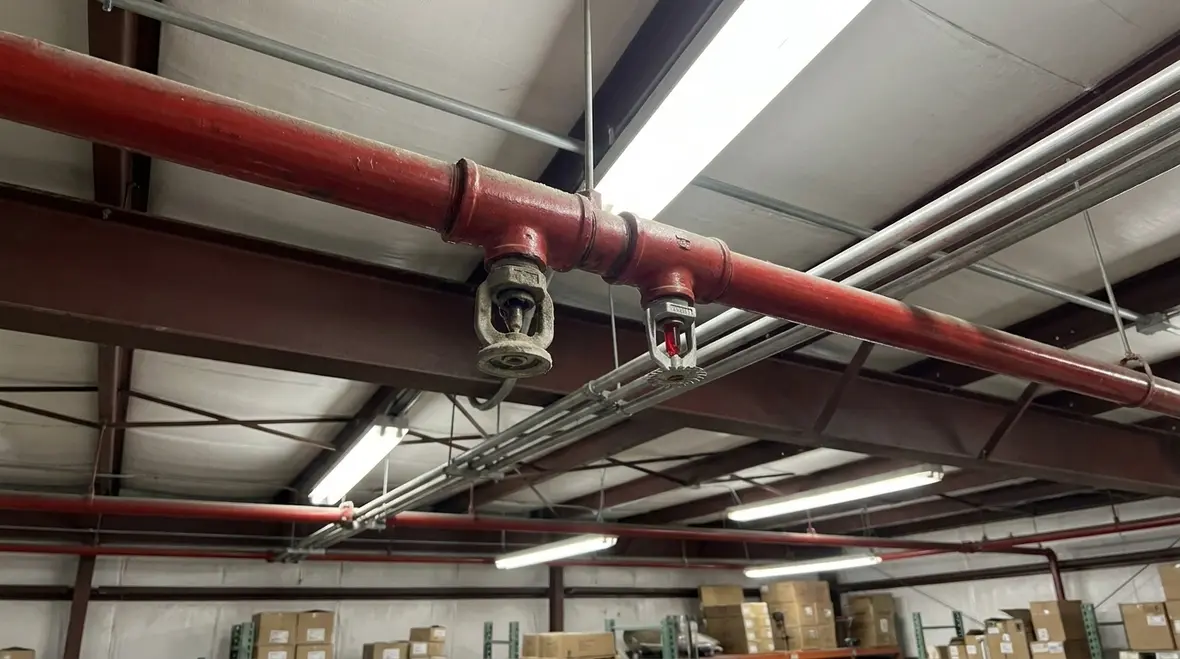
NFPA 15 Section 6.2 Water Spray Nozzle Selection: Open vs. Automatic Nozzles
Quick Answer: NFPA 15 Section 6.2 drives nozzle selection based on the spray system’s operating concept, hazard response time, and environmental conditions. Open nozzles typically run continuously, while automatic nozzles activate on an initiating event. Correct selection also protects against false discharge, corrosion, and maintenance noncompliance.
Why NFPA 15 6.2 nozzle positioning matters in real facilities
Facility operators often treat nozzle selection as a procurement decision, but NFPA 15 6.2 water spray nozzles open automatic positioning ties directly to system performance, inspectability, and reliability under service conditions. In commercial and industrial environments, the real compliance risk usually comes from mismatched system design assumptions, poor installation workmanship, and maintenance that does not address nozzle contamination, corrosion, and functional testing. A compliant arrangement must also remain practical to maintain across long service intervals.
Facilities reviewing positioning and long term upkeep often also benefit from a stronger inspection baseline, especially when nozzle condition, obstruction control, and records all need to stay aligned over time. For a related maintenance focused read, see Fire Suppression Inspection Checklist and Kord Fire Protection.
For a systems-level view of water spray fixed systems and ongoing protection responsibilities, see NFPA 15 Enhancing Fire Safety With Water Spray Fixed Systems.
Understanding the functional difference: open versus automatic nozzles
NFPA 15 Section 6.2 differentiates nozzles by how they are positioned and how they operate during system demand. In practice, the “open” or “automatic” designation affects how quickly water begins to discharge at the nozzle, how the system prevents unwanted flow, and how the system responds when detection or operating conditions occur.
Open nozzles: continuous exposure to ambient conditions
Open nozzle arrangements are designed so that the nozzle does not depend on a specific automatic operating mechanism to initiate discharge. This typically results in fewer moving parts, but it increases exposure of internal nozzle components to airborne contaminants, humidity, grease, and dust accumulation. In retail and light industrial spaces, these contaminants can degrade nozzle performance by restricting spray characteristics, blocking or partially blocking orifices, or promoting corrosion at wetted interfaces.
Automatic nozzles: event triggered discharge
Automatic nozzles activate discharge when an initiating condition occurs, such as heat exposure in thermal elements or other approved triggering arrangements, depending on the system design. Automatic operation can help limit water flow to actual fire conditions, reducing water damage. However, it shifts the inspection focus toward verifying device readiness, water delivery availability, and the ability of the triggering mechanism to operate as intended after years of environmental exposure.
Common performance drivers that influence selection
- Required response time: Automatic initiation typically introduces a delay between detection conditions and water discharge, while open concepts may support faster wetting depending on system arrangement.
- Environmental contamination: Dust, airborne aerosols, and chemical vapors increase fouling risk, especially where nozzles remain exposed.
- Water distribution integrity: Both types must deliver design flow and spray pattern within required tolerances at the nozzle level.
- Reliability of initiating mechanisms: Automatic devices require functional verification and may require replacement cycles based on inspection results and manufacturer guidance.
How NFPA 15 6.2 water spray nozzles open automatic positioning impacts compliance
Selection alone does not satisfy NFPA 15. The installation, positioning, and ongoing inspection must align with the system assumptions that underpin the design discharge density or coverage. When NFPA 15 6.2 water spray nozzles open automatic positioning is implemented incorrectly, inspectors typically find issues in four categories: hydraulic distribution mismatches, nozzle spray characteristic deviations, obstruction or misalignment, and inadequate maintenance to sustain coverage.
Positioning and installation checks that fail in the field
- Nozzle alignment and aiming: Misalignment can distort spray overlap and reduce effective coverage, especially in corners, beams, and near obstructions.
- Obstruction by storage or ceiling fixtures: Rack modifications, ceiling tiles, and lighting retrofits can interfere with discharge patterns over time.
- Incorrect nozzle orientation: Some nozzles require strict orientation to maintain designed spray geometry.
- Improper installation torque and sealing practices: Over-torque or improper sealing can cause thread damage or micro-leaks that later alter performance.
Hydraulic consequences of choosing the wrong nozzle type
The nozzle type and discharge characteristics influence how the system achieves required flow at each outlet. A mismatch can create unintended system behavior such as higher than designed pressure at some points, reduced flow at others, or failure to meet the required discharge density. These conditions often remain hidden until inspections reveal abnormal pressure readings, flow variations, or incomplete wetting after testing.
Operational procedures and maintenance: what changes between open and automatic
Maintenance programs must reflect the nozzle mechanism. In commercial facilities, these programs usually run through a combination of routine inspection, periodic testing, and condition based replacement. The most frequent maintenance noncompliance stems from skipped functional checks, incomplete inspection records, and nozzle cleaning practices that damage spray orifices.
Maintenance focus for open nozzle systems
- Contamination control: Establish a schedule for visual inspection of nozzles and surrounding areas for dust, residue, and corrosive buildup.
- Spray pattern verification: Confirm that nozzles are producing the expected spray characteristics, especially after renovations or increased occupancy hazards.
- Corrosion and aging monitoring: Open exposure increases risk. Document signs of corrosion and replace nozzles showing degradation.
Maintenance focus for automatic nozzle systems
- Triggering readiness: Verify that any thermal or initiating components remain free from paint, blockage, or physical damage.
- Availability of water delivery: Maintain control valves, alarms, and related components so that automatic operation results in actual discharge.
- Functional test discipline: Ensure tests follow the system’s accepted procedures and record outcomes. Weak documentation can lead to compliance failures even when equipment operates.
Commercial facility realities that drive failure points
Retail ceiling modifications, warehouse stock rotation, and contractor access can change obstruction conditions and nozzle exposure without notifying the fire protection contractor. Both open and automatic arrangements can fail compliance when facilities treat the fire suppression system as “installed and forgotten.” A reliable compliance program uses inspection walkdowns, change management after construction activities, and documented corrective actions.
Inspection standards, documentation, and third party verification
NFPA 15 compliance depends on evidence. Inspectors and insurers expect accurate system documentation, maintained components, and records that show the system remains capable of performing. For ongoing technical resources and industry context, firepumps.org can support broader understanding of pump and system components that often influence water spray system delivery performance.
What to document for nozzle selection and positioning
- As-built nozzle type, quantity, and location versus approved drawings.
- Proof of installation checks for correct orientation, clearances, and obstruction status.
- Inspection findings for contamination, corrosion, mechanical damage, and readiness.
- Corrective actions and replacement records with traceability to affected devices.
Where Kord Fire Protection adds value
Kord Fire Protection supports commercial clients with practical compliance services including inspection planning, nozzle related assessments, and maintenance documentation that aligns with NFPA 15 expectations. This support matters most in facilities where operational change is constant, such as retail remodels, industrial tenant buildouts, and warehouse reconfigurations. Kord Fire Protection helps clients close the common gap between design intent and what remains true after months or years of facility evolution.
Frequently Asked Questions
Conclusion and call to action
Selecting between open and automatic nozzles under NFPA 15 6.2 water spray nozzles open automatic positioning requires more than matching a product catalog item to a hazard. It demands correct placement, protection from obstruction, and a maintenance program that sustains design performance over time. Kord Fire Protection can support your facility with inspections, testing coordination, and documentation readiness to help keep your system compliant. Contact Kord Fire Protection to schedule a nozzle and positioning compliance review.

Join Our Newsletter!
Get the latest fire safety tips delivered straight to your inbox From our Newsletter.



