
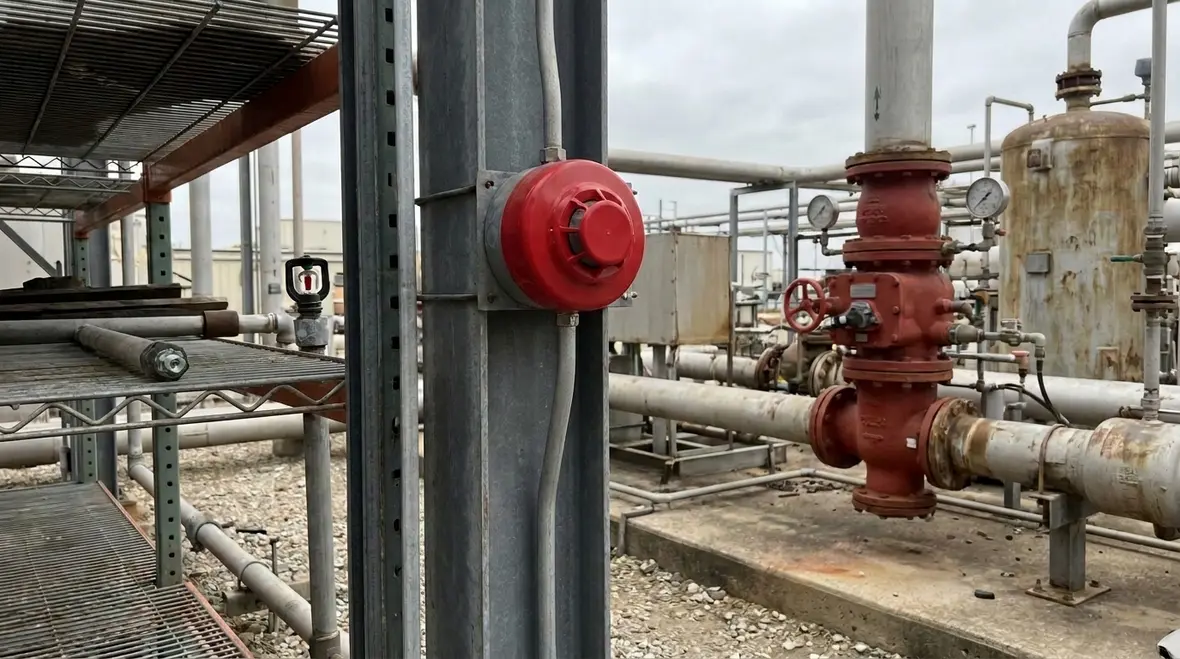
NFPA 15 Section 6.5 Outdoor Detector Spacing and Pilot Sprinkler Limits
Quick Answer: NFPA 15 Section 6.5 sets specific spacing limits between automatic detection devices and pilot sprinklers for outdoor water spray fixed systems. These limits balance rapid detection, timely pilot operation, and reliable main control valve actuation. Site layout, wind, obstructions, and maintenance practices affect compliance.
Why NFPA 15 6.5 spacing rules matter in outdoor water spray systems
Outdoor water spray fixed systems depend on a predictable chain of events: heat or smoke detection, prompt pilot sprinkler discharge, and confident transfer to system operation. NFPA 15 6.5 automatic detection equipment spacing pilot sprinkler 12 ft 8 ft is often treated as a simple layout rule, but it actually drives system response time, coverage effectiveness, and inspection reliability in real commercial environments.
In retail, industrial, and light commercial settings, outdoor installations face additional variables. Air movement can change thermal transport to detectors. Structural features can shield detection. Accumulated debris can delay detector response. These realities make correct spacing and ongoing testing critical for compliance and for performance when conditions change.
For facilities managing broader suppression needs, fire suppression system services can help connect design, inspection, and maintenance planning in a way that fits naturally with outdoor water spray protection.
For additional guidance on system design and water spray fixed system reliability, see: NFPA 15 enhancing fire safety with water spray fixed systems.
What Section 6.5 requires for outdoor detector placement
NFPA 15 Section 6.5 addresses the relationship between automatic detection equipment and pilot sprinklers for outdoor exposure. The goal is to ensure that when a fire occurs, detection happens early enough that the pilot sprinklers operate without delay, and that the pilot operation reliably triggers the main control functions.
Practically, installers and inspectors use Section 6.5 to define:
- Detector to pilot distance constraints so pilot operation occurs within the intended window of system response.
- Layout rules that account for outdoor obstructions such as racks, fencing, canopies, and stored materials.
- Consistency between the as-designed and as-installed configuration including device mounting height and orientation.
Facilities often discover noncompliance only after construction changes. Common triggers include added signage, seasonal inventory changes, new roof members, or relocation of equipment that blocks detector sightlines and changes heat flow paths.
Understanding the key spacing concepts: 12 ft and 8 ft practical limits
Section 6.5 spacing requirements are commonly interpreted around two benchmark distances in outdoor applications: detector spacing pilot sprinkler 12 ft and detector spacing pilot sprinkler 8 ft. The correct distance depends on the specific arrangement and the permitted configuration under the applicable portions of NFPA 15 and the water spray system design basis.
From an implementation standpoint, compliance teams should treat these distances as functional performance limits, not just measurement targets. A location that barely meets the stated spacing may still fail performance intent if the detector cannot see the heat source due to obstructions or if the local environment delays thermal response.
How spacing impacts pilot operation reliability
Pilot sprinklers function as the transition point that turns detection into system action. If detectors are too far from pilot sprinklers, the following issues can occur:
- Detection may initiate control logic, but pilot operation lags, increasing the chance of delayed main valve actuation.
- Partial heating and intermittent activation can lead to nuisance operation or missed operation depending on wind and fuel geometry.
- As-built deviations create “silent drift” when contractors adjust mounting locations without updating design documents.
Outdoor layout challenges that push systems to the edge
Commercial facilities routinely encounter conditions that make the spacing requirements harder to satisfy:
- Wind and convection patterns that pull hot gases away from detectors.
- Temporary covers or seasonal storage that block detector response.
- Rapid outdoor temperature swings affecting heat transfer to thermal elements.
- Corrosion and paint buildup that alter detector sensitivity and appearance during inspections.
These issues raise the stakes for correct spacing, accurate mounting, and documented inspection results.
Installation details that compliance teams verify during plan review and walkthrough
Even when drawings show the correct detector to pilot relationships, the field setup can diverge. Senior fire protection teams should verify operationally meaningful details that relate directly to Section 6.5 compliance.
1) Mounting height, orientation, and thermal access
Detectors and pilots rely on predictable heat transfer. Installers must confirm device mounting heights match the design intent and that orientation does not block heat flow. In many commercial projects, ceiling or canopy modifications change mounting height after permitting.
2) Obstruction allowances and equipment relocation
In retail and warehouse environments, racks, pallets, and signage commonly change. If obstructions move into the detection influence area, the effective performance can degrade even though measured spacing remains unchanged.
Facilities should implement a simple change control process that triggers a fire protection recheck when material layouts or permanent obstructions change.
3) Coordination with water supply and control valve actuation
Detector to pilot spacing affects how quickly the system begins transitioning into discharge. However, compliance also depends on water delivery performance. Inspectors should coordinate Section 6.5 compliance with:
- Correct system hydrostatic and flow conditions
- Alarm and supervisory circuit integrity
- Control valve responsiveness and support hardware condition
Reliable outdoor performance depends on the entire chain, not only spacing.
Inspection, testing, and common failure points after installation
Outdoor systems often experience “inspection aging,” where equipment performance gradually drifts due to environmental effects. To protect compliance and maintain response reliability, facilities should treat Section 6.5 as an inspection priority, not a one-time design check.
Common field issues that create Section 6.5 noncompliance
- Detector relocation during renovations without design updates.
- Missing or incorrect pilot sprinkler installation including wrong bulb type, temperature rating, or placement.
- Obstruction additions such as fencing, new signage, or temporary tarps that interfere with thermal access.
- Paint, scale, and corrosion that delay detector response and reduce confidence in actuation.
- Improper wiring and reset behavior that masks true detector performance.
Operational verification techniques used by service professionals
Qualified technicians typically confirm compliance through documentation review and field measurement, followed by functional checks. A strong maintenance program captures:
- As-built device spacing documentation and photos
- Record of inspections, impairments, and corrective actions
- Evidence of timely reset and restoration to service
- Operational readiness of alarms and supervisory circuits
Industry guidance for water based fire protection testing and knowledge sharing is also available through: firepumps.org.
For commercial sites that need dependable ongoing compliance support, Kord Fire Protection and Kord Fire Protection service teams provide practical field verification and maintenance planning. The goal is to keep outdoor water spray systems aligned with design intent and inspection expectations over time.
When commercial facilities should recheck spacing after changes
Even if the system initially passed, commercial operations change. A recheck becomes necessary when any of the following occurs:
- New storage racks or expanded inventory areas are added near the hazard.
- Canopies, enclosures, or barriers are installed or modified outdoors.
- Detectable corrosion, physical damage, or frequent nuisance activations are observed.
- Detectors or pilot sprinklers are replaced due to age, refurbishment, or tenant turnover.
- Construction or landscaping alters airflow patterns and heat exposure paths.
Commercial compliance teams benefit from setting a trigger schedule. This reduces the risk of discovering Section 6.5 issues during annual inspection or after an incident.
Frequently Asked Questions
Conclusion and call to action
NFPA 15 Section 6.5 outdoor detector spacing rules directly affect response reliability, not just drawing compliance. Commercial facilities should verify as-built detector to pilot relationships, account for obstructions, and maintain documented inspections that prove ongoing readiness. Kord Fire Protection can support field measurement, corrective action planning, and maintenance scheduling to keep outdoor water spray systems aligned with NFPA 15 requirements. Contact Kord Fire Protection to plan your next compliance check and reduce spacing and pilot operation risks before inspection day.

Join Our Newsletter!
Get the latest fire safety tips delivered straight to your inbox From our Newsletter.



