
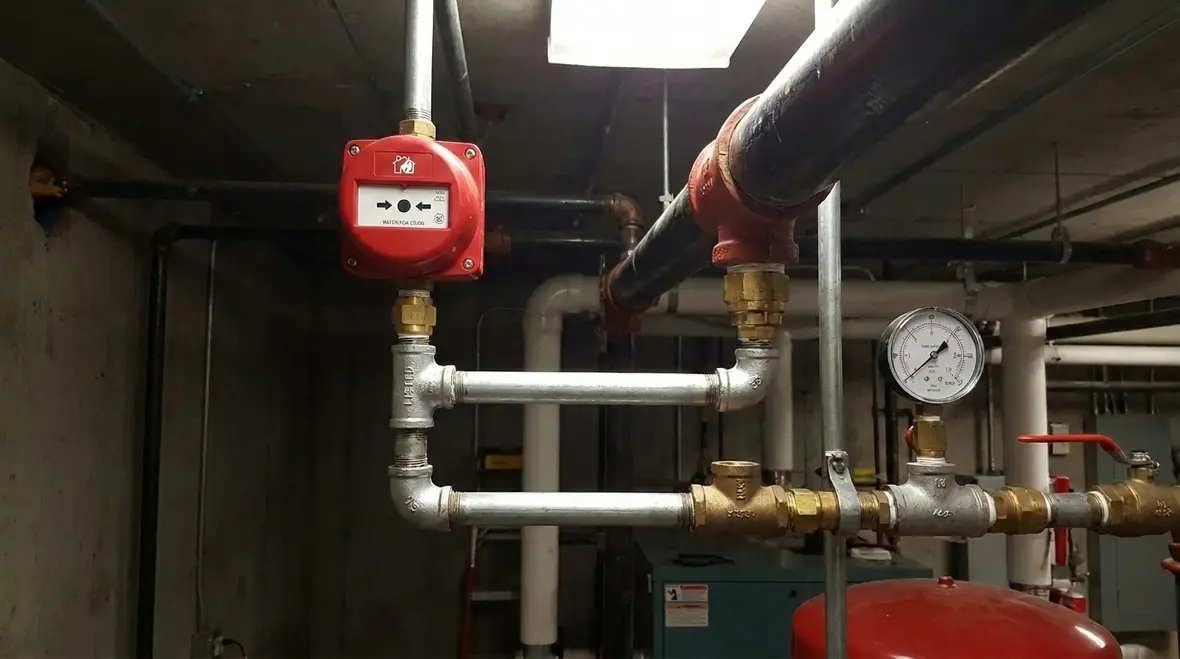
NFPA 15 Section 5.11 Alarms: Waterflow Alarm Piping and Device Requirements
Quick Answer
NFPA 15 Section 5.11 requires waterflow alarm devices to be connected with listed waterflow alarm piping sized and configured to reliably transmit alarm water pressures. Where applicable, systems often use listed piping in 3/4 inch or 3/8 inch configurations, installed to prevent obstruction, air binding, and tampering.
What NFPA 15 Section 5.11 requires for waterflow alarm communications
Waterflow alarm operation in NFPA 15 starts with a “water is flowing” condition at a sprinkler or water spray valve. Section 5.11 then governs how that condition is translated into a supervisory or alarm signal through waterflow alarm devices, associated piping, and fittings.
In practice, contractors and maintenance teams must treat waterflow alarm piping as a functional control line, not a convenience run. The alarm line must stay properly wetted, sized within the listed requirements, and protected against common issues that delay or suppress alarm transmission. This is one reason NFPA 15 5.11 alarms waterflow listed piping 3/4 3/8 inch requirements remain a frequent inspection focus in commercial and industrial facilities.
Which piping sizes and listed components matter in the field
NFPA 15 Section 5.11 centers on the use of listed waterflow alarm devices and listed alarm piping and fittings where applicable. The intent is to ensure the alarm device receives adequate water flow and pressure at the required operating conditions.
Typical project configurations in many jurisdictions include alarm piping arrangements using listed 3/4 inch and 3/8 inch components, depending on the system design, device selection, and manufacturer listing. The specific size and routing must align with the listing and the engineered design basis. This prevents installers from substituting generic fittings, reducers, or unlisted pipe segments that can alter flow characteristics or create partial obstructions.
Commercial compliance challenge: Many facilities retrofit or modify piping for convenience. Field changes made without verifying listing requirements can lead to nuisance alarms, delayed alarms, or alarm device failure under real flow conditions.
For additional context on water based fixed systems and how operational reliability depends on correct installation and service, see NFPA 15 enhancing fire safety with water spray fixed systems.
Teams that want a broader maintenance framework can also review fire protection inspection, testing, and maintenance services to connect alarm piping reliability with real service intervals and compliance documentation.
How waterflow alarm devices actually work, and why piping affects them
Waterflow alarm devices translate water movement into an alarm signal. Depending on the installed configuration, devices may use mechanical actuation, pressure differential, or electrical interfaces triggered by the presence of alarm water flow.
Alarm piping influences device response in several ways:
- Water supply and pressure delivery: Tight corners, undersized runs, or unapproved reducers can prevent the alarm device from reaching the required actuation threshold.
- Air management: If the alarm line traps air or does not remain fully wetted, the device can delay actuation during the first flow event.
- Blockage risk: Debris, joint compound residue, and capped sections can partially or fully obstruct alarm flow to the device.
- Hydraulic consequences: Changes in pipe material, internal roughness, or fitting types can shift flow patterns, affecting whether the alarm device sees sufficient water movement.
Maintenance reality: Waterflow alarm piping frequently sees overlooked neglect. Even when sprinkler valves are inspected, the alarm line may not be exercised regularly, allowing small obstructions or air pockets to develop until the system is needed.
Installation requirements that prevent delays, nuisance alarms, and failures
Section 5.11 execution typically fails at predictable points. Installers and inspection teams should verify the following during acceptance testing and periodic service.
1) Maintain listed configuration from device to connection point
Use only listed alarm piping, fittings, and transitions that match the device manufacturer instructions and the system listing. Avoid “like for like” substitutions. A reducer used to save material or route around an obstruction can change the device operating behavior.
2) Protect the alarm line from improper routing
Route the alarm line to avoid conditions that can trap air or collect debris. Excessive horizontal runs with unfavorable slope, long dead legs, and unsealed penetrations can all compromise consistent alarm actuation.
3) Prevent tampering and unauthorized modifications
In retail and industrial spaces, maintenance staff sometimes reconfigure piping to support other trades. Any change that impacts the waterflow alarm line must follow permit and design review processes. NFPA compliance depends on retaining the alarm line as installed, not as “adjusted for operations.”
4) Ensure correct supervision and testing readiness
The alarm system must allow testing without impairing other protection features. Facilities often need minimal disruption testing procedures that still confirm actual water delivery to the alarm device and correct signal transmission to the supervising station.
For reference on how water delivery systems and components are evaluated in practice, the technical community resource at Fire Pump Alarm Systems Guide for Facilities can help teams connect alarm reliability with overall system performance considerations.
Inspection and testing: what to document so audits stay smooth
Waterflow alarm compliance is proven through testable performance, not just paperwork. Commercial facilities should maintain documented procedures for both acceptance testing and ongoing inspections.
Acceptance checks that reduce call backs
- Confirm installed alarm piping uses listed components and matches the design drawing basis, including any 3/4 inch or 3/8 inch listed configurations where specified.
- Verify alarm device installation conditions, including proper orientation, wetted state, and unobstructed internal pathways.
- Check for correct interlocks and alarm signal routing to the fire alarm control unit or supervising station.
Ongoing service that addresses common failure points
- Delayed actuation: Inspect the alarm line for trapped air, obstructions, or incorrect fittings and check for signs of partial restriction.
- Nuisance alarms: Confirm that the alarm line is not exposed to unintended water sources, leaks, or pressure disturbances from nearby equipment.
- Mechanical degradation: Evaluate device components for wear, sticking mechanisms, and gasket or sealing failures.
These tasks require coordination between fire protection contractors, facility engineering teams, and inspectors. Kord Fire Protection supports commercial, industrial, and retail clients by managing compliance documentation, service scheduling, and device level verification so that NFPA 15 5.11 alarms waterflow listed piping 3/4 3/8 inch requirements remain intact over time.
Why consistent maintenance matters for commercial and retail operations
Retail stores, warehouses, and mixed use occupancies rely on dependable life safety systems with predictable response times. Waterflow alarm piping is frequently located in ceilings, valve rooms, and mechanical spaces where ongoing activity can alter conditions without immediate visibility.
Common operational factors that affect waterflow alarm reliability include maintenance shutdown practices, construction debris after renovations, and seasonal mechanical changes that create vibration or minor leaks near alarm components.
To reduce disruption and extend compliance readiness, many organizations partner with an experienced service provider such as Kord Fire Protection for recurring testing, corrective action management, and audit support. This approach helps ensure that alarm lines remain correctly wetted, properly routed, and free from unapproved modifications.
Frequently Asked Questions
Call to action
Ensure your NFPA 15 Section 5.11 waterflow alarms remain reliable through correct listed alarm piping installation, documented testing, and ongoing maintenance. Kord Fire Protection can support compliance verification, corrective actions, and audit ready service schedules tailored to commercial and industrial realities. Contact Kord Fire Protection to review your system drawings, alarm line configuration, and maintenance plan, and to schedule an inspection that confirms waterflow alarm operation under real conditions.

Join Our Newsletter!
Get the latest fire safety tips delivered straight to your inbox From our Newsletter.



