NFPA 15 Pressure Gauge Requirements for Water Spray Systems
Quick Answer: NFPA 15 Section 5.8 says water spray systems need pressure gauges that help crews confirm the system can do its job when needed. In plain terms, the gauge must be easy to read, properly placed, and able to show real operating pressure. That matters because weak pressure can turn a fire response into a sad little performance review.
NFPA 15 pressure gauge requirements water spray systems are not just a line in a standard. They help industrial, retail, commercial, and facility teams keep protection systems honest, visible, and ready. In the first place, pressure gauges give operators a fast way to see whether water spray equipment is likely to deliver the correct flow. Without that feedback, even a well built system can become guesswork dressed in steel.
For sites that manage high risk plant, electrical rooms, loading areas, fuel zones, or process equipment, this detail matters. It also matters to the people who maintain those systems every day. That is where Kord Fire Protection can become a vital partner, because good fire protection is never just about install day. It is about testing, checks, upkeep, and keeping the system in line with the standard over time. Near the top of that conversation, it makes sense to build maintenance around broader fire protection services that support inspections, readiness, and ongoing compliance across the facility.
What NFPA 15 Section 5.8 means for water spray systems
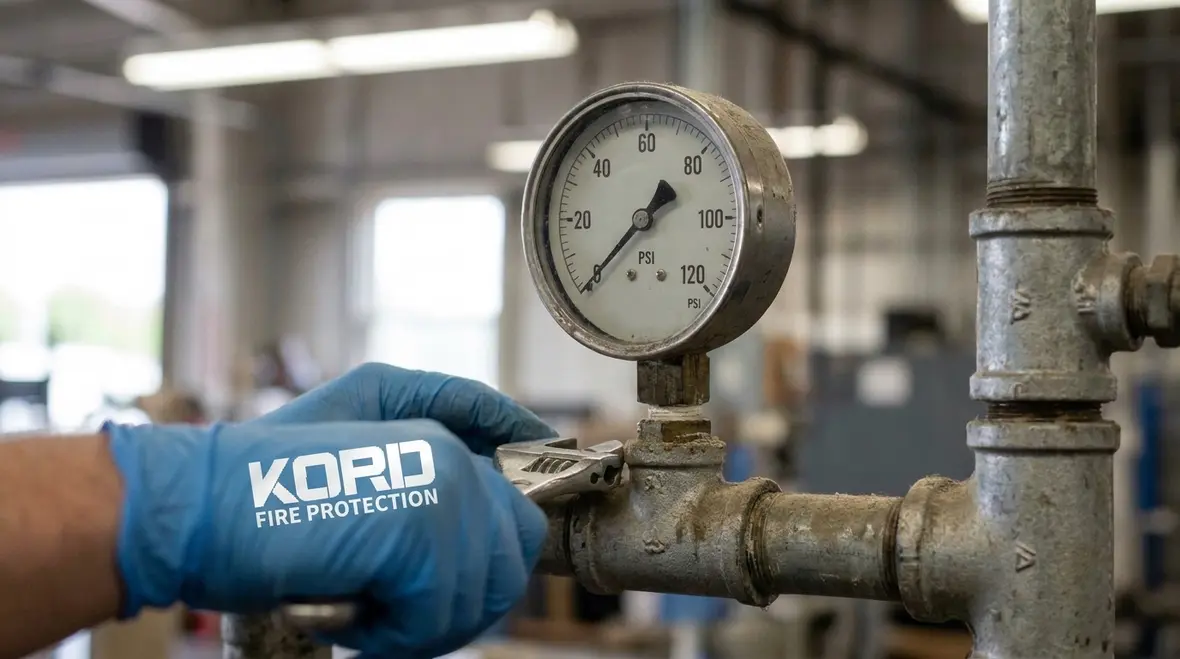
NFPA 15 Section 5.8 focuses on pressure gauges as a key part of water spray systems. These gauges let teams verify system pressure during normal checks and during fire event response. As a result, they support confidence in the system’s performance.
The point is simple. If pressure drops too low, the spray may not cover the hazard properly. If pressure rises beyond the expected range, the system may signal another fault or design issue. Therefore, the gauge acts like the system’s voice. It says, “All good,” or it says, “We need a closer look.”
What that means in practice
In practice, teams are using a very humble instrument to answer a very serious question: if a fire starts right now, will the system deliver what the design expects? That is why visibility and placement matter so much. A gauge tucked where no one can see it is about as useful as a flashlight with commitment issues.
Why pressure gauges matter in real facilities
Water spray systems protect more than one kind of site. They cover industrial plant rooms, storage zones, manufacturing areas, and commercial assets where heat or flame can spread fast. In those settings, a gauge gives an instant read on system health.
Furthermore, pressure gauges help maintenance teams spot trouble before it grows legs. A small pressure change can point to clogged nozzles, pump issues, valve faults, or line damage. That makes the gauge one of the simplest tools on site, yet also one of the most useful. In the same way a doctor checks a pulse, the fire system checks pressure. Not glamorous, but very helpful.
This is also where internal planning and smarter interlinking help the article feel useful instead of fluffy. Teams comparing spray, mist, and special hazard options may also want to review Kord Fire Protection’s related guidance on NFPA 15 water spray fixed systems, especially when system intent and real world performance need to line up.

NFPA 15 pressure gauge requirements water spray: what teams should check
When a site reviews NFPA 15 pressure gauge requirements water spray systems, the focus should stay on access, visibility, accuracy, and placement. The gauge must be easy to read during normal rounds and usable when staff need a fast system check.
- Clear reading: Staff should see the gauge without struggle or unsafe access.
- Correct location: The gauge should reflect the right pressure point in the system.
- Working condition: The face, needle, and body should stay free from damage and wear.
- Routine checks: Teams should inspect the gauge during planned maintenance and testing.
- Match to system design: The gauge range should suit the operating pressure of the water spray system.
Moreover, gauge checks should connect to the wider inspection routine. A gauge alone cannot protect a site. However, it can reveal whether the system is ready to perform when heat and fire decide to make an unwanted entrance.
A short checklist teams can use
During rounds, look for an intact face, a readable dial, no obvious corrosion, and no signs the gauge has been bumped into retirement by forklifts, tools, or general facility chaos. Then compare the reading to expected conditions and document anything that looks off. Boring? A little. Effective? Very.
How Kord Fire Protection supports compliance and uptime
Kord Fire Protection can become a vital partner because it helps facilities keep water spray systems practical, compliant, and ready for service. Their team can support inspection, testing, maintenance, and system advice so pressure gauges remain part of a healthy fire protection setup.
In addition, Kord Fire Protection can help sites spot issues before they become downtime, damage, or failed compliance checks. That matters in busy operations where every minute counts and no one has time for a surprise system fault on a Tuesday morning. Through planned servicing and strong technical support, Kord helps facilities keep the system aligned with NFPA expectations and site risk needs.
That support becomes even more practical when facilities need one partner across inspections, repairs, and readiness planning. Kord Fire Protection’s broader approach to fire sprinkler system service fits naturally into that workflow, especially for properties trying to keep testing cycles, documentation, and corrective action from turning into a paper chase with valves.
Dual column view for site teams and maintenance teams
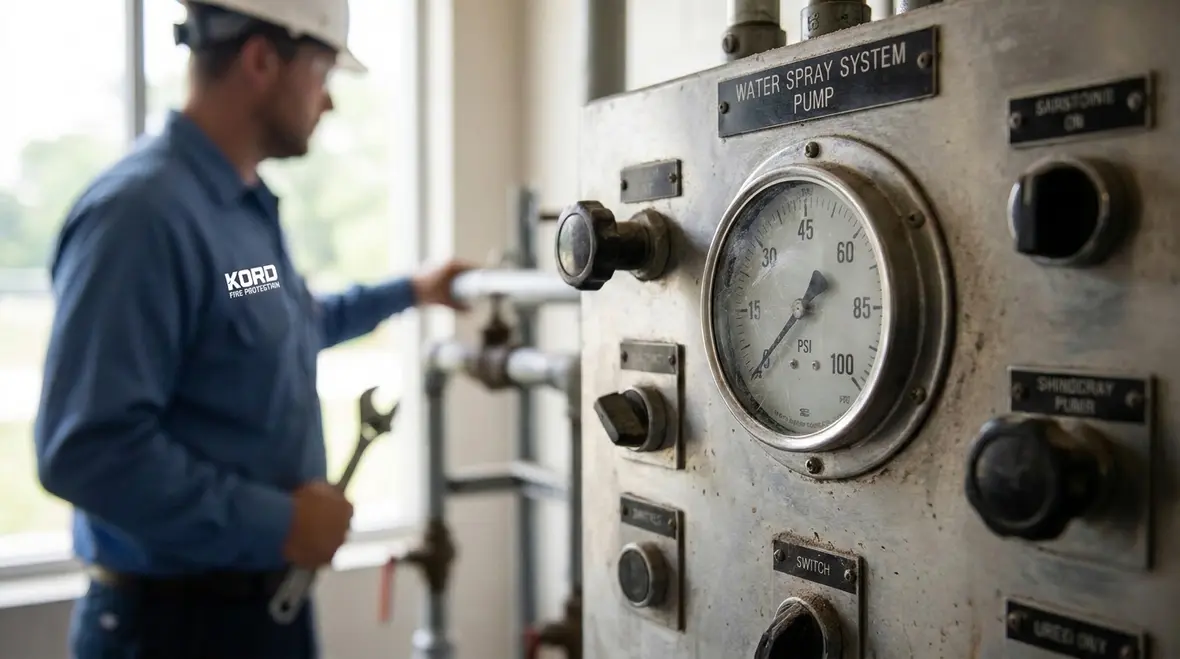
Site teams
Need fast visibility of pressure status
Need simple checks during daily rounds
Need confidence that the system will respond
Maintenance teams
Need accurate readings for troubleshooting
Need support during testing and service
Need a clear path to fix faults before they spread
Common mistakes that create gauge problems
Many gauge issues come from neglect, not drama. A damaged gauge can sit unnoticed for months. Likewise, a gauge in the wrong place can give a false sense of safety. That is why regular review matters.
Other common mistakes include ignoring cloudy faces, missing calibration checks where required, or treating the gauge as decoration. Sadly, fire protection hardware does not work like a Marvel suit. It needs actual care. Therefore, teams should treat every gauge as a live part of the protection strategy, not a background prop.
Why small issues become bigger ones
A fogged lens, a bent needle, or a gauge mounted where access is awkward may seem minor until someone needs a quick answer under pressure. Then suddenly the “tiny issue” has the stage and everyone wishes they had dealt with it earlier. This is exactly why routine attention beats heroic panic every time.
FAQ
Final word for facilities
NFPA 15 pressure gauge requirements water spray systems give facilities a clear way to track readiness and reduce risk. Therefore, teams should keep gauges visible, working, and part of a solid maintenance plan. The gauge may be a small device, but it carries a big job, and no facility benefits from learning that lesson the dramatic way.
For industrial, retail, and commercial sites, Kord Fire Protection can help keep that process steady, simple, and compliant through inspection, testing, maintenance, and practical support. Reach out and make the next inspection count before your system decides to communicate in the least convenient way possible.

Join Our Newsletter!
Get the latest fire safety tips delivered straight to your inbox From our Newsletter.