NFPA 15 Section 5.7 Water Spray Control Valves in Australia
Quick Answer
NFPA 15 Section 5.7 sets the rules for valves used in water spray fire protection systems. These valves help control flow, shut off service, and keep systems ready when heat rises. For industrial, commercial, and retail sites across Australia, strong valve selection and correct setup reduce risk, support compliance, and keep people and assets safer.
When sites also need broader support around system reliability, testing, and repairs, fire sprinkler system service can fit naturally into the bigger protection plan. That matters because valves do not work in isolation. They are part of a living system that has to perform on demand, not just look respectable on a drawing.
NFPA 15 Section 5.7 and Why It Matters
NFPA 15 control valves water spray systems play a major role in fixed fire protection. Section 5.7 focuses on the valves that manage water spray discharge, isolation, and system operation. In simple terms, these parts decide when water moves, how it moves, and whether the system can do its job without delay. That matters because a water spray system is only as strong as the control hardware behind it. No pressure, no performance. A fire does not wait for a poor valve choice to catch up.
For facilities across Australia, this section supports safer plant rooms, process zones, fuel areas, transformer yards, storage spaces, and high risk equipment areas. It also helps teams keep systems clear, serviceable, and ready for inspection. That is the kind of detail that keeps a fire protection plan from becoming a very expensive paperweight.
The logic behind the section is straightforward. If a valve is unreliable, badly placed, or poorly identified, the whole water spray arrangement becomes harder to trust. During maintenance, that means longer delays and more room for mistakes. During an emergency, that means crews lose precious time. Neither option is exactly a crowd pleaser.
Why water spray valve control deserves close attention
Water spray systems often protect specific hazards rather than broad open floor areas. Because of that, control valves need to support accurate, dependable operation at the exact point where protection is needed most. In real facilities, that can include equipment cooling, exposure protection, flammable liquid risks, or process related hazards where quick system response is a serious advantage.
This is also why related guidance around fixed water spray protection is worth reviewing alongside this section, especially NFPA 15 fixed water spray system requirements. Looking at the bigger picture helps teams understand that valve performance is not just a mechanical detail. It is part of how the whole strategy stays practical, testable, and ready to go.
What Section 5.7 Requires from Control Valves
Section 5.7 expects valves to suit the system design and the hazard they protect. They must allow reliable operation, proper shutoff, and easy identification. Just as important, they should be placed where crews can reach them during service and emergency action. If a valve hides behind a maze of pipes, ducts, and old storage boxes, the system becomes harder to test and slower to maintain.
In practice, the section supports a few core needs. First, valves must match the water spray system type and pressure demand. Second, they must stay accessible for inspection and operation. Third, they need clear marking so maintenance teams do not play guessing games under pressure. Finally, the layout should help the system remain dependable through routine use and long service life.
Core expectations that make valve layouts work better
- Clear access for operation, inspection, and testing
- Correct sizing to support required flow and pressure
- Reliable shutoff for maintenance and sectional isolation
- Visible identification to reduce service errors
- Placement that makes sense in real site conditions
| Valve Design Need | Why It Helps |
| Clear access | Speeds inspection, testing, and emergency use |
| Correct sizing | Supports the needed flow and pressure |
| Proper labels | Reduces mistakes during maintenance |
| Reliable shutoff | Helps isolate zones without system confusion |
| Good placement | Keeps valves usable in real site conditions |
These points sound simple because, frankly, they are. The trouble starts when projects rush past them. A valve that is technically present but awkward to reach, hard to read, or wrong for the duty can create headaches all through the life of the system. Fire protection tends to remember shortcuts with interest.
How the Right Valve Setup Supports Safety and Compliance
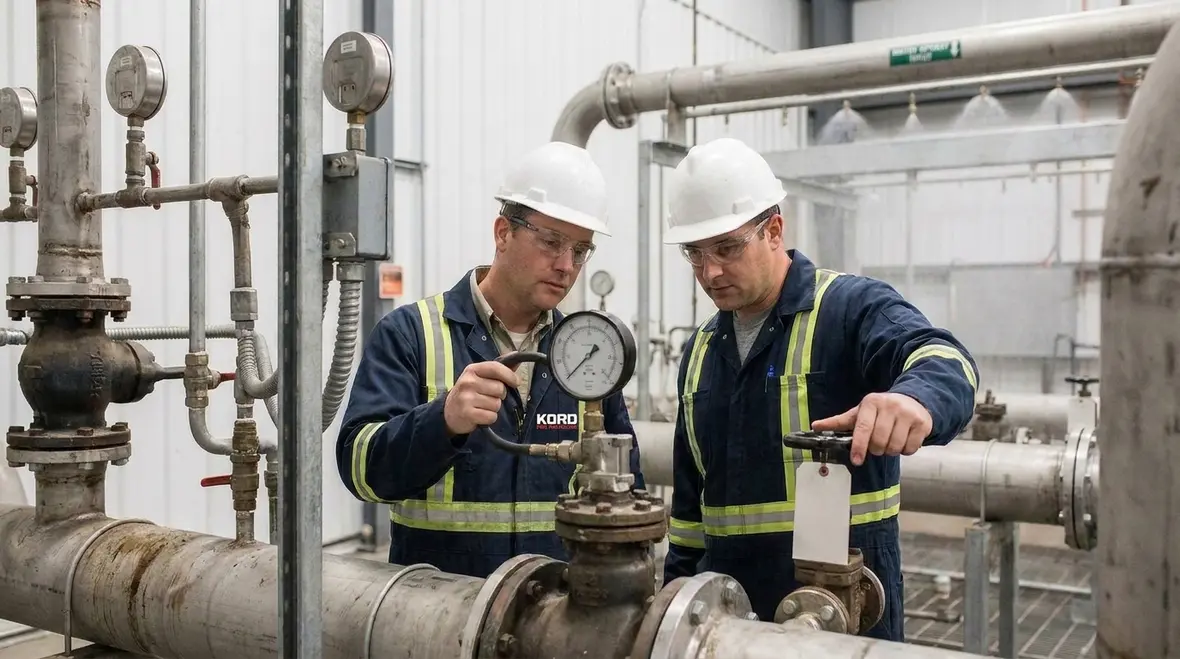
A good valve setup does more than open and close. It supports the full life of the system. Proper control valves help isolate sections for maintenance without shutting down an entire site. They also let teams test a system in stages, which reduces disruption for operations. For busy industrial and commercial sites, that can save time, money, and a fair bit of stress.
In Australia, many facilities manage high value equipment and mixed use spaces. As a result, a valve issue can affect safety, uptime, and insurance outcomes all at once. Therefore, teams need a system that works as a complete unit, not just a pile of parts. NFPA 15 control valves water spray systems help support that goal by keeping flow control dependable and predictable.
There is also a practical side that often gets overlooked. A well arranged valve layout makes training easier. Staff can learn what each valve does, where it sits, and how it affects nearby protection zones. That lowers confusion during inspections and helps emergency actions happen with less hesitation. Nobody wants a live fire event to double as an escape room puzzle.
Compliance becomes easier when systems are practical
Compliance is rarely just about owning the right equipment. It is about being able to inspect it, test it, document it, and rely on it consistently. Valves that are properly selected and sensibly located make all of those tasks easier. They help reduce preventable faults, keep service intervals more manageable, and support a cleaner maintenance record over time.
What Kord Fire Protection Can Do for This Service
Kord Fire Protection can become a vital partner by helping clients choose, install, and maintain valve arrangements that suit the site and the hazard. That support matters because water spray systems are not a one size fits all deal. A refinery, a warehouse, and a retail plant room each ask for different thinking. One size fits none, which is not a slogan anyone wants on a fire system.
Kord Fire Protection can assist with system design review, valve selection, practical placement, commissioning support, and ongoing maintenance planning. In addition, the team can help site managers keep records clear and service work on track. That kind of support reduces downtime and helps facilities stay ready for audits and inspections. When compliance feels like a moving target, a solid partner can steady the aim.
For sites that also deal with special hazards beyond standard sprinklers, broader fire suppression system services can support a more complete protection strategy. That makes sense where valve choices, hazard profiles, and maintenance needs all intersect across one facility.
How to Choose the Right Valves for Water Spray Systems
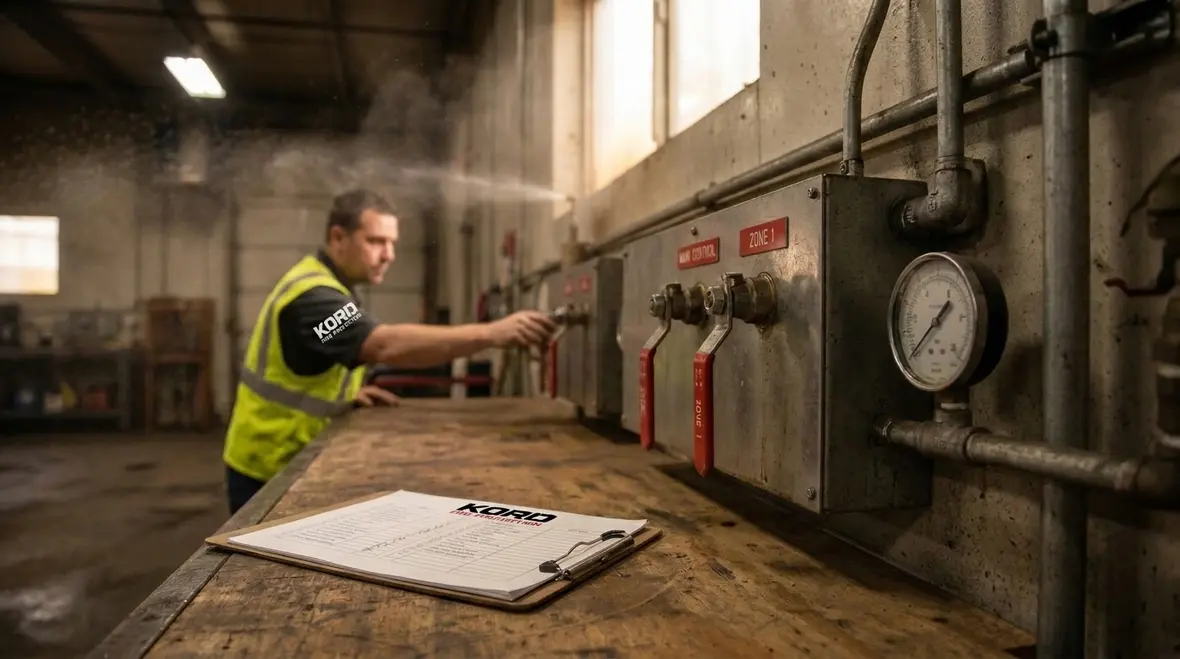
Facility managers should look at hazard level, water demand, access needs, and service life. They should also check whether the valve type fits the system function and local operating conditions. For example, sites with harsh environments may need stronger materials and better corrosion resistance. Meanwhile, sites with frequent testing may need valve layouts that simplify routine work.
It also helps to think beyond installation day. Will the valve remain easy to reach when equipment changes? Will staff know how to identify it? Can maintenance teams service it without shutting down half the building? These questions may sound ordinary, but they often separate a smooth system from a surprise headline on a bad day.
A practical checklist for better valve decisions
- Match the valve to system duty, hazard type, and expected pressure
- Confirm there is enough room for safe operation and future servicing
- Use labeling that remains clear even in busy industrial environments
- Consider corrosion resistance where weather, chemicals, or moisture are factors
- Plan for routine testing before the layout becomes locked in
Good planning here pays off later. It reduces awkward retrofits, limits service disruption, and gives maintenance teams a much fairer starting point. Fire systems should be dependable, not a scavenger hunt with paperwork.
Why Ongoing Inspection and Testing Still Matter
Even the best valve will not protect a site if no one checks it. Regular inspection finds leaks, wear, damaged labels, blocked access, and slow response before those issues become real trouble. Testing also confirms that the valve opens and shuts as intended and that the full system responds correctly. As a result, the site keeps more than compliance. It keeps confidence.
Teams should treat maintenance as part of fire safety, not as a side task for later. That mindset helps protect operations, people, and assets across industrial, retail, and commercial sites. And yes, later is usually where problems grow roots.
Regular checks also create better documentation. That matters when auditors, insurers, and site leaders want proof that the system is being managed properly. A dependable testing routine turns valve performance from a hopeful assumption into something the site can actually verify.
FAQ
Conclusion
NFPA 15 Section 5.7 gives facilities a clear path for safer valve selection and stronger water spray performance. For Australian industrial and commercial sites, the right partner matters just as much as the right hardware. Kord Fire Protection can help keep systems compliant, practical, and ready when it counts.
For sites that value uptime and safety, now is the time to review valve systems and get expert support. A better valve layout can improve testing, simplify maintenance, and strengthen confidence that the system will respond when the heat rises and the excuses run out.

Join Our Newsletter!
Get the latest fire safety tips delivered straight to your inbox From our Newsletter.