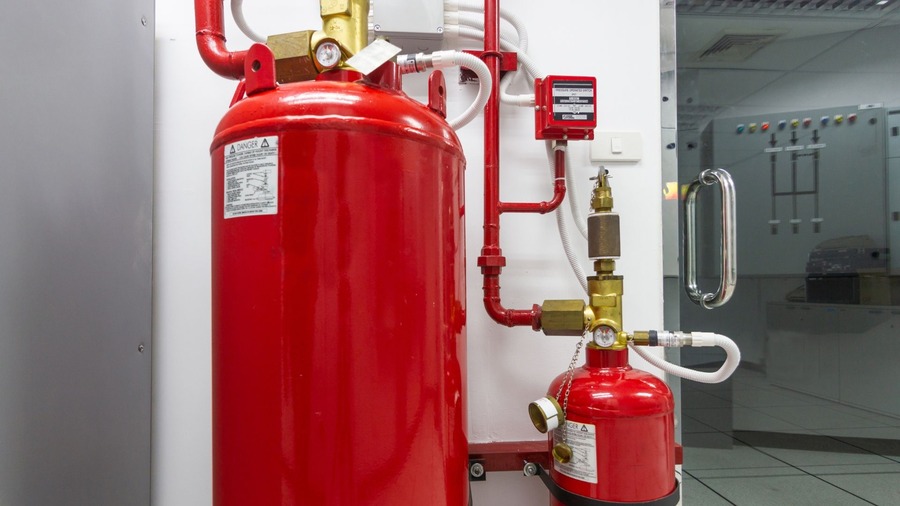
NFPA 15 Hydraulic Calculation Procedures for Water Spray Systems
Quick Answer
NFPA 15 hydraulic calculation procedures water spray systems help prove that a design will deliver the right water flow and pressure to protect hazards fast. In simple terms, the calculation checks whether the system can perform before a fire ever shows up. For industrial, retail, and commercial sites, that means safer assets, smoother approvals, and fewer nasty surprises.
When teams need support beyond the design worksheet, professional fire suppression services can help connect hydraulic calculations with installation, testing, and real world performance. For deeper background on the standard itself, it also helps to review this guide to NFPA 15 water spray fixed systems so the numbers stay tied to the actual protection goal.
NFPA 15 Section 8.5: The Core of Water Spray Design
NFPA 15 Section 8.5 sets the path for hydraulic calculation procedures for water spray systems. It guides designers to confirm that every nozzle, pipe, valve, and supply point works together under real demand. In other words, the paper design must match the actual performance. Fire does not care about theory, and neither do regulators. That is why proper calculations matter from the first sketch to final sign off.
For industrial, retail, and commercial facilities, this process supports asset protection for transformers, conveyors, cable trays, flammable liquid areas, and other exposed hazards. It also helps teams avoid under sizing, pressure loss, and uneven spray patterns. And yes, bad calculations can turn a well planned system into an expensive sprinkler themed guessing game.

Why Hydraulic Calculations Matter for Water Spray Systems
Hydraulic design shows whether the water supply can deliver the required density and coverage at the most demanding point of the system. It also shows how friction loss, elevation, and fitting losses affect the final pressure at each nozzle. Therefore, the calculation is not just a box to tick. It is the proof that the system can do its job when heat rises and time starts moving very fast.
For facilities managers and project teams, strong calculations help with tender clarity, compliance checks, and practical coordination with builders, electricians, and mechanical teams. Moreover, they reduce costly changes later in the project. Nobody enjoys opening a ceiling after handover. That scene belongs in a comedy sketch, not a fire project.
What a Proper Water Spray Calculation Includes
A solid calculation package usually looks at the hazard type, nozzle arrangement, design area, water demand, pressure at the most remote nozzle, and the characteristics of the water supply. It also considers pipe sizing, valve losses, and any system devices that affect flow. As a result, the designer can confirm whether the chosen layout will perform under the required conditions.
Typical inputs include:
- Hazard classification and protection objective
- Nozzle spacing and spray coverage
- Required discharge density
- Water supply flow and pressure data
- Pipe length, diameter, and material
- Elevation changes and fitting losses
- Deluge valve and system component losses
When these values work together, the result is a system that protects the hazard with confidence, not hope. Hope is fine for movie endings. Not so much for fire protection.
How the NFPA 15 Hydraulic Calculation Process Usually Works
The process begins with a site review and hazard survey. Next, the designer confirms the protection goal and identifies the spray pattern needed. Then the system is mapped, and each section of pipe is checked for flow and pressure. After that, the most demanding area is calculated to confirm the water supply can support the full design demand.
Because water spray systems often protect special hazards, the engineer must be careful with every detail. For example, a small change in pipe size or nozzle placement can affect the entire result. Therefore, accurate field data matters. A good drawing is helpful, but a good drawing backed by real site conditions is what the approval team wants to see.
In practice, the workflow tends to move from hazard review to layout development, then into demand calculations, supply comparison, and design refinement. That sequence sounds tidy on paper, but live projects rarely behave like obedient little spreadsheets. Someone shifts equipment, a valve location changes, or supply data arrives later than anyone hoped. Good hydraulic procedure accounts for those project realities instead of pretending they do not exist.
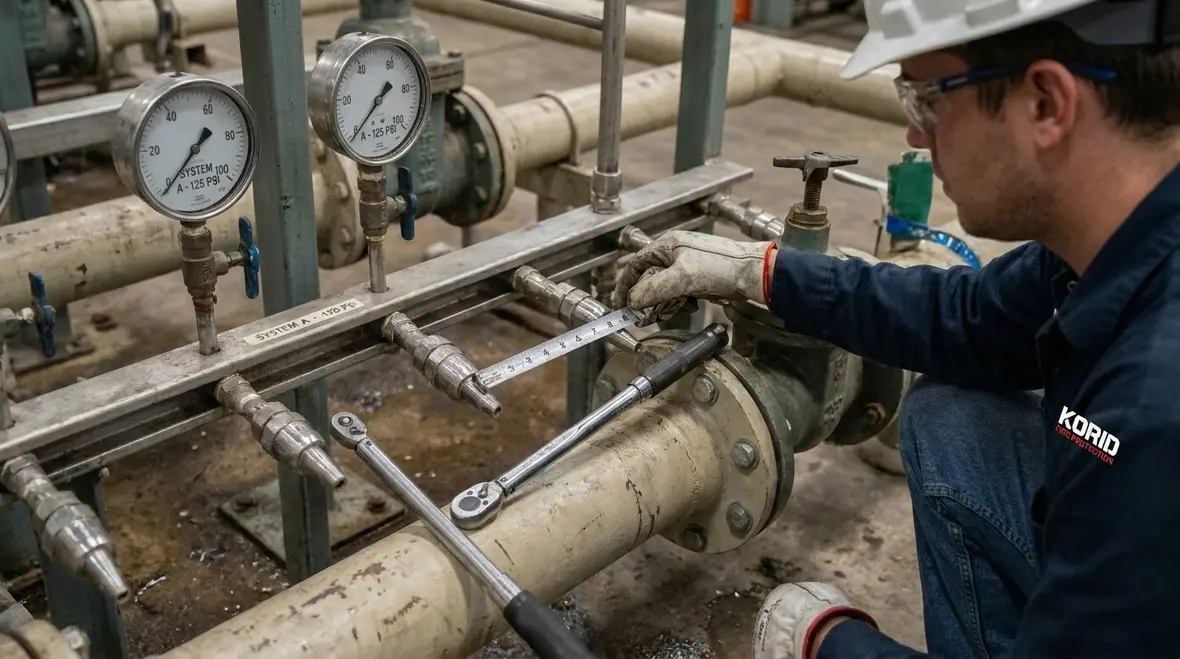
Where Kord Fire Protection Adds Real Value
Kord Fire Protection can become a vital partner in this service because it brings practical fire protection knowledge into the design and delivery process. For many facilities, that support means fewer delays, better coordination, and a cleaner path from concept to commissioning. In addition, Kord can help align the hydraulic design with site needs, compliance goals, and construction realities.
Here is how Kord Fire Protection can support a project:
- Review hazard requirements and protection targets
- Prepare or verify hydraulic calculations for water spray systems
- Coordinate with water supply data and site constraints
- Support design changes during construction
- Assist with testing, commissioning, and final checks
- Help project teams stay aligned with NFPA 15 expectations
For busy facilities, that kind of support matters. A strong partner keeps the job moving and helps avoid the classic project drama where everyone says, “That was not on my drawing.” That is also why broader full fire protection services can be useful when the hydraulic work needs to stay coordinated with inspections, suppression systems, sprinklers, and readiness planning across the site.
Design Confidence Comes From Verification, Not Vibes
A hydraulic calculation package does more than satisfy a reviewer. It gives owners, consultants, and contractors a common technical reference point. That means fewer assumptions, fewer crossed wires, and a much better chance that the installed system will behave the way the design promised. In fire protection, good verification is not overthinking. It is what keeps confidence from becoming wishful thinking in a hard hat.
How to Answer the Big Question: Is the Water Supply Enough?
This is the heart of the matter. A water spray system only works if the supply can meet the demand at the required pressure. So the calculation compares the available supply with the system demand after losses are counted. If the supply falls short, the design must change. That may mean larger pipe, better zoning, a different nozzle layout, or a supply upgrade.
For industrial and commercial properties, this step protects both life safety and business continuity. Moreover, it helps owners avoid false confidence. A system that looks impressive on paper but fails in real flow conditions is just expensive plumbing with ambition.
It is also the point where many projects either gain momentum or hit a wall. If the water supply is confirmed early, the design team can move forward with clarity. If it is not, the calculation exposes the shortfall before installation dollars start flying out the window. That is not bad news. That is useful news. It is far better to adjust drawings than explain later why the installed system cannot meet the hazard demand.
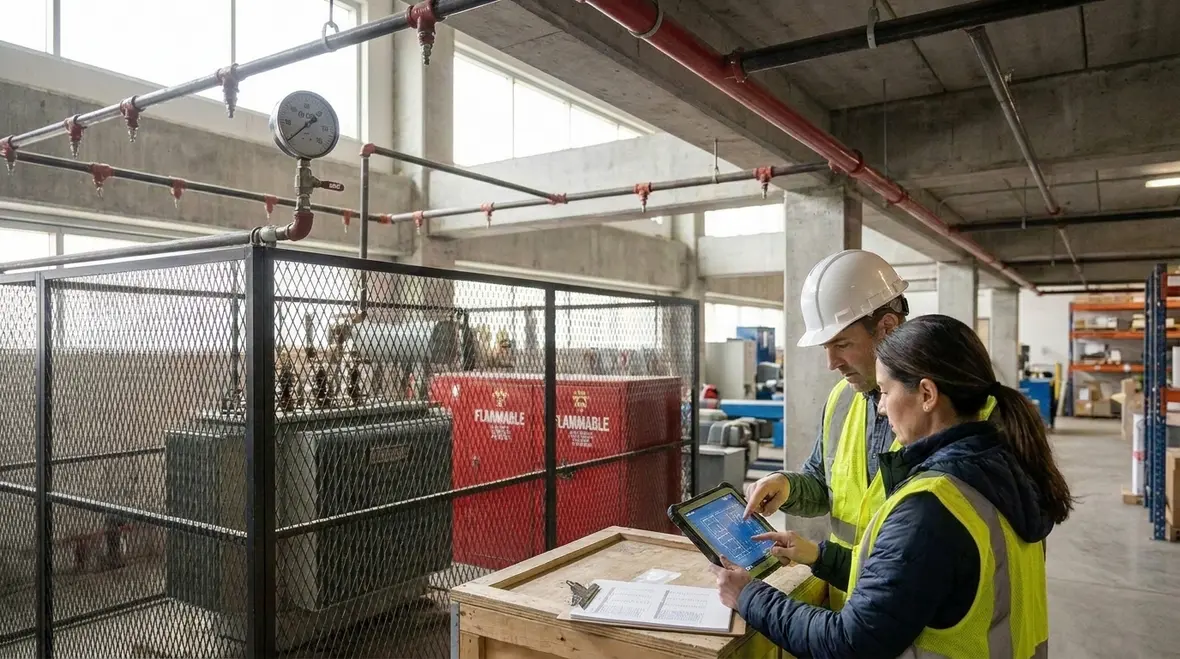
Practical Checks vs Common Errors
Practical checks
- Confirm water supply test data before design starts
- Check the most remote nozzle first
- Verify pipe sizing against actual demand
- Account for all valve and fitting losses
- Match layout to the real hazard shape
Common errors
- Using old supply data
- Ignoring elevation change
- Overlooking hidden pressure loss
- Spacing nozzles too wide or too tight
- Assuming one design fits every hazard
Those lists may look simple, but they solve a surprising amount of project pain. Most hydraulic errors are not dramatic. They are usually small omissions that stack up until the design stops behaving properly. A forgotten fitting loss here, an outdated supply test there, and suddenly the whole system is performing interpretive dance instead of dependable fire protection.
Why Experienced Support Matters
Many sites deal with mixed building uses, tight plant rooms, changing operational needs, and demanding compliance timelines. Because of that, water spray design needs more than a rule book. It needs real project experience. The right team can adapt the hydraulic calculation to the site while still meeting the standard. That balance saves time, lowers risk, and supports cleaner approvals.
Whether the job involves a warehouse, data room, processing area, retail back of house space, or critical equipment zone, the same principle applies. The system must work under pressure, literally and legally.
Experienced support also helps when the project scope changes halfway through, which of course never happens except all the time. When a hazard expands, equipment moves, or a tenant requirement shifts, the hydraulic model often needs to be revisited. Teams that understand both the standard and the field conditions can make those updates without sending the whole program into chaos.
FAQ
Conclusion: Get the Calculation Right, Then Build with Confidence
NFPA 15 hydraulic calculation procedures water spray systems are the backbone of reliable special hazard protection. They turn design intent into real world performance. When the numbers are done properly, project teams gain clarity on flow, pressure, layout, and supply limitations before those issues become expensive site problems.
Kord Fire Protection can help make that process smoother, safer, and far less stressful by supporting design alignment, verification, coordination, and delivery. When the job needs accuracy, compliance, and calm execution, the right partner makes all the difference. Reach out and put the numbers to work.

Join Our Newsletter!
Get the latest fire safety tips delivered straight to your inbox From our Newsletter.