
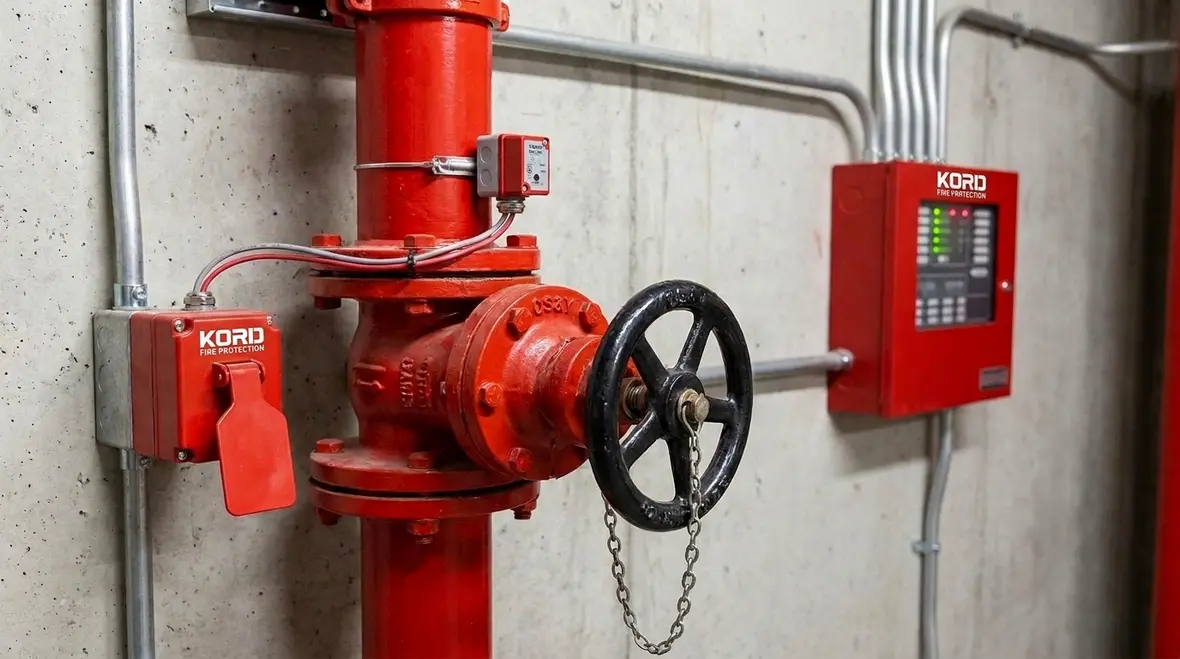
NFPA 14 Section 9.7: Waterflow and Supervisory Alarms for Standpipe Installations
Quick Answer: NFPA 14 Section 9.7 requires standpipe systems to generate reliable waterflow and supervisory alarms. These alarms notify occupants and fire response personnel that water is moving or that system components need attention. Proper design, wiring, testing, and maintenance ensure alarms perform as intended during real incidents.
What NFPA 14 Section 9.7 actually requires for standpipes
NFPA 14 Section 9.7 focuses on alarm behavior that directly supports firefighting operations and life safety. For standpipe installations, the standard requires both waterflow supervisory alarms standpipe NFPA 14 compliance and supervisory notifications tied to the status of system components. The intent is operational awareness: when waterflow begins, and when valves or initiating devices change state.
In commercial, industrial, and retail facilities, these alarms connect to fire alarm control units (FACUs), supervising panels, or compatible notification pathways. Section 9.7 also drives field verification through installation inspection, functional testing, and ongoing maintenance. Alarms that do not operate correctly can delay response, frustrate maintenance teams, and create compliance risk during authority having jurisdiction (AHJ) inspections.
If your team is coordinating alarm testing with broader system readiness, Kord Fire Protection’s fire alarm services in Southern California page gives helpful context on inspections, testing, maintenance, repairs, and monitoring support for connected fire protection systems.
Waterflow alarms: when and how the system signals activation
Waterflow alarms are triggered when water starts flowing through the standpipe system. Mechanically, this typically occurs via listed waterflow detection devices installed on the piping arrangement. When flow is detected, the device initiates an alarm signal that the FACU or monitoring system processes as a waterflow event.
Key operational triggers and device behavior
Waterflow devices respond to actual movement of water. That creates a direct correlation between real hydraulic performance and alarm signaling. In practice, this matters because many standpipe systems are used under stress: partial obstruction, valve misposition, or unusual system loads can produce unexpected flow characteristics. When waterflow alarms integrate properly, they provide the operational cue that confirms water is reaching the system.
Common waterflow performance risks include improper device orientation, incorrect installation location, obstruction at the detecting element, and incorrect wiring polarity or module addressing. Any of these can prevent alarm generation even when flow occurs.
Commercial facility failure points to watch during inspections
- Delayed alarm response: caused by intermittent signal loss, loose terminations, or incompatible device to FACU mapping.
- False alarms: caused by pressure surges, leaking detectors, contamination in sensing ports, or water hammer from maintenance activities.
- “No alarm” during functional testing: caused by bypass conditions, improperly reset modules, or failed initiating device components.
Supervisory alarms: what changes in status must be reported
Supervisory alarms notify that a standpipe system component is not in its intended normal condition. Section 9.7 typically addresses supervisory requirements related to valves and initiating switches that supervise standby readiness. These alarms do not indicate active flow. Instead, they indicate system integrity or readiness issues.
Why supervisory alarms matter for standpipe readiness
Standpipe systems depend on correct valve positions and system availability. A closed or improperly positioned valve can make the system ineffective even when water supply pressure exists. Supervisory alarm coverage closes that gap by alerting facilities early, before the system is needed during an emergency.
Common supervisory device and wiring issues
- Valve supervisory switch misadjustment: the switch may not transfer at the correct open or closed thresholds.
- Tamper and breakage hazards: damaged conduit runs or loose housings can create intermittent supervision losses.
- Incorrect normal condition programming: leads to the system reporting the wrong status, which can obscure true deficiencies during AHJ walkthroughs.
Integration with standpipe components and alarm pathways
NFPA 14 ties alarm function to the standpipe configuration and its water supply arrangement. Practical integration depends on how the system is set up: whether devices operate through flow detection, valve supervisory switches, or a combination of initiating points routed to the FACU.
Facilities often treat standpipes and hose systems as a standalone mechanical topic. However, Section 9.7 ensures the electrical and monitoring side receives the same level of commissioning rigor as the hydraulics. A well designed standpipe can still fail readiness expectations if alarm points do not map cleanly to annunciation zones, trouble handling, and reporting practices.
To support broader standpipe and hose system understanding, refer to this resource: NFPA 14 Safeguarding Against Fire Hazards With Standpipe and Hose Systems. It provides helpful context for how installation decisions influence system performance and inspection outcomes.
For additional context on valve supervision and operational readiness, the related Kord Fire article on NFPA 14 Section 7.5 valve requirements for standpipe and hose systems fits naturally with the alarm discussion here.
Testing and maintenance: how compliance is verified over time
Section 9.7 drives ongoing verification because alarms must remain reliable. Even when initial acceptance tests pass, real world conditions can degrade performance due to component wear, construction impacts, and operational changes in occupied facilities.
Functional testing approach that reduces surprises
A robust testing plan aligns operational triggers with documented expected results. Teams should confirm:
- Waterflow alarm verification: alarm activation at the correct control panel point with correct alarm type and annunciation.
- Supervisory alarm verification: supervision status changes are properly annunciated for each monitored condition.
- Signal integrity: correct transmission to the FACU and any remote monitoring layers.
- Supervisory return to normal: the system restores to the correct normal state after the testing condition is cleared.
Maintenance actions that protect alarm performance
Maintenance for waterflow and supervisory alarms should focus on both initiating devices and the associated detection pathways. That includes inspecting wiring terminations, verifying device cleanliness, checking switch adjustment on supervised valves, and confirming modules and relays remain functional.
Commercial facilities also need coordinated scheduling. Waterflow tests can introduce pressure and discharge conditions that affect operations. Supervisory testing can disrupt normal status reporting if not managed correctly. Professional planning helps avoid unnecessary outages and reduces the risk of unintended alarms during business hours.
Common compliance challenges during AHJ reviews
AHJs typically look for more than “installed.” They verify that devices are labeled, integrated, and tested in a manner that supports emergency response. The most frequent compliance gaps in the field include:
- Missing alarm annunciation details: unclear zone labeling or incorrect alarm descriptors on the FACU.
- Incomplete test documentation: records that do not show functional results for each required alarm point.
- Out of tolerance device performance: switches that do not transfer at correct positions, or waterflow detection that does not respond as specified.
- Noncompliant bypass practices: bypasses left in place after maintenance, creating latent monitoring failures.
Kord Fire Protection supports commercial, industrial, and retail clients by aligning installation details with real operational testing. This includes point mapping review, functional testing support, and maintenance planning to reduce repeat findings and streamline AHJ interactions.
Frequently Asked Questions
Call to action
Ensure your standpipe alarm system performs during emergencies, not just during acceptance. Kord Fire Protection can support point mapping validation, functional testing readiness, and ongoing maintenance planning aligned to NFPA 14 Section 9.7 expectations. Contact Kord Fire Protection today to schedule an inspection and testing review, reduce AHJ risk, and keep waterflow supervisory alarms standpipe NFPA 14 compliant across your facility.

Join Our Newsletter!
Get the latest fire safety tips delivered straight to your inbox From our Newsletter.



