
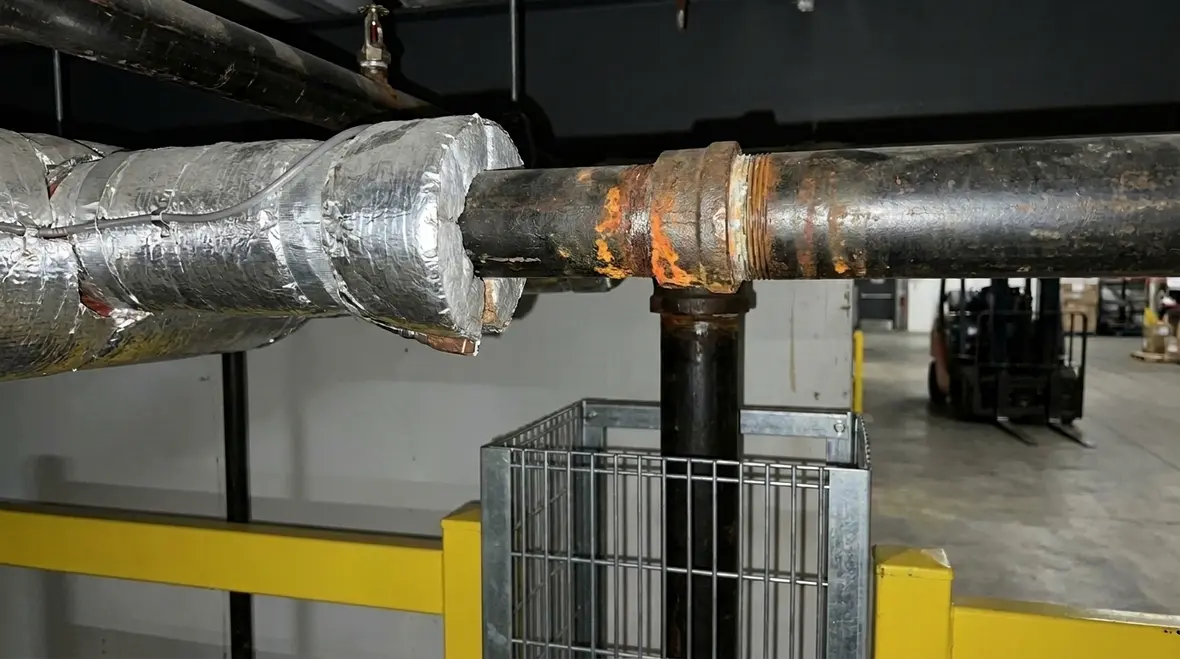
NFPA 13R Section 6.7 Piping: Freezing Protection, Corrosion, and Mechanical Damage Rules
Quick Answer
NFPA 13R Section 6.7 requires sprinkler piping to be installed and protected so it will remain serviceable through freezing conditions, resist corrosion, and avoid mechanical damage. Compliance depends on correct materials, required protection measures, proper support and routing, and documented inspection and maintenance.
Why NFPA 13R 6.7 piping rules matter in real buildings
Commercial facilities fail to meet NFPA 13R 6.7 requirements most often due to job site realities: unplanned route changes, freeze exposure to concealed runs, wrong pipe coating or dielectric strategy, and piping that becomes a target for construction or tenant work. These issues directly impact sprinkler performance, system reliability, and inspection outcomes. For an overview of how NFPA 13R fits into overall automatic sprinkler system installation expectations, see NFPA 13 overview and automatic fire sprinkler system installation fundamentals.
If you are reviewing system condition as part of broader compliance planning, Kord Fire Protection also covers fire protection inspection and maintenance services that fit naturally into ongoing building readiness.
What NFPA 13R 6.7 requires for freezing protection
Freeze protection controls are not “nice to have.” NFPA 13R 6.7 piping installation freezing protection corrosion mechanical damage expectations focus on preventing ice formation inside piping and protecting system water supply and flow paths. Freezing can split piping joints, damage sprinkler parts, and block water movement so the system cannot deliver water at the required rate.
Identify the freeze exposure points before routing decisions
Inspection and design teams should treat freeze risk as a routing issue. Common exposure points include:
- Piping in attics, soffits, exterior walls, and unheated mechanical rooms
- Piping sections passing through cold corridors or near vented roof spaces
- Stubs in unconditioned areas that appear “minor” but remain below freezing
- Areas subject to wind driven rain, air infiltration, or stack effect
Use the correct protection method for the environment
Typical freezing protection methods applied in the field include thermal insulation and heat tracing where permitted by the authority having jurisdiction and the system design basis. The exact method must match the installation conditions and the system’s water supply limitations. Key operational details include:
- Insulation must be continuous and installed to protect the entire piping run, including valves and threaded joints.
- Heat tracing must be installed with the correct design intent, power supply, controls, and supervision where applicable, and must not create a conflict with sprinkler or clearance requirements.
- Drain and test arrangements must be configured so maintenance activities do not leave sections unprotected or trapped.
Common failure points that trigger rework
During commercial upgrades, freeze protection is frequently compromised by:
- Insulation gaps at hangers, offsets, and flexible connections
- Improper sealing at wall and roof penetrations that allows cold air to reach the pipe
- Heat tracing coverage that stops short of elbows, valve bodies, or transition fittings
- Changes during finish work, such as drywall relocation, that leave piping in new unheated spaces
To validate system readiness, facilities often require seasonal inspection planning that aligns with weather patterns. Kord Fire Protection supports commercial service schedules so the freezing protection design intent is verified and maintained through life safety inspections.
How NFPA 13R 6.7 addresses corrosion resistance
Corrosion protection in NFPA 13R 6.7 is designed to ensure piping maintains integrity over the system life. Corrosion can occur internally from water chemistry and externally from environmental exposure. Even minor corrosion can increase leakage risk at threaded joints, degrade fittings, and restrict internal flow.
Match pipe materials and coatings to the water and environment
Commercial and industrial buildings face different corrosion drivers:
- Internal corrosion driven by water quality, stagnation, and dissolved oxygen
- External corrosion driven by humidity, corrosive atmosphere, coastal conditions, or chemical storage areas
- Galvanic corrosion driven by incompatible metals in contact
Where required, facilities apply appropriate pipe materials, coatings, and protective strategies. The compliance approach should be consistent across the full piping system, not only at the risers. That includes valves, unions, hangers, and any dielectric breaks where they are part of the design.
Dielectric and joint integrity are not optional details
Dielectric isolation, joint preparation, and thread condition control are frequent inspection items. Corrosion can start at the smallest discontinuity: a marginal coating at a fitting, a missing anti-corrosion compound, or a joint assembled under poor field conditions.
Where corrosion checks fit into maintenance
- Documented visual inspections at accessible locations for coating breaks, rust staining, and joint seepage
- Verification that drainage and system operations do not create extended stagnation in critical sections
- Review of water supply performance, including unusual pressure drops or recurring alarms
For more context on system installation quality controls, refer to NFPA 13 installation fundamentals, then apply the same disciplined compliance mindset to NFPA 13R piping protection where scope aligns.
Mechanical damage protection: preventing physical harm to piping
Mechanical damage protection rules in NFPA 13R 6.7 focus on preventing impacts, abrasion, and accidental contact that can weaken piping or dislodge supports. In commercial facilities, piping often sits in traffic paths during construction, retrofit work, or ongoing tenant improvements.
Where mechanical damage happens most often
- Service corridors and loading dock adjacent areas
- Under mezzanines and catwalks where equipment moves routinely
- Near forklifts, pallet jacks, or maintenance carts
- Areas where future tenant buildouts alter clearances
Support, routing, and protection measures
Protection typically relies on correct support spacing, secure anchorage, and routing choices that minimize exposure. When protection barriers or shields are used, they must not interfere with sprinkler operation, inspection access, or required clearance. Mechanical protection should be planned at installation and verified after any operational changes.
Failure modes seen in inspections
- Incorrect hanger installation that allows sagging or side loading
- Loose bracing that shifts pipe alignment, stressing fittings and joints
- Impact dents or abrasion from maintenance activities
- Barrier installation that blocks inspection and compromises serviceability
High performing facilities treat mechanical damage protection as a lifecycle activity, not a one time installation task. Kord Fire Protection helps commercial operators confirm protection measures stay effective during remodeling, re-lamping, and equipment changes.
Inspection, acceptance testing, and documentation that supports compliance
NFPA 13R 6.7 compliance depends on evidence. Field teams and AHJs typically expect clear documentation and consistent inspection readiness. The practical objective is to show the system piping remains protected against freezing, corrosion, and mechanical damage for the intended occupancy life.
What to verify during commissioning and ongoing inspections
- Freezing protection completeness: confirm insulation or heat trace coverage includes all critical fittings and valves.
- Corrosion prevention: confirm materials, coatings, and joint integrity match the approved design basis.
- Mechanical protection: confirm supports are secure and piping is shielded where exposure exists.
- Access: confirm locations remain reachable for inspection, maintenance, and testing.
Leverage training and standards references
Facilities and technicians often benefit from broad system education to align inspection methods and expectations. For additional fire pump and water supply system reliability concepts that affect how sprinkler performance is evaluated, see Fire Pumps information resources.
Practical compliance checklist for commercial, industrial, and retail sites
The following checklist supports site walks and service scheduling, emphasizing NFPA 13R 6.7 piping installation freezing protection corrosion mechanical damage outcomes:
- Freeze: Are any piping segments in unheated or exterior conditions? If yes, is protection continuous through all fittings and offsets?
- Corrosion: Are there coating damage areas, rust staining, or signs of seepage at joints and valves? Are water quality issues monitored?
- Mechanical: Does any piping pass through work zones, vehicle paths, or remodeling risk areas? Are supports rigid and protected?
- Maintenance access: Can technicians inspect and service protected sections without demolition or unsafe access?
- Change control: After tenant improvements or construction changes, was pipe routing and protection re-verified?
Because compliance gaps often originate after the initial installation, commercial operators typically need recurring inspection and documentation control. Kord Fire Protection serves as a technical partner for testing, maintenance planning, and remediation support to help facilities stay inspection ready.
Frequently Asked Questions
Next step: get your NFPA 13R 6.7 protection verified
Schedule a focused inspection with Kord Fire Protection to verify freezing protection coverage, corrosion vulnerabilities, and mechanical damage risk along all exposed and critical piping runs. A documented service plan helps your team address issues early, maintain inspection readiness, and reduce emergency remediation costs. Contact Kord Fire Protection today to align your site’s sprinkler piping protection with NFPA 13R 6.7 expectations and your operational realities.

Join Our Newsletter!
Get the latest fire safety tips delivered straight to your inbox From our Newsletter.



