
NFPA 13E Section 6.1: Inspection and Pre-Incident Planning for Standpipe-Protected Properties
Quick Answer
NFPA 13E Section 6.1 requires inspecting standpipe-protected properties and developing pre-incident plans that help the fire department operate efficiently and safely. These steps focus on water supply readiness, system accessibility, control valve condition, and operational familiarity before an emergency occurs.
NFPA 13E Section 6.1 addresses a practical problem: even properly installed standpipe systems can underperform if they are not inspected, documented, and coordinated with responding units. The intent is not only code compliance, but also reliable first-alarm operations. For owners and facility managers, this means the standpipe is treated as a life safety asset that requires recurring inspection discipline and fire department coordination.
For facilities refining both inspection readiness and emergency planning, it helps to connect this topic with broader building fire safety emergency planning for commercial facilities, where site access, documentation, and response coordination all need to agree with what crews will actually find on arrival.
What NFPA 13E Section 6.1 Covers for Standpipe-Protected Buildings
Section 6.1 focuses on two connected actions: inspection and pre-incident planning. Inspection verifies that standpipe components and supporting features remain capable of delivering water when needed. Pre-incident planning ensures that fire department personnel understand the building’s standpipe locations, likely access paths, and site conditions that affect operational tactics.
The standpipe inspection pre-incident planning fire department requirement becomes especially significant for commercial, industrial, and retail properties where normal access routes change due to construction, seasonal merchandising setups, loading dock traffic, and site security controls.
From a facility perspective, the inspection and planning scope should be managed as a coordinated program rather than separate tasks. Documented results should feed directly into the pre-incident plan so the fire department receives information that matches actual field conditions.
Why Standpipe Reliability Depends on More Than the Standpipe Itself
Standpipe systems rely on multiple subsystems that can fail quietly. NFPA 13E expectations drive attention toward those failure points, including:
Water supply performance under required demand, including potential seasonal variations or supply fluctuations.
Control valve condition, including correct position, tamper indicators, and accessibility for operation.
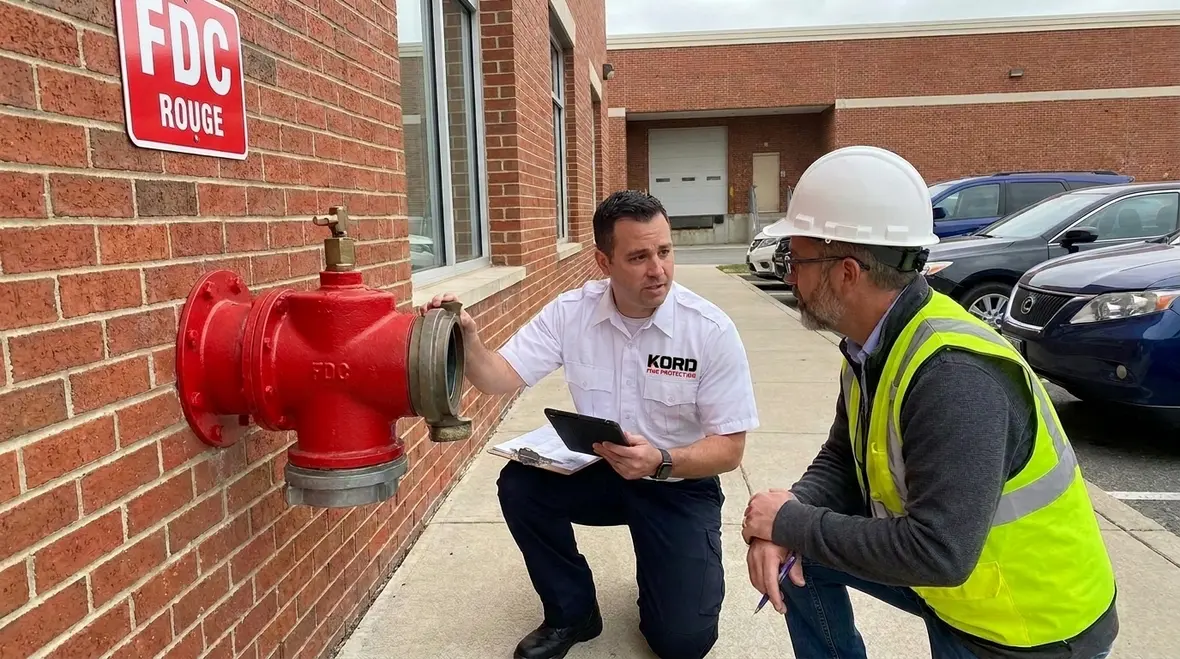
Fire department connection (FDC) readiness, including signage, cap condition, proper identification, and unobstructed access.
Hose valve and outlet condition, ensuring connections are usable and threads and operating mechanisms are not damaged.
Interference and obstruction risks, such as stored materials near cabinet doors, secured areas where keys are not readily available, or construction staging blocking access.
System accessibility, including clearances around valves, cabinets, and access panels.
In practice, facilities often pass their periodic visual checks while missing details that matter during an emergency. NFPA 13E planning and inspection methods are designed to close those gaps through repeatable field verification and accurate documentation.
How to Perform Standpipe Inspection Under a 13E Section 6.1 Program
Successful compliance begins with a structured inspection workflow. A credible program uses consistent procedures, trained personnel, and documented results that can be audited. The process should also include management review so that recurring deficiencies do not repeat cycle after cycle.
1) Confirm system configuration and identify sectionalized risks
Before inspections, the service team should confirm the as built arrangement and zoning, including standpipe locations, hose valve distribution, and the placement and function of control valves and FDC components. Commercial facilities with multiple tenants or phased renovations often have undocumented changes. That mismatch can cause incorrect operational expectations during firefighting.
2) Validate access, signage, and operational readiness
Inspection should verify that cabinets and valve access points are unobstructed, doors operate properly, and required signage is visible. Pre incident planning depends on “what the firefighter will actually see,” not what the drawings suggest.
3) Inspect control valves and supervisory conditions
Control valves must remain accessible and in the correct operational state. A facility should check for signs of tampering, water staining that may indicate leakage, and conditions that interfere with valve operation. Where supervisory monitoring exists, inspection results should include verification that supervisory alarms and indicators are functioning as intended.
4) Check hose valves, outlets, and connection usability
For hose valves and outlets, inspections should focus on usability. Field issues include damaged threads, seized operating components, corrosion, mismatched identification, and problems caused by maintenance practices. If the property uses standpipe outlet caps or protective covers, inspections should verify they remain installed and in good condition.
5) Document findings in a way that supports pre-incident planning
Inspection documentation should clearly record location, condition observations, and corrective actions. Notes must align to pre-incident plan elements such as valve access routes, FDC identifiers, and likely access constraints. This is where many programs fail: inspection is completed, but the pre incident plan does not get updated to reflect actual field condition.
Pre-Incident Planning: Turning Field Results Into Fire Department Usability
Pre-incident planning under NFPA 13E is operational. It helps the fire department make faster, safer decisions by reducing uncertainty about standpipe availability and access. The planning process should treat standpipe operation as a workflow that begins at arrival and includes water supply connection, hose deployment, and internal access considerations.
Include the specific details firefighters need
A strong standpipe pre-incident plan typically includes:
Standpipe and FDC locations with clear identifiers that match signage and field numbering.
Control valve locations and the access route to those valves.
Access constraints, including locked doors, gates, staffed hours, key boxes, elevator restrictions, and common interior congestion points.
Site and roadway conditions affecting apparatus placement and hose lay direction.
Hazard and occupancy notes relevant to attack strategies, including tenant-specific storage characteristics in retail or manufacturing areas.
Keep the plan current after renovations and maintenance
Commercial facilities frequently undergo tenant turnover, corridor reconfiguration, new security measures, and equipment layout changes. Each change can affect standpipe access. Pre incident planning must be updated when the building changes, not only when annual inspections occur.
For organizations seeking to align their fire protection documentation and installation understanding, reviewing fire system installation context supports planning quality. Internal knowledge alignment can be strengthened through resources such as NFPA 13 overview and automatic fire sprinkler system installation, which reinforces how installation details influence operational outcomes.
Common Compliance Challenges That Cause Standpipe Readiness Failures
Even well managed buildings encounter recurring issues. Identifying them early reduces emergency underperformance and last minute remediation costs.
1) Stale documentation after physical changes
Drawings may show one location for a valve or FDC while the field has shifted due to remodels or re-identification. Pre-incident planning breaks down when the fire department follows inaccurate references.
2) Accessibility restrictions and “work in progress” obstructions
Temporary partitions, cable runs, stored merchandise, and construction staging can block cabinet access. These conditions often occur between inspection cycles, so inspection programs must also consider site operational realities.
3) Unverified operational components
Facility teams sometimes rely on visual checks only. NFPA 13E’s intent expects actionable inspection outcomes, including confirming the operability of components relevant to firefighter use.
4) Incomplete coordination with the fire department
If the fire department receives a plan that does not reflect current conditions, the plan may become a compliance artifact instead of an operational tool. Coordination should include confirmatory exchanges and periodic updates.
Commercial service partners can help prevent these failures by applying consistent inspection methods and maintaining a close link between field findings and documentation updates. Kord Fire Protection supports ongoing compliance through disciplined inspection, testing, and maintenance planning for fire protection systems used across commercial and industrial environments, including fire sprinkler services that reinforce system readiness practices applicable to standpipe-supported response.
What “Good” Looks Like: A Practical Standpipe Inspection and Planning Workflow
Facilities that consistently perform well create a repeatable workflow that links inspection to fire department usability. A practical model includes:
Baseline documentation review that confirms standpipe configuration, valve identifiers, and access routes.
Scheduled standpipe inspections performed by qualified personnel, with results recorded against a standardized checklist.
Corrective action tracking with priority rules for accessibility failures and operational component defects.
Pre-incident plan updates triggered by completed inspections, major repairs, or facility changes that affect access or identification.
Fire department coordination that confirms the plan reflects real field conditions and the facility’s operational constraints.
This workflow ensures the standpipe inspection pre-incident planning fire department requirement stays operationally meaningful rather than purely administrative.
Frequently Asked Questions
Conclusion and Call to Action
NFPA 13E Section 6.1 turns standpipe systems into dependable operational assets by requiring both disciplined inspections and actionable pre-incident planning. Facilities should verify access readiness, validate control and outlet components, document findings, and update the fire department plan when conditions change. Kord Fire Protection can help build and maintain that end to end program with consistent inspection discipline, corrective action tracking, and documentation that matches field reality. Contact Kord Fire Protection to schedule a readiness review.

Join Our Newsletter!
Get the latest fire safety tips delivered straight to your inbox From our Newsletter.



