
NFPA 13D Section 12.3: Maintenance Best Practices for Long-Term Residential Sprinkler Reliability
Quick Answer
NFPA 13D Section 12.3 maintenance best practices long-term residential sprinkler reliability focus on keeping valves operable, sprinklers clean and unobstructed, and water supply components within verified performance limits. A disciplined schedule of inspections, testing, and documentation reduces common degradation modes and supports reliable operation over time.
Why NFPA 13D Section 12.3 maintenance matters after the install
NFPA 13D systems often get installed with strong initial workmanship, but long-term reliability can erode due to normal building life cycle events. Ceiling finishes change. Storage gets placed near sprinklers. Occupants perform informal repairs. Vibration and water quality shifts affect underground and aboveground piping. Even when a system looks “fine,” the conditions that support full flow and immediate activation can drift.
In practical compliance terms, NFPA 13D Section 12.3 creates a maintenance framework that aligns with inspection and testing expectations found across commercial facility operations. For commercial, industrial, and retail stakeholders that manage residential occupancies, multifamily buildings, or mixed use properties, the same reality applies: compliance is not a one-time activity. It is a managed maintenance program with clear responsibilities, verified outcomes, and traceable records.
For teams building a broader service strategy around inspections and repairs, Kord Fire’s fire sprinkler services and repair support fit naturally alongside long-term residential sprinkler maintenance planning.
For readers who want a broader installation baseline to support maintenance decisions, review this NFPA 13 overview for automatic fire sprinkler system installation.
What Section 12.3 typically expects you to manage
Maintenance best practices in NFPA 13D systems generally concentrate on three reliability pillars: activation readiness, flow assurance, and system control integrity. While exact requirements can vary by system configuration and the authority having jurisdiction, maintenance responsibilities typically include the following operational controls and components.
1) Sprinkler condition: obstruction and contamination control
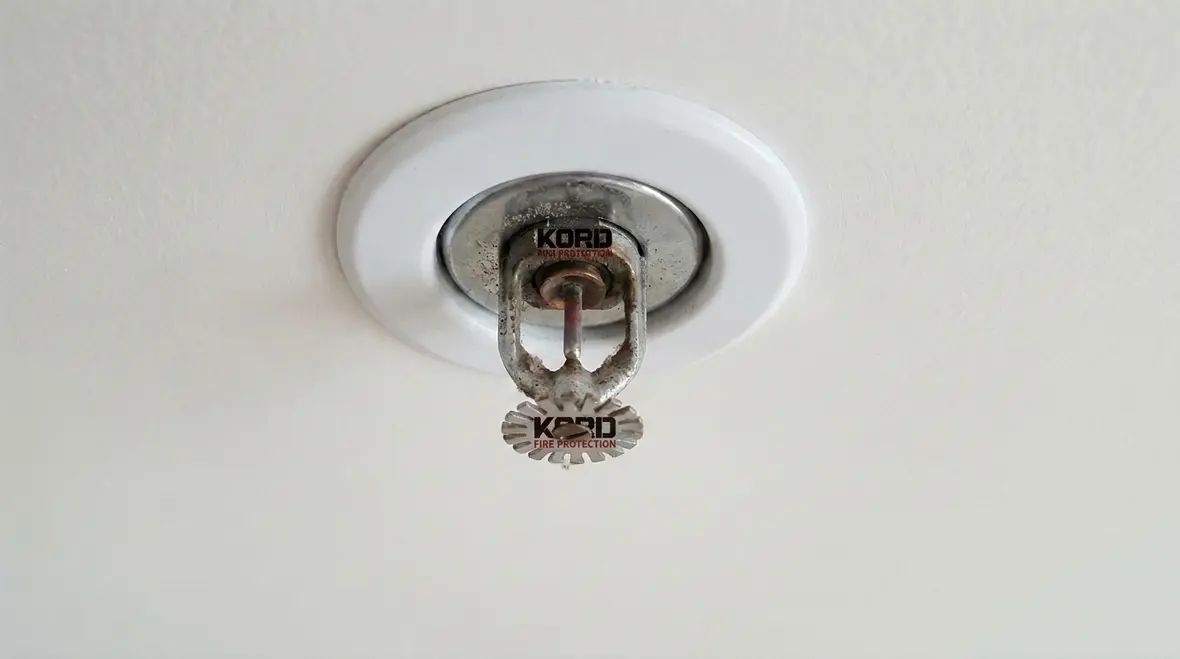
Sprinklers must remain free of paint overspray, physical damage, corrosion by contaminants, and obstructions that prevent discharge. Common failure paths include:
- Building repairs that inadvertently paint or cap sprinklers.
- Improvised covers used during renovations or pest control.
- Storage items placed too close to sprinklers in garages, closets, and utility areas.
- Sprinklers exposed to harsh cleaners or airborne particulates.
Maintenance processes should define inspection points and trigger conditions for cleaning or replacement. Replacement decisions should follow listed conditions and component compatibility rules. When sprinklers show signs of corrosion or damage, they should not be treated as “visual only” items. They should be evaluated under your system maintenance program and replaced where reliability is compromised.
2) Valves and control assemblies: operability and supervision
Valve assemblies and control hardware can fail quietly. A valve may remain closed due to mechanical binding, corrosion, or poor prior handling. In other cases, supervision devices may be misaligned or not reporting correctly. Reliability improves when maintenance includes:
- Verification that control valves are in the correct position and not obstructed.
- Operational checks to confirm valve movement is achievable when required.
- Inspection of tamper seals, supervisory features, and condition labels.
For commercial facilities, this aligns with the operational mindset used for fire pump systems and water supply reliability. If the building uses pumps, jockey pumps, or other water supply boosters, the maintenance discipline must integrate with that broader life safety equipment program. Kord Fire also covers these broader system needs through its full fire protection services.
3) Water supply reliability: pressure and flow readiness
System performance depends on the water supply meeting design expectations under operational demand. Maintenance programs must address the full chain from supply to discharge, including:
- Inspection of underground piping accessibility and condition where practical.
- Assessment of accessible supply components and known pressure-related sensitivities.
- Verification that flow and pressure targets remain within acceptable limits based on system design and local requirements.
Where water supply reliability intersects with pump systems, facility managers often use pump and fire water maintenance best practices as a baseline. For additional technical context on pump systems, see proactive maintenance for fire pump system reliability and firepumps.org.
How to build an effective maintenance schedule for residential systems
A high-performing maintenance schedule maps building use patterns, occupancy behavior, renovation cycles, and system configuration. For long-term residential sprinkler reliability, the most common scheduling mistake is treating inspections as static calendar tasks rather than risk-based routines.
Step 1: Create a system map and component inventory
Maintenance starts with accurate system documentation. Establish an inventory that includes valve locations, sprinkler type and coverage zones, accessible piping routes, and any control features. When documentation gaps exist, inspections become guesswork, and compliance becomes harder to defend during AHJ review.
Step 2: Define inspection frequencies by risk, not by convenience
Areas that experience frequent storage, frequent owner changes, or repetitive renovation activity should receive enhanced attention. Examples include:
- Garages and basements where materials and seasonal storage frequently move.
- Utility closets where work occurs and temporary obstructions get left behind.
- Areas with older finishes where overspray is more likely.
For multifamily and mixed use properties, schedule coordination between maintenance teams and property management reduces the likelihood that work triggers sprinkler contamination without detection.
Step 3: Set verification points for each maintenance pillar
To support NFPA 13D Section 12.3 maintenance best practices long-term residential sprinkler reliability, each pillar should have documented checks:
- Activation readiness: sprinkler unobstructed condition, proper identification, and physical integrity.
- Flow assurance: valves operable and water supply components accessible and functional.
- Control integrity: supervisory devices, tamper indicators, and relevant system labeling.
Common operational failure points and what maintenance should catch
Experienced service teams see repeat patterns. The best maintenance programs explicitly target these failure modes so the system remains dependable when it matters.
1) Renovation impacts: paint, drywall, and “temporary” obstructions
Renovations are the leading cause of sprinkler problems in residential environments. Even short work periods can introduce contamination. Maintenance should therefore include a process for post renovation verification, especially after ceiling work, painting, or enclosure modifications.
2) Valve neglect: seized components and improper positioning
Valves can seize after long static periods. If a valve is never exercised under a controlled maintenance approach, it may not perform during a real demand event. Service routines should address valve movement capability, seal condition, and correct positioning.
3) Water quality and corrosion: small changes with big reliability consequences
Corrosion and scaling can change internal pipe conditions over years. Even if there is no obvious leakage, flow capacity can be affected. Maintenance programs should use inspection findings and available historical data to identify when internal corrosion risk justifies deeper evaluation.
4) Improper sprinkler replacement or component mismatch
Sprinklers are listed devices. Replacement with non-listed components or incorrect temperature rating selections can undermine system design assumptions. Maintenance discipline should include strict control of replacement materials, identification of correct listing, and verification that the installed component matches system requirements.
Compliance execution: documentation, personnel, and service partner selection
Maintenance quality depends on execution, not intent. Strong programs use standardized procedures, trained personnel, and clear documentation workflows that can withstand AHJ review.
Documentation that actually supports audits
Maintenance records should include the work performed, the components inspected, observed deficiencies, corrective actions, and the dates and identification of the service provider. For residential sprinklers in mixed environments, this documentation helps verify that the system remained in a reliable state throughout property management transitions.
Commercial discipline applied to residential systems
Commercial facilities often operate under mature compliance programs with recurring testing and structured deficiency resolution. Applying the same discipline to NFPA 13D systems improves long-term reliability and reduces surprise failures. This includes:
- Using consistent checklists and photo documentation where appropriate.
- Tracking recurring defects and treating root causes, not just symptoms.
- Ensuring maintenance coordination with property management, facilities, and contractors.
Why Kord Fire Protection fits ongoing reliability requirements
Kord Fire Protection supports NFPA-aligned maintenance execution by combining technical service processes with compliance-focused reporting. For property teams that manage residential occupancies under commercial operational standards, a dedicated partner helps reduce gaps between inspection findings and corrective actions. Service teams can also align maintenance routines with broader life safety strategies to improve reliability outcomes across the full building ecosystem.
kordelectric.com and kordfire.com.au also provide additional access pathways to Kord Fire Protection resources, support, and service coordination. When the goal is long-term residential sprinkler reliability, reliable execution plus clear documentation matters as much as the checks themselves.
Frequently Asked Questions
Conclusion and call to action
Long-term residential sprinkler reliability relies on repeatable maintenance execution, not occasional visual checks. Implement NFPA 13D Section 12.3 maintenance best practices long-term residential sprinkler reliability by controlling sprinkler condition, verifying valve and control readiness, and protecting water supply performance with disciplined documentation and corrective action tracking. Contact Kord Fire Protection to schedule a compliance-focused maintenance review and build a long-range plan that fits your property’s renovation and occupancy realities.

Join Our Newsletter!
Get the latest fire safety tips delivered straight to your inbox From our Newsletter.



