NFPA 13 Section 8.10 — Detection and Release for Preaction/Deluge Systems
NFPA 13 Section 8.10 Detection and Release for Preaction Deluge Systems
NFPA 13 Section 8.10 defines how detection triggers release for preaction and deluge configurations, tying detector performance to valve actuation and system readiness. This article explains NFPA 13 detection release preaction deluge systems and how Section 8.10 structures detection and release sequences.
If you want a broader foundation before getting deep into release logic, Kord Fire’s NFPA 13 overview of automatic fire sprinkler system installation is a natural place to start. For facilities actively evaluating system options, Kord Fire’s pre action sprinkler systems for critical environments article also pairs nicely with this section because it connects the code language to real world applications where nobody wants surprises from a valve with bad timing.
Section 8.10 in Practical Terms
Section 8.10 governs the interaction between fire detection and the release mechanism in both preaction and deluge setups. It requires a clearly defined sequence from detection to valve actuation, ensuring water is introduced to the piping only after a reliable initiating event. For commercial facilities, this means alignment between the fire alarm integration, the release device, and the supply of water. Proper documentation and testing cadence are essential to prove that the sequence functions as designed and that supervisory circuits remain intact.
Detection and Release Mechanisms for Preaction and Deluge
- Detectors provide the initiating signal for release and may include heat, smoke, or multi sensor devices depending on the risk profile of the space.
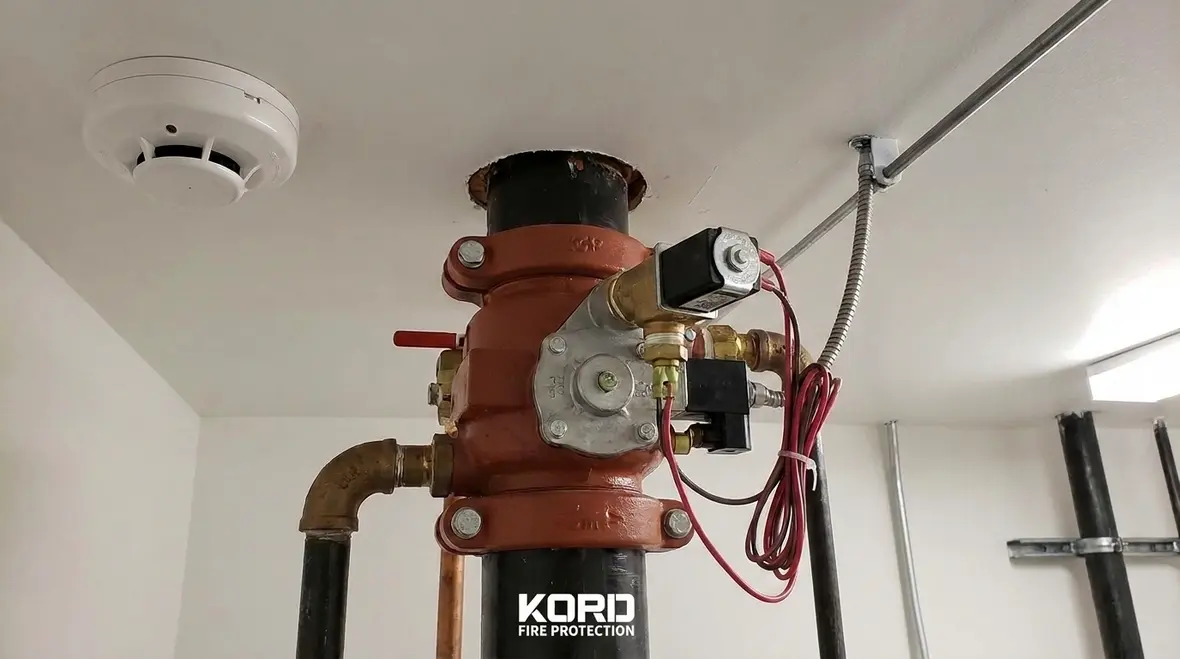
- Release devices are typically electric solenoids or pneumatic systems that unlock a preaction valve or open a deluge valve to allow water into the piping network.
- Preaction systems rely on a two stage concept where detection serves as the trigger and the valve must release water into the system before heads discharge water.
- Deluge systems keep all heads dry until a single release command opens the network for water discharge through all heads.
- Interlock configurations may be single or double, affecting how many signals must operate before water is released and how alarms are coordinated with building systems.
Understanding these mechanisms helps designers select compatible detectors, release devices, and control wiring that meet the intent of NFPA 13 detection release preaction deluge systems. The goal is to prevent unintended releases while guaranteeing rapid response when a true event occurs.
Operational Procedures and Testing Protocols
Operational procedures begin with a clearly defined release sequence and documented responsibilities for initiating tests. Functional testing should verify that detectors respond within designated times, the release device actuates reliably, and water enters the piping as intended. Documentation should capture test date, personnel, results, and any corrective actions.
- Monthly checks should confirm supervisory circuits and initiating devices are in service and that no tamper conditions exist.
- Quarterly functional tests should demonstrate that the signal from the detector properly energizes the release mechanism and that alarms are properly annunciated.
- Annual or biannual full functional tests should include a controlled release or simulated release to verify system response without creating a water discharge unless permitted by the authority having jurisdiction.
- Maintenance tasks include wiring integrity, valve operation, seal condition, and detector calibration to ensure long term reliability.
Equipment Interfaces and Control Signals
Release and detection systems interface with building fire alarm panels, supervisory circuits, and water supply valves. Proper coordination ensures that a detection event initiates a release action and that alarms inform occupants and responders. Back up power and battery reliability are critical for uninterrupted operation during an emergency.
- Control panels should clearly display the status of detectors, release devices, and water supply readiness.
- Electrical wiring must be protected from physical damage and environmental hazards typical to commercial facilities.
- Supervisory signals should indicate valve position, if applicable, and confirm that corrective actions are not blocked by a fault condition.
- Documentation of all wiring routes, valve types, and release devices supports audits and AHJ reviews.
Compliance Challenges for Commercial Facilities
Commercial facilities such as retail centers, warehouses, and office buildings face practical hurdles when implementing Section 8.10 requirements. Coordination between fire protection, life safety, and facilities teams is essential. Local amendments can alter acceptable testing frequencies and acceptance criteria, making a standardized program difficult to maintain without professional support.
- Frequent building modifications require updated as built drawings and re verification of control wiring and valve alignment.
- Access to water supply and proper isolation of systems during maintenance needs careful planning to avoid unintended releases.
- Maintaining spare parts for release devices and detectors is critical to minimize downtime during repairs.
- Documentation practices must be thorough to satisfy AHJ expectations and third party inspections.
Partnering with a commercial focused service provider like Kord Fire Protection helps ensure ongoing compliance, routine testing, and timely maintenance of NFPA 13 detection release preaction deluge systems across facilities.
Frequently Asked Questions
Call to Action Kord Fire Protection provides end to end services for NFPA 13 detection release preaction deluge systems including design review, inspections, functional testing, and ongoing maintenance. Schedule a site assessment with our team to verify detector and valve readiness, ensure proper wiring, and implement a compliant dependable program that protects lives and property.

Join Our Newsletter!
Get the latest fire safety tips delivered straight to your inbox From our Newsletter.