NFPA 10 Chapter 1 Portable Fire Extinguisher Requirements
Quick Answer
NFPA 10 Chapter 1 sets the foundation for portable fire extinguisher requirements by defining scope, purpose, and who must comply. For industrial, retail, and commercial sites, it helps guide safe planning, placement, and maintenance. Kord Fire Protection can support this work with expert service, compliance checks, and reliable extinguisher management.
NFPA 10 Chapter 1 may sound like dry reading, yet it sets the stage for fire safety that actually works when a real problem shows up. Portable extinguisher requirements are not just about having red cylinders on the wall. They shape how businesses prepare, protect people, and keep operations moving when seconds matter. In other words, this chapter tells the story before the fire decides to write its own ending.
For businesses trying to keep every part of their protection program aligned, working with a provider that handles broader full fire protection services can make the extinguisher side of compliance fit naturally into the rest of the building’s safety plan.

What NFPA 10 Chapter 1 Covers
Chapter 1 defines the scope, purpose, and application of the standard. It explains what the rules are meant to do and where they apply. Just as important, it makes clear that portable extinguisher requirements support first response fire control, not full fire suppression. That point matters because an extinguisher is a frontline tool, not a superhero cape. It gives trained staff a chance to act early while emergency systems and evacuation plans do their part.
For facilities, this means the standard guides how extinguishers should be selected, installed, maintained, and kept ready for use. Therefore, the chapter sets the base for every other compliance step that follows. Without that base, the rest can wobble like a shopping trolley with one bad wheel.
Why the opening chapter matters more than people think
People often jump straight to questions about how many extinguishers are needed or which type belongs near a kitchen, server room, workshop, or storage area. Chapter 1 matters because it frames those later decisions. It is the part that reminds everyone the standard is meant to support early action, sensible planning, and equipment readiness. If that foundation is misunderstood, later compliance decisions can become a patchwork of guesses, habits, and hopeful optimism.
That is also why teams responsible for maintenance, safety, and site management benefit from reading the beginning carefully rather than treating it like the opening credits they can skip. The beginning explains the purpose behind the rules, and purpose is what keeps compliance from turning into a box ticking exercise with a red cylinder attached.
Why Portable Extinguisher Requirements Matter for Business Sites
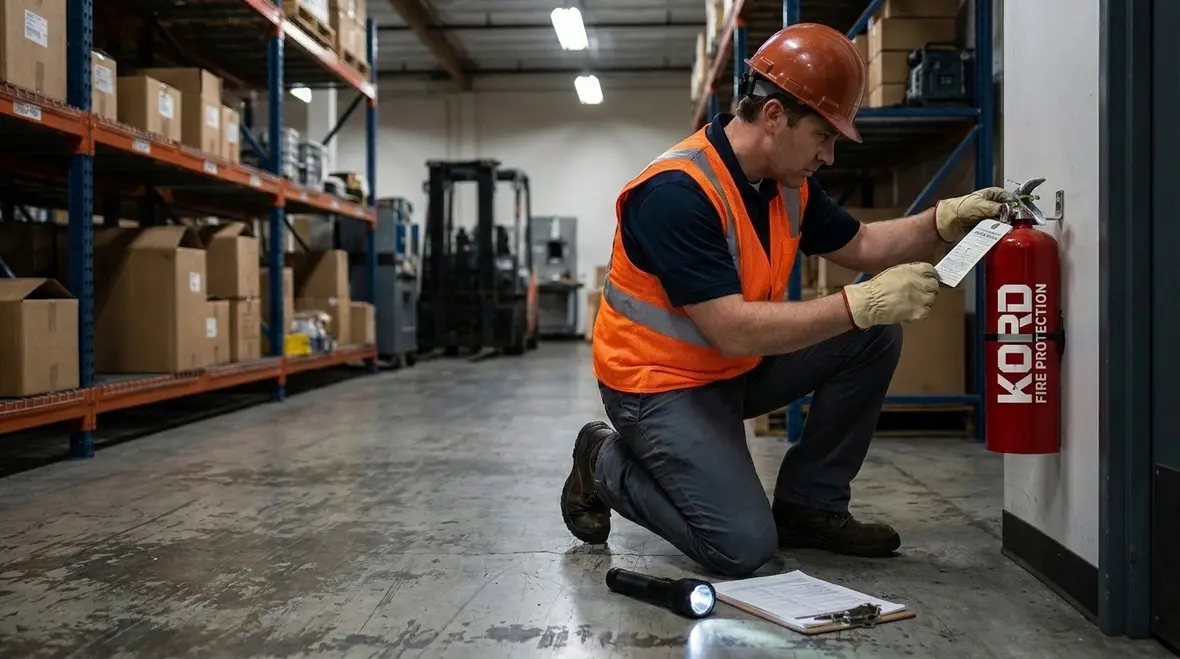
Businesses face different risks depending on their work. A warehouse deals with loading docks, packaging, and electrical gear. A retail site faces stock areas, kitchens, and public traffic. Meanwhile, a manufacturing plant may deal with fuels, machinery, or hot processes. Because of that, portable extinguisher requirements help each site match protection to the hazards on the floor.
These requirements also support duty of care. They help owners and managers show that they have taken practical steps to reduce risk. As a result, staff gain a clearer path to act fast and safely. The best fire safety plan does not wait for a dramatic scene from a movie. It prepares for the plain, messy, ordinary kind of incident that can still stop trade, damage assets, or injure people.
Different sites, different hazards, same need for readiness
The hazards in one business can be completely unlike those in another, even when both look similar from the car park. A food service area may need protection that accounts for cooking risks. A back of house stock room may need different coverage because of cardboard, plastics, or stored packaging. A workshop may introduce electrical hazards and heat producing tools. Portable extinguisher requirements matter because they help bring order to that variety.
This is where a practical service partner adds real value. Kord Fire Protection’s compliance focused approach to inspections and preventive maintenance can help building managers avoid the old problem of discovering an issue only after an inspection date is already breathing down their neck.
| Area | What Chapter 1 Helps Define |
| Scope | Where the standard applies and what it covers |
| Purpose | Why extinguishers support early fire response |
| Application | How sites should use the standard in practice |
| Compliance | How facilities align equipment and maintenance with risk |
How Chapter 1 Shapes Compliance Planning
Chapter 1 does not just exist for paperwork. Instead, it frames how a site should think about compliance from the start. It tells businesses that extinguishers must fit the hazard, be placed where they can be reached, and be maintained so they work when needed. Therefore, the chapter supports practical planning across site layouts, risk reviews, and maintenance schedules.
It also helps decision makers avoid a common trap: buying equipment first and asking questions later. That approach often leads to poor placement, weak coverage, or the wrong extinguisher type. By following the scope and purpose set out in Chapter 1, a business can build a system that makes sense for its operations, rather than one that merely looks compliant from the office door.
Planning beats panic every time
Good compliance planning starts before a tag is printed or a bracket goes on the wall. It starts with understanding the layout, the use of each space, staff movement, likely ignition sources, and whether the site has changed since the last review. Chapter 1 helps put those practical questions on the table early, where they belong.
That planning mindset can save money as well. It reduces the chance of buying the wrong units, placing them poorly, or ending up with gaps that need a rushed fix later. No one enjoys paying twice for safety equipment, especially when the second payment arrives with a hint of embarrassment and a service call.
For readers who want a related standards overview, Kord Fire also has a useful resource on NFPA 10 portable fire extinguishers guidelines that pairs naturally with Chapter 1 by connecting the opening framework to the broader extinguisher requirements that follow.
What Businesses Should Look For in a Fire Safety Partner
A strong partner does more than supply equipment. They help assess site needs, guide extinguisher selection, manage servicing, and keep records in order. Furthermore, they understand that industrial, retail, and commercial sites do not all play by the same rules. A cold storage facility, for example, needs different thinking than a busy shopping centre, and both deserve careful planning.
This is where Kord Fire Protection becomes a vital partner. They can help businesses manage portable extinguisher requirements with practical service, clear advice, and ongoing support. Moreover, they can assist with maintenance programs, compliance checks, and equipment readiness. That kind of help matters, because fire safety should not feel like a scavenger hunt with a deadline.
Service, documentation, and consistency all count
Businesses should look for a partner that communicates clearly, shows up reliably, understands code expectations, and can document work in a way that makes audits and inspections less painful. A good provider should also be able to explain why a recommendation matters, not just hand over a quote and disappear into the smoke free distance.
Consistency matters especially for multi tenant properties, multi site operators, and facilities with changing floor plans. When one provider understands the building, the schedule, and the risks, the entire extinguisher program tends to run with fewer surprises and far fewer last minute scrambles.
How Kord Fire Protection Supports Ongoing Readiness
Kord Fire Protection can help facilities stay ready through regular inspections, servicing, and tailored support. In addition, they can help businesses understand where extinguishers belong, how many are needed, and what type suits the hazard. This support reduces guesswork and keeps the site closer to compliance.
Businesses often manage multiple sites, mixed risk areas, and changing layouts. Therefore, a reliable partner can simplify the process and help maintain consistency. Kord Fire Protection can act as that steady hand, helping teams stay focused on business while the fire protection side stays sharp.
Ongoing readiness is really about reducing the distance between policy and reality. It is one thing to say the building is prepared. It is another thing entirely to know the units are where they should be, the service schedule is current, staff know what they are looking at, and the records will stand up to scrutiny. That is the kind of calm, practical confidence businesses actually need.
When Portable Extinguisher Requirements Need a Fresh Review
Sites should review their fire protection whenever the layout changes, equipment changes, or risk levels shift. For example, new machinery, stock changes, renovations, or tenancy changes can affect extinguisher needs. Likewise, after any incident or near miss, a review can reveal gaps that were not visible before.
Regular review also supports training. Staff need to know where extinguishers are, which ones to use, and when to leave the job to emergency services. Since people tend to forget in stressful moments, simple site planning and clear support from a provider like Kord Fire Protection can make a real difference.
Common triggers for a review
- Renovations that change travel paths or wall locations
- New equipment that introduces electrical, fuel, or heat hazards
- Changes in stored materials, packaging, or inventory volumes
- New tenants, new workflows, or altered use of existing rooms
- An incident, near miss, or inspection finding that exposes a gap
FAQ
Conclusion
NFPA 10 Chapter 1 gives businesses the framework for smart, practical fire readiness. The right portable extinguisher requirements protect people, property, and operations by making sure first response tools are planned with purpose instead of placed by habit.
Kord Fire Protection can help make that process easier, clearer, and far more reliable through service, compliance checks, and ongoing support. When readiness matters, a good partner is worth its weight in brass fittings.

Join Our Newsletter!
Get the latest fire safety tips delivered straight to your inbox From our Newsletter.