NFPA 10 Section 1.1 Fire Extinguisher Code Standards in Australia
Quick Answer: NFPA 10 Section 1.1 sets the scope for fire extinguisher code standards by covering occupancies where portable extinguishers matter most: industrial sites, commercial buildings, retail spaces, warehouses, and many facility types across Australia. In plain terms, if a site serves people, stores goods, or handles risk, it likely needs proper fire extinguisher compliance.
Fire Extinguisher Code Standards do not sit around looking pretty on a shelf. They guide how fire extinguishers get selected, placed, inspected, and maintained so a small fire does not turn into a headline. Under NFPA 10 Section 1.1, many occupancies must follow these standards because fire risk changes with the way a site operates. In Australia, that matters across industrial plants, shopping centres, office towers, logistics hubs, and mixed commercial facilities. For businesses trying to keep everything aligned, professional fire extinguisher service can take the pressure off while keeping equipment compliant and ready. Kord Fire Protection can become a vital partner here, helping businesses stay compliant without turning fire safety into a full time headache.
What NFPA 10 Section 1.1 Covers
NFPA 10 Section 1.1 defines the scope of the standard. In simple terms, it tells a site whether portable fire extinguisher rules apply and how they should be used. It supports Fire Extinguisher Code Standards by setting the baseline for safe placement, type selection, inspection, and upkeep. Kord Fire’s own NFPA 10 portable fire extinguisher guidelines reinforces that same focus on selection, placement, maintenance, and access.
This section matters because not every building faces the same fire load. A retail store, for example, does not face the same risk as a metal fabrication floor. Still, both may need compliant extinguishers. That is where the standard earns its keep. It does not guess. It gives structure. And structure, unlike that one bloke who “meant to book the inspection,” actually shows up on time.
Why the scope matters before anything else
Before anyone starts counting extinguishers or arguing about whether one near the lunchroom is “probably enough,” Section 1.1 answers the first real question: does this occupancy need portable extinguishers as part of its fire protection strategy? Once that answer is yes, the rest of the compliance conversation has somewhere useful to stand.
Which Occupancies Must Follow Fire Extinguisher Code Standards
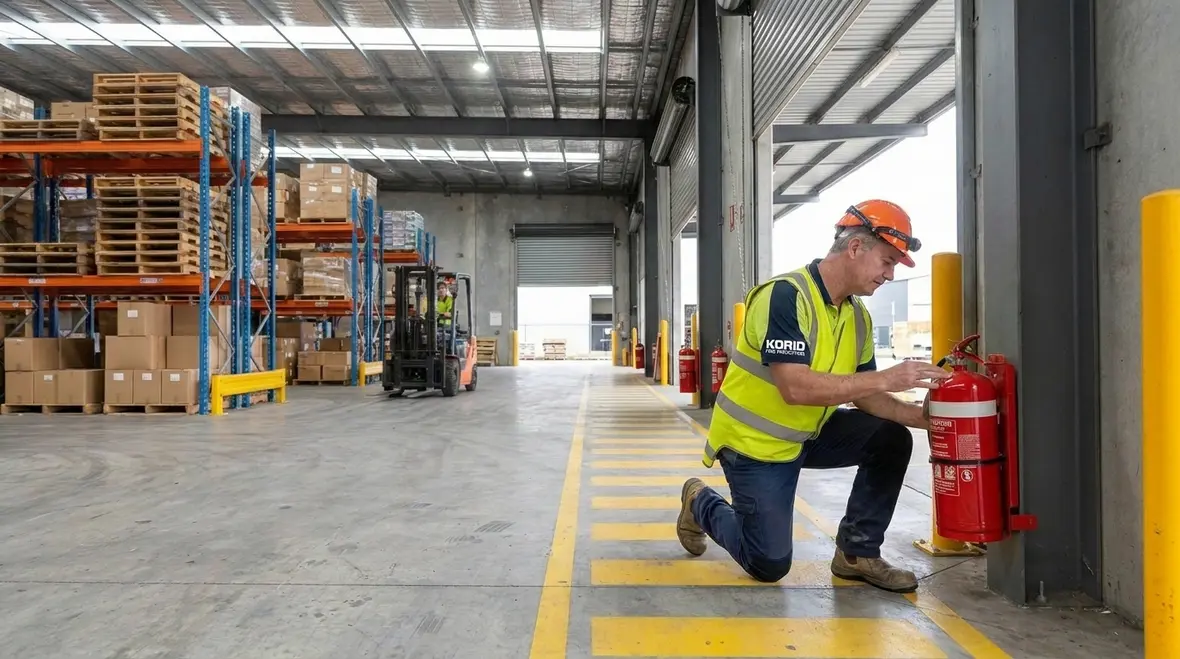
NFPA 10 Section 1.1 applies broadly to occupancies where portable extinguishers are needed for life safety and asset protection. For Australian businesses, this often includes industrial facilities, commercial buildings, retail sites, and facilities or logistics operations where the combination of people, stock, equipment, and daily activity creates real fire exposure.
Common occupancy types
- Industrial facilities: plants, workshops, processing sites, and warehouses with fuel, heat, equipment, or machinery.
- Commercial buildings: offices, high use tenancy spaces, and business centres with staff and visitors.
- Retail sites: supermarkets, shopping centres, showrooms, and standalone stores with public access and stock storage.
- Facilities and logistics sites: depots, maintenance yards, distribution centres, and mixed use operations.
These occupancies usually need extinguishers because fire can start from electrical faults, cooking equipment, packaging, hot work, or storage issues. Therefore, compliance is not optional in spirit, even if someone keeps treating it like a nice to have. Fire Extinguisher Code Standards work best when matched to the actual hazards on site, not when copied from a building next door.
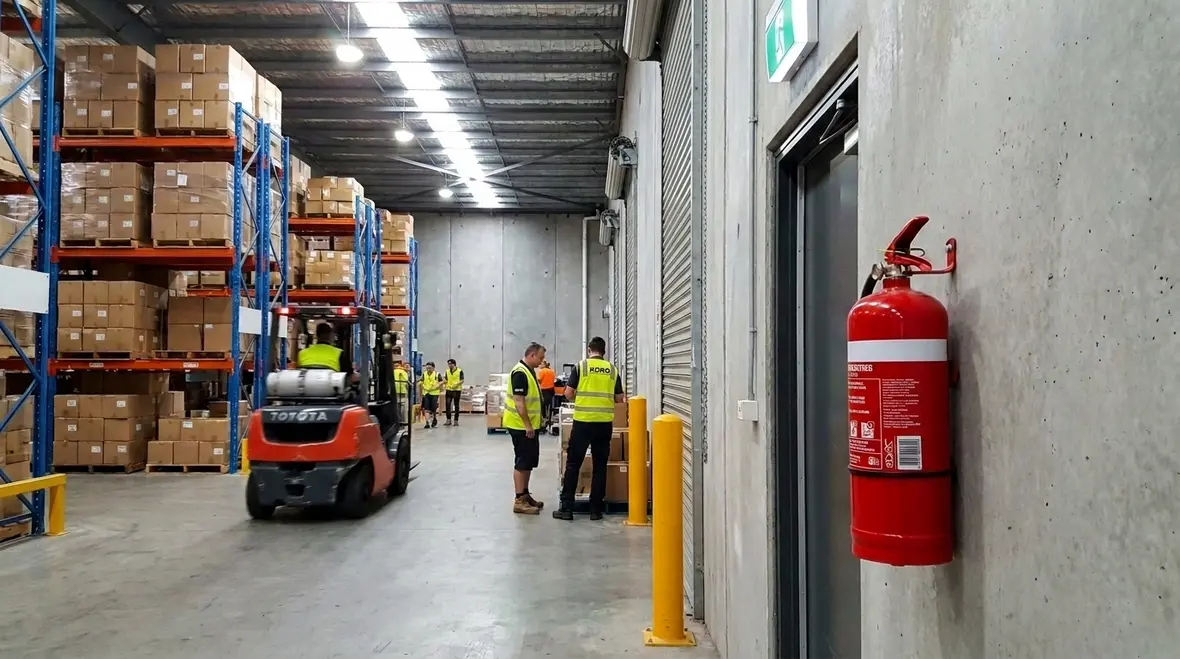
That broad scope is exactly why businesses cannot rely on assumptions. A warehouse with charging stations, shrink wrap, racking, and dispatch activity can carry a very different risk profile from a retail tenancy selling clothing and running light electrical equipment. Both need compliance, but they do not need the exact same approach.
Why Different Sites Need Different Fire Protection Plans
One extinguisher type does not suit every risk. That is the whole point. Fire classes vary, and so do the hazards inside a facility. A paper stockroom needs different protection from a workshop with flammable liquids or a server room with electrical gear.
For this reason, Fire Extinguisher Code Standards help businesses choose the right extinguisher agent, size, and location. They also support access and visibility, which sounds simple until a fire starts and the extinguisher is blocked by a pallet, a display stand, or a festive cardboard “feature” that has become a very expensive obstacle.
In practice, the standard helps with
- matching extinguisher type to the hazard
- placing units where people can reach them fast
- setting inspection and service routines
- reducing confusion during an emergency
That last point matters more than people think. During an emergency, nobody wants to stand there doing a guessing game with labels, distances, or blocked pathways. Good planning makes the extinguisher obvious, reachable, and suitable for the fire in front of the person holding it. That is a far better outcome than discovering the wrong unit is mounted in the right place.

How Compliance Works Across Australia
Australian businesses often look at local rules, site risk, and relevant fire standards together. That makes sense. A site in Sydney, Perth, Brisbane, or Melbourne may follow different building and workplace needs, but the logic stays the same: extinguishers must suit the risk and remain ready for use.
| Site type | Common extinguisher focus |
| Warehouse | General purpose and high risk area coverage |
| Retail tenancy | Clear access, public safety, electrical and packaging risks |
| Industrial plant | Special hazard matching and stronger inspection control |
| Office or commercial building | Balanced coverage for electrical and general fire risk |
Because facilities change over time, compliance should not freeze in place. Fit outs change. Tenants change. Equipment changes. Then suddenly, the fire risk has changed too, and the old plan is now about as useful as a paper umbrella in a storm.
That is why inspections and updates matter just as much as initial installation. A site that was properly covered two years ago may now have new storage layouts, added electrical loads, or process changes that affect extinguisher type and placement. Compliance is not a one and done sticker. It is an active system that has to keep up with the building it protects.
How Kord Fire Protection Supports Compliance
Kord Fire Protection can become a vital partner by helping businesses manage the full life cycle of extinguisher compliance. That includes assessing the site, identifying the right extinguisher types, planning placements, and maintaining service schedules. It also means helping teams understand what the standards require without drowning them in jargon.
For industrial, commercial, and retail sites, this support saves time and lowers risk. More importantly, it helps protect people, stock, equipment, and business continuity. A good fire protection partner does not just install gear and vanish into the mist like a budget superhero. It stays involved, checks the details, and keeps the system ready.
Kord Fire Protection can assist with
- site assessments and extinguisher planning
- service and inspection programs
- replacement and maintenance support
- compliance advice for changing site needs
For businesses managing multiple occupancies or changing layouts, that support becomes especially useful. Coordinating coverage across offices, warehouses, plant areas, and customer facing zones can get messy quickly. Having one team keep the details straight is usually easier than relying on memory, sticky notes, and wishful thinking.
What Businesses Should Check Now
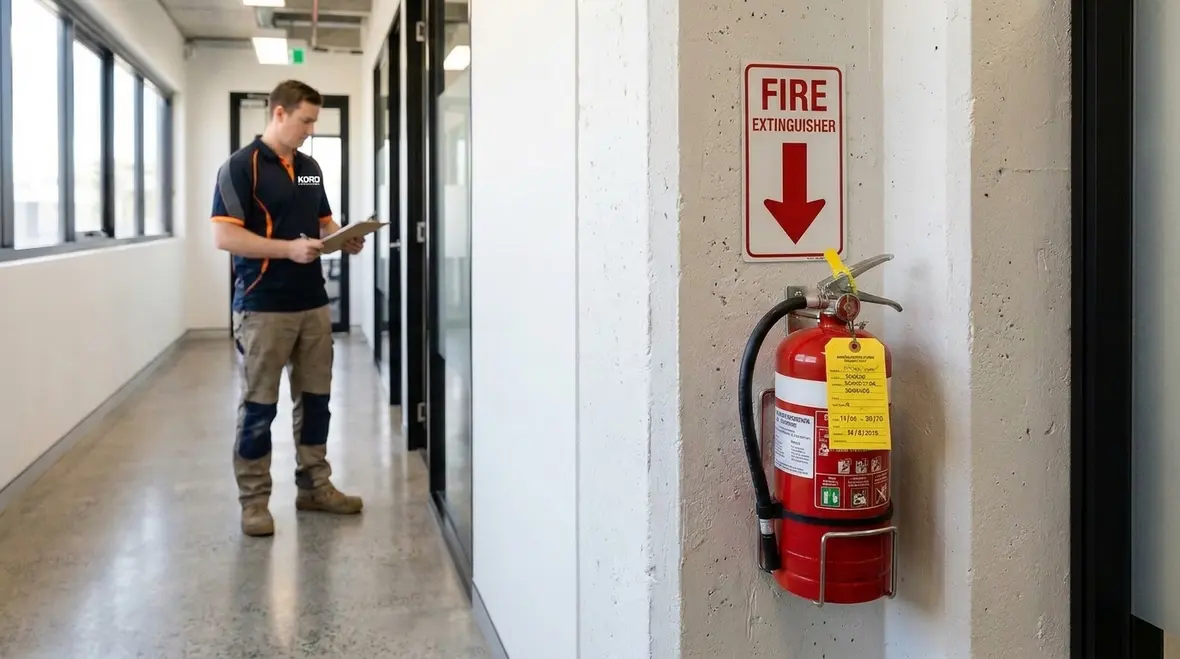
Every site should review three basics. First, it should confirm that extinguisher types match the current hazards. Second, it should make sure units are visible and easy to reach. Third, it should verify that inspection and servicing records are current. These checks sound small, yet they often reveal the weak spots that create the biggest problems.
Businesses should also review layout changes, new machinery, storage updates, and tenancy changes. When those shift, Fire Extinguisher Code Standards must keep pace. Otherwise, compliance becomes a memory exercise, and fire safety should never depend on memory alone.
A practical review checklist
- confirm extinguisher classes still suit present hazards
- check that units are visible and not blocked by stock or displays
- review inspection tags and service records
- look at new fit outs, plant changes, and added electrical equipment
- make sure staff know where extinguishers are and what they are for
FAQ
Stay Ready Before Fire Does
NFPA 10 Section 1.1 gives businesses a clear path for portable fire extinguisher compliance. For industrial, retail, commercial, and facility sites across Australia, that means smarter protection and fewer surprises. It brings order to extinguisher selection, placement, inspection, and upkeep so businesses are not left improvising when risk changes.
Kord Fire Protection can help keep the process smooth, practical, and fully aligned with site risk. Contact the team to review current coverage and make sure the right fire protection is already in place before it is needed. That is always a better plan than discovering the gaps after the smoke shows up.

Join Our Newsletter!
Get the latest fire safety tips delivered straight to your inbox From our Newsletter.