NFPA 1 Section 5.7 Performance Based Fire Design Documentation
Quick Answer
NFPA 1 Section 5.7 calls for clear, complete documentation when a project uses a performance based fire design. In plain terms, it proves the design works as intended. For industrial, retail, commercial, and facility teams across Australia, Kord Fire Protection can help prepare, review, and support that fire design documentation NFPA process with calm precision and practical know how.
NFPA 1 Section 5.7 matters because it turns a fire strategy from a good idea into a documented, review ready case. When a building does not follow a standard prescriptive path, the project team must show why the chosen solution still protects people, property, and operations. That is where fire design documentation NFPA, performance based fire reports, and a solid fire protection design submittal come into play. In the real world, this is the paperwork that keeps the fire engineer, builder, consultant, and authority all speaking the same language. And yes, it is less glamorous than a big reveal scene from a superhero film, but far more useful.
For teams that also need broader site support as the paperwork turns into actual installed protection, fire protection services in Australia fit naturally into the process by helping documentation, coordination, and field execution move in the same direction.
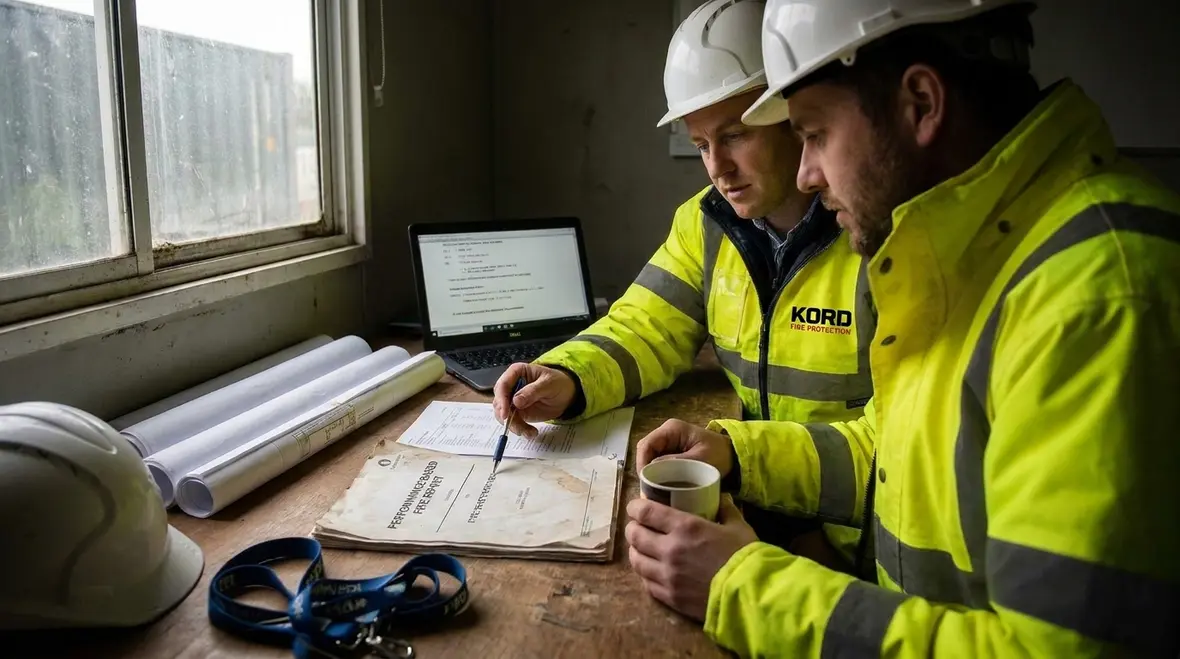
What NFPA 1 Section 5.7 Requires in Practice
Section 5.7 focuses on documentation for performance based fire design. It expects the project team to provide enough detail to show the fire safety goals, the method used, and the results that support the design. In other words, the document set must explain the problem, the approach, and the proof.
For Australian industrial and commercial sites, that often means documenting fire growth assumptions, occupant safety, smoke control ideas, egress performance, suppression systems, and the limits of the design. Because the code does not reward guesswork, the report must show a clear line from the model or analysis to the final solution.
Why the documentation has to do more than sound smart
A performance based design lives or dies by how well others can follow it. If the assumptions are buried, if the scenarios are vague, or if the conclusions skip a few too many steps, the design starts to look less like engineering and more like interpretive dance. That is not ideal when approval, construction, and life safety all depend on the same package making sense to different readers.
Good documentation also makes later decisions easier. When a builder needs clarification, when a consultant reviews a change, or when a site manager checks whether a revision still fits the original fire strategy, the answers should be sitting right there in the record instead of floating around in someone’s memory from a meeting three months ago.
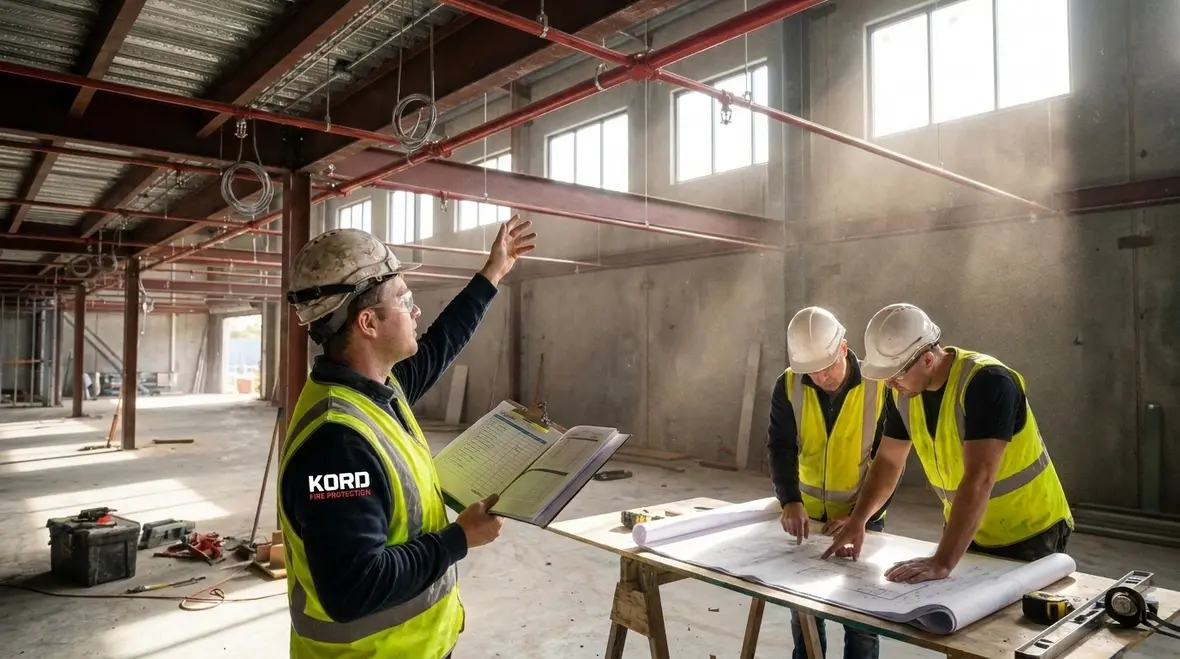
Why Performance Based Fire Reports Need Strong Structure
Performance based fire reports do more than fill a folder on a shared drive that nobody wants to open. They support approvals, help reduce redesign later, and give site teams a clear reference during build and commissioning. Since these projects often involve complex layouts, mixed uses, or unusual hazards, the report must stay easy to follow while still being technically sound.
Strong reports usually include fire scenario assumptions, design objectives, input data, code basis, engineering methods, and final findings. However, the most useful reports also explain the impact on operations. That matters for warehouses, large format retail, logistics hubs, manufacturing plants, and public buildings where downtime costs real money. Nobody wants a fire plan that is beautiful on paper and useless on site. That is just expensive poetry.
Structure that reviewers can actually use
The strongest reports move in a logical order. They start with the project scope, define the fire safety objectives, identify the code basis, explain the scenarios, describe the methods, then show the results and what those results mean for the final design. That sequence matters because reviewers should not have to solve a mystery just to understand why the exit strategy, smoke management approach, or suppression arrangement was selected.
It also helps when the report states what the design does not cover. Limits, exclusions, and operational assumptions protect everyone from confusion later. If a system depends on a certain storage height, tenant layout, or maintenance condition, that should be spelled out clearly. Otherwise the building can drift away from the design basis while everyone assumes it is still fine. That is how small paperwork gaps become large project headaches.
How a Fire Protection Design Submittal Supports Approval
A fire protection design submittal gives authorities and project stakeholders a full picture of the proposed system. It links the technical report to the drawings, product data, and system intent. As a result, reviewers can see how the design meets the fire safety goals set out in the performance based strategy.
This submittal often includes system layouts, hydraulic calculations, equipment schedules, control notes, and interface details. It also needs clean coordination across fire alarms, sprinklers, smoke control, passive protection, and emergency pathways. When these pieces line up, the approval path usually becomes smoother. When they do not, the project can stall like a villain in the final act who forgot his lines.
That is also why it helps to connect the design package with practical record keeping early. Kord Fire Protection’s fire safety system documentation for compliance article reinforces the same point: records are not filler, they are proof, protection, and the difference between a calm review and an expensive mess.

Documentation Checklist for Complex Sites
For industrial, retail, and commercial facilities across Australia, a practical documentation package should cover both the technical fire case and the project record. The following items are often critical:
- Fire safety goals and performance objectives
- Project scope and site description
- Building use, hazard profile, and occupancy data
- Fire design basis and code references
- Fire and smoke modeling assumptions
- System design details and drawings
- Performance based fire reports with findings
- Testing, commissioning, and verification notes
- Change tracking for design updates
- Final submission package for approval
What teams often forget until it is inconvenient
The list above looks straightforward, but the missing pieces are usually the ones that cause delays. Version histories go missing. Drawings get revised without the report catching up. Equipment schedules still show earlier assumptions. Commissioning notes live in emails, notebooks, and maybe one photo on someone’s phone. A tidy package is not just nice to have. It is the difference between a reviewer seeing control and seeing chaos in a hard hat.
Documentation Need
- Design assumptions
- System coordination
- Verification evidence
- Change records
Why It Matters
- Shows the basis for the fire strategy and avoids confusion later
- Keeps alarms, sprinklers, smoke systems, and exits working as one plan
- Proves the design performs as intended under the chosen scenarios
- Protects the project when site conditions shift during delivery
Where Kord Fire Protection Adds Real Value
Kord Fire Protection can become a vital partner because this work needs more than basic installation support. It needs coordination, field knowledge, and a steady hand when the design must move from theory to reality. Their team can help align fire design documentation NFPA requirements with practical build conditions, which reduces gaps between the report and the installed system.
Just as important, Kord Fire Protection can support the fire protection design submittal process by helping assemble clear records, confirming system details, and keeping communication tight between consultants, builders, and site managers. That kind of support matters most when a project is large, busy, and full of moving parts. In short, they help keep the fire safety plan from becoming a game of telephone, and nobody wins that game.
That practical mindset also connects well with Kord Fire Protection’s broader guidance on NFPA 1 fire prevention and safety, especially for teams that need the bigger compliance picture while they work through a project specific performance based solution.
How Teams Avoid Common Documentation Problems
Many delays come from the same few issues. Reports can be too vague, drawings can drift from the design basis, or change management can fall behind site work. Therefore, the best teams treat documentation as part of the build, not as a last minute chore before handover.
To stay ahead, project teams should confirm the design intent early, keep version control tight, review changes fast, and verify that every system update still fits the fire strategy. Because performance based work relies on evidence, even a small change can affect the final case. A calm review process saves time, money, and a few headaches that no one asked for.
Simple habits that prevent complicated problems
The most reliable teams do a few ordinary things very well. They log design changes as they happen. They compare field conditions against the report before a small adjustment becomes a large contradiction. They coordinate fire alarm, sprinkler, smoke control, and passive protection details instead of assuming another trade has already handled it. None of this is dramatic, which is exactly why it works.
By the time handover arrives, documentation should not feel like a rescue mission. It should already reflect the final design story from first concept through commissioning. That makes approvals easier, future maintenance clearer, and site operations less vulnerable to guesswork disguised as confidence.
FAQ
Conclusion
NFPA 1 Section 5.7 asks for proof, not promises. For complex sites, that means strong fire design documentation, clear performance based fire reports, and a careful fire protection design submittal. Kord Fire Protection can help turn that process into a smooth, workable path from concept to completion.
For teams across Australia that want fewer delays and better control, the next step is simple: bring in the right partner early. When the documentation is clear, coordinated, and grounded in real site conditions, the entire fire safety strategy becomes easier to approve, build, verify, and trust.

Join Our Newsletter!
Get the latest fire safety tips delivered straight to your inbox From our Newsletter.