NFPA 1 Section 5.6 Fire Protection Safety Factors in Australia
Quick Answer: NFPA 1 Section 5.6 helps fire protection teams build safer systems by setting clear safety factors, design margins, and performance checks. In practice, that means stronger protection, fewer weak points, and better results across industrial, retail, commercial, and facility sites in Australia. Kord Fire Protection can help turn those rules into real, workable protection.
NFPA 1 Section 5.6 matters because fire protection design is not just about meeting a code on paper. It is about building fire protection safety factors, applying NFPA engineering safety margins, and using fire design safety coefficients that help systems perform when heat, smoke, and pressure rise fast. In busy industrial plants, retail spaces, commercial towers, and large facilities across Australia, those design details can make the difference between control and chaos. And yes, fire safety is serious business, but nobody wants a protection plan that only works on a calm Tuesday with no actual fire. That would be like bringing a paper umbrella to a cyclone.
For businesses looking to connect design thinking with broader support, Australia fire protection for compliance and readiness fits naturally into the conversation near the start, because the bigger goal is not just passing an inspection. It is building a system that keeps working when the building gets loud, hot, crowded, or complicated. For this reason, NFPA 1 Section 5.6 gives engineers, managers, and building operators a clearer way to think about risk. It pushes them to design for real conditions, not wishful thinking.
As a result, systems can better protect people, assets, stock, plant equipment, and daily operations. Kord Fire Protection can become a vital partner here, because the job is not only to install equipment. It is also to help shape a design that holds up under pressure, stays compliant, and fits the site’s real needs. That is the difference between a system that looks respectable in paperwork and one that actually earns its keep when an emergency tries to ruin everybody’s afternoon.
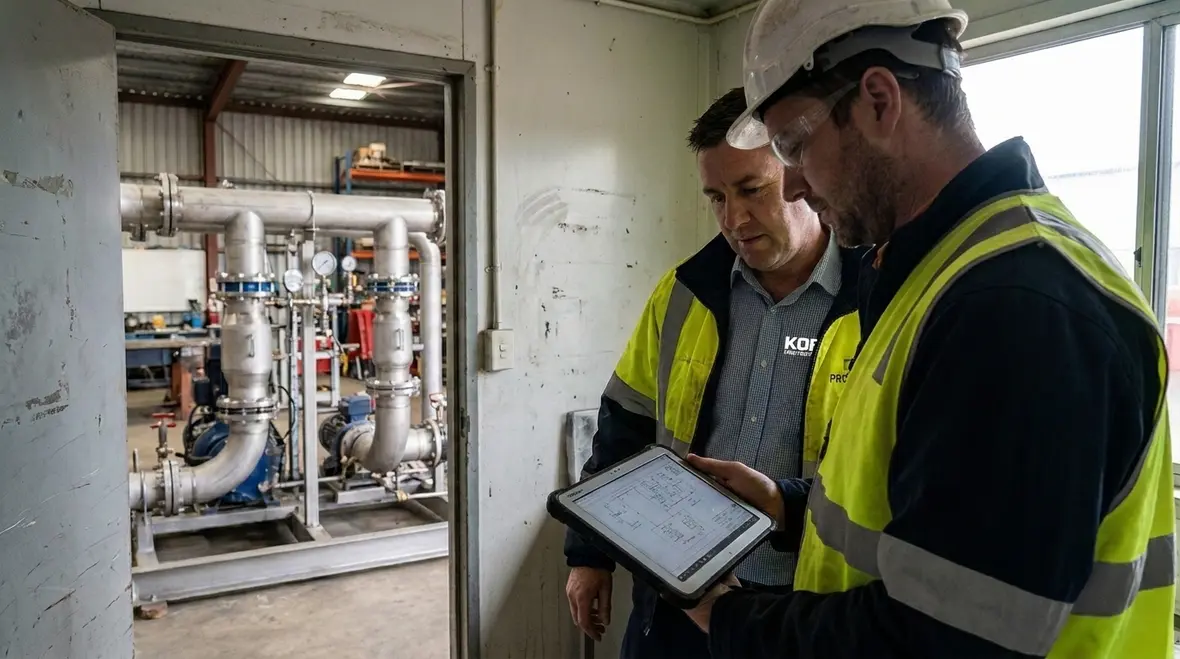
How NFPA 1 Section 5.6 Shapes Safer Fire Design
NFPA 1 Section 5.6 supports a practical truth: every fire protection system needs room for error, wear, and real world conditions. Therefore, engineers use safety factors to account for unknowns such as pressure loss, occupancy changes, equipment aging, and variations in site use. In other words, the code encourages designs that stay reliable even when the building does not behave like a neat textbook example.
This matters across Australia because sites often carry mixed risks. A warehouse may store high value goods and heavy machinery. A retail centre may deal with large foot traffic and changing tenant layouts. A commercial site may need protection that works around critical systems and business continuity plans. Consequently, the safety margin is not a luxury. It is part of the job. The standard is there to help fire protection professionals think a few moves ahead instead of hoping every variable stays polite forever.
Designing for Real Conditions Instead of Perfect Conditions
Real buildings drift away from their original assumptions all the time. Storage grows taller. Internal layouts shift. Mechanical equipment gets added. Tenancies rotate. Access routes become less clean than the drawings once promised. Because of that, fire protection design has to tolerate imperfection. Section 5.6 supports that mindset by reinforcing the need for built in resilience. If a system only works when every assumption remains frozen in time, then it is not much of a safety strategy. It is a very expensive wish.
This is also why Kord Fire Protection’s support can be valuable well after the first design conversation. Ongoing review, assessment, and service planning help owners check whether the original assumptions still make sense. If the answer is no, a stronger margin in the updated design can stop small operational changes from becoming large emergency failures later.
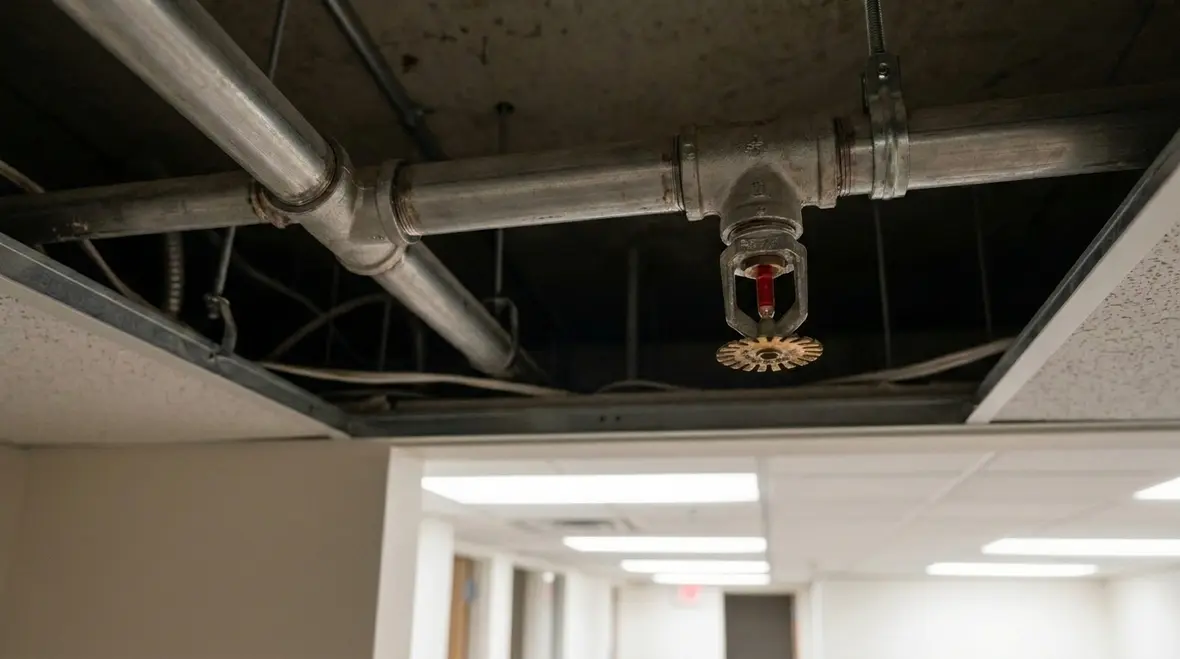
Why Safety Factors Matter in Industrial and Commercial Sites
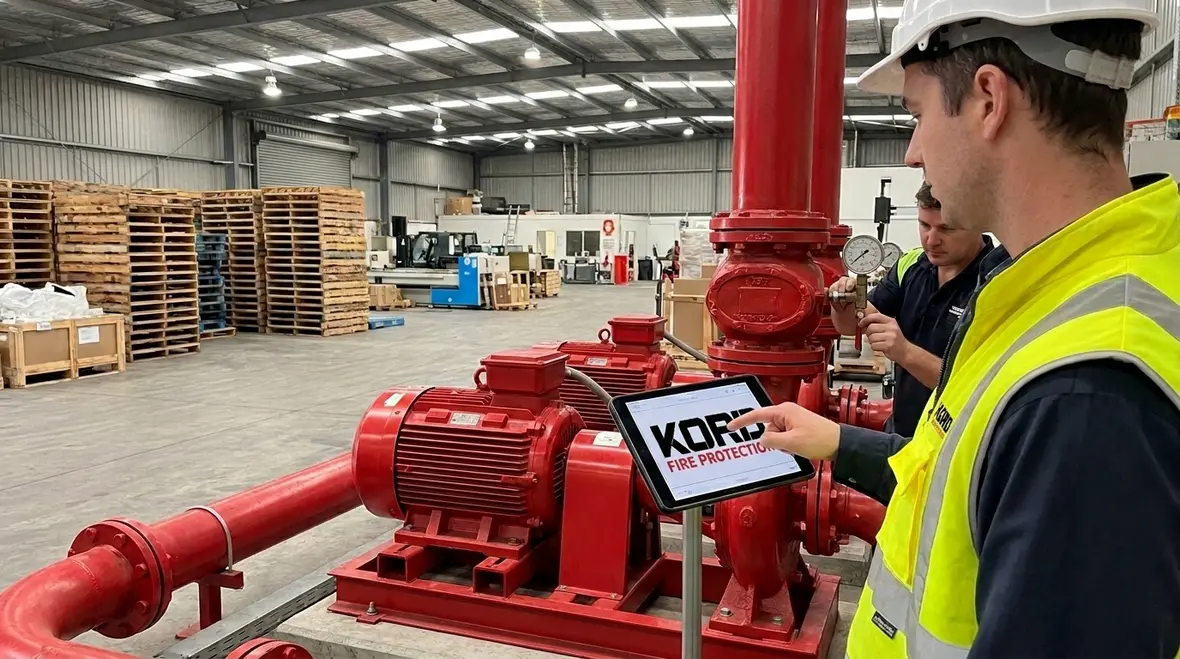
Fire protection safety factors help systems resist failure when conditions shift. For example, pumps may not always deliver ideal flow. Sprinkler layouts may face changes after fitouts. Storage heights may rise. Process areas may expand. Because of this, engineers build in added capacity so the system can still perform.
These margins also support risk control during real emergencies. Heat, smoke, and pressure move quickly, and fire systems must respond without hesitation. So, the design must allow for water supply limits, obstructions, environmental issues, and future changes. In a commercial setting, that added resilience can protect trading hours. In an industrial site, it can help preserve production. In retail, it can help keep tenants, stock, and customers safer. Nobody likes surprises, except perhaps the audience when Batman shows up on schedule.
The Business Value of Sensible Safety Margins
A sensible safety margin is not only a technical decision. It is also a business decision. When fire systems are undersized, facilities risk shutdowns, compliance headaches, insurance friction, damaged stock, and long recovery periods that hurt confidence with staff, customers, and tenants. By contrast, a design with headroom can absorb a little mess without collapsing into failure. That practical buffer often becomes the quiet hero of continuity planning.
This is where linked planning matters. Businesses reviewing larger upgrade paths may also find value in fire protection infrastructure upgrades for commercial buildings, especially when aging systems, changing occupancy, and code pressure all arrive at the same meeting. The safer system is usually the one that sees trouble coming before trouble has to introduce itself.
What NFPA Engineering Safety Margins Mean in Practice
NFPA engineering safety margins guide designers to go beyond the bare minimum. They help create systems that still work when real conditions become messy. For example, a design may include extra flow allowance, pressure headroom, or conservative spacing to reduce risk. These choices are not random. They reflect a deeper understanding of site behavior and fire dynamics.
| Design element | Purpose | Result on site |
| Fire protection safety factors | Add resilience for uncertain conditions | Better system reliability |
| NFPA engineering safety margins | Allow extra capacity in design | Stronger performance under stress |
| Fire design safety coefficients | Support accurate calculations and balance | Reduced chance of failure |
As the table shows, these ideas work together, not alone. Therefore, a strong fire protection design depends on both technical skill and good judgement. One without the other can leave gaps. And gaps, in fire protection, are bad company. This is one reason broader code understanding also helps, and readers who want a wider foundation can explore NFPA 1: a comprehensive guide to fire prevention and safety as a useful contextual reference.
Safety Coefficients Are About Judgement, Not Decoration
Fire design safety coefficients sound mathematical, and they are, but they are also deeply practical. They help translate uncertainty into a design that can still function when a pump is a little tired, a layout has changed, or the available water supply does not feel particularly generous that day. The point is not to make calculations look impressive on a report. The point is to make the built system more forgiving when reality behaves like reality.
That forgiving quality is often what separates robust systems from fragile ones. A fragile system can appear compliant until stress exposes the corners that were cut too tightly. A robust system has enough breathing room to keep doing its job when conditions become fast, noisy, hot, and deeply inconvenient.
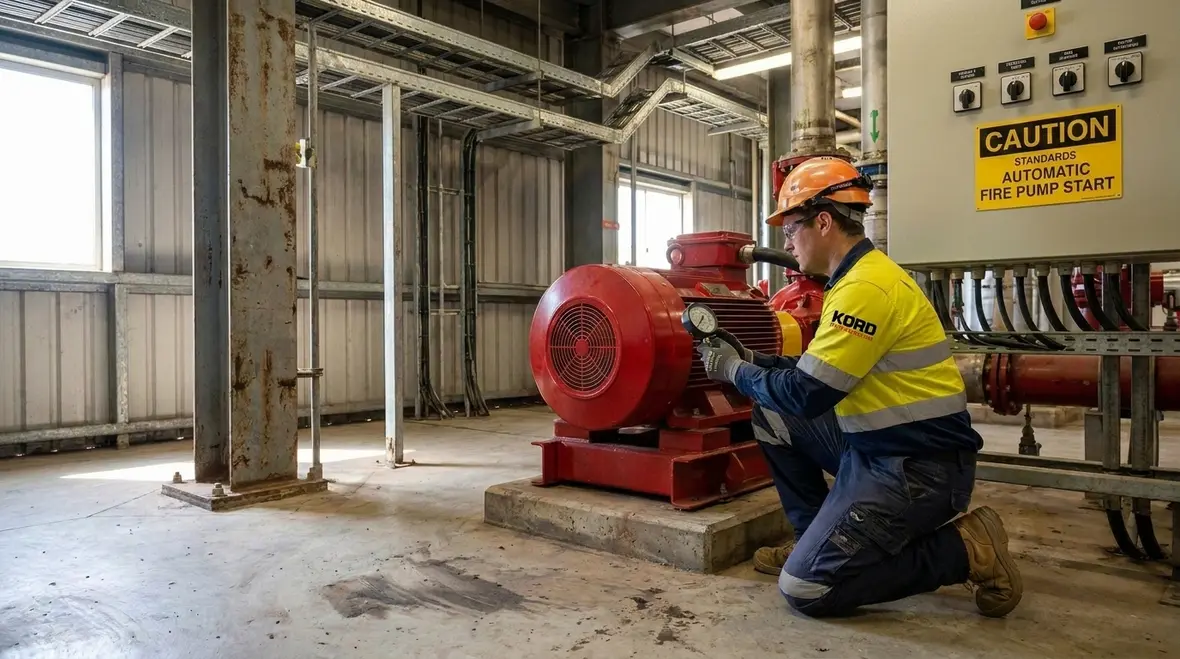
How Kord Fire Protection Can Support NFPA 1 Section 5.6 Compliance
Kord Fire Protection can play a vital role by helping businesses apply the code in a real, site specific way. That support often starts with assessment. The team can review the building use, hazards, water supply, layout, equipment, and operational needs. Then, it can help shape a design that balances compliance, safety, and practical performance.
Just as important, Kord Fire Protection can assist with upgrades, inspections, maintenance, and system improvements. Because fire risk changes over time, a one time install is not enough. Sites evolve. Tenants move. Production shifts. Stock levels grow. Therefore, the protection strategy must keep pace. Kord can help bridge the space between code language and daily operations, which is where many systems either succeed or quietly become decorative ceiling art.
Third Party Support Makes Better Outcomes More Likely
Fire protection works best when experienced people guide the process from start to finish. In that setting, Kord Fire Protection can become more than a contractor. It can become a partner that helps interpret NFPA 1 Section 5.6, apply safety factors correctly, and keep the system aligned with the site’s actual risks. That partnership can help reduce mistakes, improve compliance, and support smoother long term maintenance.
For industrial, retail, commercial, and facility operators across Australia, this kind of support can save time and reduce stress. It can also improve how upgrades are staged, how documentation is managed, and how service plans stay aligned with operations instead of fighting them. And in a world full of broken promises, that is worth something.
Common Problems a Strong Safety Margin Helps Prevent
Good fire design safety coefficients can help reduce several common issues. First, they can lower the risk of undersized systems that fail under real load. Second, they can help avoid poor coverage in areas with changed layouts or new storage. Third, they can support more reliable performance when water pressure is less than ideal. Finally, they can help facilities plan for future growth without starting from zero every time a space changes.
That level of planning matters for Australian operations that need both safety and continuity. After all, downtime costs money, time, and trust. A smarter design can help protect all three. It can also reduce the scramble that follows when a facility realizes too late that its fire protection assumptions expired two fitouts ago.
Common Weak Points That Margins Help Cover
- Changes in tenancy layout that affect coverage and access
- Growing storage heights that increase demand on suppression design
- Water supply performance that falls short of ideal conditions
- Aging equipment that no longer behaves like brand new hardware
- Operational expansion that places more stress on the original design basis
None of those problems are especially exotic. That is exactly why they matter. Most fire protection trouble grows out of ordinary change, not theatrical chaos. A good safety margin helps ordinary change stay ordinary.
FAQ
Conclusion
NFPA 1 Section 5.6 gives fire protection design the breathing room it needs to work in the real world. For businesses across Australia, that means smarter planning, stronger systems, and less guesswork. Kord Fire Protection can help turn those standards into practical protection.
For sites that want safer outcomes and clearer compliance, the next step is simple: bring in a partner that knows how to build for the fire, not just the filing cabinet. Better margins, better judgement, and better support usually make for a much better ending.

Join Our Newsletter!
Get the latest fire safety tips delivered straight to your inbox From our Newsletter.