NFPA 1 Section 40.13 Dust Explosion Emergency Planning
Quick Answer
NFPA 1 Section 40.13 calls for a clear, working plan for dust fire and explosion emergencies. For industrial, retail, and commercial sites, that means fast action, trained people, safe shutdown steps, and strong coordination. Kord Fire Protection can help build and support that plan so the response is ready before trouble starts.
Dust may look harmless, but in the wrong place, it can act like fuel with a bad attitude. That is why dust explosion emergency plan NFPA guidance matters so much. Under combustible dust emergency response planning, sites need clear steps for alarms, evacuation, isolation, and fire control. Strong dust hazard emergency planning also helps protect people, equipment, stock, and business continuity. If dust can build up, it can also build risk.
Facilities that want a broader compliance minded partner can also connect this planning with full service fire protection support, especially when alarms, suppression, inspection schedules, and emergency readiness all need to work together instead of living in separate silos that only meet during a bad day.
What NFPA 1 Section 40.13 means for dust emergencies
NFPA 1 Section 40.13 focuses on emergency planning for facilities that handle combustible dust. In plain terms, it expects a site to know what to do before a dust event turns into a fire or explosion. That includes written procedures, trained staff, and a response that fits the building, process, and materials in use.
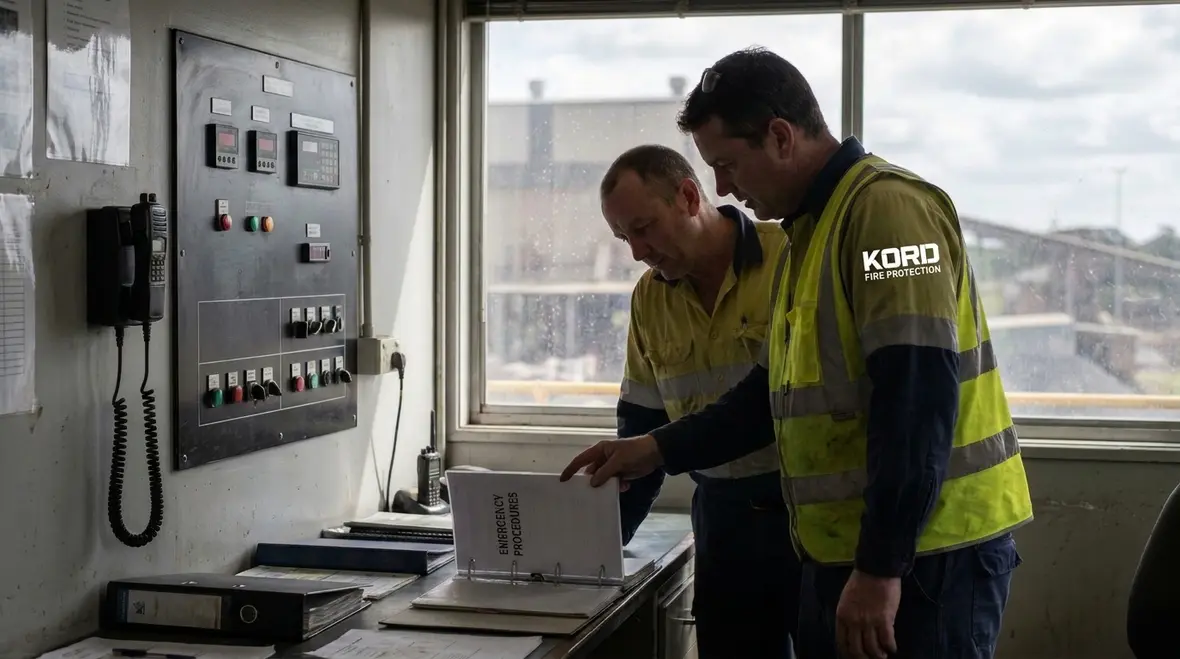
It also means the plan should not sit in a folder like a forgotten season finale. Instead, it should guide real action during a fast moving incident. The best plans tell people who shuts down equipment, who calls emergency services, where staff gather, and how the site prevents a second ignition. That kind of structure matters because dust events move quickly, visibility can drop, and a delayed decision can make a small incident a much uglier story.
This section is most useful when it is treated as an operational playbook rather than a compliance checkbox. A site that already understands its ignition sources, process hazards, housekeeping weak spots, and emergency chain of command will respond faster and more safely. A site that does not is left improvising under pressure, which is a terrible time to discover that nobody is quite sure who is supposed to isolate the system.
Why combustible dust emergency response must be site specific
Every facility carries a different dust profile. A food plant, timber shop, grain handling site, retail back of house area, and packaging line each create different risks. Therefore, the response plan must match the dust type, the process, and the layout.
A solid combustible dust emergency response plan should cover safe shutdown steps for dust producing equipment, alarm and communication procedures, evacuation routes and assembly points, fire watch and re entry controls, coordination with local fire services, and isolation of power, gas, and process systems. When those steps are clear, staff waste less time guessing. And in an emergency, guessing is just a fancy word for risk.
Different dusts create different response priorities
Not all dust behaves the same way. Fine organic dust can spread rapidly through a processing area, while heavier material may settle around hidden ledges, ducts, cable trays, and equipment housings. Some operations face recurring airborne dust clouds. Others deal with dangerous accumulations in dead spaces that nobody notices until maintenance starts moving things around. The emergency plan should reflect those realities instead of relying on generic language that sounds official but helps nobody on the floor.
A good plan also considers what happens after the first event. Secondary explosions are one of the biggest reasons dust incidents become catastrophic. If the initial fire or pressure wave disturbs settled dust, the situation can escalate fast. That is why evacuation, isolation, and post incident area control deserve as much attention as the first alarm. Calm decisions after the first bang can stop the second one from stealing the whole show.
For facilities reviewing broader fire code context, it also helps to connect emergency planning with NFPA 1 fire prevention and safety guidance, especially when dust hazards intersect with housekeeping, suppression readiness, exits, and ongoing inspections.
How dust hazard emergency planning protects operations
Column 1
A strong dust plan does more than reduce injury risk. It also protects uptime, stock, and expensive equipment. In many sites, a dust event can shut down production for hours or days. Then the cleanup, repairs, and lost orders begin stacking up like a very unfun invoice parade.
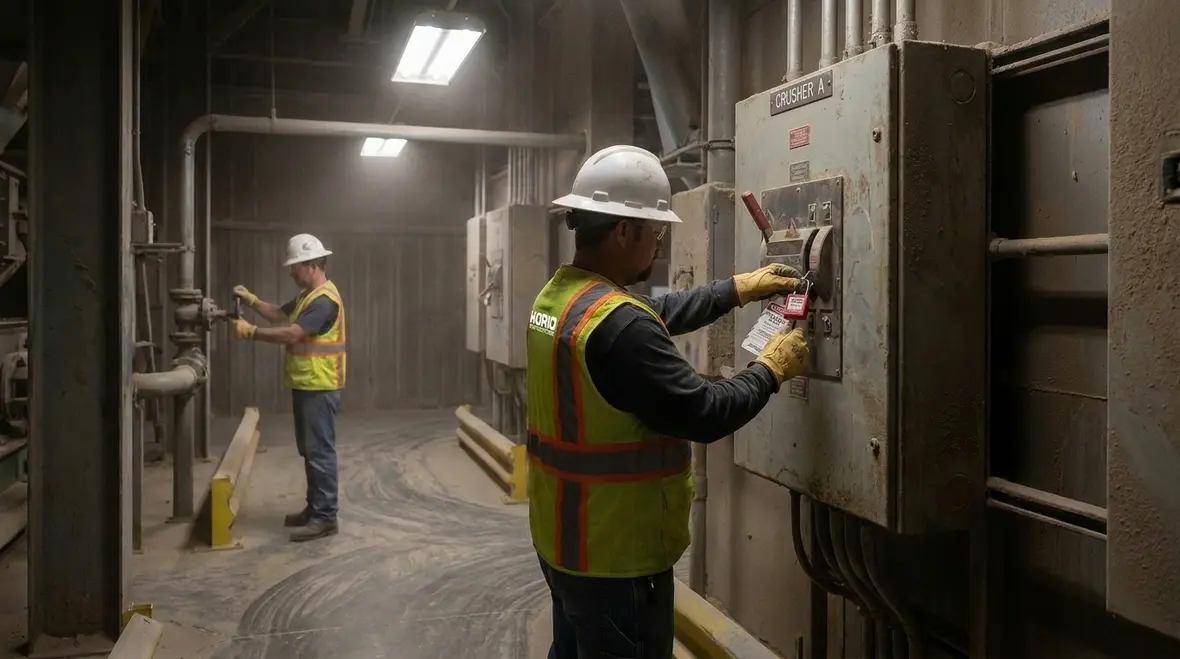
Production managers tend to focus on throughput, but emergency planning quietly supports that goal. When shutdown steps are organized, control points are labeled, and responsibilities are assigned, recovery becomes faster and safer. It also reduces the chance of someone restarting part of a process too early, which is the industrial equivalent of trying to bake a cake while the oven is still on fire.
Column 2
Good planning also supports compliance and insurance expectations. Insurers and regulators want proof that the site understands the hazard and has a practical response. As a result, dust hazard emergency planning can support better audits, smoother incident response, and stronger business continuity.
It can also improve communication with outside responders. When fire services arrive to a site that already knows its process hazards, access points, isolation valves, and high risk areas, everyone works from the same map. That can reduce confusion, protect responders, and help management explain what happened without sounding like the site has just been introduced to its own building.
What a practical emergency plan should include
A useful plan should be simple enough for staff to follow under pressure, yet detailed enough to manage serious events. It should explain the hazard, the triggers for action, and the exact sequence for response.
Key elements often include identification of dust generating areas, roles and responsibilities for supervisors and safety staff, emergency contacts and escalation steps, equipment shutdown and lockout steps, fire extinguisher and suppression guidance, ventilation and isolation actions, and post incident inspection and restart approval.
The plan should read clearly under pressure
Formatting matters more than many teams expect. In a real incident, nobody wants to dig through five pages of dense paragraphs to find one shutdown instruction. Use clear headings, short action steps, area specific procedures, contact lists, and restart criteria that can be checked in sequence. If a document is technically complete but painful to use, it is only half a plan.
The plan should also be reviewed after changes to production, building layout, materials, or staffing. Because when the process changes, the risk changes too. Dust does not care about convenience. A new conveyor, relocated mixer, altered ventilation pattern, or revised storage method can all affect how dust travels and where emergency controls need to happen.
Some facilities also benefit from linking the emergency plan to inspection routines, signage checks, equipment labeling, and routine maintenance work orders. That way the plan does not become a once a year ceremony followed by eleven months of optimism. It stays tied to the actual systems and people that will have to perform when something goes wrong.
How staff training turns a plan into real protection
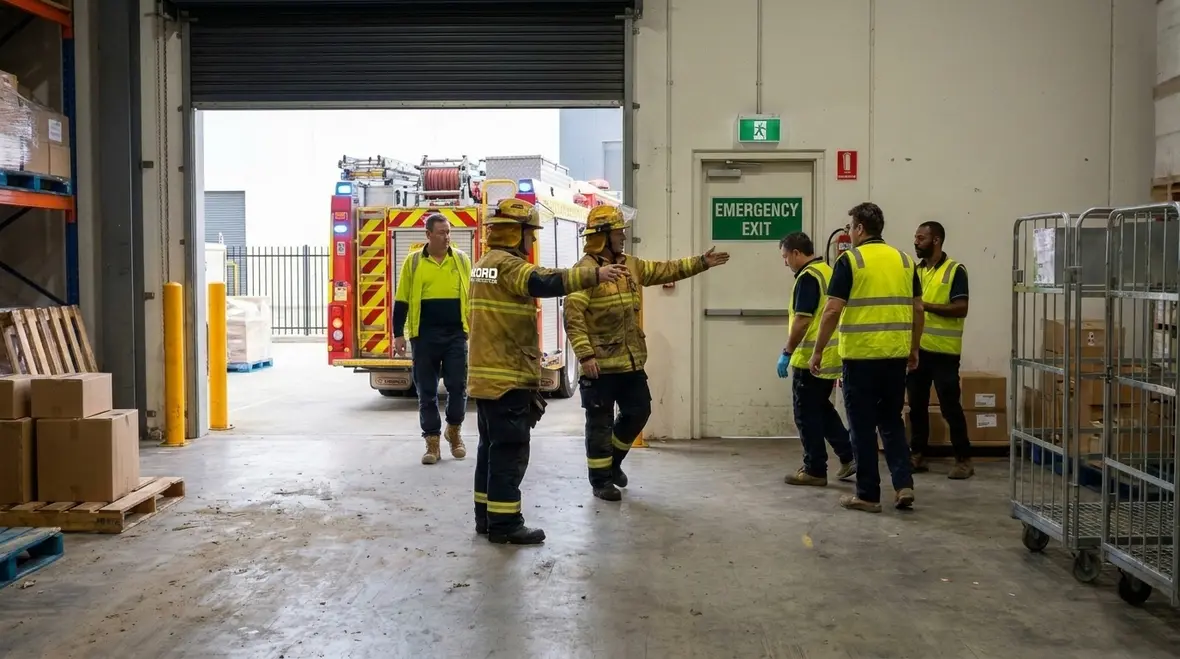
A plan only works when people know it. That is why training matters. Staff should practice their roles, understand warning signs, and know how to respond without panic. Supervisors should also know how to make fast decisions while keeping the team calm.
Training should cover dust cleanup rules as well. Dry sweeping or unsafe compressed air use can spread combustible dust and make things worse. Instead, staff should follow the site cleaning method and report buildup before it becomes a larger problem.
Refresher sessions help too. After all, memory fades, but dust never seems to take a day off. Drills should include alarm response, equipment isolation, communication flow, assembly accountability, and who authorizes re entry. Even short tabletop exercises can reveal awkward gaps, like a critical contact number that nobody updated or a shutdown instruction that assumes the night shift has three extra people who do not actually exist.
Training should reflect real work conditions
The best training uses the actual site layout, actual equipment, actual cleaning methods, and actual staffing pattern. It should not rely on ideal conditions that never happen in the real world. If visibility is low, noise is high, or a certain area is difficult to access, those realities should be built into the practice. Emergency readiness improves when training looks a lot like Tuesday afternoon instead of a perfect textbook diagram.
Management should also document what was trained, who attended, what gaps were found, and what changed afterward. That closes the loop between planning and improvement. Otherwise, the same weakness shows up drill after drill like an unwanted encore that nobody bought tickets for.
Where Kord Fire Protection fits into the plan
Kord Fire Protection can become a vital partner by helping facilities build a practical, site based response strategy. Their role can support risk review, emergency planning, and fire protection guidance that fits the operation rather than forcing a one size answer.
That support may include reviewing dust related fire and explosion risks, helping develop response procedures, supporting staff awareness and emergency readiness, advising on fire protection systems and site needs, and helping align the plan with facility operations and compliance goals.
For sites where suppression and detection are part of the bigger picture, related resources like fire suppression system maintenance basics can help connect planning with the condition of the systems expected to support that response. Because a plan that depends on equipment should probably know whether that equipment is ready to stop being decorative.
For industrial, retail, and commercial sites, that kind of partner matters. It brings experience, structure, and practical support when the hazard is serious but the schedule is still full. The goal is not to make operations more complicated. The goal is to make emergency action more reliable, more coordinated, and far less dependent on luck.
How to keep the plan ready all year
A dust emergency plan should live as a working document. It should be tested, reviewed, and updated on a regular schedule. Drills help reveal gaps in communication, delays in shutdown, and confusion about evacuation or reporting.
Regular checks should also confirm that suppression systems, alarms, exits, signage, and housekeeping controls still work as intended. Meanwhile, management should track process changes so the plan never falls behind the site.
It also helps to assign ownership. Someone should be responsible for updates, drill coordination, revision control, and distribution. If everyone owns the plan, very often nobody owns the plan. A current version should be easy to access, easy to recognize, and easy to use whether the incident happens on day shift, night shift, or right when everyone was hoping for a quiet Friday.
The strongest sites treat emergency planning as part of normal operations. They review near misses, track housekeeping trends, confirm emergency contact accuracy, and revisit response steps after equipment changes. That steady routine builds readiness long before an alarm sounds, which is exactly when preparation is most valuable.
FAQ
Conclusion
Dust risk does not wait for a quiet day. For that reason, facilities should treat NFPA 1 Section 40.13 as a practical action plan, not a paper exercise. When emergency roles, shutdown steps, communication flow, and evacuation controls are all clearly defined, sites are far better positioned to protect people and property when conditions turn ugly in a hurry.
Kord Fire Protection can help turn that plan into real readiness, with support that fits the site, the people, and the risk. When the stakes are high, a clear plan is the calm before the storm, and a tested plan is even better because it does not need to guess what comes next.

Join Our Newsletter!
Get the latest fire safety tips delivered straight to your inbox From our Newsletter.