NFPA 1 Section 4.1 Fire Code Goals and Objectives
Quick Answer: NFPA 1 Section 4.1 sets the direction for fire safety by defining clear fire code goals and objectives. It aims to reduce fire risk, protect life, and support safe building use. For industrial, retail, commercial, and facility sites across Australia, Kord Fire Protection can help turn those goals into practical, compliant action.
NFPA fire code goals, fire prevention objectives, and life safety code objectives form the backbone of a strong fire safety plan. In simple terms, they guide how a site should reduce ignition risk, control hazards, protect people, and keep operations moving when trouble starts. That matters a great deal for industrial sheds, retail centres, warehouses, and commercial facilities, because fire does not care about trading hours or staffing levels. It arrives uninvited, like a bad sequel nobody asked for.
For sites that need broader support with inspections, testing, repairs, and ongoing readiness, full fire protection services can fit naturally into the compliance picture near the start, not just after something goes sideways.
Understanding NFPA 1 Section 4.1
NFPA 1 Section 4.1 explains the core purpose of the fire code. It exists to protect life, reduce fire losses, and support safe use of buildings and equipment. It also sets the tone for prevention, emergency readiness, and ongoing safety management. As a result, a site does not treat fire safety as a one time task. It treats it as a working system.
For business owners and facility managers, this section matters because it creates a clear benchmark. It tells them what the fire code is trying to achieve before they begin asking how to comply. That approach keeps planning focused. It also helps teams understand that the goal is not paperwork. The goal is protection, continuity, and fewer nasty surprises at 2 a.m.
Fire code goals for commercial and industrial sites
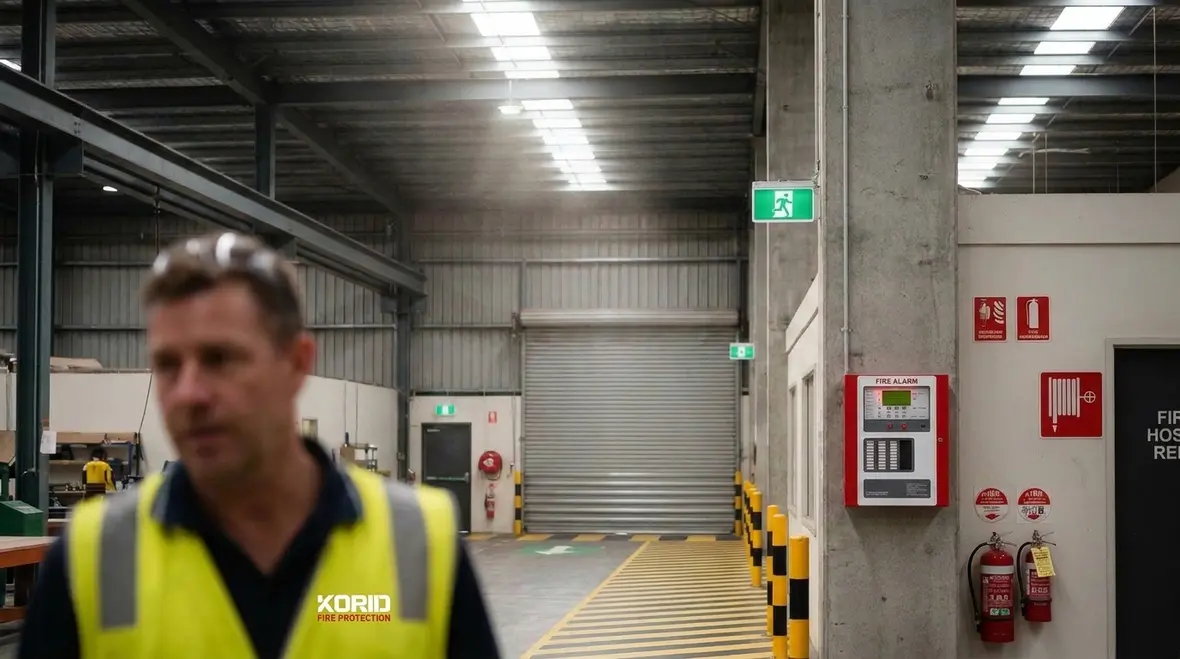
NFPA fire code goals focus on reducing fire danger before a fire starts. That includes limiting ignition sources, controlling fuel loads, keeping exits clear, and making sure fire protection systems work when needed. In busy Australian facilities, those goals often connect to storage layout, hot work, electrical safety, housekeeping, and maintenance control.
These goals also support operational stability. When a warehouse or retail site follows strong fire code goals, it lowers the chance of shutdowns, damage claims, and staff injury. Therefore, fire safety becomes part of business risk management, not just compliance. That shift matters, because a small fault in one area can spread faster than gossip in a lunch room.
Why the code starts with goals before rules
There is a practical reason this section comes early in the code framework. Goals explain intent. Once intent is clear, the rest of the code stops looking like a pile of isolated duties and starts looking like a connected safety strategy. Storage limits, inspection schedules, alarm readiness, and exit management all make more sense when teams understand what those tasks are meant to prevent.
This is especially useful in larger sites where different departments control different risks. Operations may manage machinery. Facilities may handle servicing. Contractors may perform hot work. Supervisors may coordinate staff training. NFPA 1 Section 4.1 gives all of them the same destination even when they are taking different roads to get there.

Dual column view: what the objectives mean in practice
Here is a simple way to see the link between the code and daily operations.
Objective
- Reduce fire risk by controlling hazards, ignition sources, and unsafe storage.
- Protect occupants by keeping exits, alarms, and suppression systems ready.
- Support fire response with clear access, good signage, and emergency plans.
- Maintain continuity by lowering damage and helping the site return to service faster.
On site action
- Inspect electrical gear, remove clutter, and manage flammable materials carefully.
- Test alarms, check extinguishers, and keep egress paths open.
- Train staff, review evacuation plans, and coordinate with emergency services.
- Schedule servicing, document checks, and fix defects before they grow.
Fire prevention objectives that drive daily habits
Fire prevention objectives focus on stopping ignition and stopping spread. That sounds simple, yet it takes discipline. For example, facilities need regular checks on electrical systems, storage control, housekeeping, hot work permits, and machine maintenance. In addition, staff need clear direction on what to report and when to report it.
Kord Fire Protection can become a vital partner here by helping sites build practical routines that match the fire code goals. Their support can include inspection, testing, maintenance, and advice that fits the site’s risk profile. That matters because strong prevention does not come from posters alone. It comes from consistent action, and consistency is where many teams need a hand.
In many facilities, the weak spots are not mysterious. They are ordinary things that get ignored because they look ordinary. A blocked electrical panel, overstacked stock near heat sources, dust around equipment, a wedged fire door, or expired servicing records can all become part of a much bigger story later. Prevention works best when teams stop treating little things as harmless little things.
This is where routine beats good intentions. A site that documents checks, follows through on defects, and makes safety part of shift habits is far more resilient than a site that relies on memory and crossed fingers. If teams want a broader read on the code framework behind that mindset, this NFPA 1 guide fits naturally as a useful next step.

Life safety code objectives and occupant protection
Life safety code objectives place people first. They focus on safe escape, fast warning, and reliable fire response. In commercial and industrial environments, this means exits must stay usable, alarms must work, and evacuation plans must suit the real layout of the site. A showroom, a cold storage area, and a logistics hub do not all need the same approach. One size rarely fits all, unless one enjoys chaos.
These objectives also support staff confidence. When workers know what to do, they act faster and panic less. That can make a serious difference during an emergency. Therefore, training, drills, and system checks play a major role in meeting the intent of NFPA 1 Section 4.1.
Occupant protection is more than a map on the wall
Good occupant protection is visible in the everyday details. Exit routes stay clear even during peak activity. Emergency lighting supports movement in poor conditions. Alarm signals are understood by staff, not ignored like a familiar microwave beep. Wardens know their roles. Supervisors know who may need extra help. Visitors are not left standing around wondering whether this is a drill or an actual problem.
That is why life safety objectives are so practical. They are not abstract ideals living in a binder. They shape how people move, communicate, and respond when pressure rises. And in a real incident, simple clarity often matters more than fancy language ever will.
How Kord Fire Protection supports compliance
Kord Fire Protection can help facilities across Australia move from theory to practice. Their work can support inspections, maintenance, system checks, and guidance that aligns with the fire code’s purpose. More importantly, they can help site teams spot weak points before those weak points become expensive problems.
For industrial, retail, and commercial sites, that partnership offers several benefits. First, it helps reduce missed defects. Second, it supports better record keeping. Third, it gives managers a clearer path to compliance. As a result, the site can protect people and property while also protecting business uptime. That is a fine trade. Fewer emergencies, fewer headaches, and fewer stories nobody wants to tell at the board meeting.
Support is also valuable when a site changes faster than its paperwork. Expanding storage, rearranging floor space, adding plant, introducing contractors, or updating equipment can all affect fire risk. Compliance does not stand still just because the evacuation diagram looks tidy. It has to keep pace with how the building actually functions on an average day.
What facilities should focus on next
Facilities should start by reviewing their current fire safety program against the fire code goals and fire prevention objectives. Then they should check high risk areas, confirm system service dates, and update emergency plans. After that, they should train staff and fix any gaps that show up. This process works best when it happens on a set schedule, not only after a fault or audit.
A practical review checklist
- Review ignition sources, storage practices, and housekeeping standards.
- Confirm alarms, extinguishers, suppression systems, and exits are inspection ready.
- Check maintenance records for overdue servicing, repeat faults, and missing documentation.
- Update evacuation roles, training frequency, and contractor communication procedures.
- Reassess risk whenever the layout, process, staffing pattern, or equipment changes.
The point is not to create busywork. It is to make sure the site keeps matching the code’s intent as conditions change. That is how NFPA 1 Section 4.1 becomes useful in the real world. It stops being a line in a document and starts acting like a standard for better daily decisions.
FAQ
Conclusion
NFPA 1 Section 4.1 gives facilities a clear path toward safer operations. When sites apply the fire code goals, fire prevention objectives, and life safety code objectives with care, they strengthen protection from the ground up. The section matters because it keeps safety work aligned with purpose, not just procedure. That is a stronger foundation for any industrial, retail, or commercial site trying to stay ready instead of reactive.
Kord Fire Protection can help make that happen through practical support, smart servicing, and compliance focused guidance. For businesses that value people, property, and uptime, that partnership is worth serious attention. Better systems, better habits, and better follow through usually beat last minute panic every single time, and thankfully with much less drama.

Join Our Newsletter!
Get the latest fire safety tips delivered straight to your inbox From our Newsletter.