NFPA 1 Section 34.6 Storage Fire Protection for Warehouses
Quick Answer: NFPA 1 Section 34.6 sets the baseline for fire protection in storage areas by focusing on safe storage layouts, fire access, sprinkler support, and clear housekeeping. For industrial, retail, and commercial sites, strong warehouse fire protection systems and general storage fire safety measures help reduce risk, protect stock, and keep operations moving. Kord Fire Protection can help turn those rules into real, working solutions.
NFPA 1 Section 34.6 matters because storage spaces can turn into fuel fields faster than a bad sequel gets green lit. In warehouses, retail back rooms, distribution hubs, and commercial stores, the risk rises fast when items stack too high, aisles narrow too much, or systems fall behind the load. That is why storage fire protection NFPA guidance, warehouse fire protection systems, and general storage fire safety measures must work together from day one. If you need a practical service starting point, Kord Fire Protection’s fire sprinkler system service supports commercial properties with design, installation, servicing, maintenance, and repair, which fits naturally into storage risk planning. For facilities that want a broader approach, Kord also offers full fire protection services that cover sprinklers, alarms, suppression, extinguishers, and more.
What NFPA 1 Section 34.6 Covers in Storage Areas
NFPA 1 Section 34.6 lays out fire protection basics for storage. It addresses how materials should be arranged, how access should stay clear, and how fire safety features should support the way a site actually operates. In practice, this means storage must not block fire systems, exit routes, or response paths. It also means the fire load, item height, and storage method need attention, because a pallet stack can become a fast moving fire path if no one plans ahead.
For busy facilities, this section pushes a practical idea. Storage must not only look neat. It must also stay safe under real fire conditions. That is where storage fire protection NFPA rules give structure to day to day work, while site specific design turns those rules into action. If your team wants a wider code context, Kord Fire’s guide to NFPA 1 fire prevention and safety helps connect this section to the larger compliance picture.
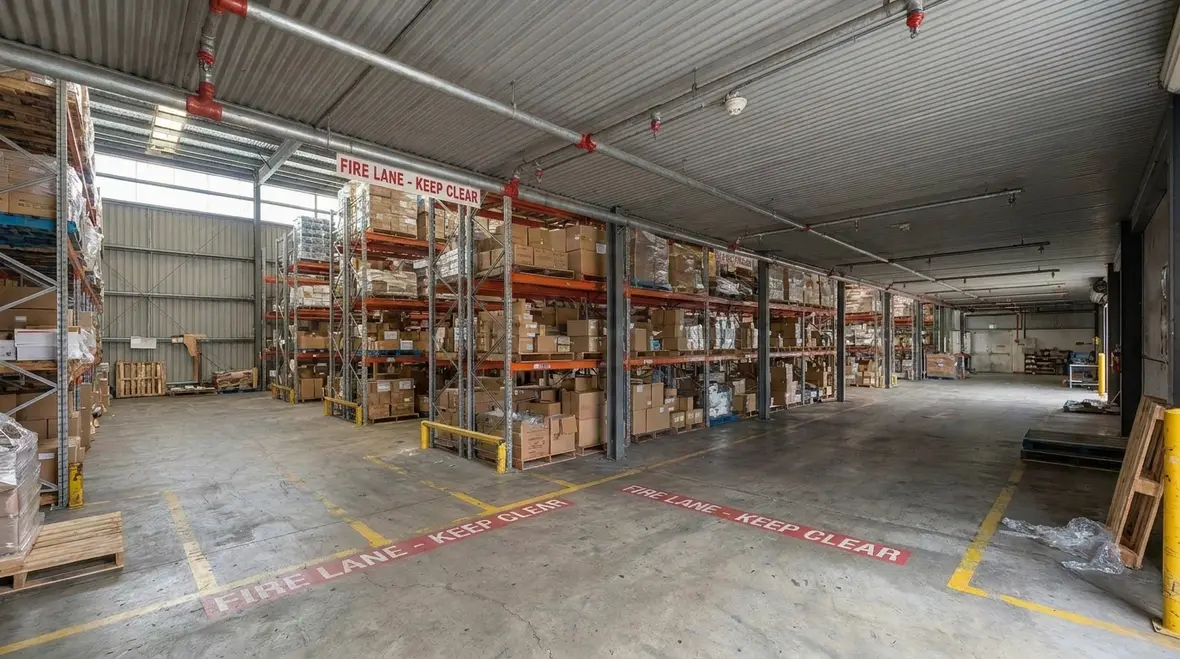
The practical rule behind the rule
The point is not to create a storage room that looks perfect in a photo and collapses into chaos the minute business gets busy. The point is to make sure the layout still works when pressure, heat, smoke, and people all enter the scene at once. Aisles need to stay usable. Access to valves and alarms needs to stay open. Sprinkler discharge patterns need room to do their job. In other words, Section 34.6 is less about decoration and more about giving fire less opportunity to win.
Why Storage Fire Risk Grows So Fast
Storage fires spread quickly because goods often sit close together and can feed flames with ease. Cardboard, plastics, packaging, textiles, and mixed goods all add fuel. Meanwhile, tall racks and tight aisles can trap heat and smoke. As a result, a small ignition source can become a major event before staff even know what changed.
That is why general storage fire safety measures matter so much. Good housekeeping, controlled stacking, and clear access paths reduce the chance of fire spread. Also, early detection and fast suppression help limit damage before the fire reaches a larger load. In many cases, the first mistake is simple: someone treats storage like a static room rather than a living risk zone.
Common conditions that quietly raise the hazard
- Stacks that creep higher over time until they crowd sprinkler discharge
- Aisles that shrink because overflow stock gets parked where it should not
- Mixed commodities stored together without reviewing the highest fire risk
- Pallets, cartons, and wrapping left to build up as everyday clutter
- Layout changes that happen faster than system reviews or inspections

How Warehouse Fire Protection Systems Support Compliance
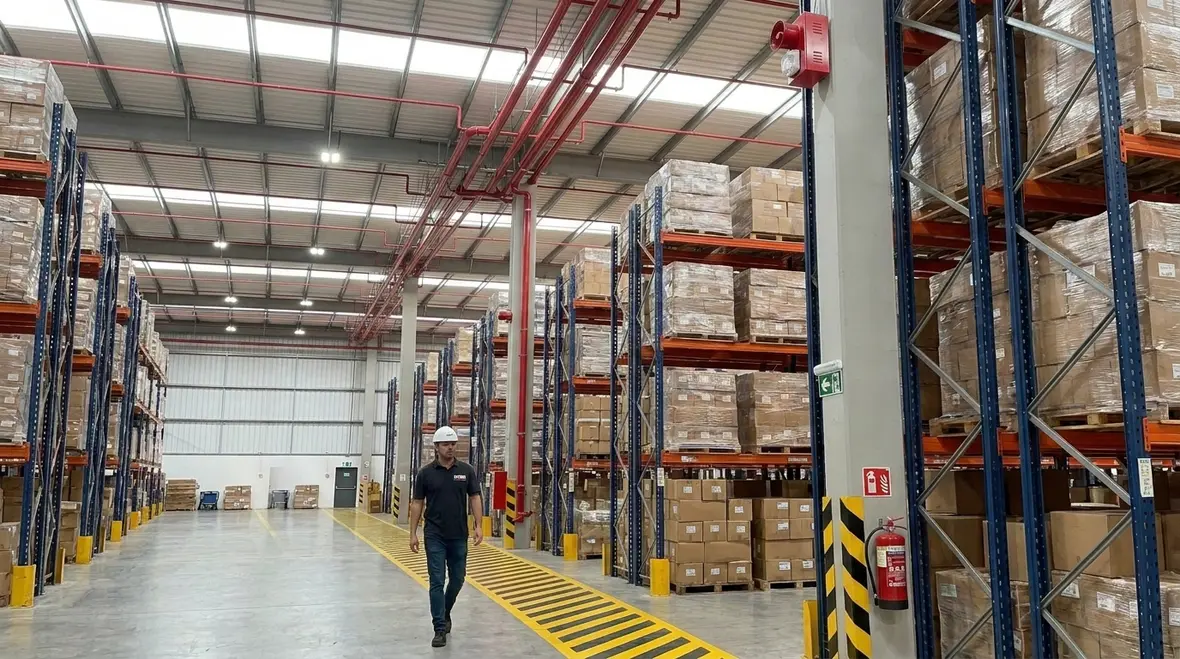
Warehouse fire protection systems do more than react after a fire starts. They form a layered defense. Sprinklers help control heat. Detection systems alert staff early. Alarm systems support evacuation and response. In larger facilities, the right design also considers rack storage, ceiling height, commodity type, and sprinkler reach.
Here, the link to NFPA 1 Section 34.6 becomes clear. The code sets the safety direction, while the system design makes that direction useful on site. If a warehouse stores mixed inventory, for example, the protection plan must match the highest risk product, not the easiest one. That is the kind of detail that separates a smart system from a decorative ceiling ornament.
A layered approach works better than wishful thinking
A warehouse rarely needs just one protective feature. It needs systems that work together without tripping over each other. Detection gives the earliest warning. Alarms move people. Sprinklers control heat and flame. Inspection and maintenance keep all of it from becoming expensive ceiling jewelry. The best plans also account for future changes, because storage areas are famous for evolving quietly and then pretending they did nothing wrong.
Storage Fire Protection NFPA Focus
Keep storage clear, controlled, and compatible with fire systems so the facility can limit fire spread and support fast response.
Warehouse Fire Protection Systems Focus
Use sprinklers, alarms, and detection together so the site can spot fire early and control it before damage grows.
General Storage Fire Safety Measures Focus
Maintain housekeeping, safe stacking, and open access so staff can move, respond, and evacuate without added risk.
Operational Reality Focus
Review layouts, stock changes, and maintenance status regularly so the protection strategy still matches the actual building, not last season’s version of it.
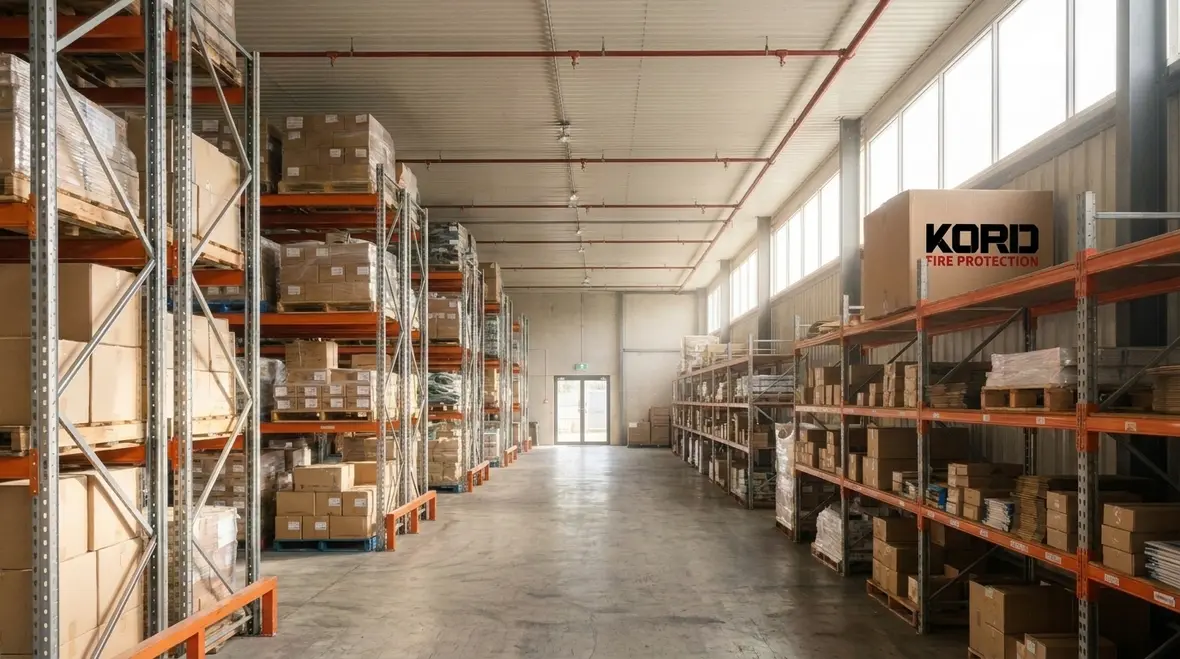
What Kord Fire Protection Brings to the Job
Kord Fire Protection can become a vital partner because storage fire safety needs more than hardware. It needs planning, installation, testing, and long term support. A strong partner helps a facility review the storage layout, match protection to the risk, and keep systems ready for inspection.
For industrial, retail, and commercial sites, Kord Fire Protection can help with:
- Storage fire protection planning for varied goods and layouts
- Warehouse fire protection systems that suit the site risk
- General storage fire safety measures that support daily operations
- Testing and maintenance that keep protection reliable
- Advice that helps teams stay aligned with fire safety needs
That support matters because storage areas change. Inventory shifts. Racks move. Tenants change. A site that looked fine six months ago may now need a new approach. A good partner helps the business stay ahead of those changes instead of chasing them after an alarm, which is usually the worst time to learn a lesson.
Need a simple storage safety plan?
If a team wants a clear answer, start with the storage layout. Then review the fire load, aisle space, stacking height, and sprinkler coverage. After that, check whether the system still fits the current use of the space. This step by step method keeps the work practical and grounded in the real building, not just on paper.
How Facilities Can Put This Into Practice
Across busy commercial parks, logistics sites, retail stockrooms, and industrial sheds, storage risk grows quietly and then all at once. Because of that, every site should review how goods are stored, how systems are maintained, and how staff respond in an emergency. The best result usually comes from a balanced plan that respects code requirements and the actual way the site functions day to day.
In the end, the smartest facilities treat fire safety as part of operations, not as an afterthought. That mindset saves time, cuts risk, and protects business continuity. It also makes the auditor happier, which is not a common miracle, but it does happen.
FAQ
Conclusion
NFPA 1 Section 34.6 gives storage safety a clear path, but real protection comes from the right plan, the right systems, and the right partner. Kord Fire Protection can help facilities turn storage fire protection NFPA guidance into practical action. For sites that want safer stockrooms, stronger compliance, and less chaos when seconds matter, now is the time to review the setup and get expert support.
- Review storage layout and aisle clearance
- Check stacking height against sprinkler coverage
- Confirm alarms, detection, and sprinklers still fit the hazard
- Keep housekeeping and access routes consistently clear
- Plan support before the next surprise inspection or emergency

Join Our Newsletter!
Get the latest fire safety tips delivered straight to your inbox From our Newsletter.