NFPA 1 Section 34.10 Roll Paper Storage Fire Protection
Quick Answer
NFPA 1 Section 34.10 sets clear fire protection expectations for roll paper storage in industrial and commercial spaces. In practice, it helps facilities reduce fuel load, improve sprinkler performance, and manage pile height, spacing, and access. Strong roll paper storage fire protection also supports safer operations, smoother compliance checks, and fewer costly surprises.
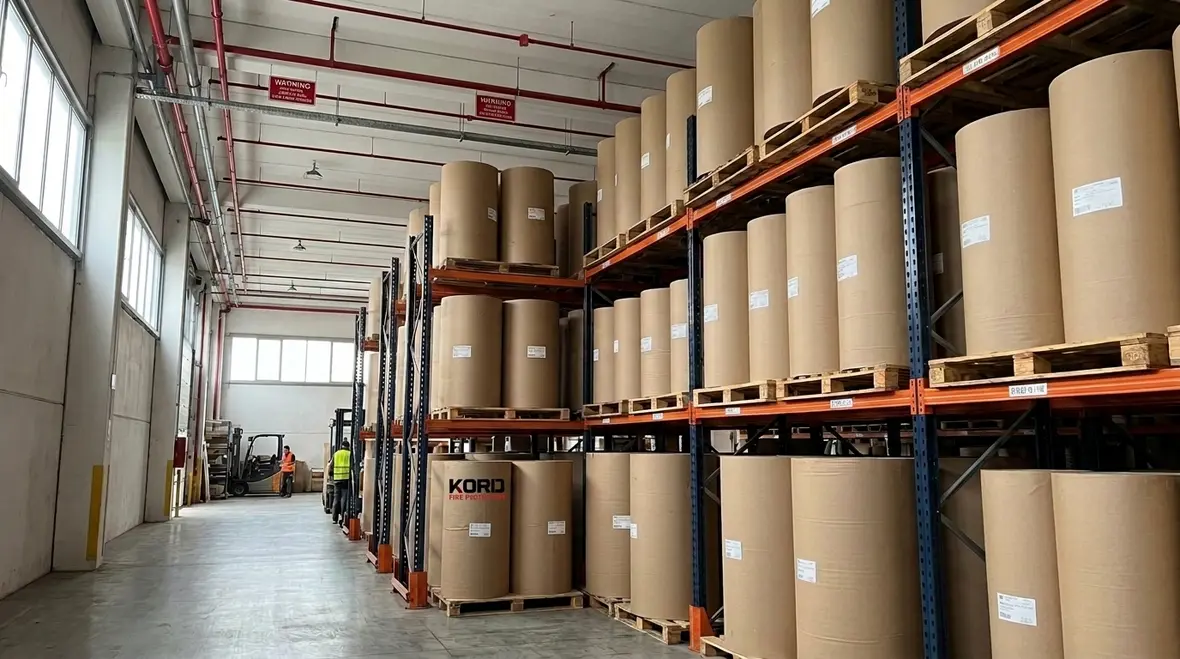
Roll paper storage looks harmless until it behaves like a very patient bonfire with a long memory. In industrial, retail, and commercial sites, the paper stock can fuel fast fire spread if the layout, suppression, and housekeeping fall short. That is why roll paper storage fire protection, paper storage NFPA, and roll goods storage fire code guidance matter so much. They help teams control risk before a small ignition turns into a very expensive headline.
For facilities reviewing warehouse hazards, it also helps to pair storage planning with professional fire sprinkler system service so suppression coverage is evaluated alongside the way rolls are actually stacked, moved, and rotated. That keeps the discussion grounded in the real world instead of in a binder that only gets opened when someone looks nervous.
This topic reaches beyond a simple checklist. It affects warehouse design, insurer reviews, business continuity, and day to day safety planning. A strong fire strategy also keeps operations calm when the heat is on, quite literally. If paper stock is stored in bulk, the right approach can mean the difference between a manageable incident and a long interruption nobody budgeted for.
What NFPA 1 Section 34.10 Means for Roll Paper Storage
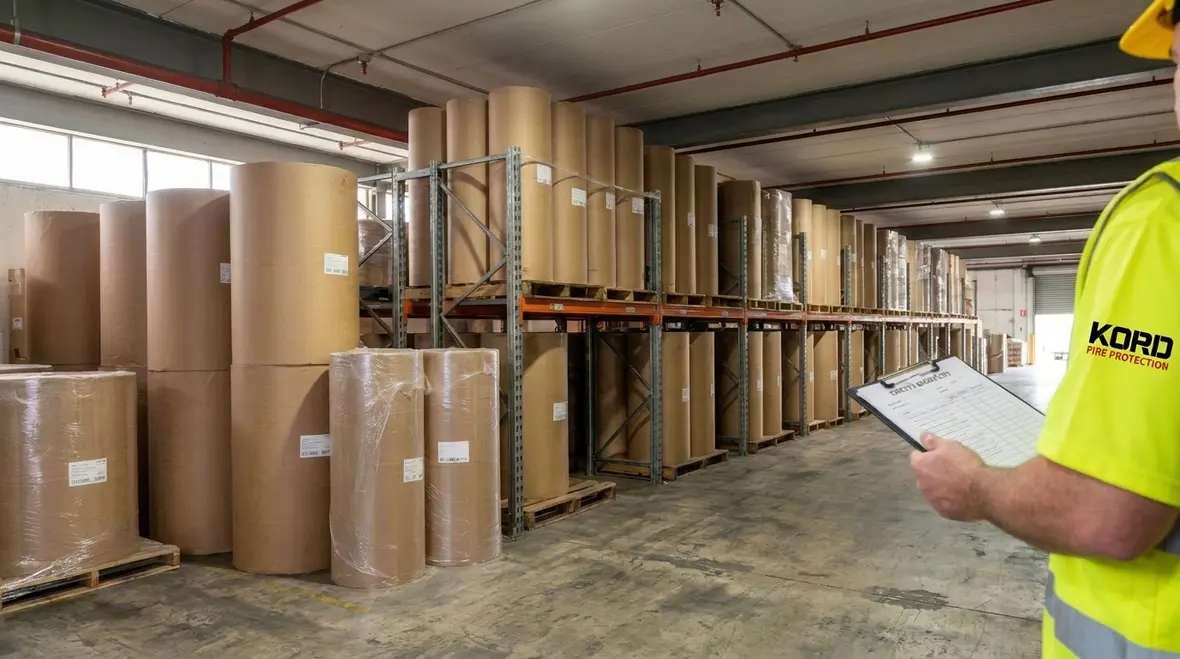
NFPA 1 Section 34.10 focuses on how roll paper and similar stock should be stored, protected, and accessed. The main goal is simple. It aims to limit fire growth, protect escape routes, and help suppression systems work as intended. Since roll paper can hold fire deep inside a stack, the code looks at more than just the paper itself. It also considers height, aisle space, storage shape, and sprinkler reach.
In plain terms, the standard tells a facility that paper cannot just be stacked like a game of Jenga and left to fate. The layout must support quick response and even water coverage. That is where paper storage NFPA guidance becomes useful for planners, engineers, and site managers who need safe storage without slowing the business down.
It also encourages a more disciplined look at how storage changes over time. A warehouse may begin with neat rows, reasonable heights, and clean aisles, then drift into tighter stacking once inventory pressure builds. That drift is exactly where trouble likes to move in. Section 34.10 helps keep the original intent intact by tying storage conditions to fire protection performance rather than to wishful thinking.
Why roll paper behaves differently in a fire
Roll paper is not just another boxed commodity. Its shape, density, wrapping, and stacking pattern can create stubborn burning conditions. Heat may build within voids and surfaces can shield deeper material from quick cooling. That means a fire can gain strength in ways that are less obvious at first glance, especially when access is poor or sprinkler discharge is disrupted by the arrangement of stock.
How the Code Shapes Safe Storage Layouts
Storage design drives risk. Therefore, the code encourages a layout that gives fire systems room to do their job. Roll paper should not block sprinkler spray patterns or create hidden fire pockets. Aisles, clearances, and stack controls all help reduce exposure.
Storage Control
Stack height limits
Aisle spacing
Clear ceiling space
Good housekeeping
Why It Matters
They reduce fire size and help sprinklers reach the seat of the fire
They improve access for staff and emergency crews
They prevent blocked sprinkler discharge and smoke trapping
They remove loose paper dust and waste that can ignite fast
These basics may sound plain, yet they do heavy lifting. A neat storage zone can help a warehouse avoid the kind of fire spread that turns one shelf into a full site shutdown. As dramatic as that sounds, the fire does not care about the meeting schedule.
Good layouts also make daily work smoother. Forklift travel stays predictable, inspections become easier, and small problems stand out sooner. That matters because fire safety rarely fails in one grand cinematic moment. More often, it slips when blocked aisles become normal, spare packaging piles up, and everyone assumes someone else already checked it.
Why Sprinkler Coverage Needs Special Attention
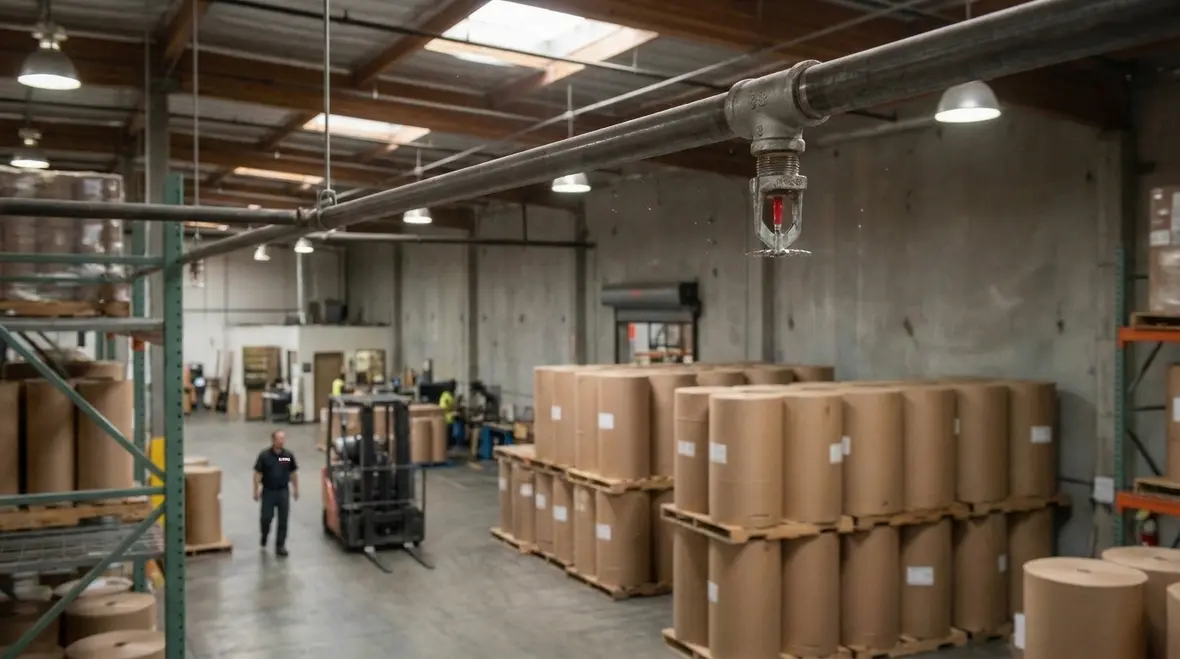
Roll paper storage can challenge even strong sprinkler systems. The shape, density, and wrapping of the rolls can change how water lands and how heat builds. So, the fire plan must match the stock profile, not just the building size. If the system cannot reach deep into the storage area, then the risk rises fast.
Here, careful fire engineering makes the difference. A well designed setup can support early control, limit smoke spread, and reduce damage to adjacent stock. In many facilities, this means checking water supply, sprinkler spacing, and storage arrangement together. The best results come when the suppression plan treats the paper stock as a live hazard, not a static inventory item sitting politely in a corner.
Common sprinkler blind spots in paper storage
Trouble often starts with details that seem minor. Rolls get stacked a little higher than planned. Temporary overflow storage sneaks into an aisle. New packaging changes the density of the load. A sprinkler head ends up near an obstruction. Each choice may look harmless by itself, but together they can reduce effective coverage right when it matters most. That is why system testing, maintenance, and storage discipline belong in the same conversation.
Facilities that want a broader code context can also review NFPA 1 fire prevention and safety guidance to see how storage, access, housekeeping, and suppression fit into the bigger life safety picture. It is useful when the team needs to connect one storage rule to the broader reason it exists.
What Facilities Should Check First
Sites often work across multiple standards, insurer demands, and local rules. Therefore, the first step is to confirm how the storage area functions in daily use. Does the site store wrapped rolls, loose paper, or mixed packaging? Does traffic move through the same zone? Are pallets, dust, and waste building up around the stack area?
Next, the team should review the fire load, storage height, access paths, and fire system condition. This is especially important for commercial print, packaging, retail backrooms, distribution centers, and manufacturing plants. These environments often change fast, and yesterday’s safe layout can become today’s problem before lunch.
In this stage, roll goods storage fire code checks can help facilities spot issues early and avoid expensive retrofits later. That is the kind of planning that saves both time and sleep.
A practical first review checklist
Confirm actual storage heights match the intended protection design
Check whether aisles stay open during peak inventory periods
Inspect sprinkler heads for blockage, damage, or poor clearance
Review housekeeping around dust, scraps, pallets, and wrapping
Document layout changes before they quietly become permanent
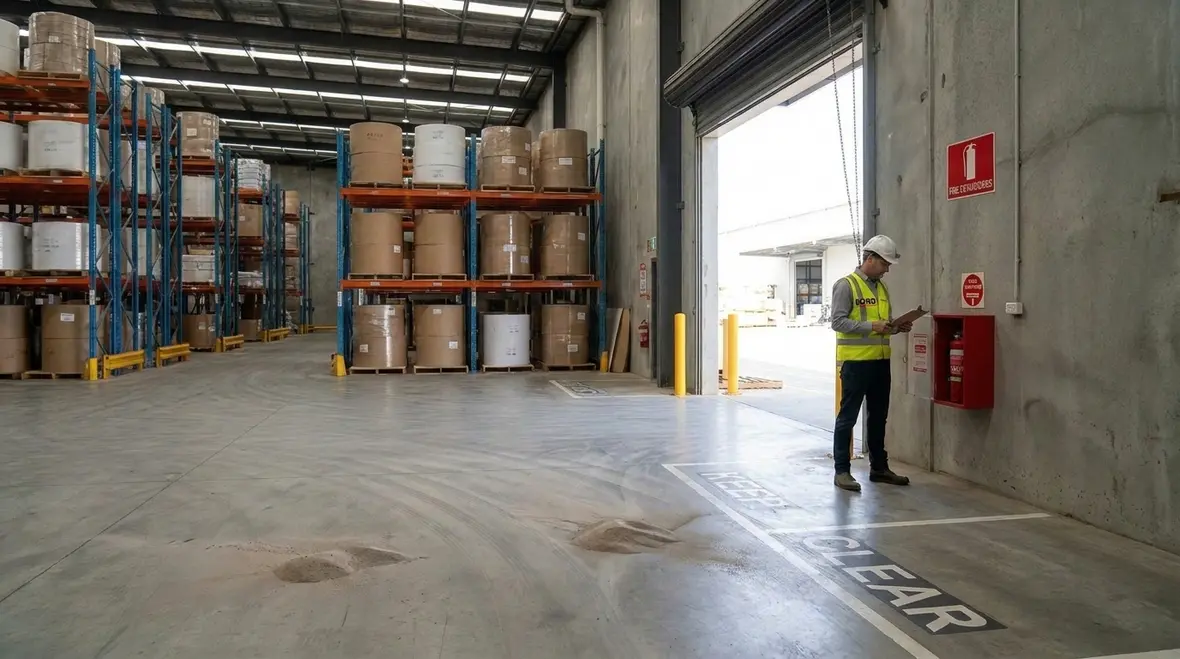
How Kord Fire Protection Adds Real Value
Kord Fire Protection can become a vital partner because roll paper storage risk needs more than a generic fire system. It needs practical advice, strong system design, and clear compliance support. Kord Fire Protection can help facilities assess storage layouts, review sprinkler performance, and align protection with code and operational needs.
Just as important, Kord Fire Protection can support upgrades, inspections, and ongoing maintenance. That matters because fire protection is not a one time job. It is a living system. Paper stock changes. Production changes. Layouts change. And, like a plot twist in a long running series, the hazard can change without warning.
With the right partner, facilities can reduce fire risk while keeping storage efficient. Kord Fire Protection can help sites avoid overcomplicated fixes and focus on controls that work in the real world. That practical balance is often what separates a system that merely exists from one that actually protects the operation when conditions stop being polite.
Best Practice Steps for Ongoing Compliance
Once a site sets up the right fire strategy, it should keep it in shape. Regular checks should confirm that storage has not crept beyond approved limits. Staff should know how to keep aisles open, report damage, and spot blocked sprinkler heads. Also, routine housekeeping should remove waste paper and loose debris before it becomes fuel.
Training matters too. When staff understand why the rules exist, they are more likely to follow them. After all, nobody wants the storage area to turn into a surprise episode of a disaster show.
regular fire system inspections
storage layout reviews
housekeeping checks
staff awareness training
change management for stock and racking updates
The goal is not to make the storage area look perfect for one inspection photo. The goal is to keep the area consistently safe when inventory volume rises, schedules get tight, and people are tempted to solve space problems with optimistic stacking. Compliance that survives real operations is the kind that matters.
FAQ
Make the Storage Area Safer Before the Fire Tests It
Roll paper storage demands a clear plan, not guesswork. NFPA 1 Section 34.10 gives a strong base, but each facility still needs practical design, inspection, and upkeep. The smartest move is simple. Review the layout, test the system, and close the gaps before fire finds them first.
When storage conditions, sprinkler performance, and housekeeping all support each other, facilities gain more than compliance. They gain resilience. That means fewer nasty surprises, better protection for people and property, and a much better chance that the next emergency stays small, contained, and forgettable.

Join Our Newsletter!
Get the latest fire safety tips delivered straight to your inbox From our Newsletter.