NFPA 1 Section 50.2 Commercial Cooking Fire Safety
Quick Answer
NFPA 1 Section 50.2 sets clear rules for commercial cooking fire protection including suppression systems, ventilation, and maintenance. It helps protect people, property, and operations in Australian facilities. Kord Fire Protection can be a vital partner by assessing needs, designing solutions, installing systems, and providing ongoing service to keep kitchens compliant and safe.
For operators looking at practical system options, UL300 restaurant systems offer a natural next step in understanding how commercial kitchen protection is designed, installed, and maintained for grease-laden hazards.
Understanding NFPA 1 Section 50.2 Commercial Cooking General Requirements
NFPA 1 Section 50.2 outlines the core fire protection measures for commercial cooking areas. This includes the proper placement and type of fire suppression systems, kitchen hoods, filters, and ducts, as well as control panels and access for maintenance. It also covers requirements for extinguishing agents, detection, testing, and verification. The goal is to minimize grease fires, limit grease buildup, and ensure reliable operation during emergencies. For facilities across Australia, while local codes may adapt some specifics, the NFPA 1 framework remains a strong basis for safer kitchens and safer workplaces. In practice, adherence reduces downtime and insurance risk while supporting steady service to customers and staff.
Why Commercial Kitchens Face Unique Fire Risks
Commercial kitchens generate heat, oils, vapors, and flying sparks. When overlooked, these factors can converge into fast spreading fires. Grease accumulates on hoods and ducts, cooking appliances can overheat, and maintenance gaps can leave blind spots in protection networks. Because kitchens operate at peak when demand rises, a failure in protection can translate into long closures and costly repairs. Owners in industrial food service, hospitality, and healthcare must plan for both routine operations and unexpected events. The right system acts like a reliable co-star in a blockbuster, steady and unflappable while the main action unfolds.
Compliance Responsibilities for Facility Managers
Responsibility sits with the facility owner or manager to ensure that installed systems meet the NFPA 1 commercial cooking general fire requirements and local regulations. Regular inspections, testing, and record keeping are essential. Systems must be designed to fit the kitchen layout, the type of cooking equipment, and the volume of grease produced. Training staff to operate and respond during a fire event is equally important. When these duties are fulfilled, the kitchen moves from potential risk to a well managed operation. Think of it as a well rehearsed crew performing a complex stunt without a stumble.
The Kord Fire Protection Advantage
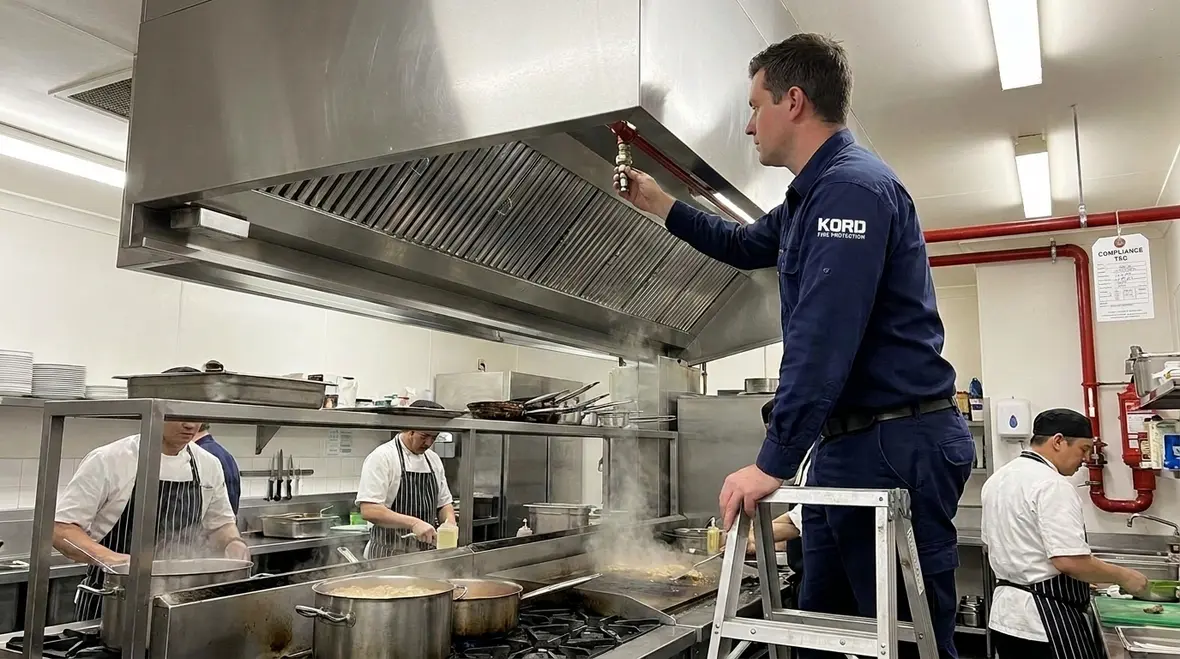
Kord Fire Protection brings deep fire protection expertise to commercial kitchens across Australia. Their team conducts comprehensive assessments, designs tailored suppression and detection solutions, installs equipment to NFPA 1 Section 50.2 standards, and provides ongoing maintenance and testing. The partnership translates to faster compliance, fewer surprises, and a steadier bottom line. Clients gain access to trained technicians who understand local realities and international best practices. In short, Kord helps kitchens stay safe without slowing down service or inflating costs, which is precisely what a busy operation needs after a long shift.
Businesses that want a broader view of protection strategy can also explore NFPA 1: A Comprehensive Guide to Fire Prevention and Safety for more context on how commercial cooking requirements fit into a larger fire safety framework.
Practical Implementation Guide: Putting NFPA 1 Section 50.2 into Action
To support clarity and organization, the following two column guide presents concrete steps and cautions for implementation.
- Conduct a full risk assessment of cooking equipment and venting systems
- Verify correct extinguishing system use for each appliance type
- Schedule installation of appropriate suppression and detection components
- Ensure access doors and panels are clear for annual inspections
- Create a maintenance calendar for filters, ducts, and nozzles
- Document testing results and keep certificates readily available
- Train staff on alarm response, fire drill procedures, and safe evacuation
- Coordinate with suppliers for parts and service during peak seasons
- Review local code amendments and stay current with regulatory changes
- Engage a trusted partner like Kord Fire Protection for ongoing support
Training, Testing and Ongoing Monitoring
Training ensures everyone knows how to respond during a fire event and how to operate safety systems afterward. Regular testing confirms that detectors, suppression systems, and alarms function as designed. Monitoring services can alert managers to any system changes or impending failures. With proactive steps, facilities reduce downtime and preserve operations in the face of risks.
Adaptation for Australian Facilities
Australian facilities confront climate, supply chain, and regulatory nuances. The NFPA 1 framework provides a solid backbone while local authorities may require additional compliance steps. The core objective remains steady protection for life and property, with minimal disruption to essential services. Partners like Kord Fire Protection bring the required regional knowledge to bridge international standards and local code expectations.
Key Areas Facility Teams Should Review
System Design and Appliance Coverage
Each appliance presents its own hazard profile, which means the suppression layout, nozzle coverage, and detection method should match the actual cooking lineup rather than some generic “close enough” approach.
Inspection Access and Housekeeping
Clear access to panels, pull stations, hoods, ducts, and nozzles makes testing and maintenance far less painful. It also helps technicians spot grease buildup before it turns into the villain of the story.
Staff Readiness and Response
Even the best suppression setup benefits from a team that knows what the alarms mean, where the manual activation point sits, and how to evacuate without turning a small incident into a full scale comedy of errors.
FAQ
Conclusion and Call to Action
In the world of commercial cooking fire protection under NFPA 1 Section 50.2 the stakes are clear. Proper design, vigilant maintenance, and ongoing training protect people and profits. Kord Fire Protection stands ready as a trusted partner to deliver practical solutions tailored to Australian facilities. Reach out to begin a comprehensive assessment and schedule a plan that fits the kitchen and the business. Safety is a promise that pays dividends.

Join Our Newsletter!
Get the latest fire safety tips delivered straight to your inbox From our Newsletter.