NFPA 1 Section 36.1 Telecommunication Facility Fire Safety
Quick Answer: NFPA 1 Section 36.1 sets fire safety expectations for telecommunication facilities, where uptime and asset protection matter every second. It guides safe equipment layout, access, alarms, suppression, and emergency planning. For industrial, retail, commercial, and multi site facilities across Australia, strong telecommunication facility fire safety is not optional. Kord Fire Protection can help keep systems compliant, dependable, and ready for real world risk.
If your site depends on constant connectivity, it also depends on dependable detection, suppression, and maintenance support. Near the top of the priority list, many facilities benefit from reviewing broader full fire protection services that connect alarms, suppression, inspections, and ongoing readiness into one practical plan. Telecommunication rooms may look calm, but they can hide concentrated electrical loads, battery hazards, and heat buildup that do not care how busy your calendar is.
Why telecom sites need fire safety that works
Telecommunication sites run the modern world. They carry calls, data, alarms, control signals, and the quiet digital traffic that keeps business moving. When a fire starts in one of these spaces, the damage can spread fast. That is why telecommunication facility fire safety must do more than tick boxes. It must protect people, equipment, service continuity, and costly downtime.
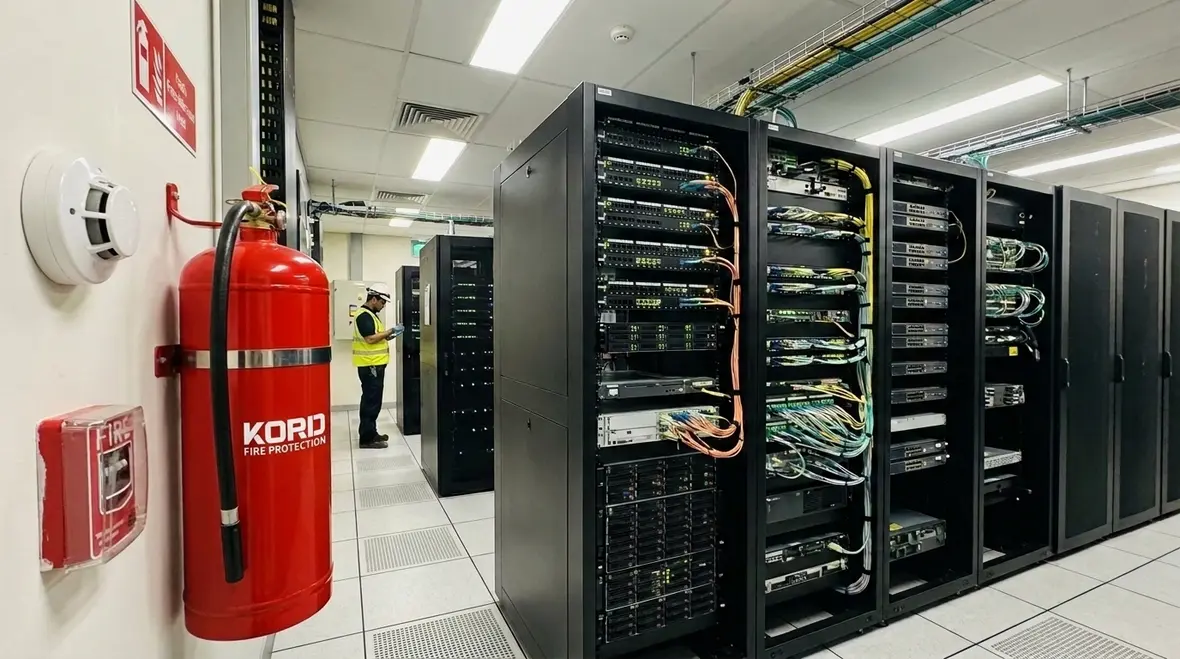
In the early part of any fire plan, telecommunication facility fire safety, telecom fire code NFPA, and communication center fire protection should be treated as core business controls, not side notes. NFPA 1 Section 36.1 helps set the tone by pushing for clear fire safety measures in telecommunication areas. For Australian facilities with mission critical systems, the lesson is simple: a quiet room full of racks can still become a very loud problem.

What NFPA 1 Section 36.1 asks for
NFPA 1 Section 36.1 focuses on how telecommunication facilities should reduce fire risk and support safe response. It does not exist just to make paperwork look fancy. It exists because equipment rooms, cable runs, batteries, and power gear can create real ignition points.
Key ideas that shape compliance
- keeping electrical and communication equipment areas orderly and accessible
- providing fire detection and alarm coverage suited to the room layout
- using suppression methods that limit harm to sensitive assets
- maintaining clear access for fire services and maintenance teams
- training staff to act quickly and calmly when warning signs appear
Because telecom sites often support critical operations, the response must be fast and direct. After all, fire does not wait for a convenient meeting slot. The section points facilities toward practical readiness: clean layout, workable access, early warning, and response steps that are simple enough to use under pressure instead of only sounding impressive during audits.
For teams reviewing this topic in a broader code context, it also helps to understand how different requirements connect across the fire code landscape. Kord Fire Protection’s NFPA 1 comprehensive guide to fire prevention and safety is a useful internal reference point when you want the bigger picture without turning your afternoon into a code book hostage situation.
How telecom fire code NFPA shapes real world protection
The telecom fire code NFPA approach helps teams think beyond flame control alone. It also addresses the conditions that make a fire more likely or more damaging. Heat buildup, blocked access, poor cable management, weak maintenance, and battery hazards all raise the stakes.
That is where good design matters. A telecom room should have clear pathways, proper separation of hazards, and systems that can spot trouble early. In addition, routine inspection helps find loose connections, damaged cords, dust buildup, and signs of wear before they become headline material.
From code language to daily reality
Real world protection is usually won or lost in ordinary details. Are panels reachable without moving storage? Are cable runs tidy enough to inspect? Are battery areas ventilated and monitored? Is someone actually checking devices on schedule, or are people just hoping the last inspection sticker still has magical powers? Code driven thinking works best when it turns into repeatable habits that people follow every week, not heroic intentions that appear once a year.
For larger industrial, retail, and commercial networks across Australia, this matters even more. A single weak point can affect several sites at once. Therefore, fire planning must follow the full chain of risk, from the server room to the remote node and back again. That broader, connected mindset lines up naturally with telecom operations, because these facilities rarely fail in a neatly isolated way.
Communication center fire protection that supports uptime
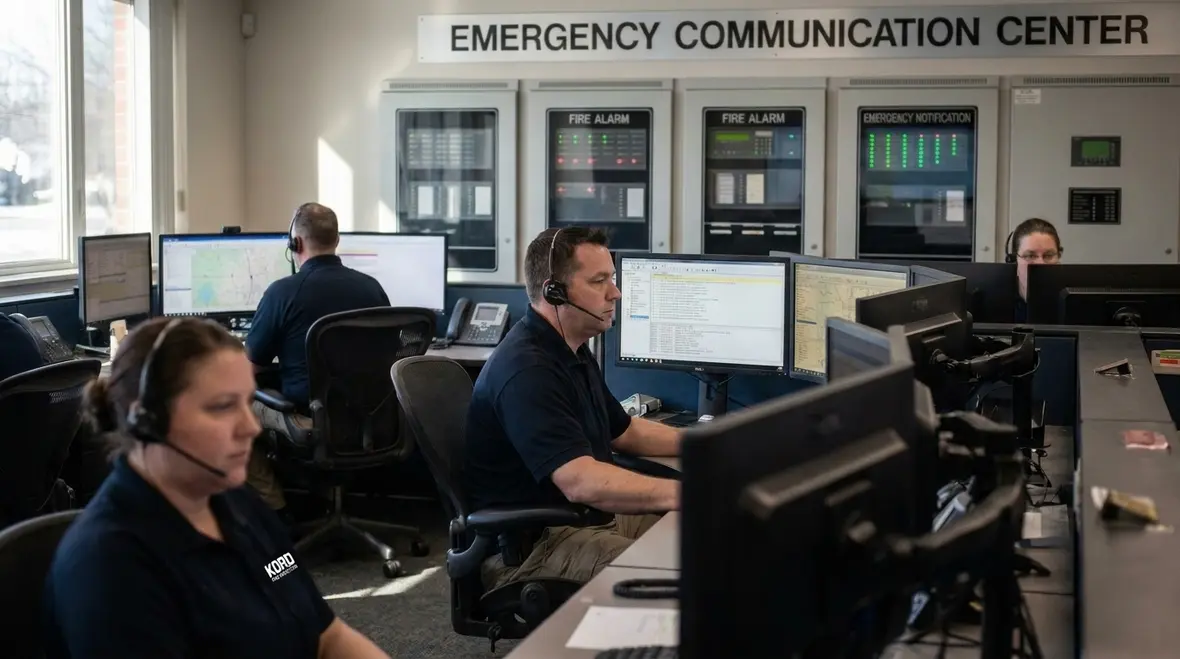
Communication center fire protection must protect more than walls and wiring. It must protect uptime, service trust, and business continuity. In a control room or telecom hub, even a small fire event can interrupt operations, damage hardware, and trigger wider service loss.
Good protection starts with layered controls. Detection should happen early. Suppression should act fast. And emergency procedures should be clear enough for any trained team member to follow without guesswork. This is not the moment for heroics worthy of an action movie. It is the moment for systems that do their job on cue.
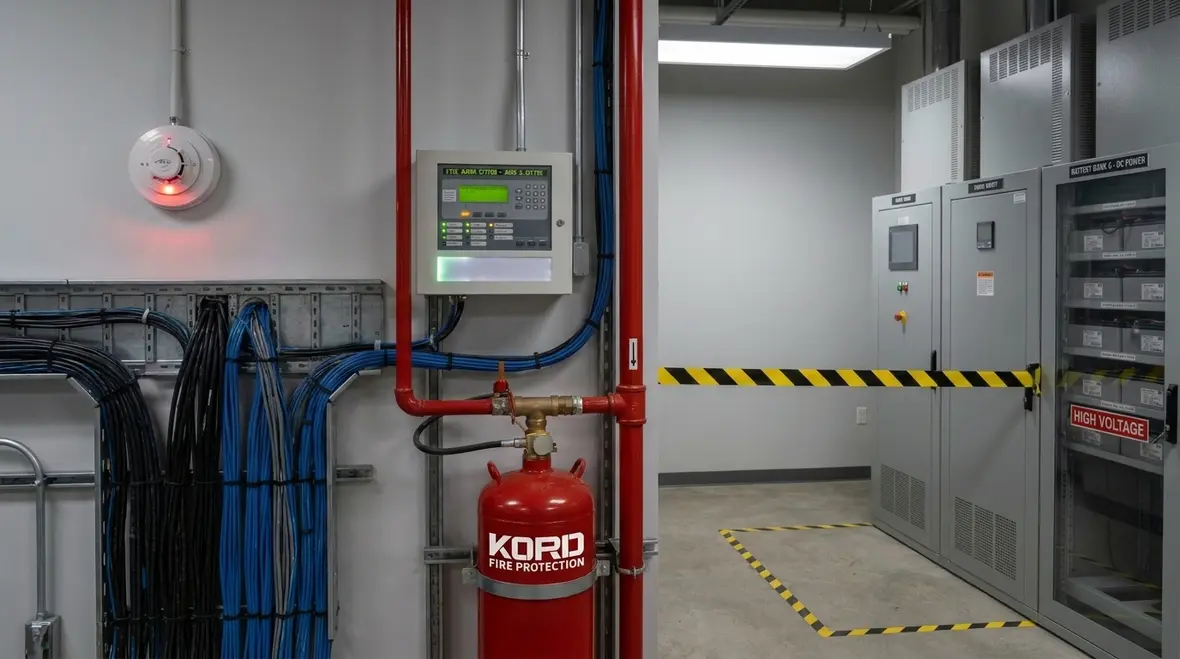
Facilities should also review backup power systems, battery rooms, and cooling equipment. These areas can create hidden heat or fault conditions. As a result, a strong protection plan will look at the whole room, not just the obvious equipment. In many telecom environments, the most expensive damage starts quietly, which is exactly why early detection and coordinated suppression matter so much.
Where Kord Fire Protection adds value
Kord Fire Protection can become a vital partner for this service because telecommunication fire safety demands both technical knowledge and practical follow through. Many businesses need more than a supplier. They need a team that can assess risk, design compliant solutions, support installation, and help with ongoing maintenance.
That kind of support matters when equipment is sensitive and downtime is expensive. Kord Fire Protection can help facilities align with fire safety needs for telecom rooms, communication centers, plant areas, and critical infrastructure spaces. In addition, a trusted partner can help teams balance compliance, service continuity, and budget without turning the process into a maze of confusion.
For organizations across Australia, this local, hands on support can make the difference between a plan that sits in a folder and a system that actually performs when needed. That is especially true when businesses need coordinated help with inspection schedules, alarm readiness, suppression options, documentation, and system improvements that fit live operations instead of disrupting them.
What a strong compliance plan should include
Area | What it should cover |
Risk review | Identify electrical, battery, cable, and heat risks in each telecom space |
Detection | Use early warning systems suited to the room and the assets inside it |
Suppression | Choose methods that reduce fire spread while limiting equipment damage |
Access and layout | Keep exits, panels, and service paths open and easy to reach |
Maintenance | Inspect, test, and service systems on a set schedule |
This structured approach helps teams keep telecommunication facility fire safety active, practical, and ready for audit. It also reduces the chance of small problems becoming very expensive ones. A compliance plan earns its keep when it stays usable after layout changes, staffing changes, equipment upgrades, and the usual surprises that telecom facilities seem to collect like souvenir magnets.
Why documentation matters
Documentation is not glamorous, but it is often the bridge between good intentions and reliable performance. Inspection logs, maintenance reports, impairment procedures, contact lists, and response checklists all help teams act faster and prove that critical systems were not left to chance. When equipment rooms change, documents should change with them, or the paperwork becomes a nice historical novel with very poor operational value.
How teams can stay ready every day
Fire safety works best when it becomes routine. Teams should train staff, check equipment, document inspections, and update plans after any site change. New racks, new batteries, fresh cabling, or revised layouts can all alter the risk profile. Therefore, fire protection should grow with the site, not lag behind it.
In addition, managers should test communication between operations, maintenance, and emergency contacts. A fast response depends on clear roles. When everyone knows what to do, the facility stands a much better chance of staying safe and online.
Daily readiness also means respecting the little warning signs before they become big ones: an overheated cabinet, a nuisance alarm, a blocked panel, an odd smell near power equipment, or an inspection that keeps getting pushed to next week. Telecom environments reward consistency. The safer sites are usually not the flashiest ones. They are the ones where people keep doing the boring, necessary things correctly, on time, every time.
FAQ
Protect the network before fire protects itself
Telecommunication sites carry the pulse of modern business, so they deserve fire protection that matches their value. Kord Fire Protection can help facilities build smarter, safer, and more reliable systems that support NFPA based expectations and real world uptime.
For organisations ready to strengthen telecommunication facility fire safety, now is the time to act and get expert support in place. The best fire event in a telecom room is the one that never gets the chance to become a story.

Join Our Newsletter!
Get the latest fire safety tips delivered straight to your inbox From our Newsletter.