NFPA 1 Section 25.5 for Permanent Membrane Structure Fire Safety
Quick Answer: NFPA 1 Section 25.5 sets the fire safety baseline for permanent membrane structures. It guides owners, managers, and installers on safe materials, fire protection, and ongoing care. For industrial, retail, and commercial sites across Australia, Kord Fire Protection can help turn compliance into a clear plan that protects people, assets, and operations.
Permanent membrane structures are no longer a niche idea. They now serve industrial yards, retail sites, warehouses, and event driven commercial spaces across Australia. With that growth comes a serious need for permanent membrane structure fire code, fabric structure fire safety NFPA, and tensile membrane fire protection knowledge that actually works in the real world. NFPA 1 Section 25.5 gives a practical path for fire safety, and it helps owners keep the structure usable, safe, and compliant. That matters, because fire does not care whether the roof is steel, fabric, or something in between. It only cares about fuel, heat, and timing. Not exactly the kind of guest anyone wants.
For teams trying to connect code language to daily operations, Kord Fire Protection’s full fire protection services can fit naturally into planning, inspection support, and long term readiness. Near the top is exactly where that reminder belongs, because compliance is much easier to manage when the right support is built in early instead of chased down later with a clipboard and a rising sense of regret.
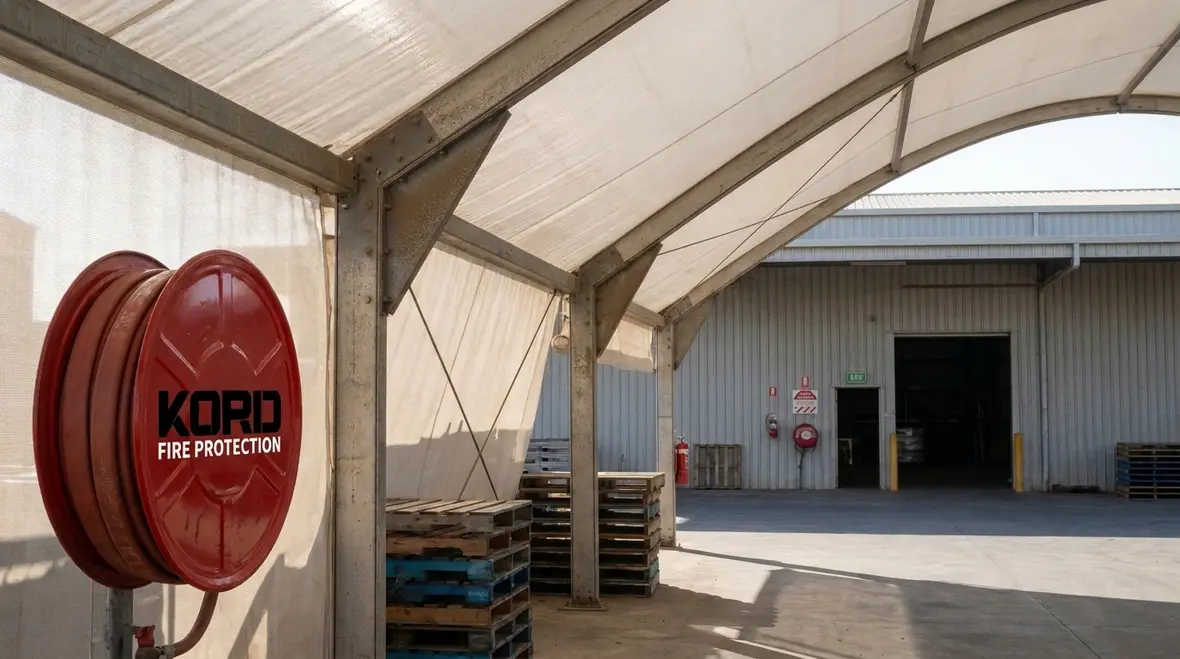
What NFPA 1 Section 25.5 Covers
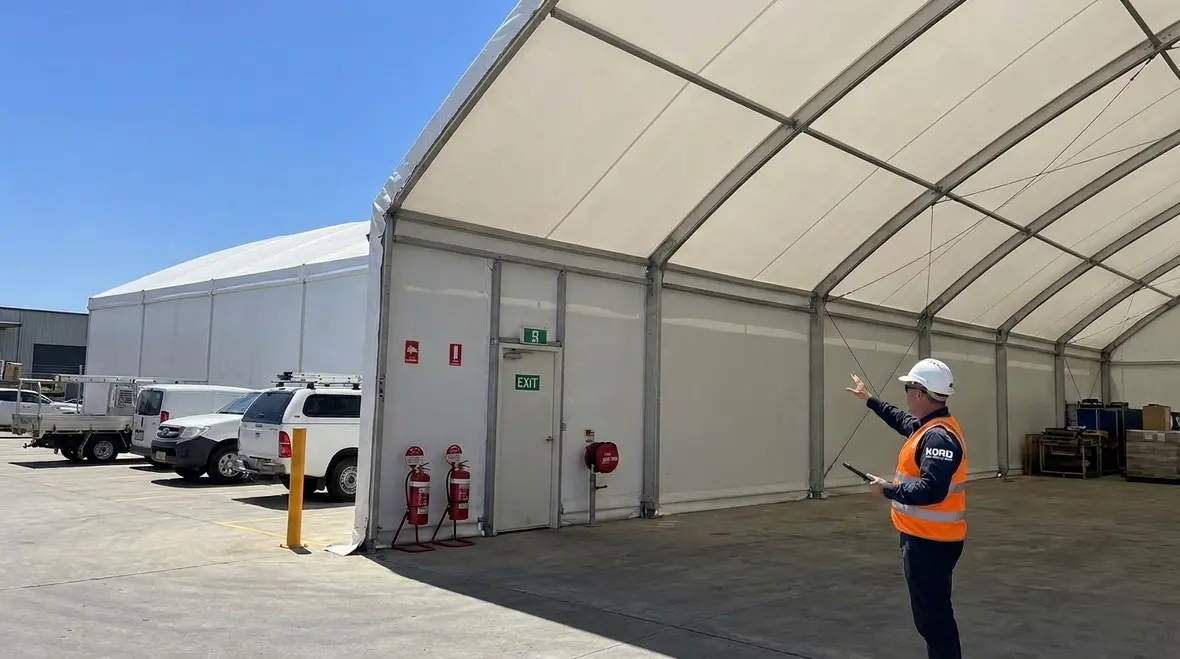
NFPA 1 Section 25.5 focuses on permanent membrane structures and the fire safety rules that support them. It addresses how these structures should be built, used, and maintained so fire risk stays under control. The section aims to reduce fast fire spread, protect exits, and support safe use in commercial settings. It also helps set expectations for materials, separation, and system design. In short, it gives structure to the structure. That may sound obvious, but in fire safety, obvious is often the hero nobody thanked.
That broader code context matters too. Kord Fire Protection’s guide to NFPA 1 fire prevention and safety explains how the fire code connects building use, life safety, and system performance across many occupancies. Section 25.5 sits inside that larger framework, which means membrane structures should never be treated like isolated oddballs that somehow escaped the rest of the code universe. Nice try, but no.
The practical issues behind the rule
In practice, Section 25.5 matters because membrane structures can be visually simple while behaving in complicated ways under fire conditions. A site may look open, bright, and uncomplicated, yet still contain exit pinch points, combustible stock, mobile equipment, temporary partitions, and ignition sources that completely change the risk picture. The code language helps owners avoid that trap by pushing attention toward how the structure performs, not just how tidy it looks in marketing photos.
Why Permanent Membrane Structures Need Special Care
These buildings behave differently from standard hard shell structures. Their fabric skins, tension systems, and support frames can change how heat moves and how fire spreads. As a result, managers must look beyond the basic building shape and study the full fire load. Storage type, occupancy, equipment, and layout all matter. For industrial and commercial sites, this can mean the difference between a minor incident and a serious shut down. Therefore, fire safety planning must start early, not after the first inspection raises an eyebrow.
Key risk factors site teams should not ignore
- Fabric fire performance and whether the installed material still matches approved specifications
- Ignition sources such as heaters, charging stations, tools, cooking equipment, or electrical faults
- Storage height, storage density, and whether combustibles are creeping too close to exits or equipment
- Occupancy changes that quietly turn a low hazard space into a much busier and riskier operation
- Emergency lighting, exit marking, and whether people can actually leave quickly when visibility drops
- Inspection records, maintenance intervals, and whether fire protection systems are ready rather than merely present

How a Site Can Meet the Permanent Membrane Structure Fire Code
Compliance starts with understanding what the structure will do every day. Owners should confirm that the fabric and support system meet approved fire performance requirements. They should also check access routes, exit paths, emergency lighting, and fire equipment placement. In addition, the site should keep combustible storage under control and avoid unsafe changes in use. A structure built for light storage should not suddenly host a full scale inventory mountain. That is how trouble gets a head start.
A sensible compliance sequence
A smart process usually begins with document review, then moves into physical inspection, hazard identification, system planning, and ongoing maintenance. Owners should compare approved use against actual use, because those two are not always on speaking terms. If the occupancy has shifted, stock has grown, or equipment has changed, the fire strategy should be reviewed before the site learns about the mismatch the exciting way.
Compliance focus
NFPA 1 Section 25.5 sets the fire safety base line for permanent membrane structures. It supports safe materials, proper egress, and controlled use of space.
Operational focus
Site teams must use the structure in a way that matches its fire risk. They should keep exits clear, limit unsafe fuel loads, and maintain systems on schedule.
Where Kord Fire Protection Adds Real Value
Kord Fire Protection can become a vital partner by bringing fire safety knowledge, inspection support, and practical planning together. Their team can help assess risks, review compliance needs, and design solutions that fit the site, not just the rule book. For businesses across Australia, that kind of support matters because local operations often need fast answers and clear direction. Kord Fire Protection can assist with system selection, fire protection strategy, and ongoing maintenance planning. As a result, owners gain confidence that their membrane structure does not just look good from the street. It also stands ready when things go sideways.
That value is not only about installing hardware. It is about translating code intent into a working site plan that people can follow without needing a decoder ring. The strongest fire safety programs connect design choices, inspection schedules, housekeeping rules, emergency procedures, and documented follow up. When those pieces work together, owners spend less time reacting and more time operating with confidence.
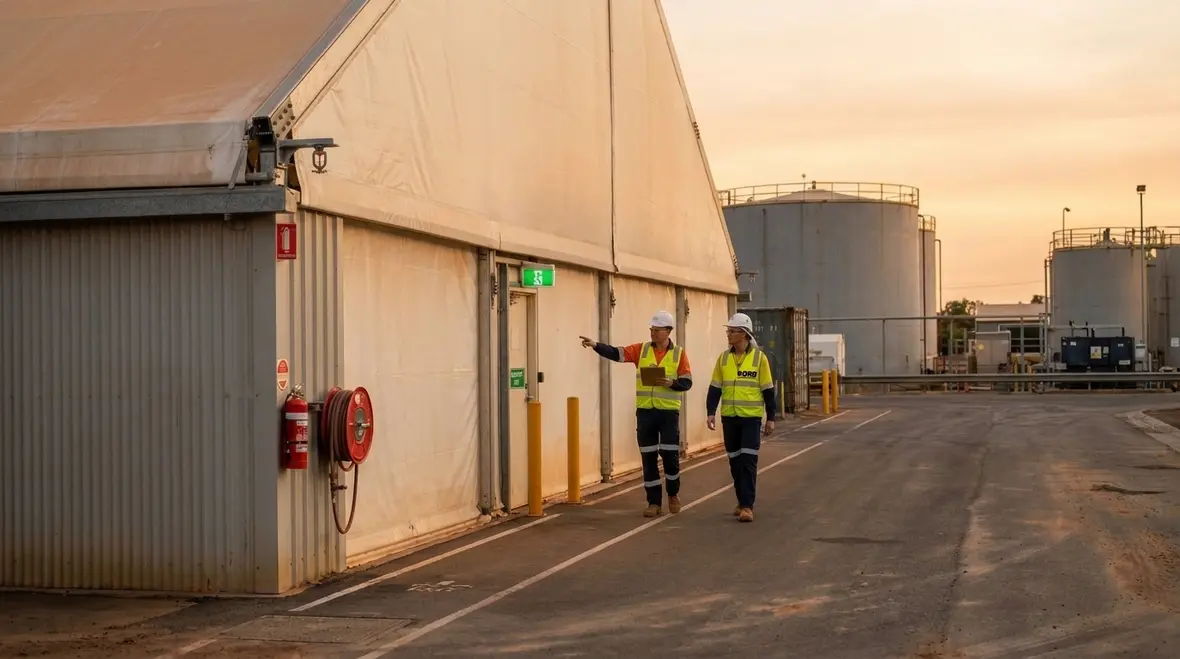
How Fire Protection Planning Works in Practice
Good fire protection does not happen by luck or by a heroic email chain sent at 4:59 pm on a Friday. It starts with a site review, then moves into design, installation, and testing. Next comes routine inspection and record keeping. A strong plan usually covers detection, suppression, emergency access, and staff response. For a permanent membrane building, the plan should also consider how the fabric behaves under heat and how the layout supports safe evacuation. That is why expert guidance saves time, money, and stress later.
From first review to everyday readiness
The best plans do not live in a binder that only appears when someone important visits. They show up in aisle spacing, equipment placement, staff habits, inspection tags, service records, and clear evacuation paths. For membrane structures especially, everyday discipline matters. A compliant design can still become a risky space if storage spreads, exits narrow, temporary equipment moves in, or maintenance quietly slips down the priority list. Fire has a funny way of noticing exactly what people hoped it would ignore.
What Industrial and Commercial Facilities Should Check First
Facilities across Australia should begin with a simple review of the highest risk points. Those include fabric rating, ignition sources, storage layout, tenant use, and fire system coverage. Then they should confirm the structure still matches the approved purpose. If the use has changed, the fire plan should change too. After that, managers should test their response steps with staff. Because when a fire starts, nobody wants the first drill to be the real thing.
- Verify fabric classification and installation records
- Review ignition sources introduced since commissioning
- Walk all exits and access points as if visibility were poor
- Check that extinguishers, alarms, and suppression coverage still match actual use
- Confirm storage practices have not drifted into unsafe territory
- Train staff on emergency actions, reporting, and evacuation routes

FAQ
Conclusion
Permanent membrane structures need more than a good design and a strong frame. They need fire planning that fits the way the site works. NFPA 1 Section 25.5 gives owners a useful baseline, but real safety comes from applying that guidance to actual storage, equipment, occupancy, and daily operations.
Kord Fire Protection can help commercial and industrial operators across Australia meet NFPA 1 Section 25.5 with confidence, clarity, and less stress. For a safer, smarter approach to tensile membrane fire protection, the right partner makes all the difference.

Join Our Newsletter!
Get the latest fire safety tips delivered straight to your inbox From our Newsletter.