NFPA 1 Section 25.1 Grandstands and Tents Fire Safety
Quick Answer: NFPA 1 Section 25.1 sets the base fire safety rules for grandstands and tents used in public and commercial settings. It guides safe setup, crowd control, exits, and fire protection. For Australian industrial, retail, and commercial sites, this standard supports safer events, better compliance, and less risk when temporary structures take the stage.
When a venue uses a tent, grandstand, or other temporary structure, fire safety must stay sharp. That is where grandstand tent fire safety, temporary structure fire code, and bleacher fire protection NFPA come into play. These rules help protect people, property, and operations before a crowd even walks in. In practice, they shape how a structure is built, placed, used, and watched. And yes, even a “temporary” setup can turn into a very permanent headache if someone ignores the basics.
NFPA 1 Section 25.1 gives a clear framework for safer grandstands and tents. It matters for trade shows, retail activations, warehouse events, sporting venues, industrial displays, and commercial functions across Australia. Near the planning stage, it also helps to connect temporary event safety with broader full fire protection services so inspections, equipment support, and compliance efforts work together instead of colliding at the last minute. Kord Fire Protection can become a vital partner in that process by helping teams plan, check, and maintain fire safety controls that fit the site and the job.
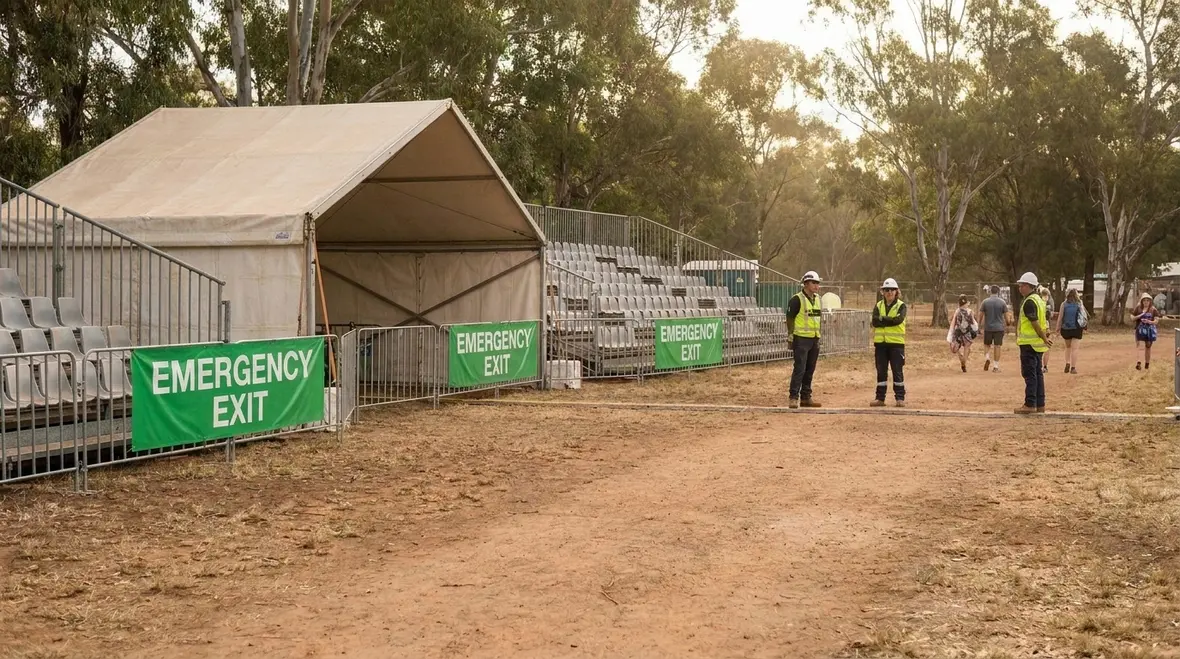
What NFPA 1 Section 25.1 Covers for Temporary Structures
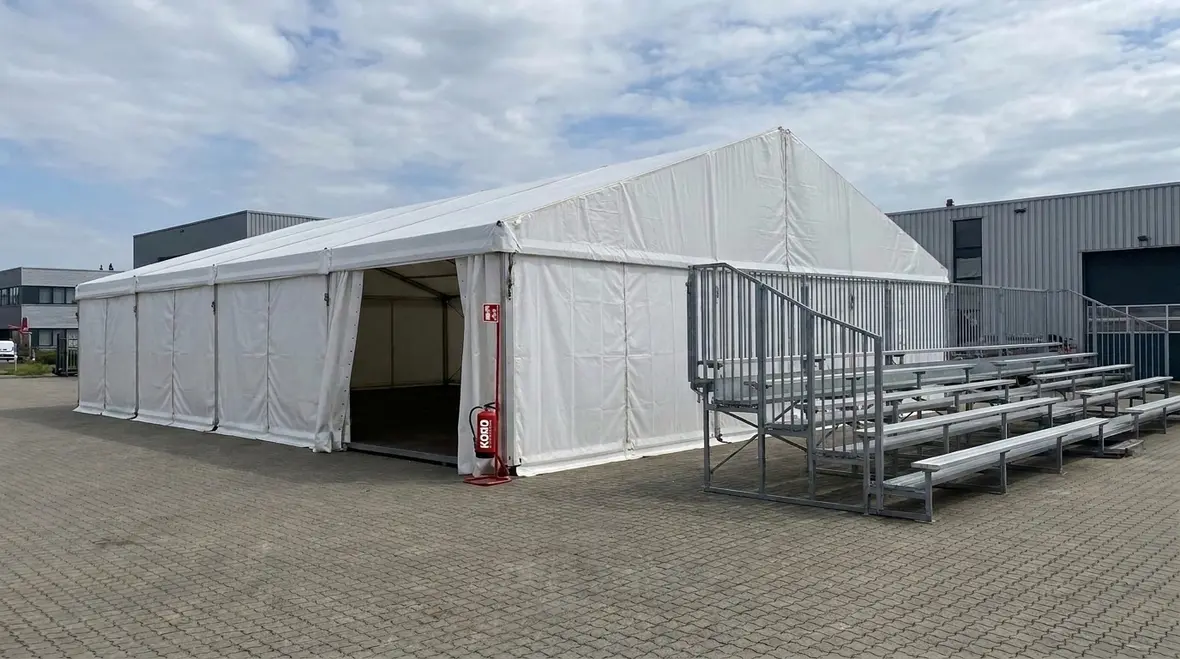
This section focuses on general fire safety for grandstands and tents. It looks at how the structure is used, where it sits, and how people move through it. It also supports safe spacing, access, and emergency planning. In plain terms, the code tries to keep a temporary build from becoming a fast moving scene from a disaster film.
For commercial and industrial sites, this matters because temporary structures often sit near stock, equipment, power leads, vehicles, or high foot traffic. Therefore, the fire risk can rise fast if the setup lacks proper controls. The code helps reduce that risk by pushing owners and managers to think ahead. It is also smart to view this section alongside broader prevention guidance such as NFPA 1: a comprehensive guide to fire prevention and safety, especially when a site is balancing temporary event needs with everyday operations.
Key general issues the section pushes teams to review
- Where the tent or grandstand sits in relation to buildings and hazards
- Whether exits remain visible, open, and easy to reach
- How crowd movement works during normal use and during an emergency
- Whether site staff know who is monitoring the area and what to do if something goes wrong
- How temporary use lines up with the permanent fire safety systems already on site
How Grandstand Tent Fire Safety Works on Site
Grandstand tent fire safety starts with the basics: safe materials, clear access, and smart placement. Fire safe planning also looks at heat sources, electrical gear, cooking areas, and smoking controls. Moreover, site teams must keep exits open and easy to reach.
In many cases, fire safety improves when the team treats the tent or grandstand like part of the main facility, not like an afterthought. That means checking the structure before use, watching it during use, and removing hazards after use. A quick check now can save a very expensive cleanup later. And no one wants their event remembered for the wrong kind of smoke machine.
- Use approved materials where required
- Keep exit paths clear at all times
- Separate ignition sources from fabric and crowd areas
- Control power leads and temporary wiring
- Train staff to act fast in an emergency
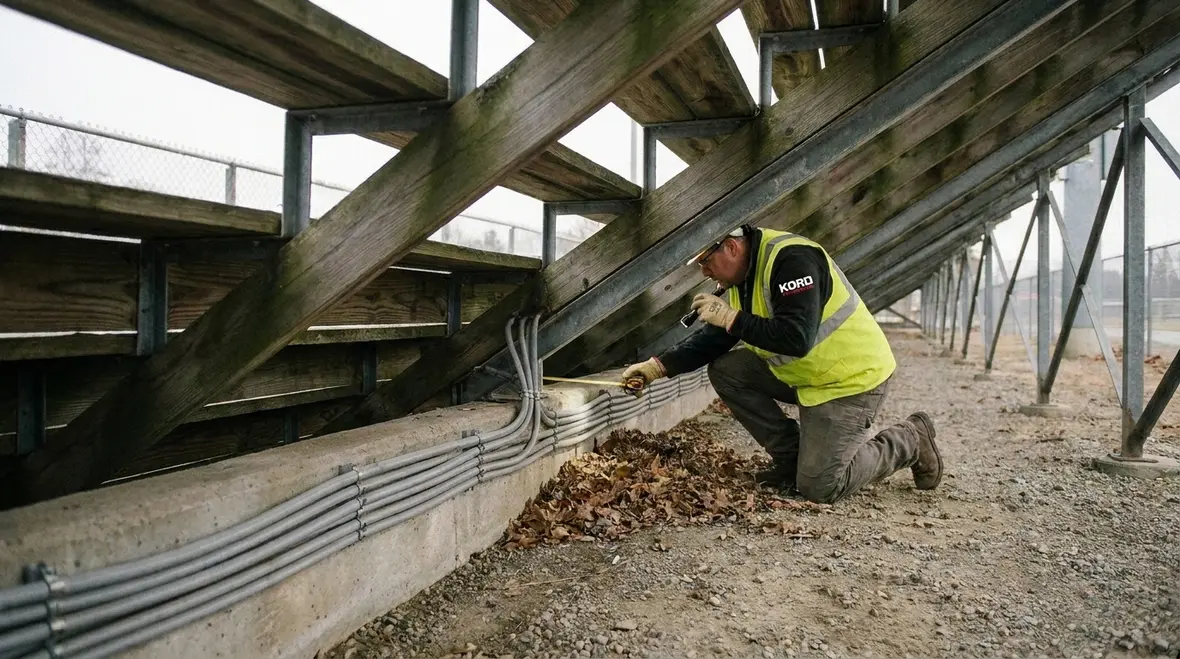
On site details that usually decide whether the setup is actually safe
A tent can look neat and still be risky. A grandstand can feel sturdy and still create a bad evacuation path. That is why real fire safety lives in the boring details people rush past when the event countdown is on. Cable routing, exit signage, extinguisher access, housekeeping, and staff communication all matter. None of them are glamorous, but they do a lot more for safety than crossing your fingers and hoping the weather behaves.
Why the Temporary Structure Fire Code Matters for Business Sites
The temporary structure fire code protects more than guests. It also protects business flow, brand trust, and duty of care. For industrial and retail operators, a fire issue at a temporary build can stop work, delay a launch, or bring unwanted scrutiny from regulators and insurers.
Furthermore, this code helps teams manage risk before a fire starts. It supports safe occupant loads, good exit design, and basic fire response planning. It also helps site leaders show that they took reasonable steps to protect people. That kind of planning matters when a venue hosts customers, staff, contractors, or the public.
What makes the code useful is that it forces operational thinking. Managers have to ask how deliveries move around the structure, whether a generator is too close, if signage is visible when the crowd thickens, and whether emergency access stays open when vendors, equipment, and chairs start spreading like they pay rent. Temporary does not mean casual. In a busy commercial environment, temporary often means more moving parts and less room for mistakes.
Safety Focus
- Structure placement
- Exit access
- Fire safe materials
- Staff planning
- Electrical control
- Housekeeping
Why It Matters
- Keeps tents and grandstands away from heat, traffic, and hazards
- Helps people leave fast during an emergency
- Slows fire spread and limits damage
- Improves response and crowd control
- Reduces ignition risk from temporary power arrangements
- Stops waste and storage from building up in dangerous spots
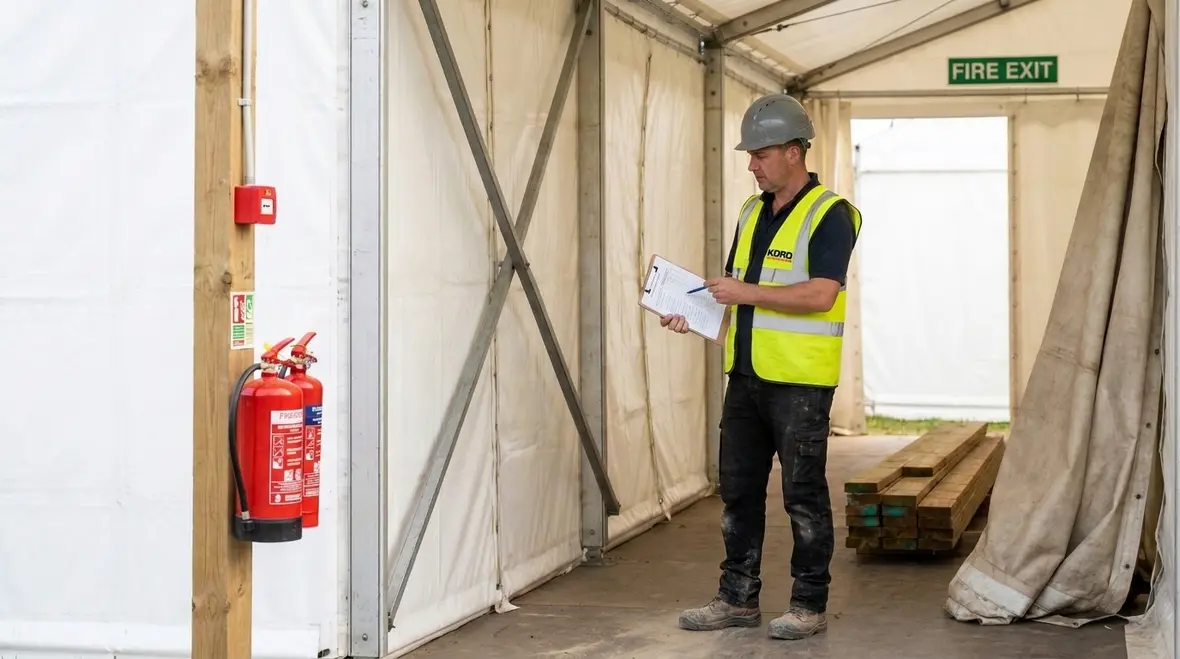
Where Bleacher Fire Protection NFPA Fits In
Bleacher fire protection NFPA guidance becomes important when seating rises above the ground and crowd density increases. Grandstands and bleachers can trap heat, block movement, and create hard to reach areas if the layout is poor. Therefore, fire planning must consider access under, around, and through the seating area.
This also affects maintenance. Loose debris, damaged parts, poor housekeeping, and unsafe storage under seating can all raise fire risk. So, a site should check the full seating zone, not just the front row where everyone thinks they get the best view. The real value sits in the parts people usually ignore.
Common trouble spots around bleachers and raised seating
- Stored items tucked under seating frames
- Narrow paths that slow down evacuation
- Temporary lighting or sound cables crossing access points
- Waste buildup after food service or long events
- Poor visibility for staff trying to monitor the crowd and exits
How Kord Fire Protection Supports Compliance and Risk Control
Kord Fire Protection can become a vital partner because it brings practical fire safety support to busy commercial sites. The team can help assess the structure, identify gaps, and guide safer setup and operation. Moreover, that support can reduce stress for facility managers who already juggle contractors, events, and compliance duties.
Kord Fire Protection may assist with site reviews, fire protection planning, equipment checks, and service advice tailored to temporary structures. In addition, the company can help connect code needs with real world use, which is often where many plans fall apart. A code book is useful, sure, but a site still needs people who know how the pieces fit together.
- Before the event, to review fire safety risks
- During setup, to confirm controls are in place
- During operation, to keep standards steady
- After the event, to check for wear, damage, or gaps
What Australian Facilities Should Ask Before Setup
Australian industrial, retail, and commercial sites should ask direct questions before any tent or grandstand goes live. Who approved the layout? Where are the exits? What ignition sources sit nearby? Is the structure maintained and checked? These questions sound simple, but they stop many avoidable mistakes.
Also, the team should verify local requirements alongside NFPA guidance. Codes and site rules must work together. When they do, the result is a safer event and a smoother job. When they do not, the site may end up with a fine, a delay, or a very awkward meeting that nobody booked on purpose.
Useful pre setup questions for managers and coordinators
- Has the location been checked against nearby hazards and traffic flow?
- Are exits wide enough, marked clearly, and free from storage or display items?
- Will vendors use cooking, heating, or temporary power equipment nearby?
- Does the staffing plan include emergency roles and crowd direction?
- Are housekeeping checks built into the event schedule rather than left to chance?
- Have permanent fire systems and temporary arrangements been reviewed together?
FAQ
Safer Structures Start With the Right Partner
NFPA 1 Section 25.1 gives facilities a solid base for safer grandstands and tents. However, real protection comes from putting the rules into action with care. A well managed setup is not just about ticking a box for the day. It is about protecting staff, contractors, guests, stock, reputation, and the smooth flow of the wider site.
Kord Fire Protection can help commercial and industrial sites across Australia turn that code into practical safety on the ground. For projects that need calm advice, clear planning, and dependable support, the right partner makes all the difference. Contact Kord Fire Protection to strengthen your next setup.

Join Our Newsletter!
Get the latest fire safety tips delivered straight to your inbox From our Newsletter.