NFPA 1 Section 23.2: Cleanroom Applicability
Quick Answer: NFPA 1 Section 23.2 explains when cleanroom fire rules apply and how they shape design, operation, and maintenance. For industrial, commercial, and facility teams, it helps define cleanroom fire code applicability, controlled environment fire requirements, and cleanroom use fire safety. Kord Fire Protection can help turn those rules into practical, site ready protection.
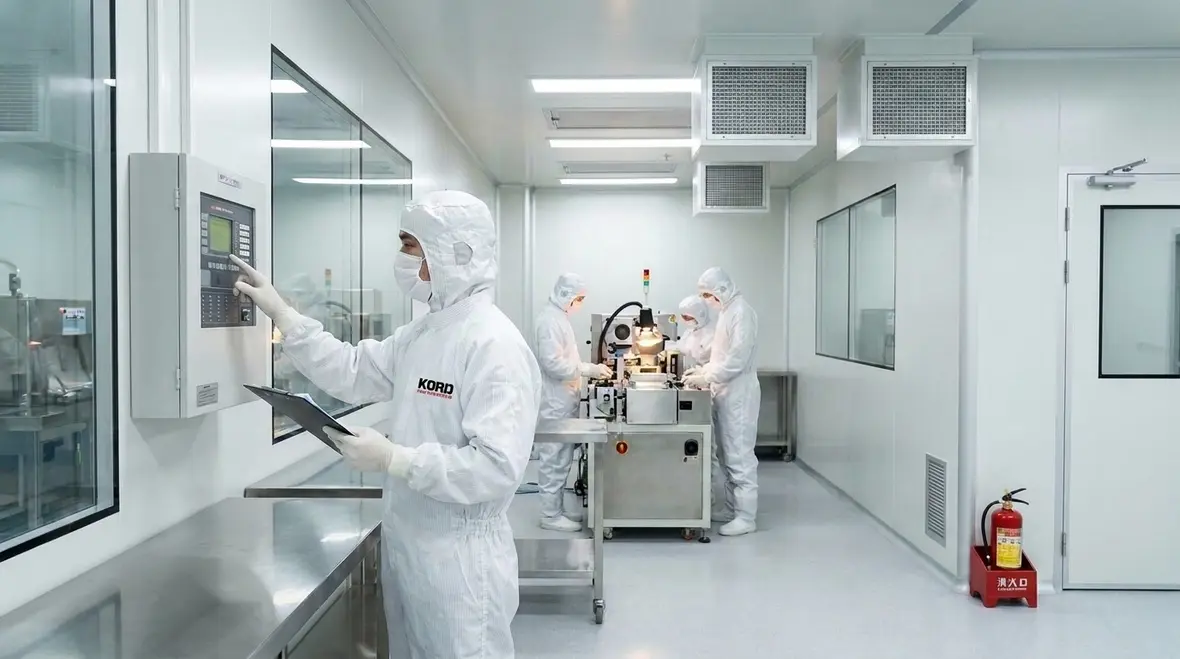
NFPA 1 Section 23.2 matters because cleanrooms do not behave like ordinary spaces. They control dust, air flow, pressure, and people movement, so cleanroom fire code applicability must fit the room, not the other way around. In practice, that means controlled environment fire requirements need close planning, and cleanroom use fire safety must support both production and protection. For industrial, retail, commercial, and facility sites, that balance can feel a bit like trying to keep a lab coat spotless during a storm. It is possible, but only with the right system and the right partner.
Near the planning stage, it helps to pair the code discussion with an actual service path, such as fire suppression services for sensitive environments. That link matters because cleanrooms often need protection that is fast, controlled, and far less destructive than a one size fits all response.
What NFPA 1 Section 23.2 means for cleanrooms
Section 23.2 helps define when cleanrooms fall under fire safety controls and how those controls should work inside a sensitive space. Because cleanrooms often support electronics, healthcare, food processing, advanced manufacturing, and critical research, fire planning must protect the process as well as the people. Therefore, the rule does more than ask for basic alarms and extinguishers. It pushes teams to think about airflow, suppression, access, storage, and emergency response as one system.
That matters for facilities that run around the clock, hold high value stock, or depend on tight production limits. A small fire issue can stop work fast, and in a cleanroom, a small issue can spread into contamination, shutdown, and major cost. So, the code does not just protect a room. It protects uptime, quality, and reputation. In the language of the boardroom, that is called “not lighting money on fire,” which always helps.
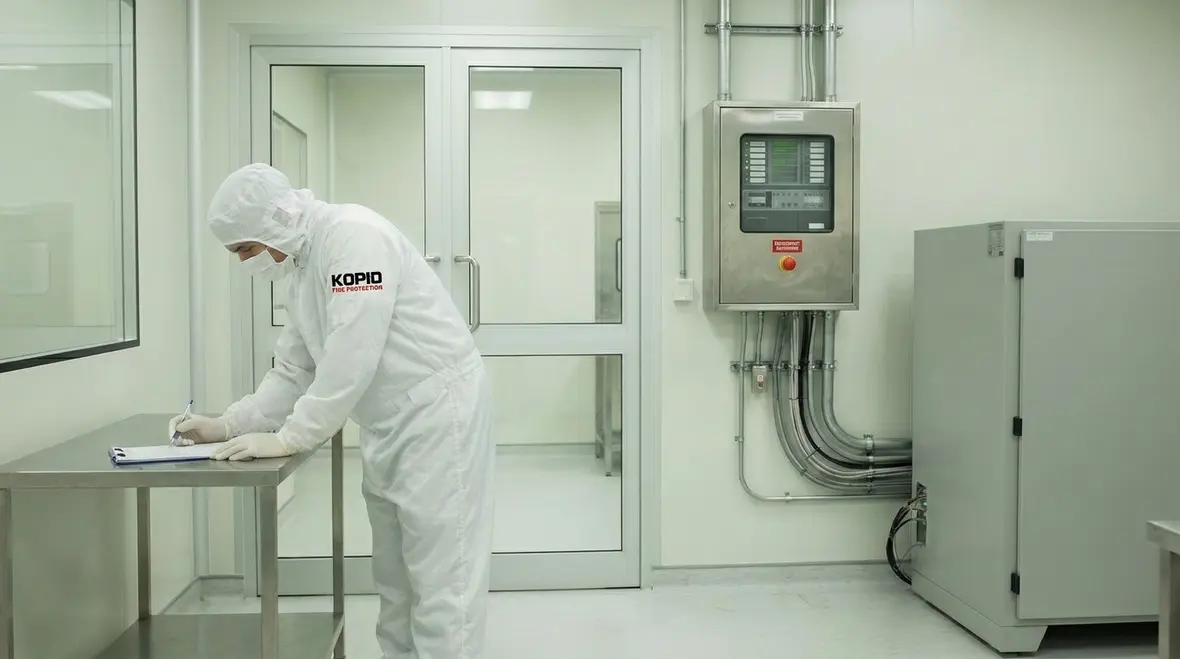
Where cleanroom fire code applicability becomes critical
Cleanroom fire code applicability depends on how the space is used, what is stored inside, and how the building supports it. For example, a controlled environment in a warehouse wing may need different fire measures than a pharmaceutical suite or a microelectronics zone. Likewise, air handling systems, cable runs, chemical use, and access doors can all change the risk profile.
Key risk factors teams should review
- Room use and process type
- Combustible materials and packaging
- Electrical equipment load
- Air exchange and pressure control
- Restricted access and shutdown needs
- Detection and suppression response time
Because these spaces often run with strict hygiene or dust control rules, fire protection must avoid creating new problems. That is why the code is best treated as a working map, not a paper exercise. A plan that looks tidy in a binder but ignores how the room actually behaves is about as useful as a smoke detector in a filing cabinet.
What changes the hazard profile
Every cleanroom has its own personality, and some of them are a little dramatic. Process chemicals, dense wiring, sealed wall systems, raised floors, and specialty equipment can all shift the fire protection approach. Even the way staff gown up and move through airlocks can affect emergency response timing.
What good planning accomplishes
Good planning helps the room stay safe without sacrificing cleanliness, process stability, or maintenance access. It gives operators a clearer response path, supports compliance, and lowers the chance that a small fault grows into downtime, contamination, and a very unpleasant meeting the next morning.
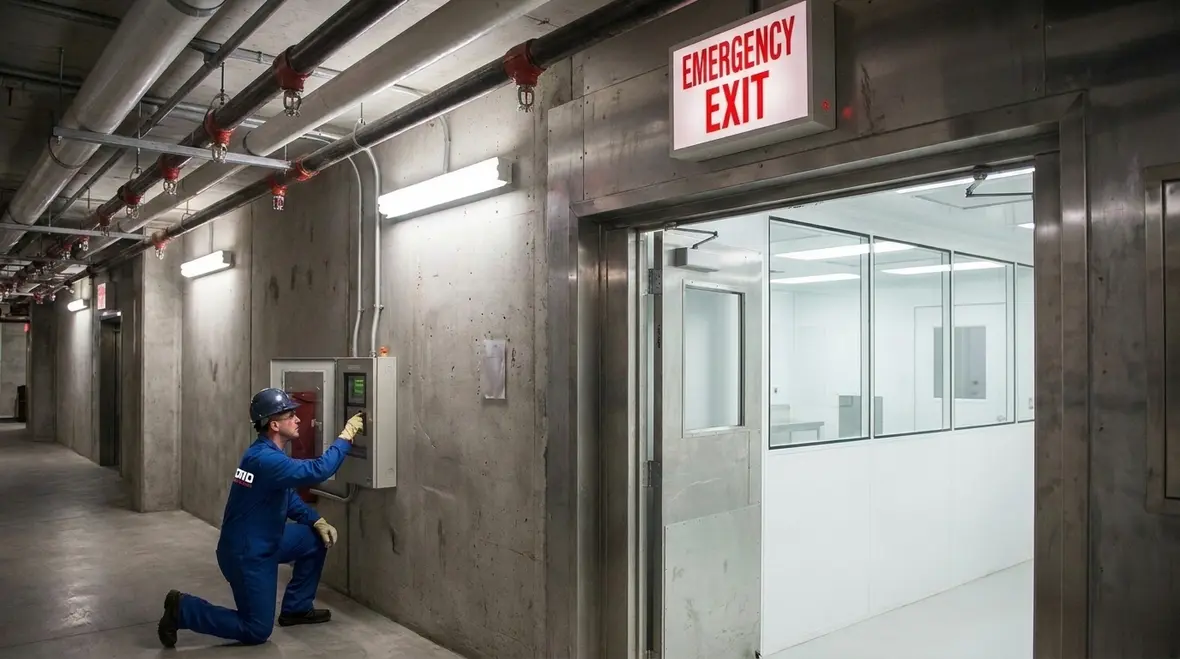
Controlled environment fire requirements in real operations
Controlled environment fire requirements usually focus on fast detection, safe evacuation, and suppression methods that do not wreck the process. However, the details matter. A standard solution in one building may fail in a cleanroom because of contamination risk, fragile equipment, or airflow patterns that push smoke in the wrong direction.
Here, planning must address more than emergency response. It must also consider maintenance access, system testing, and how to keep fire protection active without disrupting production. For many sites, this means aligning fire safety design with plant teams, compliance managers, and contractors who understand controlled spaces. When that alignment works, the cleanroom stays protected without turning every inspection into a small drama worthy of a streaming series.
Why suppression choice matters in sensitive rooms
Suppression in a cleanroom cannot be chosen by shrugging and pointing at whatever worked in the warehouse next door. Some spaces need options that limit residue, protect electronics, and work with room sealing and airflow behavior. That is one reason many teams also review Kord Fire’s resource on NFPA 1 fire prevention and safety guidance when they want broader context around code application and practical protection.
| Fire safety need | Why it matters in a cleanroom |
|---|---|
| Early detection | Helps identify trouble before smoke, heat, or contamination disrupts the space. |
| Low contamination risk | Supports product quality and limits cleanup after an incident or discharge. |
| Minimal downtime | Keeps production losses from snowballing into schedule and revenue pain. |
| Safe evacuation | Protects staff while accounting for controlled access and shutdown steps. |
| System reliability | Builds confidence that the protection will respond when it matters most. |
| Kord Fire Protection support | Provides assessment, practical system recommendations, compliance support, and long term maintenance planning. |
How cleanroom use fire safety should be planned
Cleanroom use fire safety works best when it begins long before an incident. First, the site should review the space design and identify ignition sources. Then, it should map escape paths, check shutdown steps, and confirm that alarms and suppression systems match the room type. After that, staff training should explain what to do if smoke, heat, or equipment fault appears.
Fire drills also matter, though they often get treated like the office equivalent of flossing. Everyone knows it matters, yet everyone hopes someone else will do it. Still, in a cleanroom, training is not optional. Personnel must understand how to respond without damaging the room or delaying evacuation. That includes who can enter, who can isolate equipment, and who can call for technical support.
A practical planning sequence
- Review current room use, occupancy, and process changes.
- Identify ignition sources, combustible loads, and equipment risks.
- Confirm detection, alarm, suppression, and shutdown coordination.
- Evaluate access routes, egress, and restricted entry procedures.
- Train staff on response roles inside the controlled environment.
- Test and maintain systems on a schedule that matches operations.
This kind of planning keeps fire protection tied to actual operations instead of assumptions left over from a previous layout. Cleanrooms evolve. Equipment changes, production shifts, storage expands, and temporary fixes somehow become permanent because everyone is busy. That is exactly why periodic review matters.
Why Kord Fire Protection becomes a vital partner
Kord Fire Protection can become a vital partner because cleanroom fire protection needs both code knowledge and site practical skill. A cleanroom is not just another room with a badge and a white suit. It is a controlled space with exact demands, and fire systems must respect those demands at every step.
Kord Fire Protection can support facilities by helping with assessment, design input, maintenance planning, compliance checks, and system servicing. In addition, it can help teams work through the tricky parts, such as keeping suppression effective while protecting sensitive operations. That kind of support can reduce risk, cut confusion, and keep projects moving without turning compliance into a full time mystery novel.
What facilities should focus on next
Industrial, commercial, retail support spaces, and advanced facility operators should review their cleanroom fire planning against current site use. Because operations change, the fire plan should change with them. New equipment, layout changes, stock shifts, or process upgrades can all affect protection needs.
Therefore, the best next step is a full review of fire protection in the cleanroom and in the connected areas that support it. This helps confirm that alarms, suppression, exit paths, and maintenance routines still fit the job. When that happens, compliance becomes less of a headache and more of a well run system.
FAQ
Conclusion
NFPA 1 Section 23.2 gives cleanroom operators a clear reason to treat fire safety as part of the process, not an afterthought. Cleanroom fire code applicability, controlled environment fire requirements, and cleanroom use fire safety all point to the same lesson: protection has to fit the room, the equipment, and the way the site actually works.
Kord Fire Protection can help build a practical plan that supports compliance, safety, and uptime. If the site runs a cleanroom, now is the time to review the system, tighten the response strategy, and make sure the protection fits the room instead of hoping the room politely fits the protection.

Join Our Newsletter!
Get the latest fire safety tips delivered straight to your inbox From our Newsletter.